Cut Content Revealed by Developers
18 May 2026
Ever stumbled across a weird file name or unfinished area in your favorite game and thought, “Wait, what was this supposed to be?” You're not alone. There’s something oddly fascinating about cut content—those missions, characters, or whole features that were once part of a game but never made it into the final release. Thanks to developers pulling back the curtain in interviews, documentaries, and on social media, we’ve been able to see a whole different side to the games we love. And trust me, it's like stepping into a parallel universe.
In this article, we’re diving deep into the world of cut content revealed by developers—from why it happens, to some of the most jaw-dropping examples, and how the gaming community keeps this lost data alive. Let’s crack open this digital treasure chest, shall we?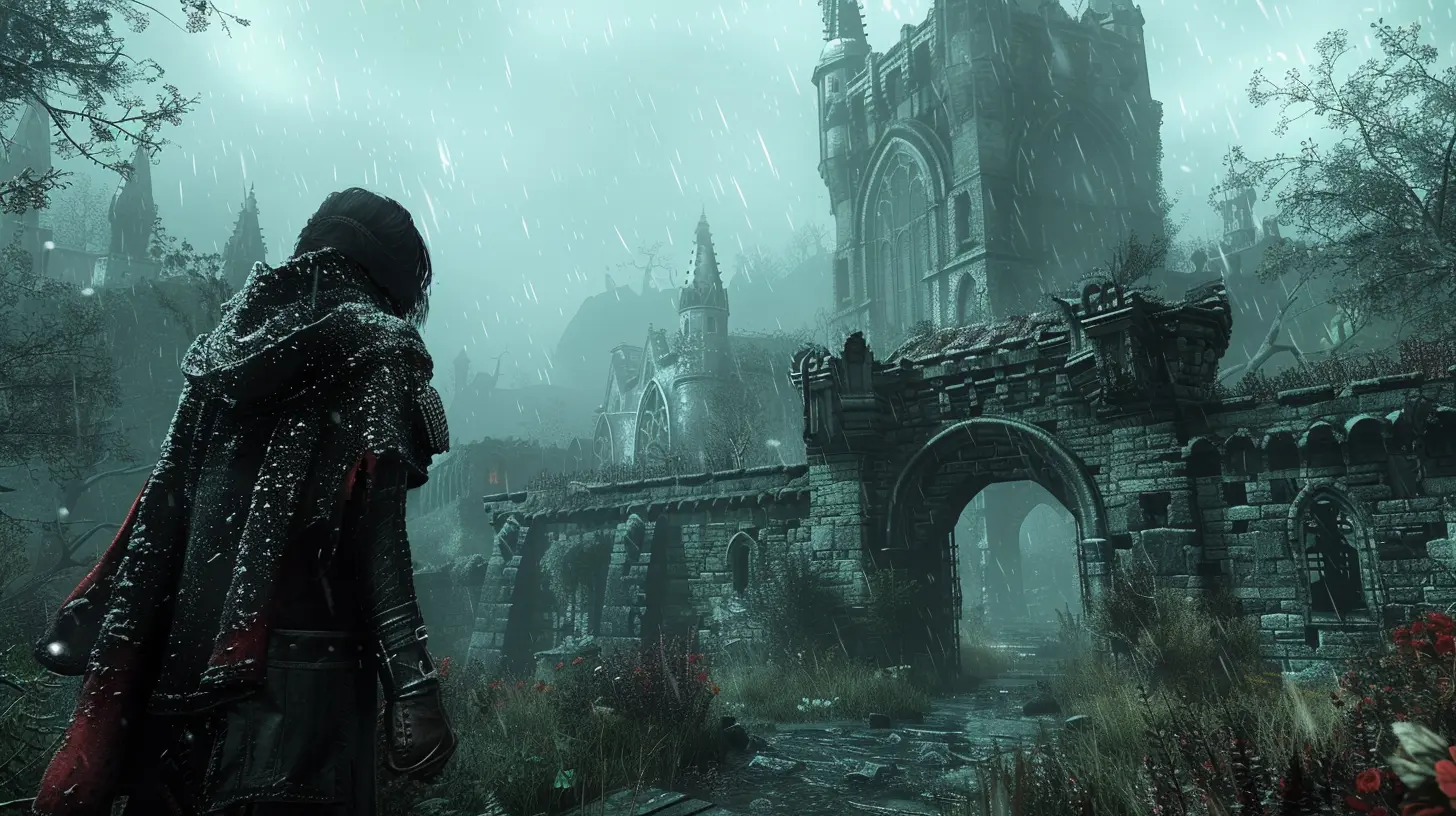
What Is Cut Content, Anyway?
Let's get the basics out of the way first. Cut content refers to any part of a game—dialogue, characters, levels, weapons, you name it—that was developed at some point but got left on the cutting room floor before release. Sometimes it's fully coded and just hidden. Other times, it's half-finished and buggy.It’s kind of like when you're cooking dinner, get a little ambitious, but decide halfway through that making that fifth side dish probably isn’t worth it. Same energy, just in video game form.
Why Does Content Get Cut?
There are a bunch of reasons content gets cut, and honestly, it's not always a bad thing. Here’s the deal:- Time Constraints: Deadlines loom, and development cycles aren’t infinite. Sometimes there just isn’t time to polish every idea.
- Budget Limitations: More content means more money. Studios sometimes have to make sacrifices to stay within budget.
- Game Balance: Some features mess with the gameplay too much. Overpowered weapons or broken mechanics? Gotta go.
- Scope Creep: Game ideas grow fast—faster than they should. Developers often have to scale things down to release something polished.
- Narrative Consistency: Not every plotline fits the final story. Deviations get scrapped for cohesion.
It’s part art, part science, and a whole lot of improvisation. Developers are constantly tweaking the experience to make it as fun (and functional) as possible.
Notable Examples of Cut Content (Straight from the Devs)
Let’s get into the juicy details. Here are some of the most fascinating pieces of cut content that developers have confirmed, explained, or even shown off.1. Half-Life 2 – The Air Exchange and Ravenholm Levels
Half-Life 2 is a masterpiece, but did you know we almost got a completely different Ravenholm? Valve cut a chunk of the game involving a massive facility called the Air Exchange, and an alternate version of Ravenholm developed by Arkane Studios.Imagine an entire part of the game where you’d explore a chemical weapon plant designed by the Combine to convert Earth’s atmosphere. It was dark, creepy, and super atmospheric. Why did they cut it? Pacing and tone. Valve wanted to avoid bogging players down.
2. Skyrim – Civil War Mechanics and Factions
Bethesda’s open-world epic is already loaded with content, but beneath the surface, there's an entirely deeper layer. Devs have revealed that the Civil War questline was supposed to be much more detailed, with full-scale battles, unique war assets, and branching outcomes.There were also cut factions like the Snow Elves and dynamic systems for city control. Sound amazing? Yeah, but implementing all that overwhelmed the game's stability. Still, modders have tried to bring a lot of it back.
3. The Legend of Zelda: Ocarina of Time – The Unicorn Fountain
This one’s pure gaming folklore. Early versions of Ocarina of Time showed off mysterious rooms like the Unicorn Fountain, a strange, ethereal place that never made it to the final build.Nintendo developers later confirmed that it was part of a planned magic upgrade system. The room was fully modeled but scrapped due to tight cartridge space. Fans still theorize its purpose to this day.
4. Grand Theft Auto V – Zombie Mode and GTA Online Heists
Rockstar had some bold ideas for GTA V. At one point, they considered adding a zombie survival mode à la Red Dead Redemption’s “Undead Nightmare.” There were remnants of this in the game files, and the devs addressed it in Q&A sessions, saying it didn’t match the tone of GTA V.On top of that, the original versions of GTA Online Heists were significantly different. More dynamic, more branching paths—but all scaled back for technical reasons.
5. Fallout: New Vegas – Legion Questlines
Obsidian developers have been open about how much content they had to scrap due to their infamous 18-month development deadline. One of the biggest losses? A deeper storyline for Caesar’s Legion.Yup, they were supposed to have unique companions, settlements, and even alternate endings. According to the dev team, they had to focus on the NCR and Yes Man paths due to resource constraints.
How Developers Reveal Cut Content
You might be wondering, “How do we even know this stuff?” Good question. Here are some common ways:Developer Interviews
Game creators often spill the beans during post-launch interviews. They’ll reflect on what worked, what didn’t, and—if we’re lucky—what had to be left behind.GDC Talks (Game Developers Conference)
These are gold mines. Developers present deep dives on their work, often showing early prototypes and unused features. It’s like getting a behind-the-scenes director’s cut.Social Media & AMA Sessions
Twitter threads, Reddit AMAs, even TikToks—devs love sharing stories with fans. Sometimes they drop concept art, screenshots, or just talk about scrapped ideas casually. Boy, do gamers eat it up.Developer Commentary Tracks
Some games include commentary tracks as part of special editions or updates. Think of it like a DVD extra. Titles like Portal and Left 4 Dead actually let you hear Valve devs talk through their design decisions, including what got cut.The Role of Modders: Bringing It Back to Life
Let’s not forget the real MVPs here—modders. The gaming community has an incredible ability to dig into game files and revive lost content. You’ll find thousands of mods that restore cut quests, locations, and mechanics.Games like The Witcher 3, Dark Souls, and Mass Effect have all seen fan-made patches and add-ons that bring cut content back in full glory. It’s like breathing life into video game ghosts.
Why Do Gamers Obsess Over Cut Content?
We’re curious creatures, let’s admit it. Part of it is FOMO (fear of missing out), but there's something cooler at play too.Cut content shows us what could’ve been. It gives us insight into the creative process. Those abandoned ideas? They’re pages from the rough draft of history’s greatest games.
Plus, it makes you feel like an insider. Knowing about that unfinished boss or that hidden dialogue tree? It’s like holding a backstage pass to the development world.
How Cut Content Inspires Future Games
Here’s the twist: not all cut content disappears forever.Sometimes, ideas that were too ambitious at the time get recycled into sequels or new IPs. Think of it as digital reincarnation. Devs are known to hang on to scrapped concepts and come back to them when the technology or timing is right.
Look at Breath of the Wild—many of its mechanics were dreamt up a long time ago but weren’t possible on older consoles. Fast forward a few years, and boom—they’re now pivotal features.
Cut Content as a Learning Tool
Let’s get real for a second—cut content isn’t just fun trivia. It tells us a lot about how games are made.Game design is hard. Developers constantly have to make trade-offs between ambition and feasibility. By looking at what gets cut, we can better understand those challenges and appreciate the final product even more.
It’s also a great education for aspiring game devs. Understanding why something was removed can teach you just as much as why something stayed.
Final Thoughts: The Allure of the Unfinished
There’s something magical about peeking behind the curtain. Knowing that a game could’ve been different—sometimes wildly different—adds depth to the experience.Cut content reminds us that video games are living, breathing works of art. They evolve, adapt, and occasionally, trim the fat. Not every idea sees the light of day, but the ones that do benefit from that tough decision-making.
So next time you’re exploring a game world and get the feeling something’s missing, you might just be right. And thanks to developers who are willing to share their stories, we get to enjoy tales of what might’ve been.
all images in this post were generated using AI tools
Category:
Game NewsAuthor:

Lucy Ross
Discussion
rate this article
2 comments
Zanya Reyes
It's fascinating to see what developers cut from games. These insights not only shed light on their creative processes but also spark curiosity about what could have been. Let's hope for more behind-the-scenes reveals in the future.
July 5, 2026 at 4:28 PM
Lucy Ross
Absolutely! It's intriguing to uncover those hidden aspects of game development. Here's to more insights ahead!
Christopher Collins
Cut content often reveals the heart of a game's vision, shedding light on creative struggles and decisions that shape the final experience we enjoy.
May 20, 2026 at 3:28 PM