Gaming Without Limits: Accessibility in VR
15 May 2026
Virtual reality has opened up new realms for gamers—transforming how we play, connect, and experience digital worlds. But here’s the big question: Is everyone truly invited?
Gaming Without Limits: Accessibility in VR isn’t just a catchy title. It's a vision. It's about making virtual reality a space where people of all abilities can dive in, play hard, and enjoy with zero compromises. And let's be honest—accessibility isn’t a “nice-to-have.” It's a must.
What Does Accessibility in VR Actually Mean?
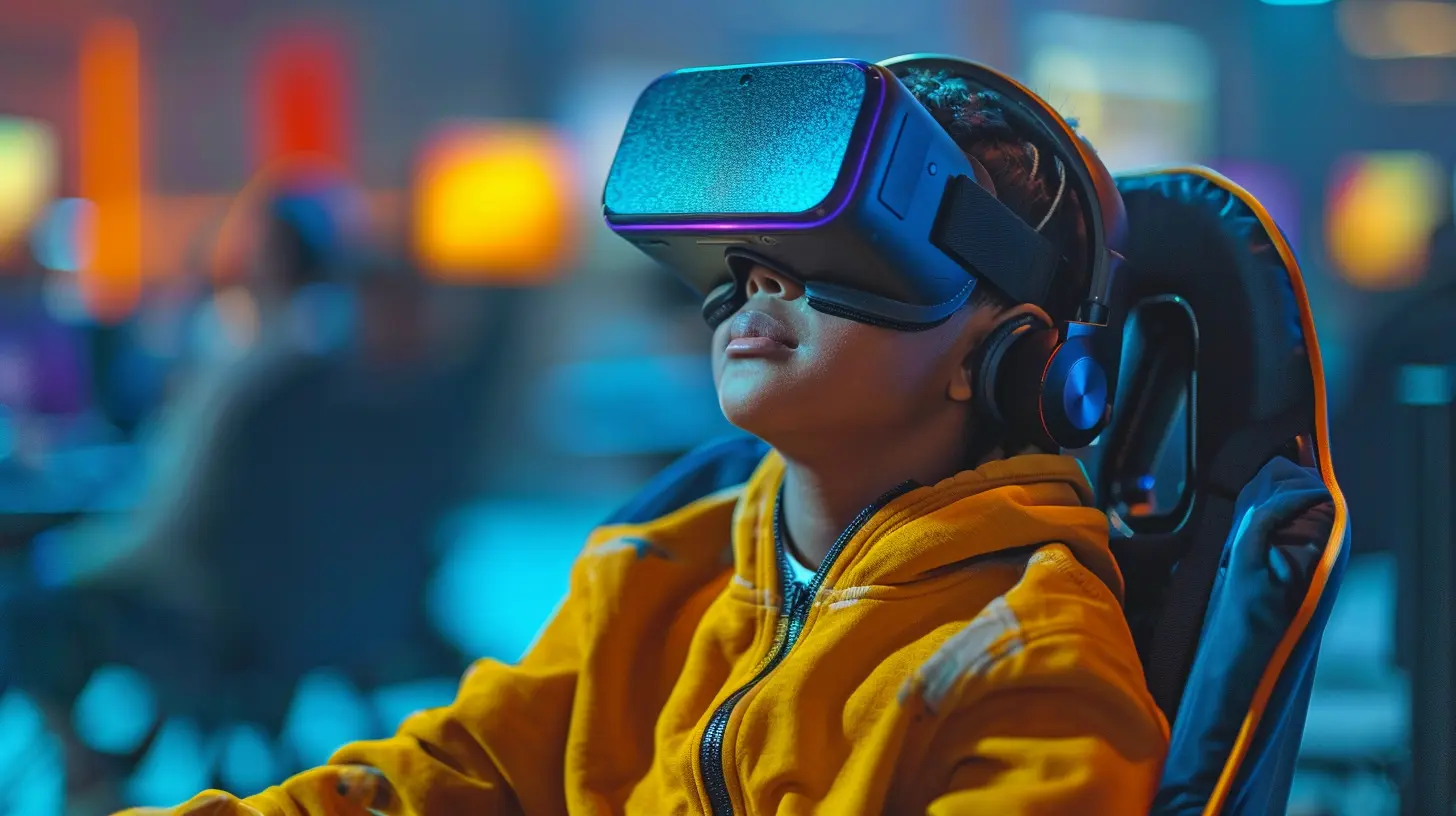
Accessibility in VR is all about ensuring that individuals—regardless of physical, sensory, or cognitive limitations—can fully engage and enjoy immersive gaming experiences. It's not just adding subtitles or bigger fonts. We're talking about control schemes for people with limited mobility, audio cues for visually impaired players, and even alternative interfaces for those who can’t use traditional VR gear.Think about it: VR is supposed to break boundaries, but if the tech itself is a barrier, then are we really breaking anything?
Why Accessibility in VR Matters More Than Ever
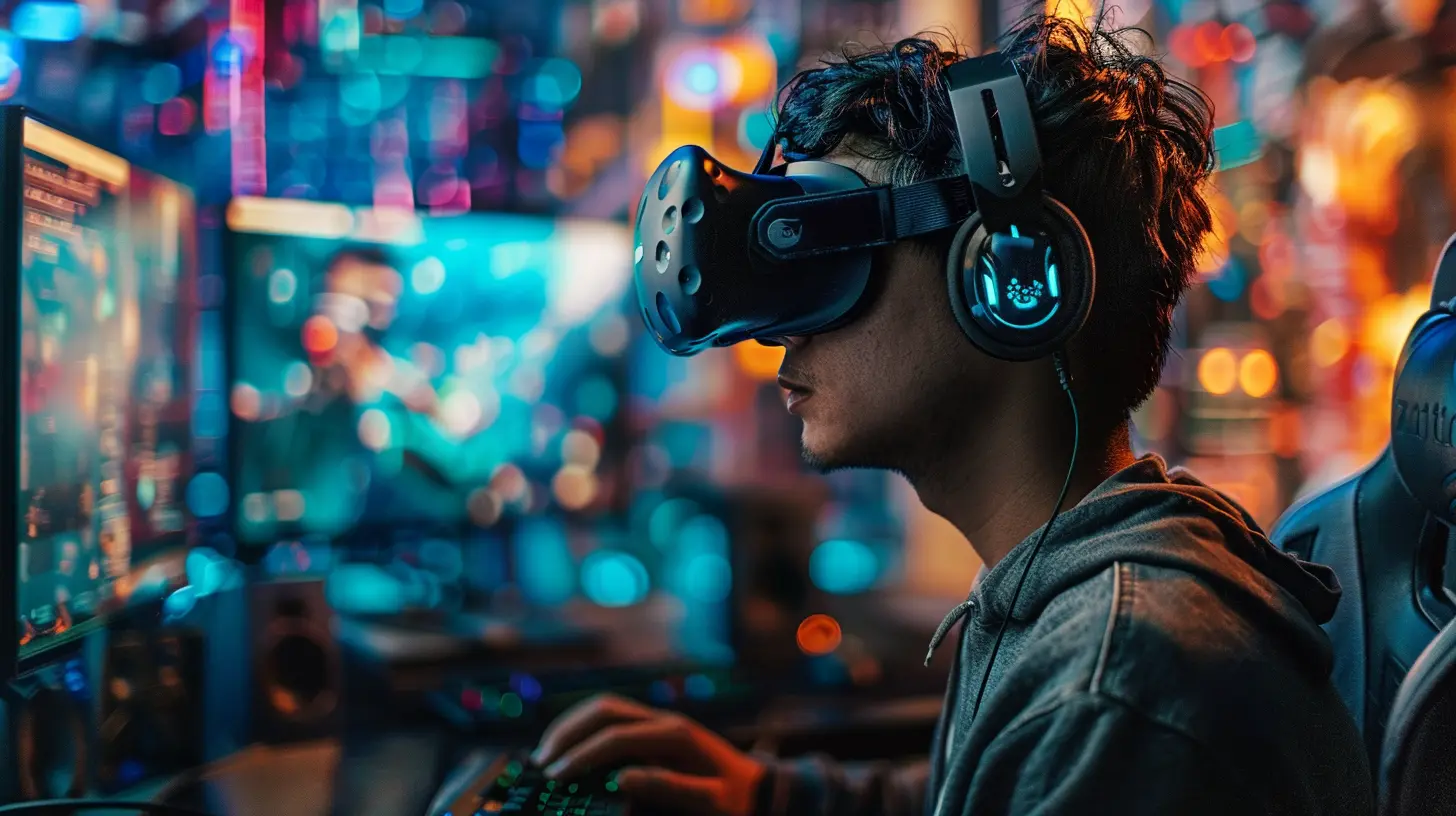
VR is growing. Fast. From AAA games to indie gems, more developers are diving deep into immersive experiences. But let’s not leave players behind just because the tech isn't inclusive.Over 1 billion people worldwide live with some form of disability. That’s a massive chunk of potential VR users just waiting for smoother access. And beyond numbers—it's about empathy, equality, and plain old fairness. Everyone deserves a seat at the digital table, right?
Imagine strapping on a headset, heart racing with excitement… only to find that the game doesn’t support your needs. That sucks. Let’s fix that.
The Biggest Challenges in VR Accessibility
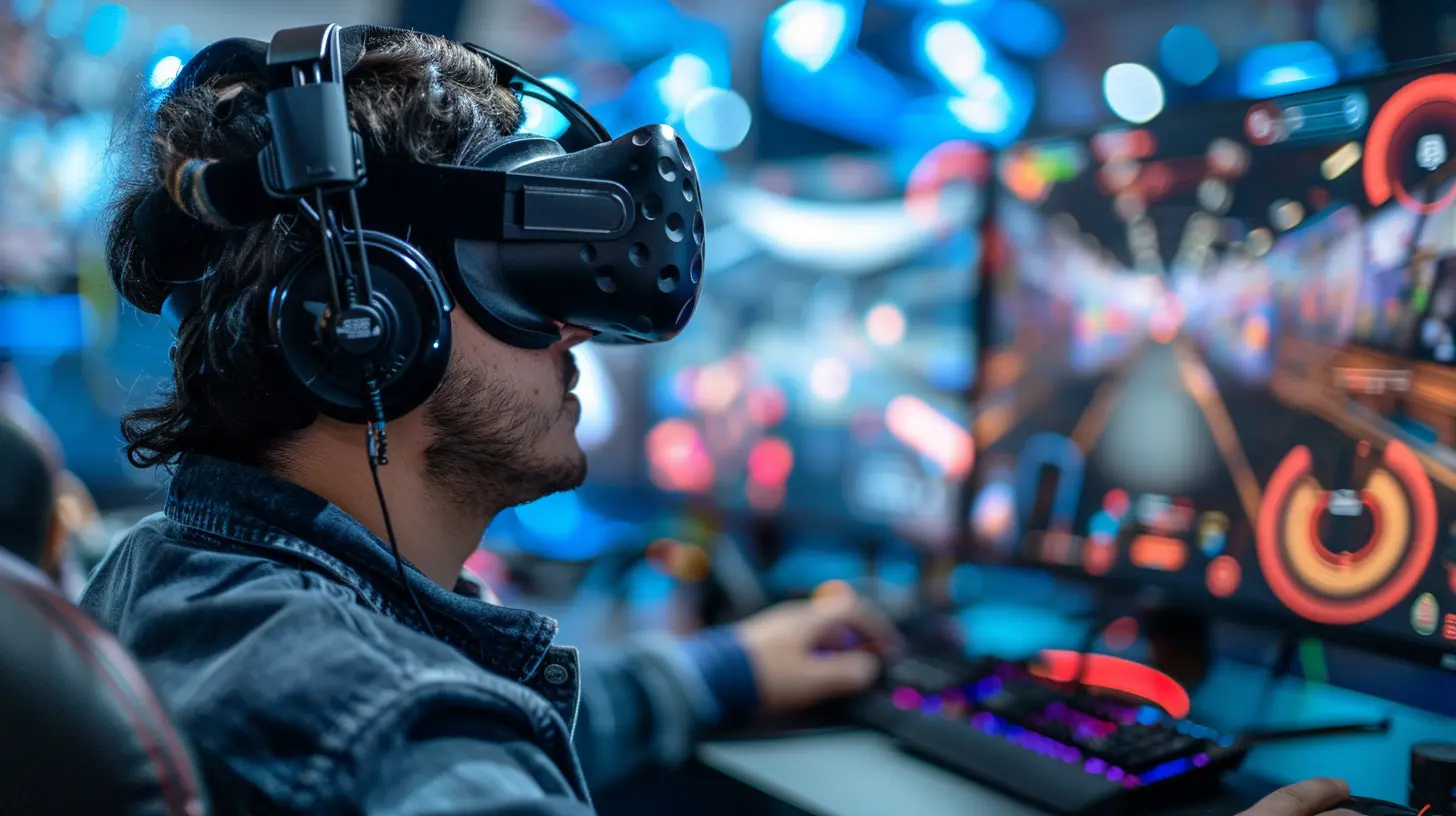
We gotta face the truth—VR can be a tricky beast when it comes to accessibility. Here's why:1. Physical Limitations
Most VR games assume you can stand, walk, jump, dodge, punch—you name it. But not everyone can. Some gamers use wheelchairs. Others have limited motor functions. For them, performing precise or repetitive movements isn’t just hard—it can be impossible.2. Visual and Auditory Impairments
Visual cues dominate VR experiences. If you're blind or suffer from low vision, navigating a 3D world becomes an uphill climb. Same goes for gamers who are deaf or hard of hearing—especially when audio is tied to gameplay mechanics.3. Cognitive and Neurological Barriers
From memory tasks to fast-paced decisions, VR games often test your brain just as much as your reflexes. For folks with cognitive disabilities or neurological conditions (think ADHD, epilepsy, or ASD), this can turn a fun escape into a frustrating maze.4. Complex Controllers and Inputs
Let’s be real—VR controllers look like something straight out of a sci-fi flick. But what if you can’t grip a controller properly? Or press multiple buttons at once? Without flexible input options, many gamers are locked out before the action even begins.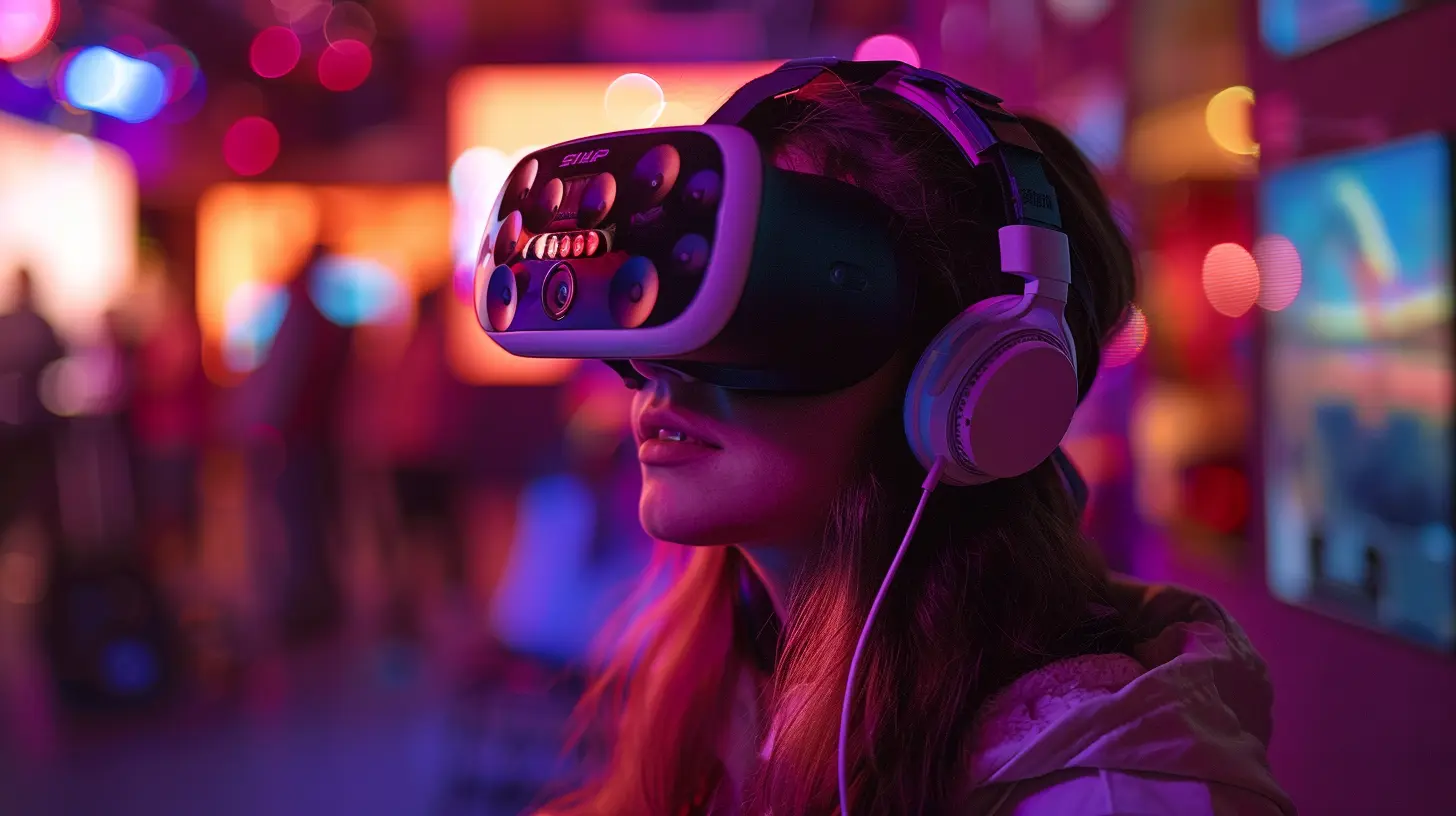
The Good News: Accessibility Solutions Are Evolving
Alright, enough with the problems—let’s talk solutions. Developers, engineers, and gamers themselves are pushing the envelope to make VR more inclusive. Here’s how.1. Seated and One-Handed Modes
Imagine playing a sword-fighting epic using just one hand—or rocking a high-octane shooter from a seated position. That’s not a dream anymore. More VR titles now offer flexible movement options, including toggles for one-handed gameplay and modes designed for players who can't stand.Games like _Half-Life: Alyx_ and _Beat Saber_? They’re already on board.
2. Voice Commands and Eye Tracking
VR tech is getting smart—like, mind-blowingly smart. Eye-tracking and voice command features are beginning to replace manual inputs, allowing players to interact using nothing but glance or speech. Talk about leveling the playing field!3. High-Contrast Visuals and Subtitles
Not everyone sees things the same way. Developers are stepping up by adding customizable HUDs, high-contrast modes, scalable text, and detailed subtitles. For players with visual or hearing impairments, these tweaks make a world of difference.4. Haptic Feedback and Audio Cues
If you can’t rely on sight or hearing, your other senses step up. That’s where haptics come in—vibrations and feedback that give players physical ‘feels’ when something happens in-game. Combined with well-placed spatial audio cues, games become far more intuitive.5. Customizable Controls
Every gamer plays differently. That’s why full control remapping is crucial. Let players assign actions to inputs that work for their bodies—whether that’s using foot pedals, adaptive controllers, or even facial movement sensors.VR Hardware Is Catching Up Too
Accessibility isn’t just about software—it’s about the gear too. We’re finally seeing hardware brands step up.The Meta Quest, for instance, now supports one-handed play and seated guardian modes. Some companies are even developing adaptive VR controllers—similar to Xbox’s Adaptive Controller—that support a wide range of input devices.
And let’s not forget tactile gloves and motion-free headsets designed for gamers with advanced mobility restrictions. The future is tactile, and it's inclusive.
The Role of Game Developers and Studios
Let’s be honest, developers are the real game-changers here. When studios bake accessibility into their design process from day one, magic happens.More devs are hiring accessibility consultants and collaborating with disabled gamers to spot issues early. This isn’t just good practice—it’s essential design. Universal access needs to be part of the vision, not just an afterthought.
And hey, accessibility doesn’t mean “less fun” or “simplified gameplay.” It means more people having fun their way.
The Power of Community and Advocacy
Gamers are passionate. And they’re not shy about speaking up.Communities like AbleGamers, SpecialEffect, and Can I Play That? are leading the charge—pushing devs to think differently, raising awareness, and offering resources for game design.
Online forums, Twitch streamers with disabilities, and YouTubers posting accessibility reviews? They’re all fueling a cultural shift where access is front and center.
Why Inclusive VR Makes Gaming Better for Everyone
Here’s the kicker: making VR more accessible doesn't only help disabled gamers. It helps everyone.Think about closed captions. Originally designed for the deaf, now they're a go-to when watching late-night Netflix. The same goes for accessible design in games. Flexible settings, intuitive controls, and sensory feedback improve the experience across the board.
Better yet? Inclusive design fuels creativity. When devs think outside the norm, they invent new ways to play—benefitting casual players, hardcore gamers, and everyone in between.
Brands Doing It Right
While the industry still has a long way to go, a few standout names are leading by example:- Owlchemy Labs (Creators of _Job Simulator_) build all their games with accessibility at the core, including seated modes and one-handed play.
- Meta (formerly Oculus) now includes accessibility settings and user-friendly calibration right out of the box.
- Sony’s PlayStation VR2 has eye-tracking tech that holds promise for gamers with limited mobility.
These brands are proving that inclusion and innovation go hand in hand.
How You (Yes, YOU) Can Support VR Accessibility
Not a developer? No worries—you still play a part.- Speak up. Let devs know what features matter.
- Support inclusive games and studios by spreading the word.
- Engage with communities advocating for accessible gaming.
- Be kind and curious. Everyone’s journey is different.
Every gamer deserves to feel seen, heard, and included. Let’s lift those voices and break those barriers—together.
The Road Ahead: A World Without Limits
Imagine a VR world where anything is possible—and everyone is welcome. No locked doors. No stiff rules. Just pure, boundless immersion.That’s the dream. And it’s not some far-off fantasy. It’s happening now, one patch, one update, one mindful design decision at a time.
So the next time you put on a headset and dive into your favorite digital universe, ask yourself: Who else should be here too?
And more importantly—how can we help get them there?
all images in this post were generated using AI tools
Category:
Virtual Reality GamesAuthor:

Lucy Ross
Discussion
rate this article
2 comments
Fern Dillon
It's encouraging to see the conversation around accessibility in VR gaining momentum. Every player deserves the chance to experience the joy of gaming, and it's heartening to know that innovations are being made to include everyone in this exciting world.
June 25, 2026 at 2:30 AM
Lucy Ross
Thanks for sharing your thoughts! It's truly vital to ensure everyone can enjoy the wonders of gaming in VR. We're making strides, and I appreciate your support.
Lena Ford
This article really highlights the incredible strides in VR accessibility. It's inspiring to see how developers are making gaming experiences more inclusive for everyone. Everyone deserves the chance to enjoy these virtual worlds, and it's exciting to think about what the future holds. Great read!
May 30, 2026 at 4:40 AM
Lucy Ross
Thank you for your thoughtful comment! I'm glad you found the article inspiring. It's great to see the push for inclusivity in VR gaming and the positive impact it can have.