How Emerging Markets Are Shaping the Future of Esports Teams
1 January 2026
If someone had told you ten years ago that esports would become a billion-dollar industry with its own rockstar players and massive fanbases, you probably would've laughed it off. Fast forward to today—esports isn’t just thriving; it’s absolutely crushing it. But here's the curveball: much of this explosive growth isn’t coming from the predictable hotspots like North America, South Korea, or Europe. Nope. The real action is stirring in emerging markets.
Think of these regions like a sleeping dragon just waking up, shaking off the dust, and letting out a massive roar. From Southeast Asia to Latin America to Africa, these markets are taking the esports scene by storm in ways that are both quirky and game-changing. So, let’s dive into how these emerging players are shaping the future of esports teams. Ready? Game on. 
The Underdogs Are Leveling Up
When you think of esports, your brain might immediately jump to South Korea’s legendary League of Legends teams or the U.S.'s dominance in games like Fortnite and Call of Duty. But let’s be honest—esports isn't some exclusive club anymore. Emerging markets are crashing the party, and they’re NOT playing by the same rulebook.Take Southeast Asia, for example. This region has turned games like Mobile Legends: Bang Bang and Free Fire into cultural phenomena. Unlike games that require expensive gear or high-end PCs, these mobile-first games lower the barrier to entry. All you really need is a smartphone—which nearly everyone has these days—and a decent internet connection (we’ll talk about that patchy Wi-Fi later).
And let’s not forget Latin America. These guys are no longer the dark horses when it comes to competitive gaming. Want proof? Just look at LOUD, Brazil's powerhouse esports team. They don’t just win championships; they build an entire ecosystem of fan engagement through TikTok, YouTube, and Instagram. Seriously, these teams are more than gamers—they’re influencers, brands, and trendsetters. 
Why Emerging Markets Are Thriving
So, what’s fueling this massive growth in emerging markets? Why are these regions suddenly on fire for competitive gaming? Well, it’s a perfect storm of affordability, accessibility, and, surprisingly, a bit of social rebellion.1. Mobile Gaming is King
Let’s face it—buying a high-end gaming PC can cost an arm, a leg, and probably your firstborn child. But mobile phones? Way more affordable. And with mobile gaming skyrocketing globally, emerging markets have found their golden ticket into esports.Popular titles like PUBG Mobile, Free Fire, and Arena of Valor have capitalized on this. These games don’t need RTX-level graphics cards or liquid cooling systems. They thrive on low-spec devices, making them perfect for regions where top-tier tech isn't commonplace.
2. The Internet Revolution
Okay, I’ll admit—reliable Internet in some parts of these emerging markets can be as elusive as a shiny Pokémon. But that’s changing. With cheaper data plans and widespread 4G adoption, access to online games has exploded.Take India as an example. After Reliance Jio disrupted the telecom market with affordable data plans, the number of gamers skyrocketed. India’s esports industry is now worth millions, proving that all it takes is a solid connection to unlock an entirely new arena of players.
3. Gaming as a Social Movement
Here’s where it gets deep. In many emerging markets, esports isn’t just about gaming—it’s a form of expression and social rebellion. Traditional career paths like medicine, law, or engineering still dominate these regions, but esports offers something different: a chance to break out of the mold and pursue something unconventional.Players are no longer just seen as “kids wasting time.” They’re being embraced as professionals, entrepreneurs, and even celebrities. This cultural shift is empowering entire communities to see gaming as a legitimate career. 
New Talent Pools Are Reviving Esports Teams
Ask any esports coach, and they'll tell you the same thing: talent is king. And guess what? Emerging markets are overflowing with it. High-energy players from Brazil, passionate competitors from the Philippines, and tactical masterminds from Turkey are writing new chapters for esports teams.Esports organizations are now actively scouting these regions for fresh talent. Think of it like the NBA draft but for gaming. Teams like Fnatic and T1 are signing players from countries that used to barely get a whisper in the competitive scene. They’re not just looking for skilled players—they want passion, hunger, and that underdog spirit.
And don’t even get me started on the fanbases. Fans in emerging markets are riding or dying for their teams. They’re the ones staying up until 3 AM to watch a live stream or spamming their favorite players with memes. These aren’t just fans; they’re die-hards, and their enthusiasm is contagious. 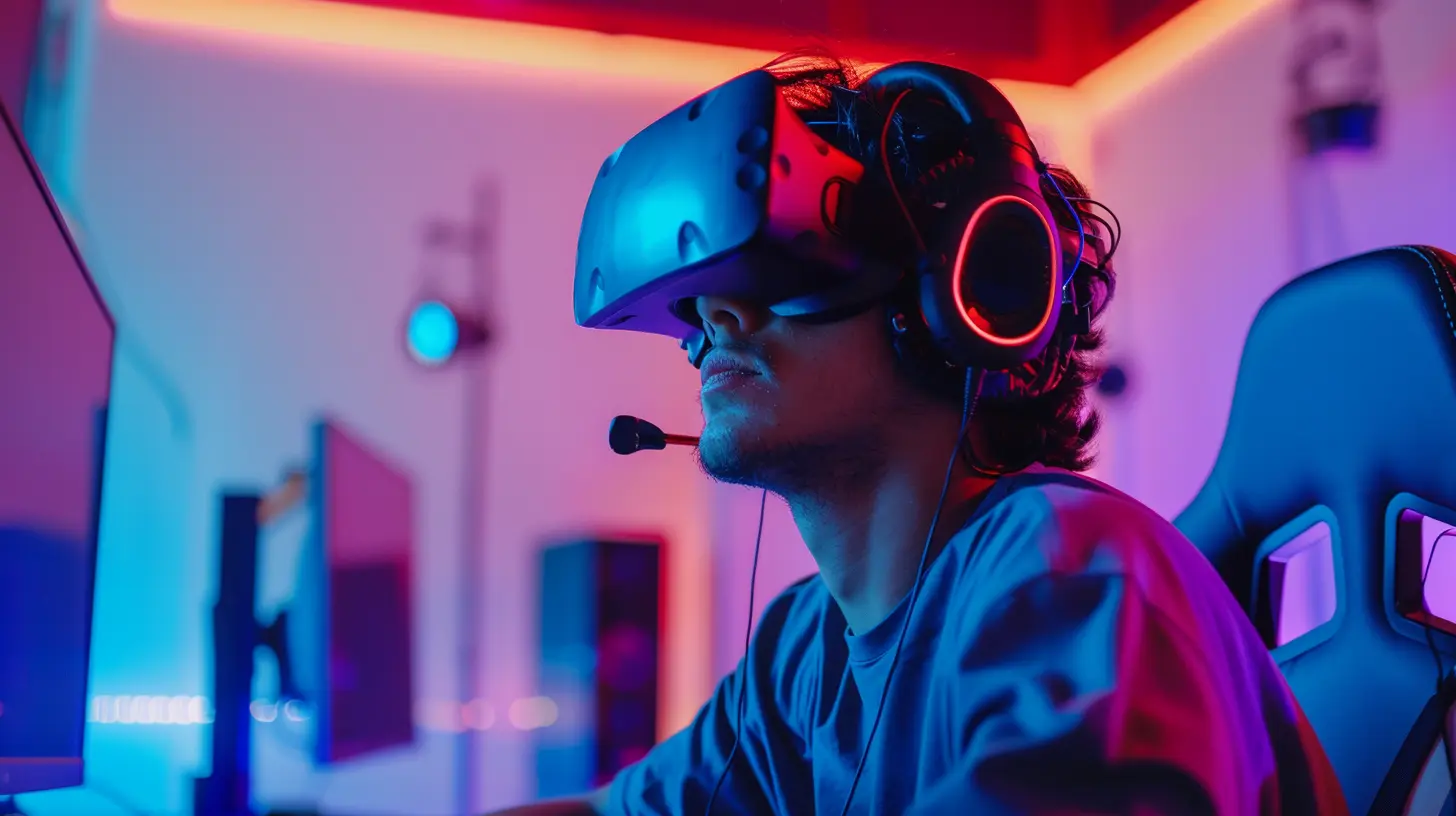
Economic Booms and Sponsorships
Esports teams live and breathe sponsorships. You see those slick jerseys covered in logos from companies like Red Bull, Intel, and Monster Energy? That’s sponsorship money, baby.Emerging markets are now attracting serious brands looking to tap into these explosive audiences. The global companies want in, but even local brands are stepping up. From telecom operators sponsoring tournaments to snack companies creating custom in-game items, the opportunities are endless.
Beyond that, entire local economies are benefiting. We’re talking tournament organizers, shoutcasters (a.k.a. esports commentators), merchandise makers, and even gaming cafes popping up everywhere. Esports is creating jobs. It’s a whole ecosystem, thriving and expanding by the day.
Challenges? Sure, But They’re Beatable
Okay, so it’s not all sunshine and rainbows. Emerging markets have their fair share of challenges, but they’re nothing that can’t be tackled.First off, infrastructure. Sure, Internet access is improving, but lag spikes can still make or break a tournament game. Investing in better servers and broadband is essential. Plus, not every gaming setup is tournament-ready. You can’t exactly compete globally if your system crashes mid-game.
Then there’s the issue of recognition. While esports is gaining respect, some governments and institutions are still dragging their feet. But hey, Rome wasn’t built in a day, right? With time, support from these stakeholders will grow.
The Future Looks Bright (And Super Competitive)
So, what does this all mean for the future of esports? Well, it’s clear that emerging markets are no longer just “catching up.” They’re flipping the rules, shaking up the meta, and making esports teams rethink their strategies.The rise of these markets is pushing the entire industry to innovate. Esports teams are becoming more inclusive, recognizing talent from every corner of the globe. Brands are getting smarter about how they tap into regional cultures. And games? They’re evolving to cater to a broader audience.
In essence, emerging markets aren’t just shaping the future—they are the future. The esports stage is getting bigger, brighter, and way more diverse. So buckle up, because this ride is just getting started.
all images in this post were generated using AI tools
Category:
Esports TeamsAuthor:

Lucy Ross
Discussion
rate this article
2 comments
Leona Bishop
Emerging markets: the future of esports greatness!
January 14, 2026 at 5:36 AM
Lucy Ross
Absolutely! Emerging markets are driving innovation and talent in esports, paving the way for a vibrant future.
Dominic McQuillen
Emerging markets drive innovation and diversity in esports teams.
January 13, 2026 at 4:30 AM
Lucy Ross
Absolutely! Emerging markets are becoming vital hubs for innovation and diversity in esports, bringing fresh perspectives and talent that enhance the global landscape of competitive gaming.