How Game Updates Can Affect Your Progress
15 August 2026
If you've been gaming for any decent amount of time, you've probably experienced the infamous "update effect" — you log in after a patch, and suddenly everything’s different. One of your favorite weapons is nerfed, a level you were grinding got completely revamped, or worst of all… your progress took a mysterious nosedive. Yeah, we’ve all been there. Game updates might sound great on paper — fresh content, bug fixes, balance changes — but they can throw a major wrench in your hard-earned progress.
Let’s dive into the quirky, frustrating, sometimes hilarious ways game updates can mess with your precious gaming journey (and why it’s not always a bad thing).
What Are Game Updates Anyway?
Before we go pointing fingers, let’s clear up what we’re dealing with. A game update is essentially a change applied to a game by its developers after it's released. These updates can be tiny bug fixes or massive overhauls with new maps, characters, game modes, and more.They're meant to improve player experience, fix glitches, patch exploits, and keep the game alive and fresh. But — and there's always a "but" — they can also totally shake up the way you play.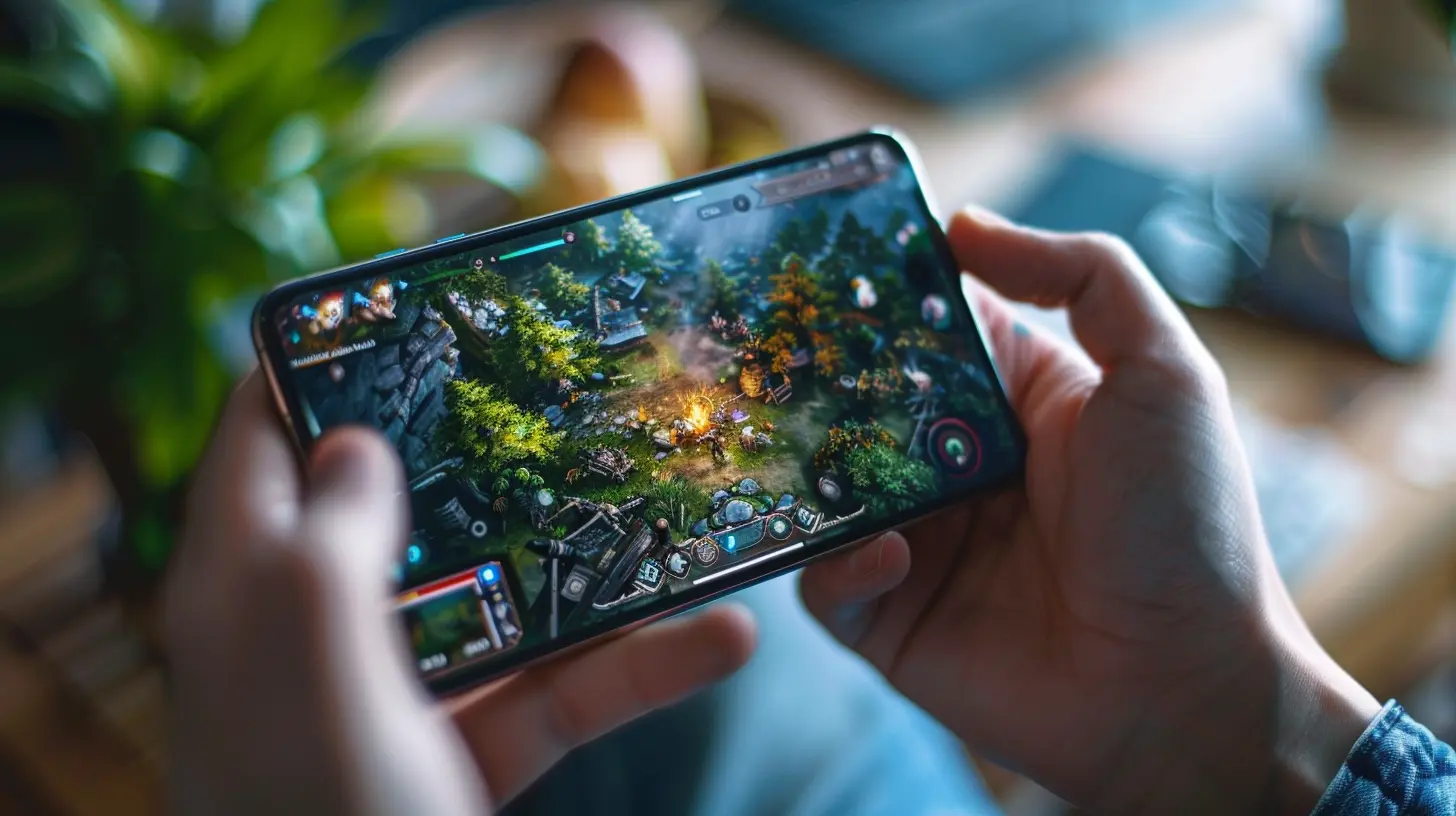
The Good, The Bad, and The Broken
Let’s be real. Not all updates are created equal. Some patches feel like Christmas morning. You log in and discover new weapons, smoother combat, bug fixes — the gaming gods have smiled down on you. Others? It's more like the gaming apocalypse.Here’s a breakdown of how these updates can affect your progress:
1. The Great Nerf Catastrophe
You know that weapon or skill you’ve spent WEEKS mastering? Yep. It just got nerfed.Game balance updates are notorious for this. Developers want to keep things fair, and that occasionally means trimming the wings of overpowered tools. While that makes sense from a dev's standpoint, to you it feels like they just took away your superpower. ?
Suddenly, your go-to strategy is useless, your favorite character feels sluggish, and it feels like you're starting from scratch. Oof.
2. Skill Trees, Stats, and Surprises
Some RPG updates shuffle around skill trees, stats, or ability systems. You log on expecting to continue your quest, and BAM — your whole build is obsolete.Imagine spending months developing a tanky warrior build, just to wake up and see it's now a glass cannon. Or that new enemies ignore armor completely. It's like showing up to a sword fight in flip-flops.
3. Map Changes That Leave You Lost
Ever felt like you woke up in a parallel universe? That’s the vibe when maps are changed in updates. Locations you memorized are gone. Secret spots have vanished. That sweet boss farm route? Ripped into oblivion.While it can be cool to see a game evolve, it’s also jarring. You might have to relearn how to get from point A to point B like you’re on your first day all over again.
4. Game Mechanics Go 404
Sometimes game mechanics get tweaked — or completely replaced. Think aiming systems, movement controls, crafting recipes, or economy changes.If you were relying heavily on a certain mechanic, you’ll feel the ground shift beneath your virtual feet. Suddenly, you're not playing the same game you invested hours into. It’s like someone moved the goalposts during your final lap.
5. Save Data & Progression Glitches
Here's the most gut-wrenching part: occasionally, updates break stuff. Like your save file. Or your in-game progress. Or that level you were 90% through.Yes, most devs test updates thoroughly, but issues can still sneak through. Rollbacks happen. Progress resets. Items vanish into the digital void. It's not personal… it's code.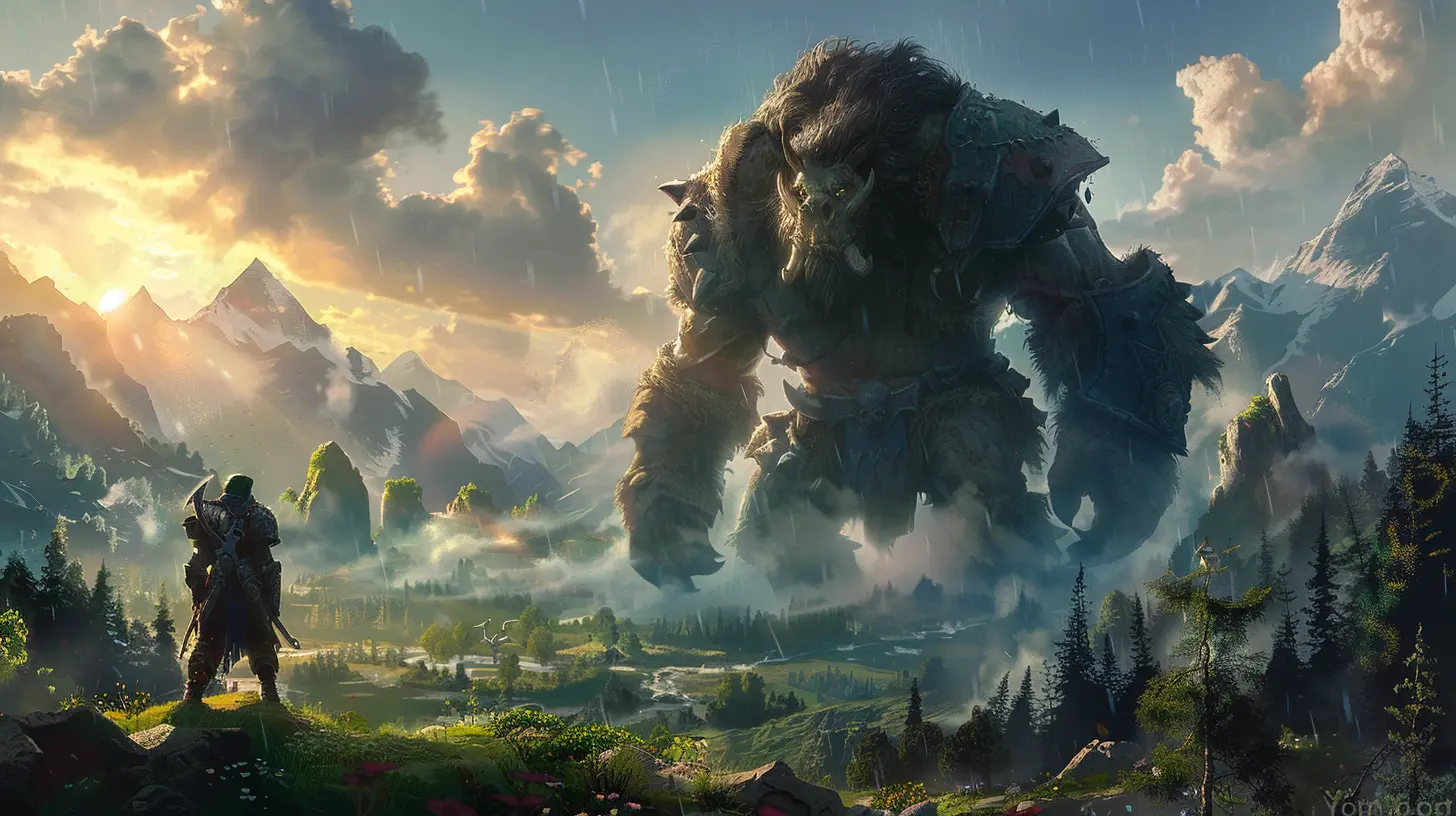
Can It Ever Be a Good Thing?
Absolutely! Not all updates are evil.Think of updates like free remodeling. Sure, the furniture’s moved and you might stub your toe for a while, but eventually, things might run smoother and look cooler.
Let’s highlight a few perks:
1. A Fresh Start (Without Actually Starting Over)
Sometimes, updates level the playing field. Newbies get a fair shot, and veterans are challenged again. It’s like hitting the refresh button without deleting everything. Variety is the spice of gaming life, after all!2. Bugs That Tripped You Up? Gone.
We’ve all screamed at the screen when an enemy phases through a wall or when a quest doesn’t register. Quality-of-life updates can finally fix those annoying issues and clear the path for smoother progress.Talk about a win.
3. New Content, New Motivation
Let’s not forget — updates often bring in new content: missions, maps, gear, and cosmetics. If you were feeling burnt out, this can give your playthrough a much-needed second wind.Updates can be a reason to reignite your love for a game you were ready to shelve.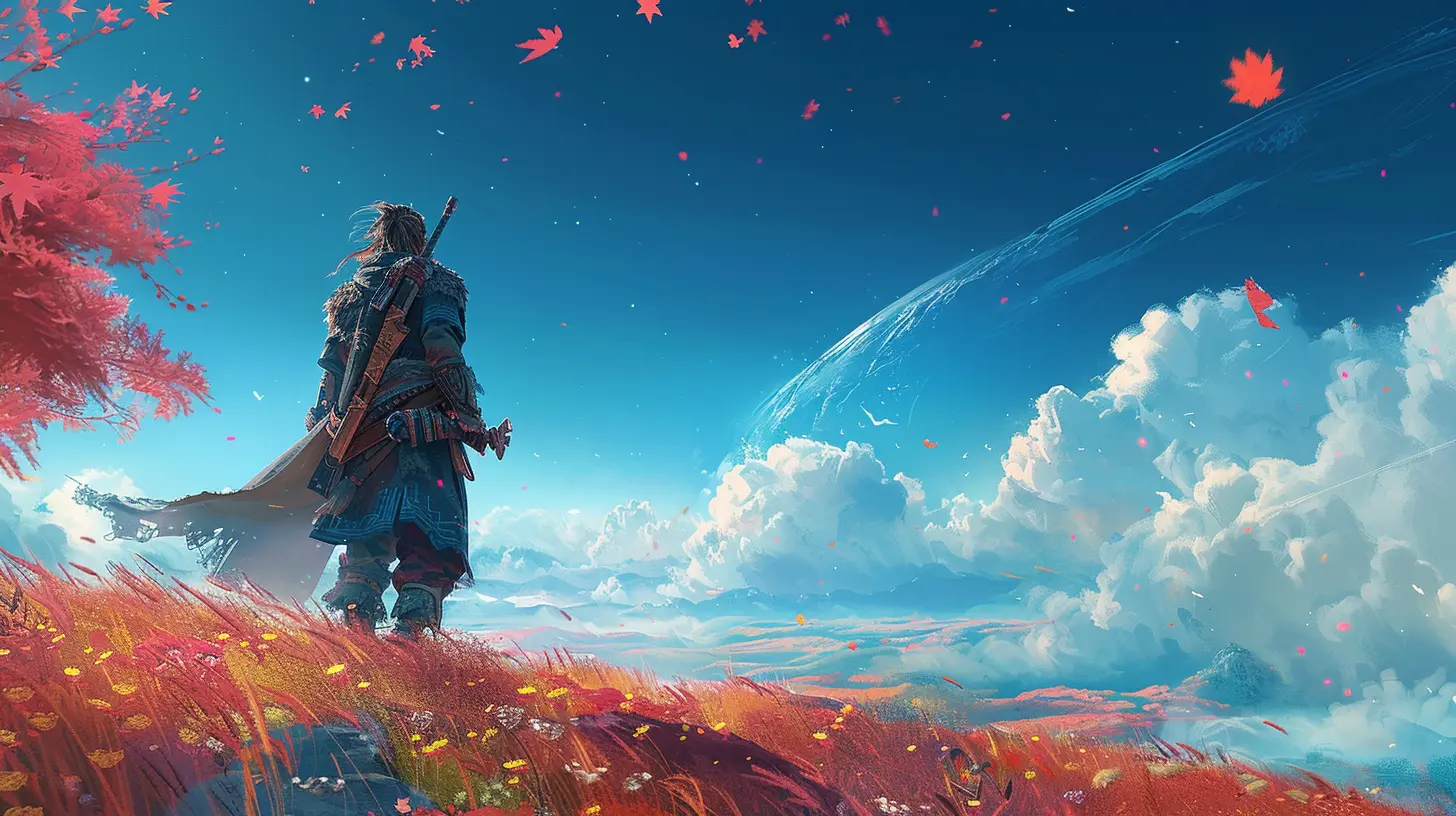
How to Prepare for Game Updates (So You Don’t Rage Quit)
Alright, so now you’re thinking: “Okay, updates can be chaotic, but how do I not lose my mind when they drop?”Here’s how to game smarter, not harder:
1. Read Patch Notes (Yes, Really)
I know, I know — they're long, and full of jargon. But those patch notes are your best friend. They’ll tell you what got buffed, what’s been nerfed, and how your game life’s about to change.Think of it as reading the weather forecast before a road trip. You might still hit a storm, but at least you’ll bring an umbrella.
2. Back Up Your Saves
Always. Seriously. Before a major update, back those babies up. Whether it’s on the cloud, your PC, or an external drive — just do it.It might save you from heartbreak if things go sideways.
3. Expect Whiplash
Go into updates knowing that things could get weird. Your build might need adjustments. Strategies might change. That’s part of the fun (and frustration).If you’re flexible, you’ll adapt faster and stay ahead of the curve.
4. Stay Connected
Join game forums, Discord servers, or subreddit communities. Players love sharing tips, tricks, and their update reactions. You’ll get ahead of the learning curve way faster with the hive mind helping out.When Should You Just Wait to Update?
Here’s a hot take: you don’t always have to update right away. Especially for single-player or offline games, waiting can be your secret weapon.Why?
- You’ll avoid initial bugs or glitches.
- Developers often hotfix problems soon after release.
- You get to see player feedback before diving in.
Sometimes, patience really is a virtue — especially when it comes to preserving your progress.
The Emotional Rollercoaster of Game Updates
Let’s not overlook the emotional side of this. You’ve poured time, effort, maybe even real money into a game. So when updates change things drastically, it can feel like a violation.You went from gaming hero to clueless rookie. That frustration’s real.
But… and it’s a big BUT… change is part of what keeps games alive. If nothing ever updated, games would get stale fast. Would you want to be stuck with the same old OP swordsman build against unchanging enemies for the rest of eternity?
Probably not.
So yeah, while the ride may get bumpy, game updates are the necessary spice that keeps the stew from boiling bland.
Final Thoughts: Embrace the Chaos (Kind of)
Game updates are like a box of chocolates — you never really know what you’re gonna get. Sometimes they mess with your progress, your builds, or your sanity. Other times, they fix everything you hated and inject new life into your favorite title.So next time your inventory gets wiped or your top-tier loadout becomes tomato-tier, take a breath. Grab a snack. Read the patch notes. And remember — every update is just another chapter in your gaming saga.
And hey, at least it's never boring.
all images in this post were generated using AI tools
Category:
Leveling UpAuthor:

Lucy Ross
Discussion
rate this article
1 comments
Thane McElhinney
Great article! It's fascinating to see how game updates can breathe new life into our favorite titles and impact our progress. Embracing these changes can lead to exciting discoveries and fresh challenges. Keep up the great work sharing insights about gaming!
August 15, 2026 at 3:11 AM