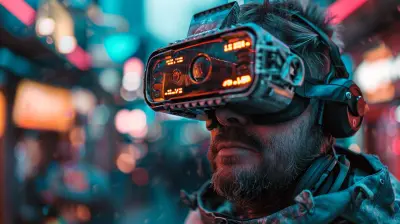
How Motion Controls Shape VR Game Design
8 August 2026
Virtual Reality (VR) gaming has come a long way from the early days of clunky headsets and awkward navigation. Today, one of the most transformative elements revolutionizing how we experience VR games is motion controls. They're not just bells and whistles—they’re the engine that drives immersion, interaction, and innovation. Without motion controls, VR would be little more than strapping a monitor to your face.
So, what exactly makes motion controls such a game-changer? How do they shape VR game design behind the scenes and inside our favorite titles? Grab your headset—or at least your curiosity—and let’s break it all down.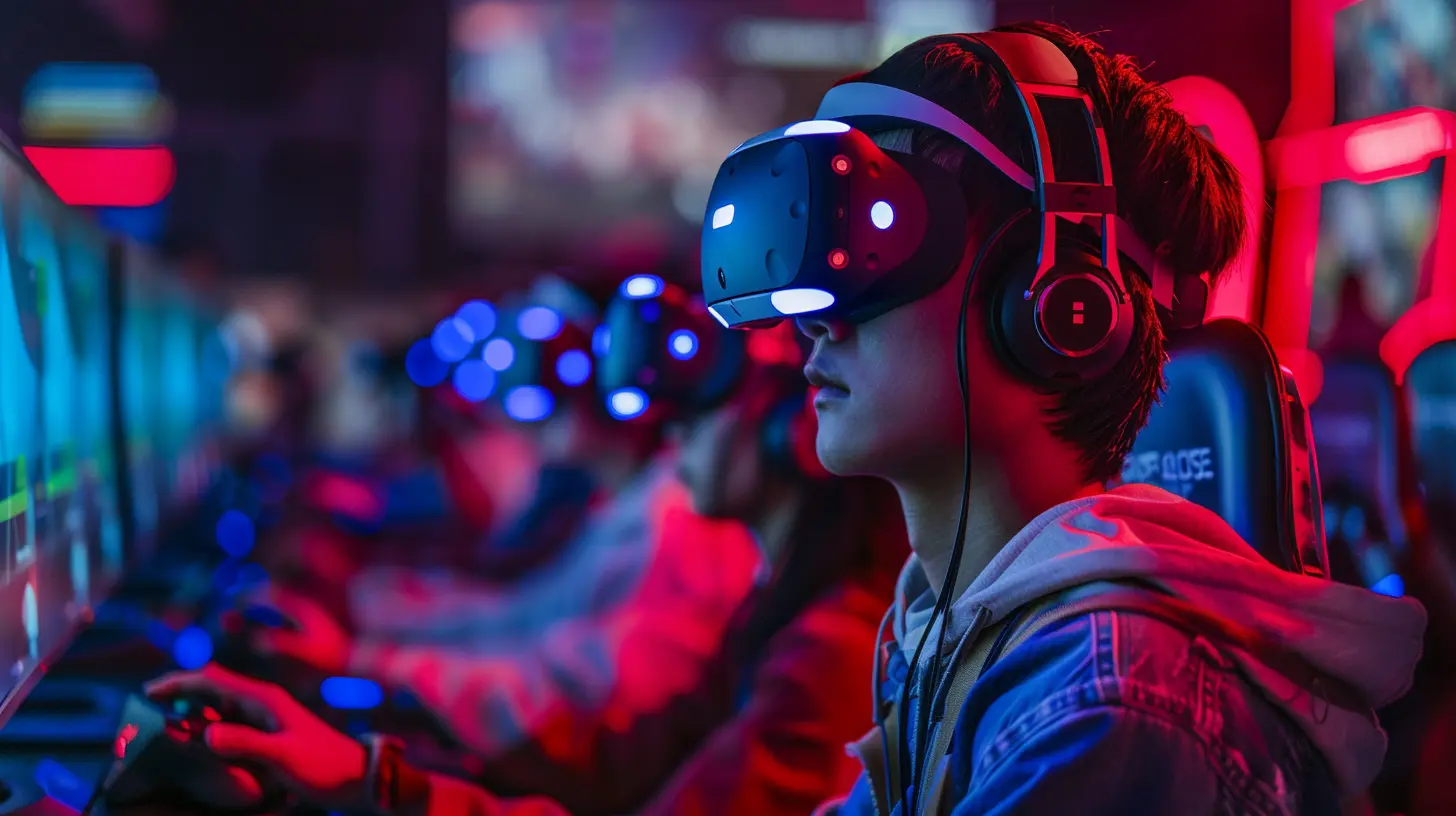
What Are Motion Controls in VR?
Let’s start with the basics. Motion controls in VR refer to hardware and software systems that track your physical movements and translate them into digital actions within a virtual environment. These movements can include everything from turning your head to swinging your arms or even walking in place.Controllers like the Oculus Touch, PlayStation Move, or Valve Index’s knuckle controllers detect hand gestures, finger movements, and even pressure. Some systems use external sensors, while others rely on inside-out tracking—cameras embedded in the headset itself.
In simpler terms? Motion controls turn you into the joystick.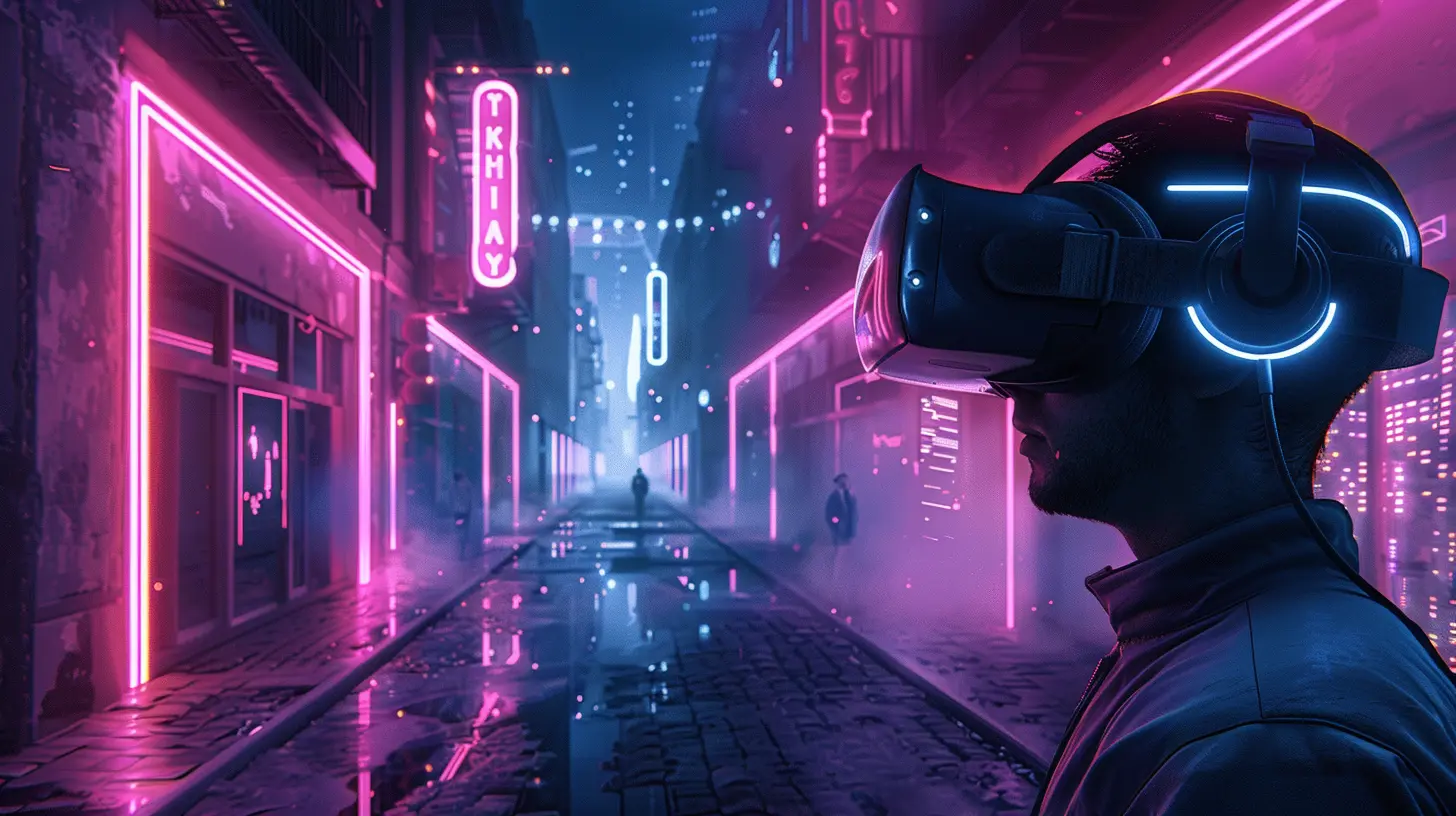
Why Motion Controls Matter in Game Design
Game design isn’t just about creating fun levels or cool characters—it’s also about how players engage with the world the developers have built. Motion controls fundamentally change that interaction.Without motion controls, your input is limited to buttons and joysticks. With motion controls? You’re slicing, climbing, aiming, throwing, punching, and even dancing—all with natural body movements. This opens up a world of new possibilities for gameplay mechanics and storytelling.
Let’s dive deeper into how motion controls shape different aspects of VR game design.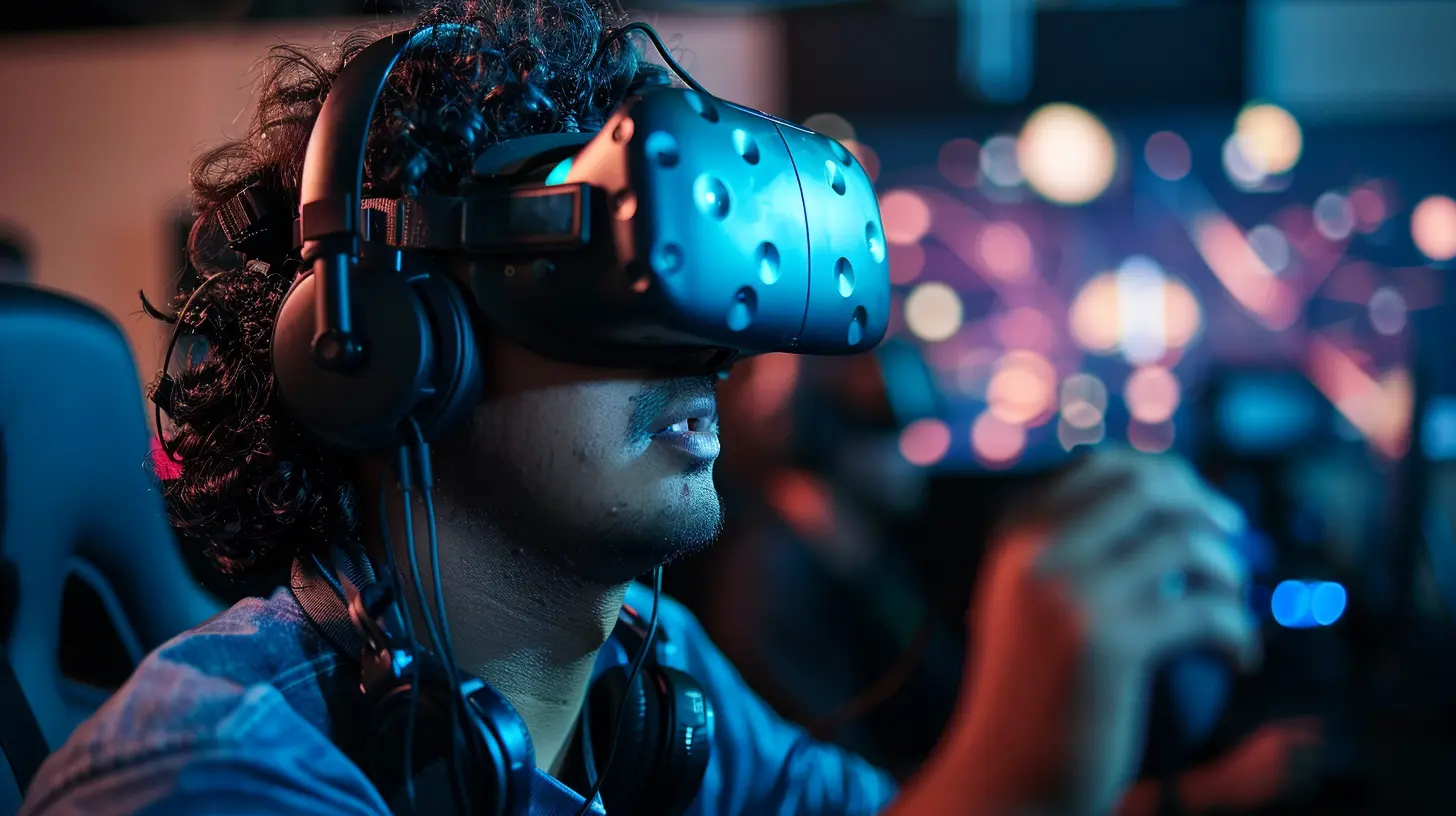
1. Boosting Immersion and Presence
Ever played a VR game and completely forgot your living room existed? That’s called “presence”—the feeling that you’re actually inside the virtual world. Motion controls are responsible for a large chunk of that magic.When your hands work just like they do in real life, your brain buys into the illusion faster. Want to pick up an object? Just reach out and grab it. Want to reload a gun? Make the exact motion of inserting a magazine. The more intuitive the controls, the less time you spend thinking about them, and the more time you spend being completely immersed.
Think about games like "Half-Life: Alyx"—every movement, from turning valve wheels to ducking for cover, feels natural and grounded. That’s not just good game design; it’s smart motion implementation.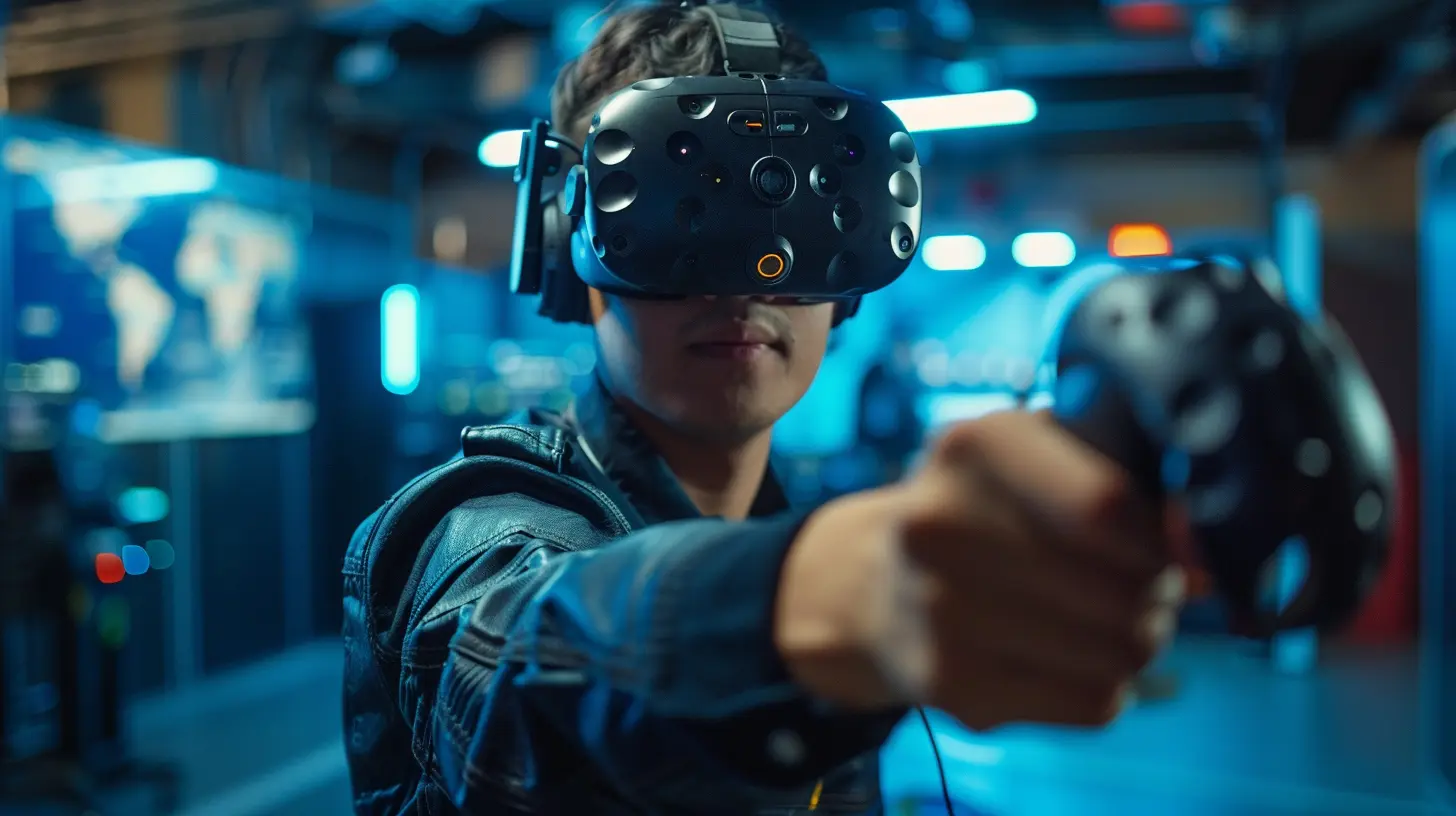
2. Redefining Game Mechanics
Traditional gameplay mechanics don’t always translate well to VR. You can’t just copy-paste a joystick shooter into VR and call it a day. Motion controls force devs to think differently—and that’s a good thing.For example:
- Puzzle games like "The Room VR" let you interact with levers, locks, and switches just like you would in real life.
- Combat games like "Blade & Sorcery" or "The Walking Dead: Saints & Sinners" rely on accuracy, timing, and body positioning for melee combat.
- Rhythm games like "Beat Saber" turn your hands into laser swords, blending music and motion into a workout.
All of these mechanics would be impossible—or at least flat and boring—without motion controls.
3. Encouraging Physical Engagement
Let’s be honest: gaming doesn’t usually scream “healthy lifestyle.” But motion-controlled VR is getting us off the couch and into action.We’re talking full-body workouts in games like:
- Supernatural and FitXR for cardio
- Thrill of the Fight for boxing
- Pistol Whip for leg-burning dodges and jumps
This shift isn’t just about burning calories—it’s also about enhancing gameplay. When your actual body is part of the game, everything feels more intense and rewarding. You’re not just playing a hero—you are the hero.
4. Raising the Bar for Accessibility and Inclusivity
Designing for motion controls also forces developers to be more inclusive. Not everyone has the same range of motion, physical ability, or space to play.Developers now include options like:
- Seated vs. standing play modes
- One-handed control schemes
- Customizable gestures or button remapping
- Adjustable play areas for smaller rooms
By building games with flexible motion input, designers make sure VR is more accessible to everyone. That’s a serious win for the gaming community.
5. Creating Unique Storytelling Opportunities
Narrative in VR is a different beast altogether. Without motion controls, you’re just a passive observer. With them? You become an active participant.Imagine this: In a traditional game, you press "X" to hand someone an item. In VR, you physically reach out, grab it, and pass it along. That changes everything.
Small gestures—
- Patting an NPC on the back
- Wiping grime off a window
- Holding hands with a virtual companion
—create emotional connections that flat-screen games can’t touch.
Games like Lone Echo and Vader Immortal weave story elements seamlessly with motion-based actions, making you feel genuinely involved in the plot. Your body becomes part of the storytelling mechanism.
6. Pushing Hardware and Software Innovation
Motion controls aren’t just shaping games—they’re shaping the tools used to make those games.With more complex gestures and interactions, developers need better engines, smarter AI, and more responsive feedback systems. Haptics technology (vibration, force feedback, etc.) is advancing quickly to keep up with the realism that motion controls demand.
This has even led to experimental hardware like:
- Full-body tracking suits
- Treadmills for infinite walking
- Facial tracking for emotional expression
All of this tech innovation spirals back into making VR games feel more natural, more believable, and more enjoyable.
7. Introducing New Challenges for Developers
Of course, it’s not all sunshine and zero-g backflips. Designing for motion controls also comes with a few hurdles:- Motion sickness: Poorly implemented movement can make players feel nauseous.
- Tracking issues: Light, space, and sensor placement can impact accuracy.
- Learning curve: Not everyone’s comfortable with complex gestures right away.
- Fatigue: Waving your arms for hours can get tiring—fast.
Good game design finds that sweet spot between realism and comfort. It keeps players engaged without overwhelming them. That’s why user testing and player feedback are more crucial in VR than in any other medium.
What's Next for Motion Controls in VR?
We’re just scratching the surface of what motion controls can do.Future trends we’re already seeing:
- AI-driven gesture recognition: More nuanced control with fewer misreads.
- Haptic gloves: Feel objects’ shape and weight in your hands.
- Eye-tracking and facial expression mapping: Letting your avatar match your real mood.
Imagine a future where you're crafting spells with precise hand motions, shaking hands with players across the world, or playing a detective who needs to read body language to solve crimes—all powered by motion controls.
The lines between physical and digital are going to blur even more.
Conclusion
Motion controls are far more than a nifty gimmick—they’re the backbone of modern VR game design. They change how we move, how we think, and how we interact within virtual worlds. From increasing immersion to enabling brand-new mechanics, motion controls are steering the future of gaming like a captain at the helm of a starship.As both hardware and software continue to evolve, the potential of motion controls in VR is only going to expand. Whether it's storytelling, combat, puzzles, or exploration, motion input makes everything more real, more fun, and more unforgettable.
So next time you pick up your VR controllers, take a second to appreciate the design magic happening behind the scenes. Because without motion controls… VR just wouldn’t be VR.
all images in this post were generated using AI tools
Category:
Virtual Reality GamesAuthor:

Lucy Ross