How Online Games Are Shaping Pop Culture
6 May 2026
Hey there, fellow gamer (or curious reader)! Ever stopped mid-game and thought, “Wow, gaming’s not just a hobby anymore—it’s literally everywhere”? If you have, you're not alone. Online gaming has gone from pixelated pastimes to full-blown cultural juggernauts. From fashion trends and language to music and even how we socialize, online games have invaded pop culture—and they're here to stay.
So, let’s hit pause on our controller and dive into how online games are shaping pop culture in surprising (and totally awesome) ways.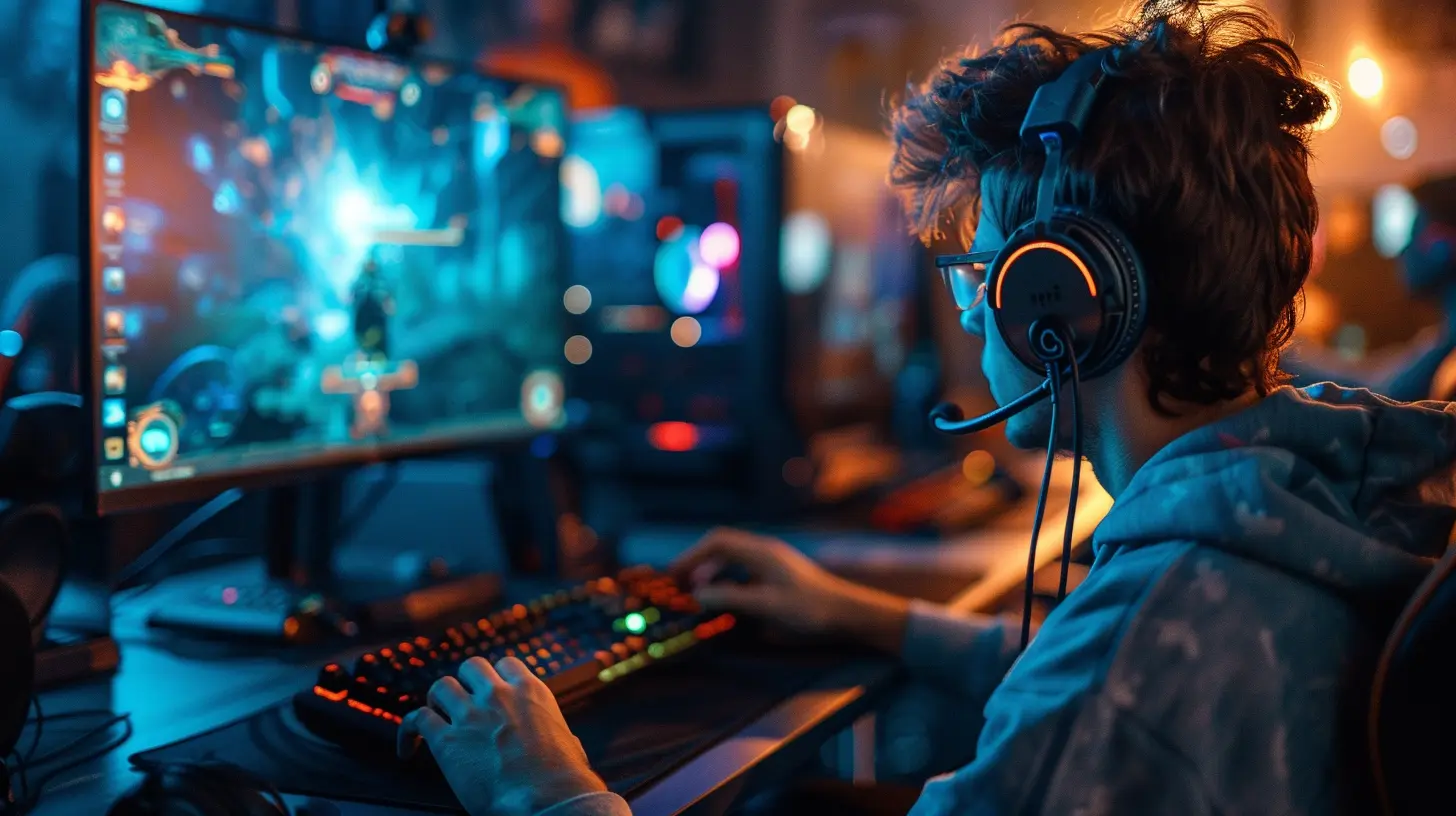
The Rise of Online Games: More Than Just Fun
Not too long ago, gaming was seen as a nerdy niche—something basement-bound teens did to avoid the real world. Fast-forward to today, and it's a billion-dollar industry influencing everything from music videos to red carpet fits. What changed?Connectivity. When games went online, they became social. No longer were you just grinding solo; now you're raiding dungeons with strangers (who slowly become your digital ride-or-dies). MMORPGs, battle royales, MOBAs—you name it—turned gaming into a shared universe.
And here's the kicker: this shift made gaming more visible. Now the world could see how passionate, creative, and culture-driving gamers were. From Twitch streams to viral YouTube montages, gaming wasn’t just a pastime anymore—it was a spectacle.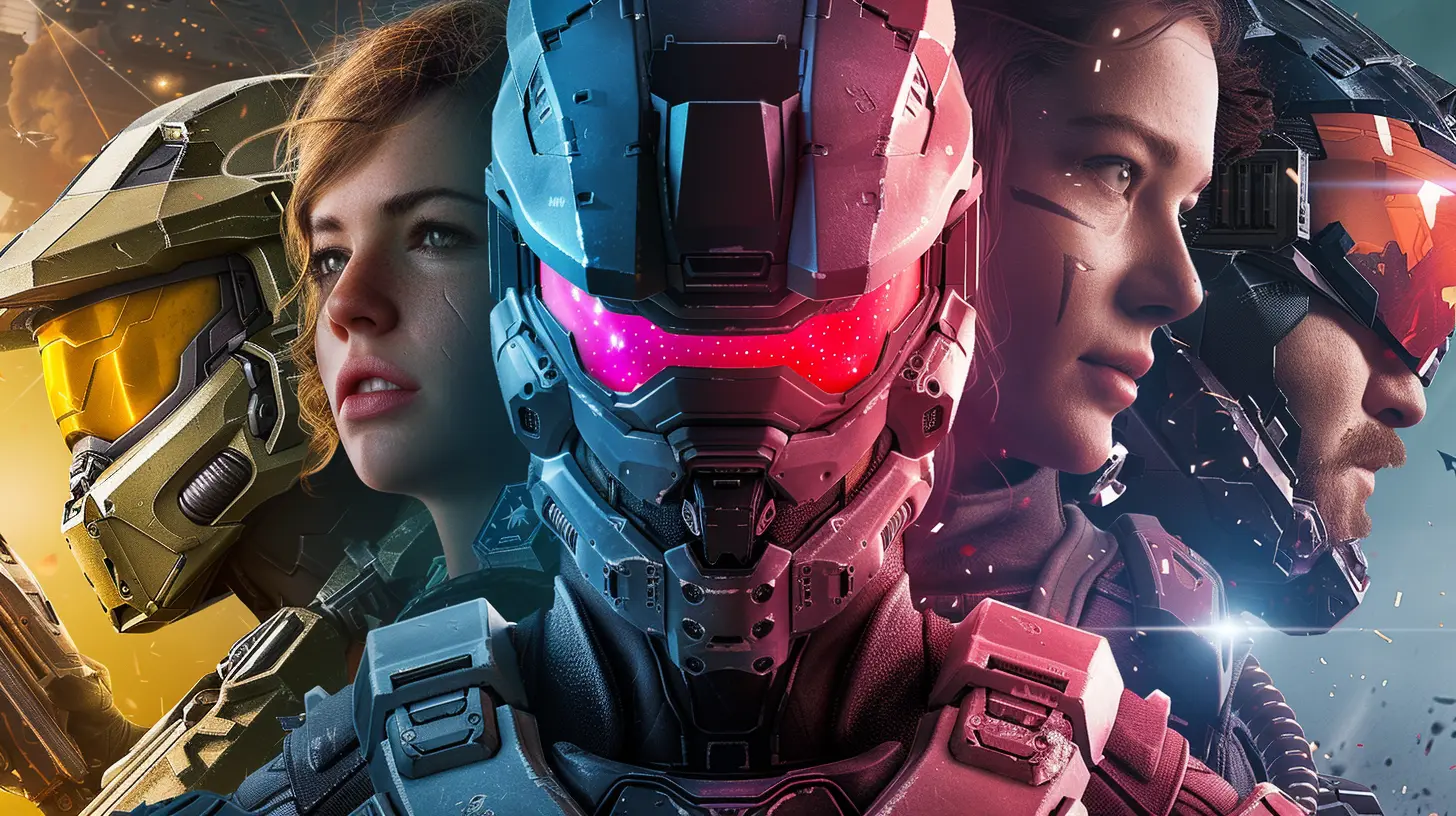
Gaming Lingo: From Inside Joke to Mainstream Speak
“GG,” “Noob,” “AFK,” “GLHF”—sound familiar? Online gamers basically have their own language, and now, everyone is speaking it.Think about it: how often do people say “level up” in business meetings? Or “that’s OP” when something’s too good? These phrases started in gaming chat boxes but now live in memes, social media captions, and even brand campaigns. It’s wild!
Gaming lingo has snuck into everyday vocabulary so seamlessly that even people who’ve never touched a controller are using it. That’s the kind of cultural power online games now wield.
Twitch, YouTube & Streaming Culture: Gaming as Entertainment
You can’t talk about online gaming without mentioning streamers. Platforms like Twitch, YouTube Gaming, and even TikTok have birthed a new kind of celebrity—the gaming influencer.These aren’t just folks good at gaming; they’re entertainers, comedians, commentators, and sometimes life coaches (have you seen how deep some streamers get during chill sessions?). Personalities like Ninja, Pokimane, and xQc have millions of fans who tune in not just for the gameplay, but for the vibes.
Now here’s where things get meta: many of these streamers become part of pop culture themselves. They’re starring in TV shows, collaborating with fashion brands, and trending on Twitter. Gaming content isn’t just consumed—it’s shared, celebrated, and memed.
Crossovers Everywhere: Games Meet Movies, Music & Fashion
Remember when Travis Scott held a virtual concert inside Fortnite? Yeah. That happened. And it wasn’t just a small gig—over 12 million people watched it live. That’s bigger than most real-world concerts!Games today are entertainment ecosystems. Fortnite, for example, isn’t just a shoot-em-up anymore. It’s a place where Ariana Grande performs, Batman and Deadpool show up, and players can wear designer skins by Balenciaga. Yep—luxury fashion in a game.
Games are no longer just crossing into other media—they're becoming the platform for other media.
Movies Are Learning from Games
Look at Uncharted, Sonic, and The Last of Us (hello, Emmy buzz!). Hollywood is finally catching up and realizing that gaming has stories worth telling. Plus, the audiences are already built-in and ready to go.Even the way movies are filmed is starting to mimic the immersive storytelling found in games. Interactive narratives? That’s gaming DNA at work.
Esports: The New-Age Sports Arena
Who would've thought ten years ago that watching people play games competitively would fill arenas? Yet here we are, with League of Legends World Championships selling out stadiums and Dota 2's The International boasting multi-million dollar prize pools.Esports is legit. It’s not just a “nerd Olympics”—it’s a full-blown, sponsor-laden, fan-crazed phenomenon.
What’s cooler is how it’s influencing traditional sports. Athletes from the NBA, NFL, and even UFC are investing in esports teams. LeBron’s son? Huge Fortnite player. So the line between sports and esports isn’t just getting blurry—it’s basically gone.
Gaming Fashion: Skins, Merch, and the Hypebeast Connection
Once upon a time, wearing gaming merch was seen as cringe. Now? It’s straight-up fire.Gaming brands have gone full fashionista. Whether it’s collabs with Adidas, Nike, or Champion, gamers are no longer hiding their hobby—they’re flaunting it. And don’t even get me started on skins in games. Digital fashion is a whole industry now!
Why spend $1,000 on a jacket IRL when your online avatar can wear something rare and exclusive? From Fortnite skins to CS:GO knife collections, looking good in-game is status—and that status carries over to real life.
Socialization: Where Friendships and Communities Are Born
Remember how we all were stuck at home during the pandemic? Online games became our digital campfires. Whether it was Among Us, Animal Crossing, or Valorant, games gave us a way to stay connected when the world felt disconnected.Games are no longer just about winning or losing. They’re about chilling, vibing, and just being. For Gen Z, they’re replacing social media. Want to catch up with your buddy? Hop into a cozy game lobby instead of texting.
And it’s not just about existing friendships—online games have sparked communities that transcend borders. Clans, guilds, Discord servers—they’re mini-cultures in their own right, each with their own norms, slang, and history.
Identity and Representation: Everyone Deserves a Controller
Back in the day, gamers were mostly represented as straight white dudes with headsets. But things are changing, and thank goodness for that.Now, we’re seeing more diverse characters, more accessible design, and more inclusive communities. Games like Apex Legends and Overwatch feature characters of different races, genders, and sexual orientations. Indie titles are leading the charge too, often telling deeply personal stories through pixels.
Representation in gaming matters, not just on-screen but in the people making the games and playing them. And as the gaming community grows more diverse, so does its influence on broader pop culture.
Memes, Mods & Machinima: User-Generated Magic
Let’s not forget the wild creativity gamers bring to the table. Seriously, some of the internet’s best memes come from the gaming world. Remember “Press F to pay respects”? Total meme gold.And then there are mods—fan-made game alterations that turn serious games into hilarious chaos (looking at you, Skyrim mods). These mods often go viral, bringing unexpected humor or creativity to the mainstream.
Machinima (movies made using game engines) used to be niche, but today, game-based storytelling is everywhere. People are making music videos in Sims 4, horror shorts in Minecraft, and cinematic trailers in GTA V. Gaming is now a creative playground.
Online Games Aren’t Just Influencing Culture—They Are Culture
At this point, it’s not even accurate to say games are influencing pop culture—they've melded into it.Games are where music is launched, slang is born, and friendships are forged. They’re shaping how we dress, how we talk, how we spend time, and even how we see the world. That's not just influence—that’s identity.
So next time someone brushes off gaming as “just a hobby,” hit them with this truth: online games are the backbone of modern pop culture. And it's only getting started.
Final Thoughts: Game On, Culture On
Whether it's a Fortnite dance breaking the internet or a streamer making headlines, online games are steering the ship of popular culture. They're not in the passenger seat—they're at the wheel.So, yeah, maybe gaming used to be just a way to kill time. But now? It’s a cultural movement, a social lifeline, and a creative supernova. And if you’re reading this, you're part of it.
So go ahead—boot up your favorite game, join that guild, drop into the next match. You're not just playing—you’re shaping the world, one pixel at a time.
all images in this post were generated using AI tools
Category:
Online GamesAuthor:

Lucy Ross
Discussion
rate this article
2 comments
Violet Thomas
Online games are more than just entertainment; they influence fashion, music, and social interactions. As gaming continues to evolve, its impact on pop culture will likely grow, shaping how we connect and express ourselves.
June 22, 2026 at 3:28 AM
Lucy Ross
Absolutely, the interplay between online gaming and pop culture is fascinating. As games evolve, they increasingly shape our styles and social dynamics, reflecting broader trends in society.
Vesperos Navarro
Games truly connect us.
May 6, 2026 at 4:41 PM
Lucy Ross
Absolutely! Games create a shared space for experiences and bonds that can last a lifetime.