How Online Games Are Used in Education Today
10 May 2026
Let’s be real—when someone says “online games,” most people instantly think of fast-paced shooters, epic fantasy battles, or competitive match-three marathons. But what if I told you that online games aren’t just about fun and competition—they’re also powerful tools quietly transforming how we learn?
Yep, it’s true! Welcome to a new era of education, where play and learning go hand-in-hand like peanut butter and jelly. Today, online games aren’t just for downtime between classes—they’re being used right in the classroom, reshaping education in ways that are both fun and surprisingly effective.
In this article, we're diving deep into how online games are used in education today, why they work, and what the future might look like.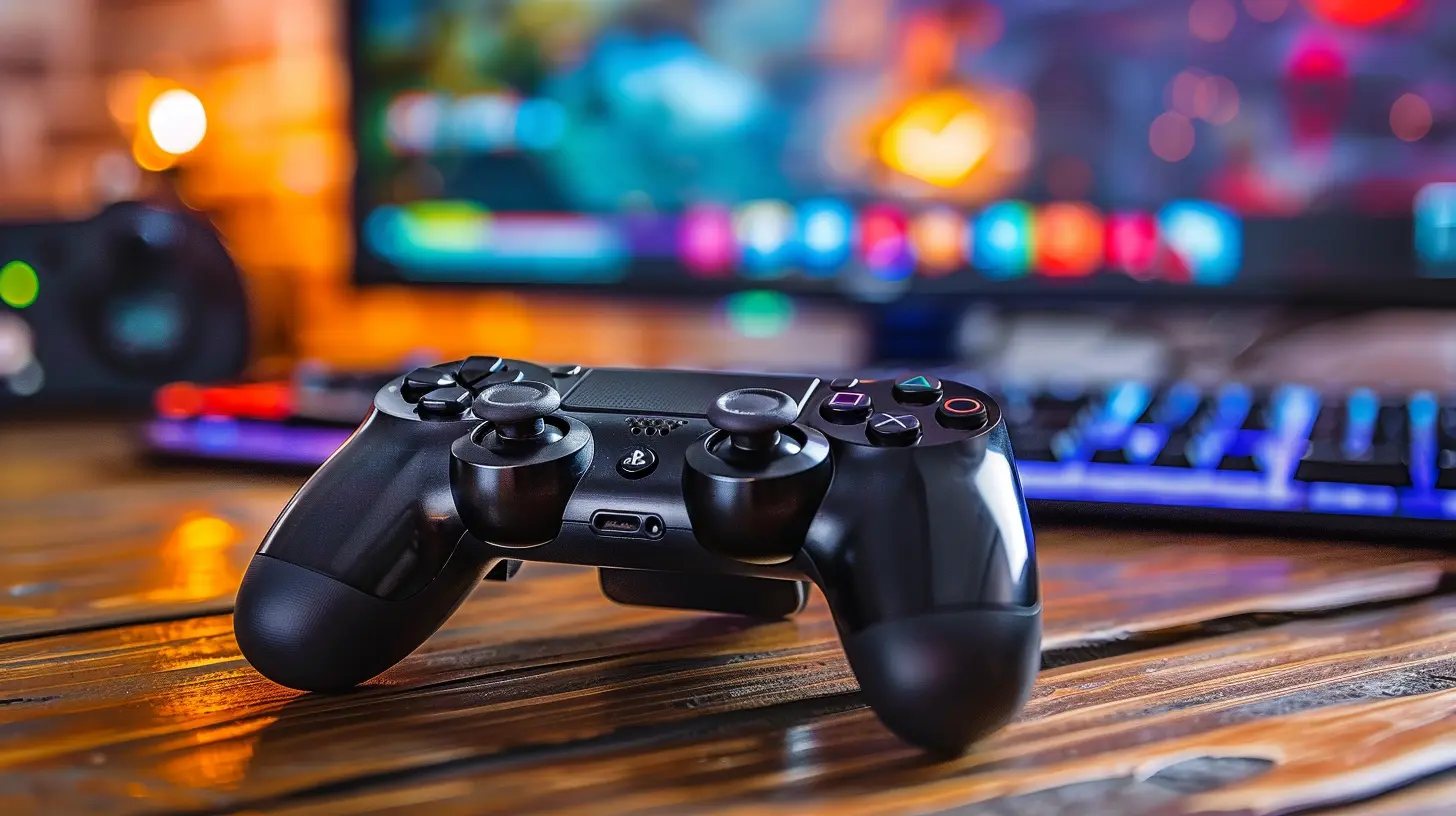
The Evolution of Learning: From Chalkboards to Joysticks
Think back to school a couple of decades ago: rows of desks, a chalkboard, and maybe a TV cart rolling in for the occasional documentary. Fast forward to now, and you've got smartboards, tablets, and yes—students learning via Minecraft.We’ve come a long way, haven’t we?
Technology has revolutionized the classroom, and online games are now playing a starring role. They’re not just time-fillers anymore—they’re tools, intentionally designed to teach everything from algebra to empathy.
And you know what’s really exciting? Kids actually want to engage with them.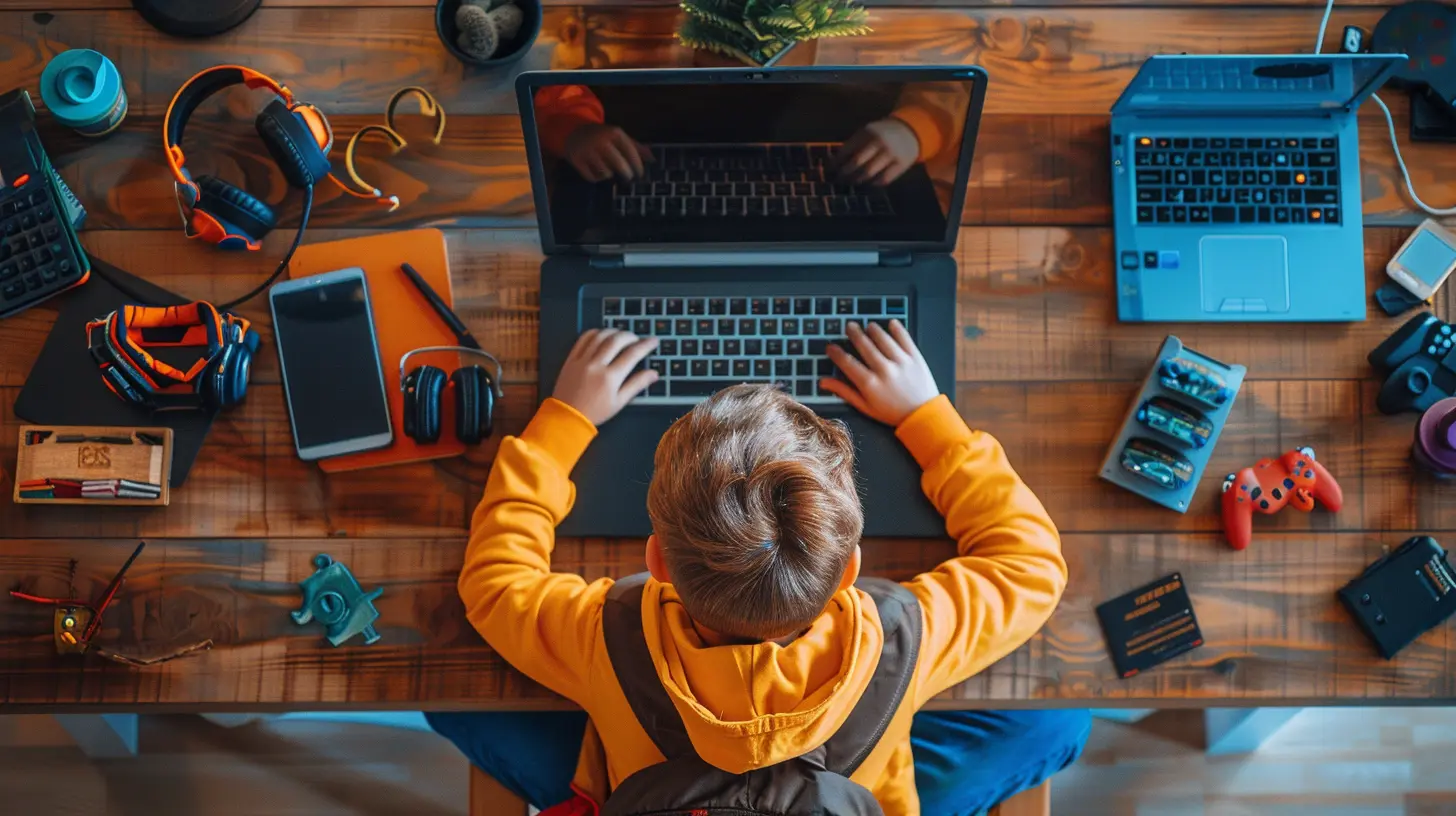
Why Games? What Makes Them So Effective in Education?
Ever wonder why it’s easier to spend three hours trying to beat a level than thirty minutes reading a textbook? It’s all about engagement.Online games tap into something powerful: active participation. Unlike passive learning methods (like listening to lectures or reading endless blocks of text), games demand interaction. You’re making choices, solving problems, learning through trial and error. And that’s where the magic happens.
Here’s why games are giving traditional methods a run for their money:
? Motivation and Engagement
Let’s face it—students are more likely to engage with content when it’s fun. Games are inherently motivating. Whether it's earning points, leveling up, or unlocking achievements, the reward systems in games keep learners coming back for more.? Active Learning Through Problem Solving
Most good online games are basically puzzles in disguise. Players are constantly analyzing situations, testing strategies, and figuring things out. This mirrors real-life problem-solving better than any worksheet can.? Personalized Learning Experience
Unlike one-size-fits-all lessons, many educational games adapt to the player’s skill level. If a student is struggling, the game might simplify tasks. If they’re excelling, it ramps up the challenge. That’s the kind of personalized touch traditional classrooms often struggle to provide.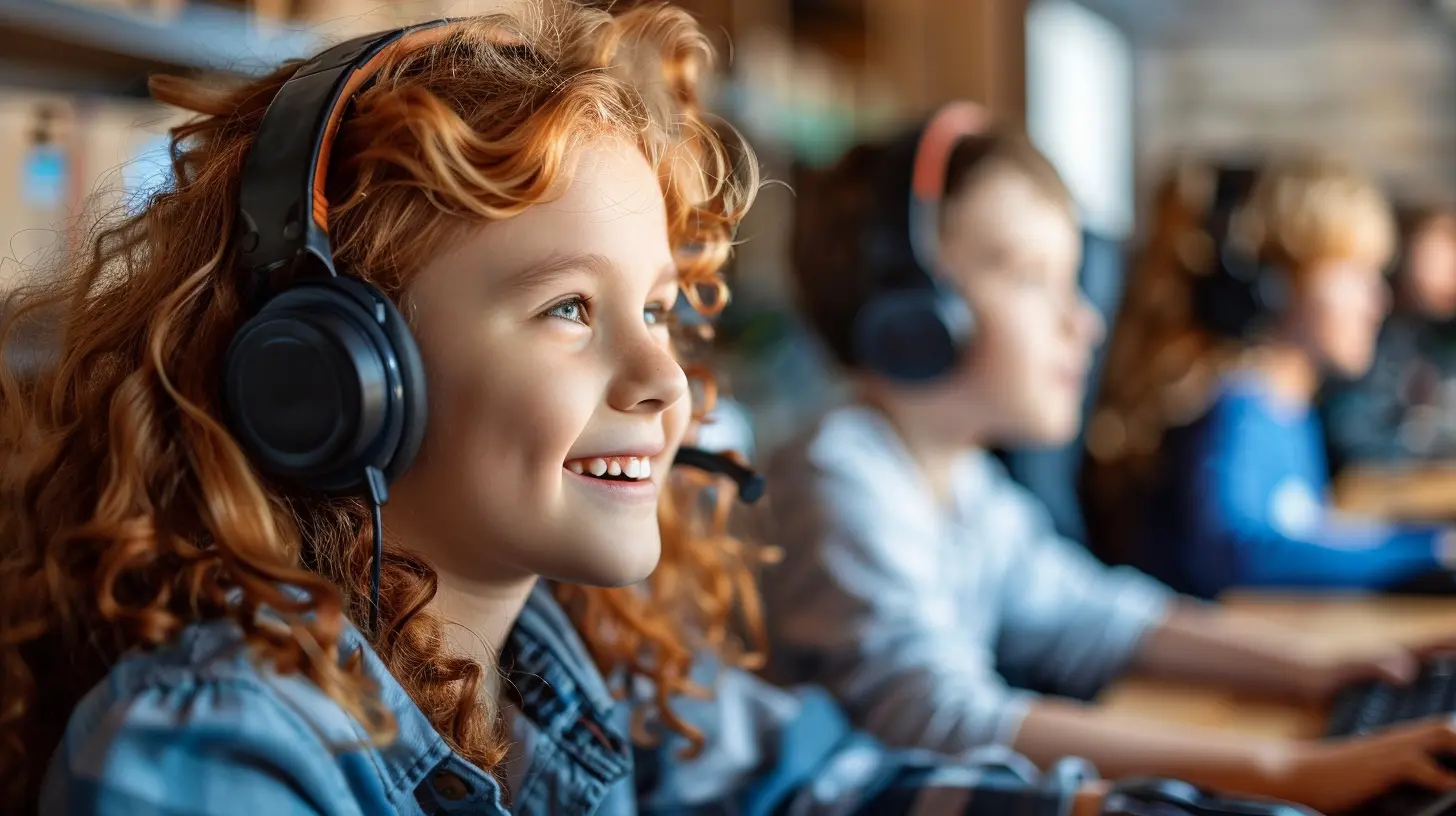
Popular Types of Educational Online Games
Not all educational games are created equal, and that’s a good thing. Depending on the subject and the learning outcome, different types of games shine brighter.? Math and Logic Games
Think of games like Prodigy Math, Number Ninja, or DragonBox. These titles turn math problems into engaging quests. Instead of boring drills, kids are fighting monsters or solving mysteries—with numbers!? Language and Literacy Games
Platforms such as Duolingo or Wordshake help users expand vocabulary and language skills through gamification. Whether you're matching words, forming sentences, or competing in spelling bees, learning feels more like play.? History and Social Studies Adventures
Games like “Mission US” put students in the shoes of historical characters, letting them live through different eras. It’s one thing to read about the Great Depression—quite another to navigate it virtually.? Science and Simulation Games
Simulation-style games like “Kerbal Space Program” or “Foldit” blend hard science with immersive gameplay. Players learn about physics, biology, or chemistry while completing missions or solving real-world scientific challenges.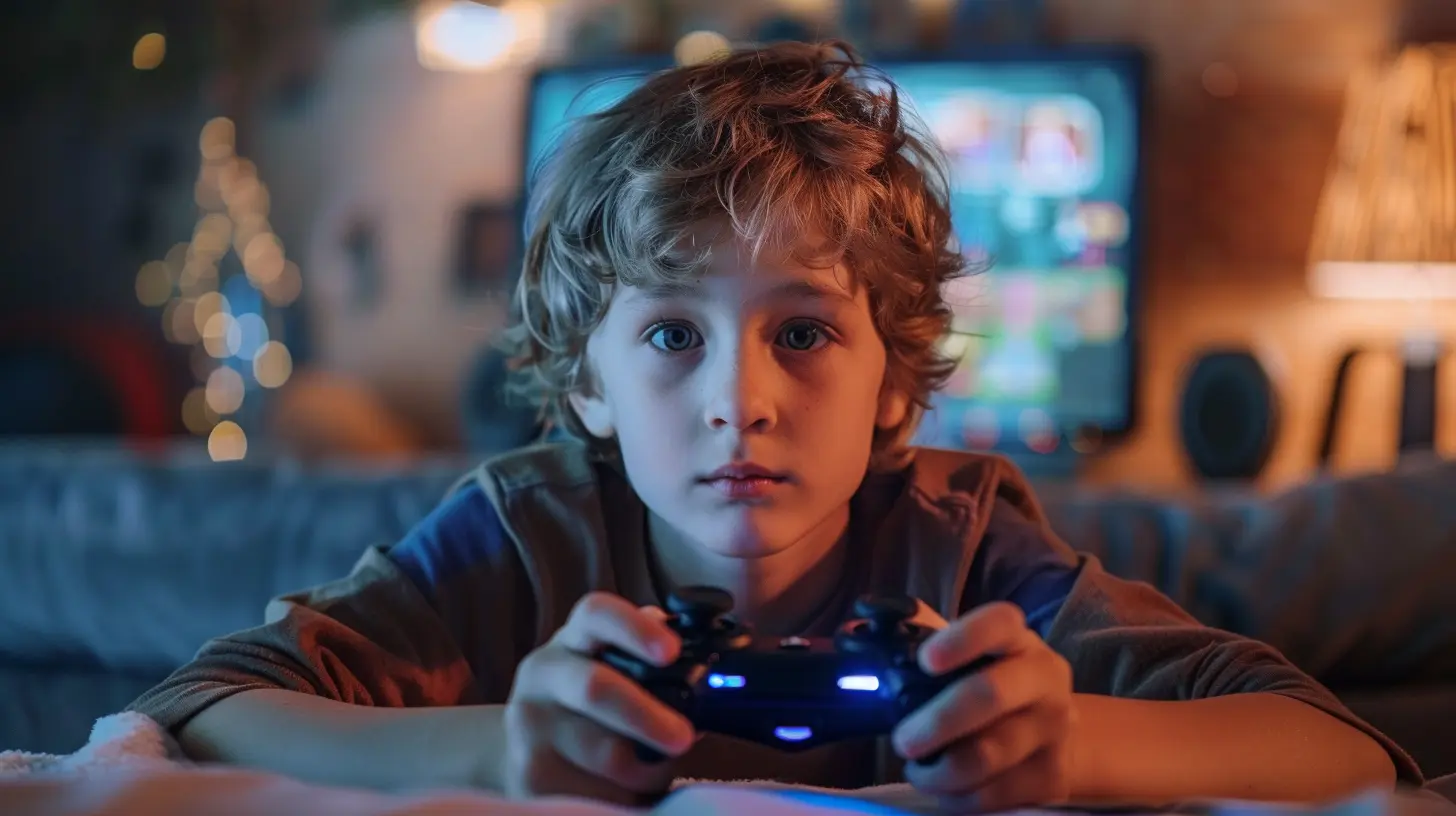
Case Study: Minecraft in the Classroom
We can’t talk about online educational games without tipping our hat to Minecraft: Education Edition.With its blocky aesthetics and open-world sandbox setup, Minecraft might not scream “learning tool” at first glance. But dig a little deeper (pun intended), and you’ll see why it’s a teacher’s secret weapon.
Here’s how it’s being used in schools:
- History Lessons: Students recreate ancient civilizations and walk through them.
- Environmental Science: Players explore ecosystems, renewable resources, and sustainability.
- Math Skills: From calculating area and volume to understanding geometry, Minecraft covers it all.
- Coding: Integrated features let students learn basic programming through block-based coding.
Minecraft turns abstract concepts into tangible experiences. It’s like taking a field trip—without leaving your seat.
Benefits Beyond the Syllabus
Online games aren’t just hitting the curriculum checkboxes—they’re helping students develop critical life skills too. Here’s a sneak peek at the bonus points they earn.? Collaboration and Teamwork
Multiplayer educational games encourage students to work together. Whether they're building a virtual bridge or running a simulated business, teamwork is essential—and it often mirrors real-world scenarios.?♀️ Emotional Intelligence and Empathy
Role-playing games can help students see life from different perspectives. Games like Never Alone (about indigenous culture) or That Dragon, Cancer (a touching narrative) teach empathy in ways a textbook simply can’t.? Patience and Perseverance
Games teach resilience. When students fail a mission or lose a level, they try again. This trial-and-error approach helps build grit—not a bad life skill to have, right?Challenges Along the Way
Alright, let’s not sugarcoat it—integrating games into education isn’t all sunshine and leaderboards. There are hurdles.⚠️ Screen Time Concerns
With kids already spending hours in front of screens, adding more for educational purposes can raise eyebrows. The key? Balance and moderation.⏳ Time and Curriculum Constraints
Teachers often struggle to find time to squeeze games into packed lesson plans. Plus, not every educational game aligns perfectly with standardized curricula.? Budget and Accessibility
Not all schools have the resources or devices needed for integrating games properly. Access gaps are very real, and they need to be addressed thoughtfully.The Future of Educational Gaming
We're just scratching the surface.As technology continues to evolve, so will educational games. The future might include:
- Virtual Reality Classrooms: Imagine putting on a VR headset and walking through the Roman Empire.
- AI-Powered Learning Paths: Games that adapt not only to your skill level—but also to your learning style.
- Global Learning Networks: Multiplayer learning platforms connecting students from around the world in real-time collaboration.
It’s an exciting time to be a learner—and a teacher!
Tips for Parents and Educators
Thinking about dipping your toes into educational gaming but not sure where to start? Here are some friendly tips:1. Start Small: Try one game aligned with your subject.
2. Test It First: Play the game yourself before assigning it to make sure it delivers value.
3. Set Clear Goals: Make sure students know what they’re supposed to learn, not just play.
4. Discuss and Reflect: After game sessions, talk about the experience. Reinforce the lessons.
Remember, it’s not about replacing traditional education—it’s about enhancing it.
Final Thoughts
Online games and education might seem like unlikely allies, but they’re proving to be quite the dynamic duo. From boosting engagement to teaching life skills, these games are moving beyond the realm of entertainment into serious educational territory.And the best part? Students are loving it. So the next time you see a kid glued to a tablet, don’t be so quick to judge—they might just be learning something incredible.
all images in this post were generated using AI tools
Category:
Online GamesAuthor:

Lucy Ross
Discussion
rate this article
2 comments
Isaiah Barnes
Great read! It's fascinating to see how online games are transforming education. Engaging students through interactive learning can make a real difference. I love the creativity and motivation these games bring to the classroom. Keep it up!
June 23, 2026 at 3:57 PM
Tenley McWain
Online games in education are a game changer. They engage students in ways traditional methods often fail to. With interactive learning and instant feedback, games can make complex subjects more accessible. However, balance is key; not every game fits every learning objective. Still, the potential is promising.
May 10, 2026 at 3:46 AM
Lucy Ross
I completely agree. Online games do offer unique engagement opportunities, making learning more interactive and fun. Finding the right balance is essential to ensure they complement educational goals effectively. The future looks bright for this approach.