How Online Games Build Problem Solving and Teamwork
23 June 2026
Let’s be honest—when most people hear “online games,” they picture teenagers glued to screens, controllers in hand, shouting into headsets. It’s easy to brush off gaming as a mindless hobby, right? But here’s the kicker: While some are chasing high scores or epic loot, they're also sharpening their brains in unexpected ways.
Online games, especially multiplayer ones, are more than just entertainment. They’re interactive puzzles, mini team-building retreats, and strategic showdowns rolled into one. In fact, many titles today are like digital boot camps for problem-solving and teamwork.
So, let’s dive headfirst into how online games are secretly turning us into better thinkers and collaborators—one match at a time.
The Brain Behind the Controller
Before we dive into teamwork and collaboration, let’s tackle the big one: problem-solving. Ever played a game where you had to find your way out of a maze? What about coordinating a raid with your guild in an MMO (Massively Multiplayer Online game)? Or maybe planning out every move in a battle royale to avoid getting eliminated?That’s not just fun—it’s brain exercise.
Real-Time Strategy: Thinking on Your Feet
Online games often put players in high-pressure situations where quick thinking is essential. You don’t get endless hours to ponder your next move. You're constantly making decisions based on new information, adapting to chaos, and planning ahead.Take games like League of Legends or Valorant. Strategy is key. You’re juggling objectives, predicting enemy moves, and adjusting your plan in real-time. That’s not mindless entertainment—that's rapid-fire problem-solving.
Puzzle Solving in Story-Driven Games
Narrative-driven online games—think Portal, The Witness, or even parts of Destiny—include puzzles that make you pause and think. You analyze patterns, test ideas, and develop creative solutions. It’s like a workout for your brain with a reward system that includes cool cutscenes or story progression.
Teamwork Makes the Dream Work
Here’s where the magic happens—teamwork. Online multiplayer games are natural habitats for collaboration. Whether it’s taking down a boss, planning a strategy, or simply surviving longer in a squad-based shooter, cooperation is absolutely essential.And spoiler alert: Communicating with your teammates in a high-stakes, fast-paced environment is basically a crash course in communication, patience, and leadership.
Communication Is Key
In team-based games, speaking clearly and listening well can be the difference between victory and defeat. Games like Among Us or Rainbow Six Siege require players to share info fast and accurately—no time for long speeches or cryptic hints.You learn to be concise, persuasive, and mindful of what your team needs at the moment. That’s communication you can take with you to school, work, or even real-life group projects.
Sharing Roles and Responsibilities
Most online games with team play are designed around specialized roles. Think tanks, healers, support, damage dealers—you name it. If someone’s slacking, everyone feels it. This structure teaches you the importance of playing your part and trusting others to do theirs.It’s like being on a sports team—you can’t win a football game if everyone tries to be the star quarterback.
Developing Leadership Skills
Not everyone wants to lead, but games provide a low-pressure environment to practice leadership. Maybe you’re calling out strategies or organizing a raid schedule. Even making quick in-game decisions for your group counts as leadership.And hey, if you mess up? Reset the game. Learn. Try again. It’s an encouraging way to grow.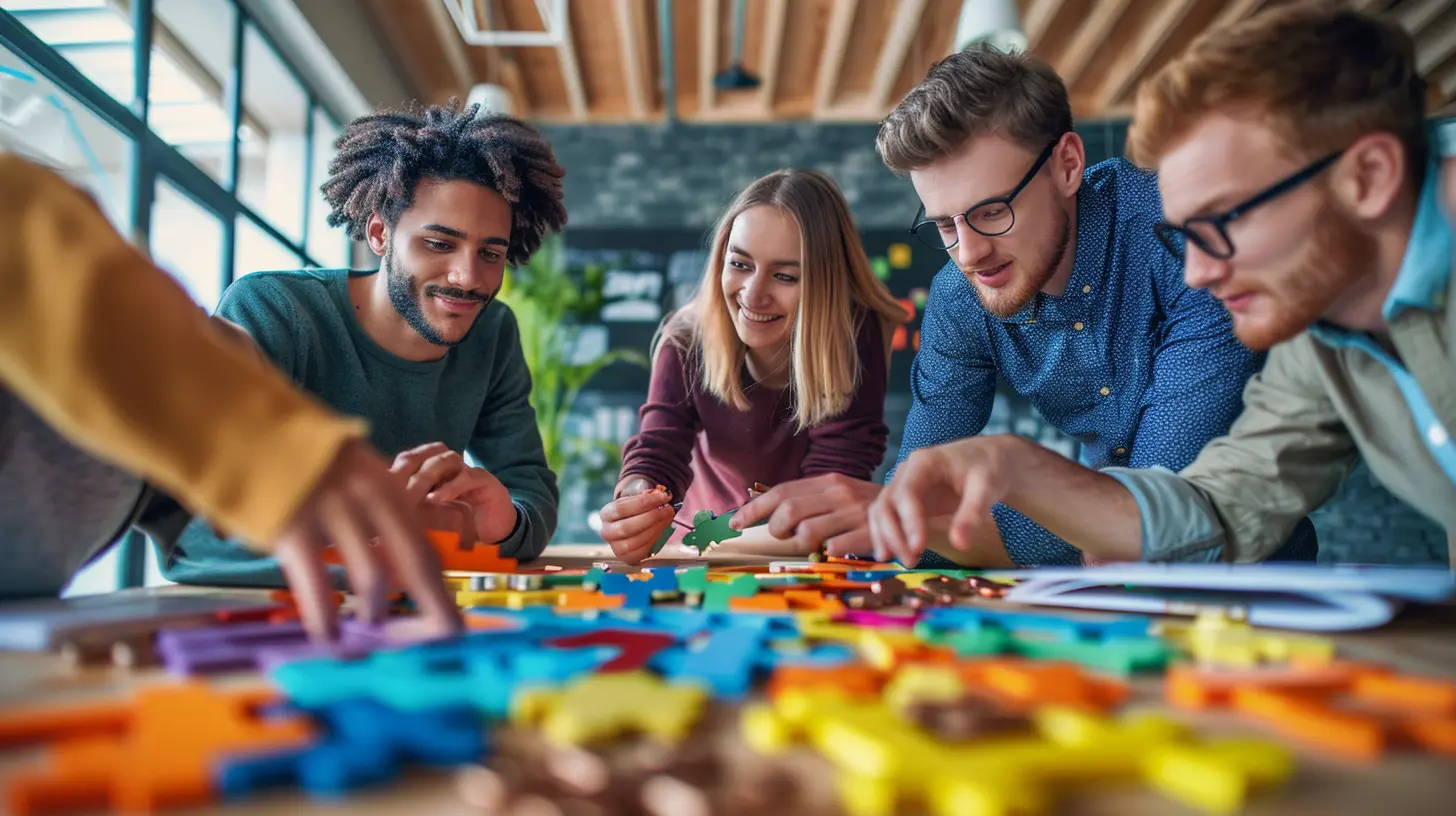
Solving Conflicts Without Rage Quits
Let’s not pretend every match goes smoothly. Teammates make mistakes. People argue. Lag happens (ugh).But these challenges also teach conflict resolution. You learn how to stay calm, give constructive feedback, and most importantly—how not to take things personally.
In cooperative or competitive settings, disagreements pop up often. Learning to navigate them in a digital space gives you a head start in handling real-world conflicts.
Critical Thinking and Decision Making
Every in-game choice has a ripple effect. Should you push forward or retreat? Trust your teammate's call or go with your gut? Invest in new gear or save resources?These aren’t life-or-death decisions, but they do mimic real-world choices. Over time, you get better at weighing options, anticipating outcomes, and adjusting based on results.
It’s like practicing chess, but with explosions, swords, and hilarious voice chat in the background.
Online Games Build Social Connections That Strengthen Teamwork
Let’s face it—making friends as an adult can be tough. Online games open the door to building new social connections around shared interests. And those connections can lead to some incredible team dynamics.When you play often with the same group, you begin to understand your teammates’ playstyles and communication methods. You develop synergy. You joke, strategize, and grow together. You build a bond not unlike coworkers who collaborate on tight deadlines.
And in many communities, mentorships naturally form. Experienced players guide newcomers, passing along strategies and helping them improve. That’s teamwork in action—and empathy in motion.
Gamification of Skills: Why it Works
Gamification, or the idea of applying game mechanics to non-game activities, thrives in online gaming environments. You’re rewarded for progress, motivated to level up, and constantly receive feedback. These mechanics make learning feel like play.But here’s the twist—many of the “skills” being gamified are real-world applicable:
- Decision-making
- Communication
- Strategic planning
- Emotional regulation
Games make honing those skills addictive (in a good way). You’re not forced to learn; you’re excited to.
Not All Games Are Created Equal
Not every online game teaches valuable lessons. Some are better than others when it comes to building these mental muscles. Here are a few genres and games that tend to encourage problem-solving and teamwork:- MMORPGs like World of Warcraft or Final Fantasy XIV: perfect for role-based teamwork and strategic coordination.
- Battle Royale games like Fortnite or Apex Legends: great for communication, quick thinking, and decision-making.
- Strategy games like StarCraft II or Total War: ideal for long-term planning and critical thinking.
- Puzzle and co-op games like It Takes Two or Keep Talking and Nobody Explodes: best for communication under pressure and collaboration.
Choose wisely. And maybe stay away from the ultra-toxic communities. They’re out there, but they’re not the majority.
The Unexpected Benefits in Real Life
So how does all this virtual problem-solving and teamwork spill into your day-to-day? Let’s break it down:- You become better at working in groups, whether in school, university, or at work.
- You learn to stay calm under pressure and think logically—helpful during exams or job interviews.
- You improve your ability to communicate clearly, especially in stressful situations.
- You develop leadership qualities without needing a fancy title or corner office.
These are skills employers, teachers, and even friends and family notice and value.
Parents and Educators—Take Note!
If you’re a parent or teacher reading this, you might be wondering: “Should I encourage online gaming?” The answer is—within limits—yes.When guided properly, gaming can be more than a pastime. It becomes a developmental tool. Set boundaries. Choose age-appropriate games. Monitor screen time. But also, don’t ignore the genuine benefits of strategic play and online collaboration.
In fact, some schools and organizations now use gamified learning platforms to teach teamwork and problem-solving explicitly. That’s how powerful the model is.
Final Thoughts: More Than Just a Game
Online games are often painted with a broad brush—too addictive, a waste of time, or just noise. But dig a little deeper, and you’ll find a unique space where people from all walks of life develop meaningful skills.Think of gaming as a virtual playground where players aren’t just competing—they're learning, adapting, leading, and collaborating.
So next time someone says, “You’ll rot your brain with those video games,” you can smile and say, “Actually, I’m building it.”
Game on.
all images in this post were generated using AI tools
Category:
Online GamesAuthor:

Lucy Ross
Discussion
rate this article
1 comments
Pamela Sawyer
While online games undeniably foster teamwork and enhance problem-solving skills, it's essential not to overlook the nuanced dynamics at play. Not all players collaborate effectively, and some may focus on individual gain instead. The challenge lies in balancing competition with true cooperation for meaningful development.
June 23, 2026 at 4:22 AM
Lucy Ross
You make an excellent point. While online games can enhance teamwork and problem-solving, the effectiveness really depends on the players' willingness to cooperate. Balancing competition with collaboration is key to maximizing these benefits.