How Procedurally Generated Soundtracks Are Changing the Gaming Experience
20 February 2026
Video games have always been about pushing the boundaries of technology and creativity. From pixelated 8-bit classics to jaw-dropping, hyper-realistic open-world epics, the gaming industry has continuously evolved to offer us richer, more immersive experiences. But there's one area of the gaming universe that often sneaks under the radar—music. Yeah, I’m talking about those soundtracks that stick with you long after you hit "quit."
Lately, something incredible has been happening in this space. Procedurally generated soundtracks—those not-so-static musical scores that adapt to your every move—are quietly transforming the way we play and feel during games. It's no longer just about hearing a pre-recorded track; now, it's about experiencing a dynamic, ever-changing melody that responds to your actions, your environment, and even your emotions. Sounds cool, right? Let’s dive deeper into how this is reshaping the gaming landscape.
What Exactly Are Procedurally Generated Soundtracks?
Before we go any further, let’s break down what we’re talking about here. Procedurally generated soundtracks are essentially music tracks that are created or adjusted on the fly using algorithms. Unlike traditional soundtracks, which are composed and recorded beforehand, these dynamic melodies don’t "exist" in a conventional sense. They’re born in real time, based on the rules and randomness encoded in the game’s system.Think of it like cooking with a recipe versus creating a dish on the spot with whatever's in the fridge. Traditional soundtracks are the recipes—they're fixed and predictable. Procedural soundtracks, on the other hand, are like freestyling in the kitchen. They’re unpredictable, fresh, and unique every single time.
Why Does Music Matter so Much in Gaming?
If you’ve ever played a game like The Legend of Zelda, The Last of Us, or even something as lighthearted as Animal Crossing, you already know how impactful a great soundtrack can be. Music in games isn’t just background noise—it’s a tool that shapes how you feel during the experience.In horror games, for example, an eerie soundtrack cranks up the tension. In intense action sequences, fast-paced music gets your adrenaline pumping. And in slow, emotional moments, a melancholic tune can bring tears to your eyes (don’t lie, it’s okay to cry).
Now imagine if the music didn’t just set the tone but actually reacted to you. What if it changed as you made decisions, fought enemies, or explored new areas? That’s what procedurally generated soundtracks bring to the table—they make the music a part of your gameplay, not just a backdrop.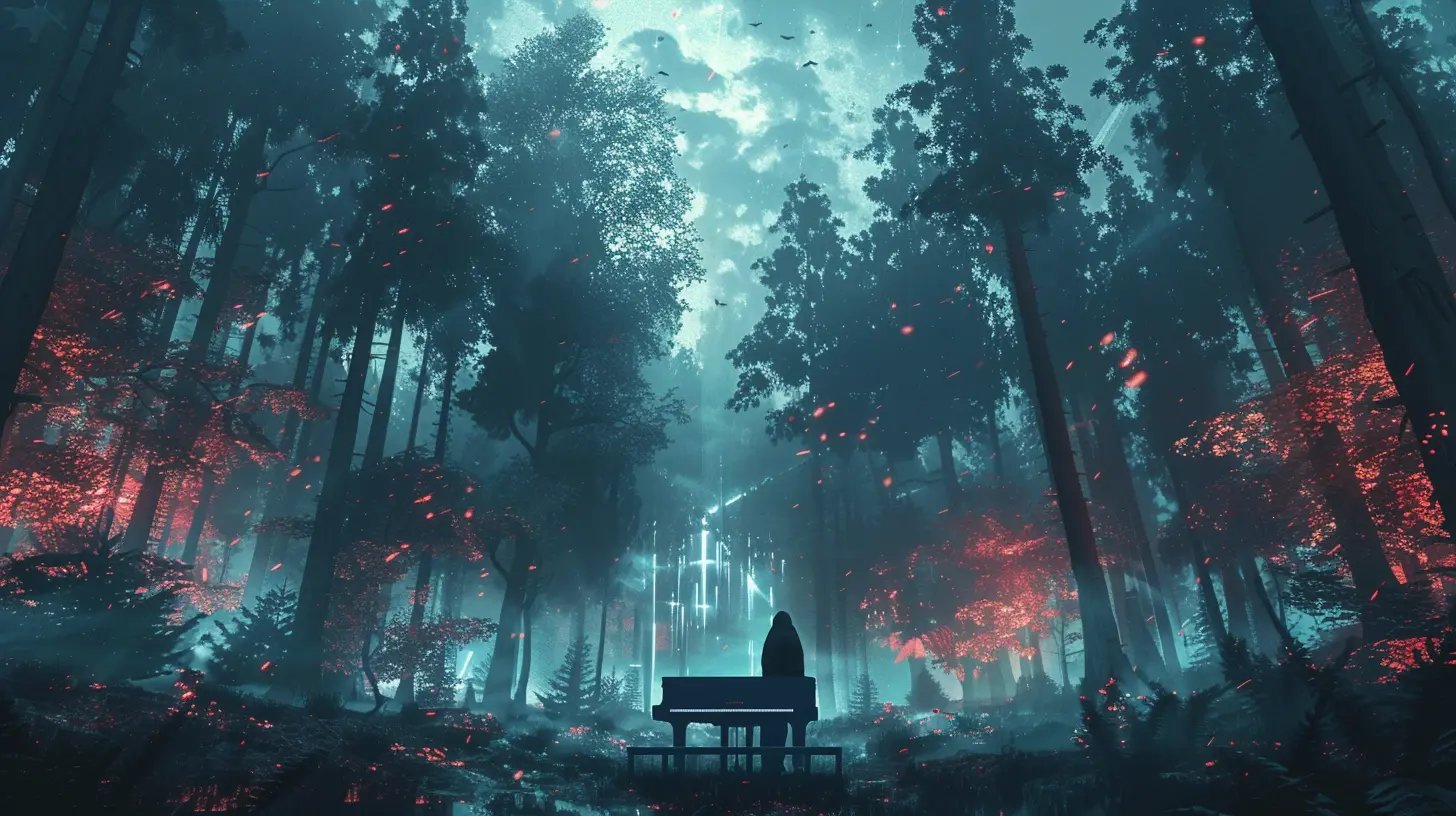
The Tech Behind the Tunes: How Do Procedural Soundtracks Work?
Alright, let’s geek out for a second. Procedurally generated soundtracks rely on algorithms and a combination of pre-recorded audio snippets, layered sound files, or synthesized music. The game’s code acts like a conductor, deciding when and how different musical elements should play based on what's happening in the game.For example:
- You’re wandering through a serene forest. The game might layer soft flutes and light strings.
- Uh-oh, a hostile NPC notices you. The algorithm adds a subtle drumbeat in the background.
- Now you’re in full-on combat mode. Cue the blaring horns and fast-paced percussion!
This works because the algorithms are designed to respond to game events, like your character’s location, actions, or even time spent in a particular scene. It’s music that evolves with your story, making every playthrough feel personalized.
A Game-Changer for Replayability
One of the coolest side effects of procedurally generated soundtracks? They make games way more replayable. Let’s be real—it can get a little boring hearing the same battle music for the 100th time during a grind session. But when the soundtrack shifts and changes each time you play, it keeps things fresh and engaging.Roguelike games, in particular, thrive on this concept. Titles like Hades or Noita, which heavily emphasize randomized game mechanics, pair beautifully with procedurally generated music. It matches the unpredictable nature of the game itself. Each run feels like a new adventure, complete with its own custom soundtrack.
Examples of Procedurally Generated Soundtracks in Games
Want to know which games are nailing this new wave of musical wizardry? Let me introduce you to a few pioneers.1. No Man’s Sky
You can’t talk about procedural generation in gaming without bringing up No Man’s Sky. The game is all about exploring an infinite universe, and its soundtrack mirrors that sense of endless discovery. Using an innovative mix of algorithms and hand-crafted audio elements created by the band 65daysofstatic, the soundtrack shifts to reflect the beauty, tension, or mystery of each planet you visit.2. Spelunky
A roguelike classic, Spelunky uses a dynamic music system that tailors tracks to what's happening in its procedurally generated environments. Whether you're tiptoeing through a trap-filled jungle or sprinting from a raging ghost, the music adapts to keep you fully immersed.3. Minecraft
Yep, the blocky sandbox game we all know and love deserves a shoutout here too. Although its music isn’t fully procedurally generated, Minecraft uses adaptive audio techniques to sprinkle moody melodies into gameplay when the moment feels just right. The result? A soundtrack that feels personal—like it’s following your creative journey.Pros and Cons of Procedurally Generated Soundtracks
No innovation comes without its challenges, right? Let’s lay it all out.The Pros
- Enhanced Immersion: Music that reacts to your every move? Immersion level = maxed out.- Replay Value: Each playthrough feels fresh because the music is always a little different.
- Personalized Experience: The soundtrack feels like it was tailor-made just for you.
The Cons
- Complexity: Creating these systems requires serious technical skill and resources.- Risk of Monotony: Procedural doesn’t always mean better. If not done well, the music can start to feel repetitive or lifeless.
- Harder to Create Memorable Tracks: Unlike iconic tracks from Final Fantasy or Halo, procedurally generated soundtracks often lack a "signature piece" that sticks with you.
The Future of Procedurally Generated Soundtracks
We’re just scratching the surface of what’s possible with this technology. As artificial intelligence and machine learning continue to develop, we might see even more advanced and intuitive systems. Imagine a game that could detect your emotional state (based on your playstyle or maybe even biometric data) and compose a soundtrack to match. Creepy? Maybe. Awesome? 100% yes.It’s also worth noting that procedural music doesn’t have to replace traditional, composed soundtracks. The two can coexist beautifully. Developers can weave iconic, hand-crafted themes into adaptive systems to give us the best of both worlds.
Closing Thoughts
Procedurally generated soundtracks are changing the rules of the game—literally. They’re breaking the boundaries of static composition and allowing music to become as dynamic as the gameplay itself. Whether you're saving a galaxy, building a blocky fortress, or just trying not to die in a dungeon, these adaptive soundscapes make every moment feel alive.So, next time you find yourself fully immersed in a game, take a moment to appreciate the soundtrack. If it feels like it’s responding to your every move, you might just be experiencing the magic of procedural generation.
all images in this post were generated using AI tools
Category:
Original SoundtracksAuthor:

Lucy Ross
Discussion
rate this article
2 comments
Mara Gates
Procedurally generated soundtracks are revolutionizing gaming by creating unique auditory experiences that adapt to player actions. This dynamic approach enhances immersion, making every moment feel fresh and alive. It's time to embrace this innovation—traditional scores can’t compete!
February 25, 2026 at 5:00 AM
Lucy Ross
Absolutely! Procedurally generated soundtracks indeed elevate the gaming experience, providing a unique and immersive atmosphere that traditional scores often can't match. This innovation is a game-changer!
Hope McGuire
Procedurally generated soundtracks are the unsung heroes of modern gaming, transforming static ambiance into a dynamic audio landscape. They adapt to our actions, crafting a unique auditory experience that enhances immersion. In a world where every player's journey is distinct, this innovation hits all the right notes!
February 24, 2026 at 3:39 PM
Lucy Ross
Thank you! I completely agree—procedurally generated soundtracks truly elevate player immersion by creating a personalized audio experience that enhances every unique journey in gaming.