How Social Media Is Driving Game Success
22 July 2026
In today’s hyper-connected world, games aren’t just launched—they’re unleashed. And one of the biggest catalysts behind that explosive reach? You guessed it: social media. Gone are the days when gaming success depended solely on ad campaigns or gaming magazines. Social media has flipped the script, becoming the ultimate power-up for game developers, marketers, and content creators alike.
Whether it's a viral TikTok challenge spawning millions of downloads or a streamer turning an indie game into a chart-topping sensation, social media is no longer just part of the conversation—it is the conversation.
The Evolution of Gaming and Social Interaction
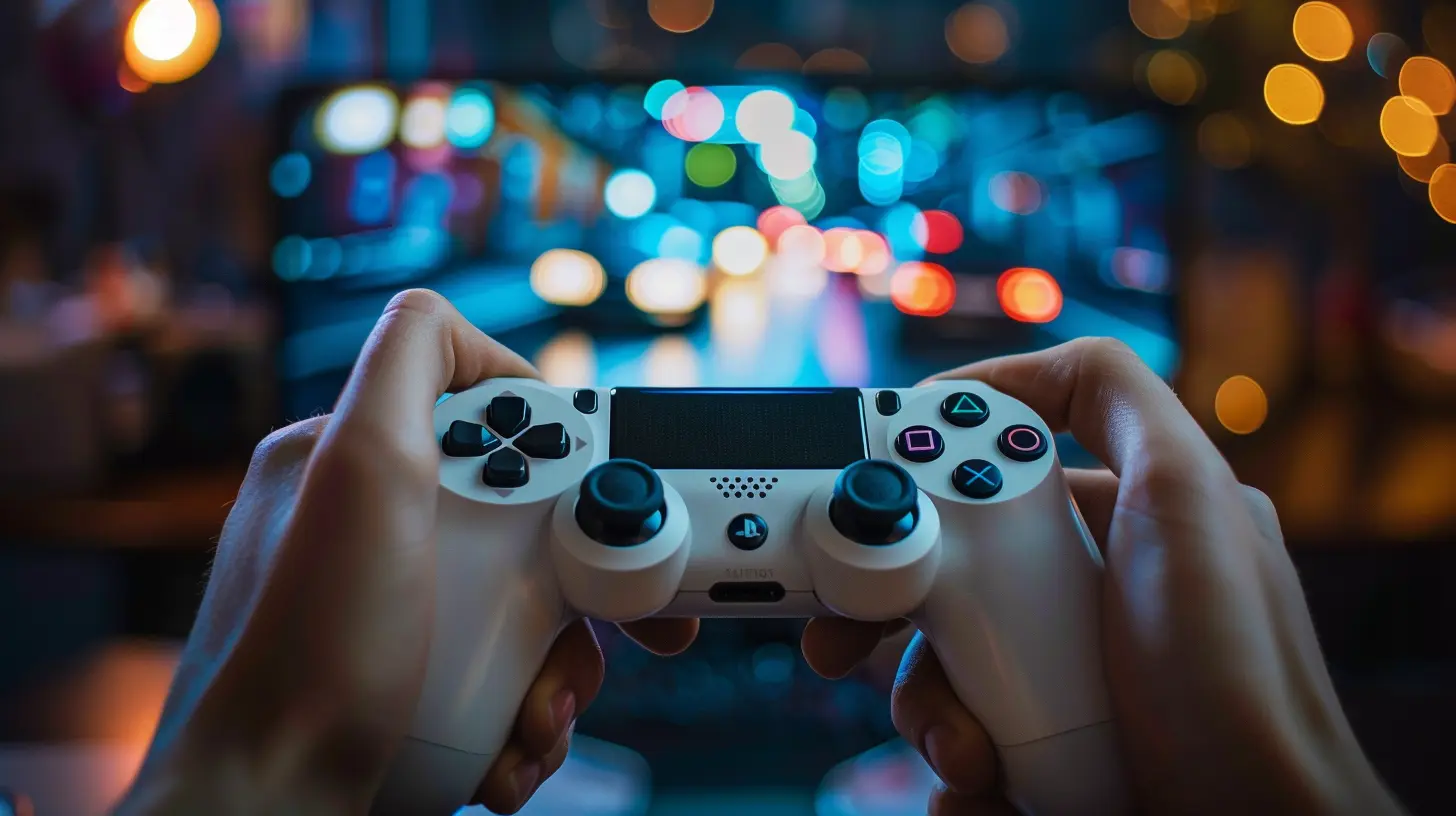
Before we dive into the juicy details, let's rewind a bit. Back in the day, gaming communities were limited to forums, LAN parties, and the occasional word-of-mouth hype. Fast forward to now, and you're looking at a digital landscape where a single tweet, stream, or meme can make or break a game's success.Social media hasn’t just changed how we market games, it’s altered why we play them. Games have evolved from solo experiences to shared adventures, and social platforms are the arenas where those adventures go viral.
Why Social Media and Gaming Are a Perfect Match
Think about it—games are built around stories, challenges, achievements, and community. Sounds familiar, right? That’s exactly what social media thrives on. It’s like peanut butter and jelly; they're just better together.From short gameplay clips on Instagram Reels to full-blown Let’s Plays on YouTube, content born from gaming fits perfectly into the social media ecosystem. Players are not just consuming games anymore—they’re performing them, sharing them, and turning them into cultural moments.
The Ripple Effect: User-Generated Content (UGC)
One of the biggest assets social media offers games is the power of user-generated content. We're talking memes, fan art, livestreams, reaction videos—the list goes on.Gamers love to share their experiences. Whether it's a hilarious glitch in a game like Skyrim or an epic win in Fortnite, players are constantly creating content. And guess what? Every time they post, they’re giving the game free marketing.
Let’s break this down:
- Virality Equals Visibility: When a clip goes viral, it introduces the game to potentially millions of new eyes. That’s an organic reach traditional ads can’t buy.
- Authenticity Matters: People trust other players more than polished trailers. UGC is raw, real, and—most importantly—relatable.
- Snowball Effect: One viral post can lead to a chain reaction. Think of it as a domino effect where hype builds exponentially.
Influencer Power: Streamers and YouTubers Fueling Hype
If social media platforms are the stage, then influencers are the headlining acts. Streamers like Ninja, Pokimane, or PewDiePie have the power to skyrocket a game’s popularity overnight.Let’s be real: when someone with millions of followers dedicates hours to playing your game, people take notice. But it’s not just about the big names. Micro-influencers with loyal fanbases often have higher engagement rates—which can lead to even better conversion.
Examples Worth Mentioning
- Among Us: This game existed for years, but it wasn’t until Twitch streamers and YouTubers started playing it that it exploded in popularity.- Fall Guys: Within weeks of release, it was a Twitter sensation, thanks in large part to influencers sharing hilarious highlights.
- Elden Ring: From reaction videos to lore explorations, social platforms helped maintain its buzz long after launch.
Community Matters: How Engagement Drives Loyalty
Social media fosters two-way communication. Developers and publishers can now directly interact with their fanbase. That's huge. It’s not just about pushing updates—it’s about creating dialogue.Gamers love feeling heard. Respond to their tweets, share their fanart, comment on their streams—it all makes a difference. When players feel involved, they stay invested. And yes, that can massively boost retention and even monetization.
Live Q&A Sessions, Polls, and AMAs
These formats are golden. They’re real-time engagement tools that offer transparency and build trust. Holding a Reddit AMA or a Twitter Space can generate buzz and keep the community hyped between updates or DLC drops.
Memes, Trends, and the Magic of Timing
Timing is everything. Catching the wave of a trending topic can level-up your game’s reach. Games that jump on meme culture or trending audio clips often see big spikes in engagement.Remember the “Red Light, Green Light” craze after Squid Game aired? Games that quickly incorporated similar mechanics or referenced the trend saw a boost in downloads and visibility.
Memes: The Trojan Horses of Marketing
Memes are digestible, shareable, and downright hilarious. When used cleverly, they can sneakily market a game while making people laugh. It’s a win-win.Social Media Ads: Targeted, Measurable, and Scalable
While organic reach is fantastic, paid social media ads are the booster rockets. Platforms like Facebook, Instagram, TikTok, and YouTube offer hyper-targeted advertising. You can fine-tune your audience by:- Age
- Location
- Gaming interests
- Behavior
- Device type
Want to target RPG players on mobile in North America between 18-25? Done. Plus, with real-time analytics, you can tweak campaigns for max effectiveness.
Retargeting: Bring Back the Curious Clickers
Ever visited a game’s landing page and seen its ad follow you around online? That’s retargeting. And it works like a charm when done right. It reminds potential players that they were this close to hitting that download button.
Hashtag Campaigns and Challenges
A smart hashtag can be marketing gold. Remember #FortniteDanceChallenge? That blew up on TikTok and Instagram, getting millions to participate and share their own moves.Hashtag campaigns offer:
- Virality potential
- Community participation
- Cross-platform visibility
Just make sure your challenge is fun, easy to replicate, and tied directly to your game’s vibe.
The Role of TikTok in Instant Virality
TikTok is the ultimate wild card. One viral video can boost a game’s visibility exponentially. It’s short-form, low-cost content that thrives on creativity and relatability.Games like Goose Goose Duck and Vampire Survivors rode a wave of TikTok virality. Short gameplay clips, funny bugs, in-game challenges—they all contributed to massive spikes in downloads.
Social Proof: Reviews, Comments, and FOMO
Let’s be honest—people trust reviews more than ads. Positive social proof in the form of:- Player testimonials
- Streamer reactions
- Comment threads
- Social media shout-outs
...can drive massive interest. It’s all about tapping into FOMO (Fear Of Missing Out). When potential players see everyone talking about a game, they’re more likely to jump in and see what the fuss is about.
Cross-Promotion and Collaborations
This one's underrated. Many games partner with influencers, brands, or even other games to cross-promote. Fortnite’s Marvel and Star Wars collabs are perfect examples. These partnerships create buzz, especially when teased through social media.Imagine teasing a surprise skin drop through cryptic tweets or a countdown on Instagram stories—that’s the kind of stuff fans eat up.
Real-Time Event Coverage and Live Updates
Social media allows developers to cover events in real time. Whether it's patch notes, tournaments, or launch events—keeping the audience in the loop creates anticipation and excitement.Platforms like Twitter and Discord are perfect for:
- Countdown streams
- Teaser trailers
- Live patch breakdowns
- Developer diaries
Analytics: Measuring the Impact
Let’s not forget the data! Social media gives real-time feedback. You can see what content works, what doesn’t, and where to pivot. Tools like:- Twitter Analytics
- Facebook Insights
- TikTok Creator Studio
- YouTube Analytics
...offer powerful insights that help refine your strategy and amplify what’s working.
The Indie Advantage: Leveling the Playing Field
Indie developers, listen up—you don’t need a AAA budget to make noise. Social media can be your secret weapon. Titles like Hollow Knight, Celeste, and Undertale all gained traction thanks to online communities spreading the word like wildfire.With a clever social media strategy, you can build a loyal following, get feedback fast, and even crowdsource funding and support.
Final Thoughts: Game On, Social Media On
In the end, social media is no longer just a side quest in a game’s marketing journey—it’s a main mission. It’s how players discover, connect, and share their gaming experiences. Whether you're a solo dev or a global studio, leveraging these platforms can be the difference between a hidden gem and a global phenomenon.So, if you're in the business of making games, you better get social. Because in today's digital playground, going viral might just be your ultimate cheat code.
all images in this post were generated using AI tools
Category:
Game NewsAuthor:

Lucy Ross
Discussion
rate this article
1 comments
Theo Jordan
Social media shapes player communities and feedback loops, amplifying engagement and driving game popularity like never before.
July 22, 2026 at 4:16 AM