Immersive Storytelling in Virtual Reality Gaming
21 April 2026
Virtual reality (VR) gaming is no longer just a novelty—it’s become a storytelling powerhouse. Remember the first time you picked up a VR headset? That moment when the real world melted away, and you found yourself standing in a battlefield, a medieval castle, or even on an alien planet? That spark—that gut feeling of being there—is what immersive storytelling in VR is all about.
But here’s the thing: It’s not just about flashy graphics or head-spinning action scenes. What truly makes VR gaming next-level isn’t how realistic it looks, but how deeply it makes you care. So, let’s talk about how VR is transforming storytelling in gaming—from flat-screen tales to fully inhabitable adventures—and why it’s such a game-changer.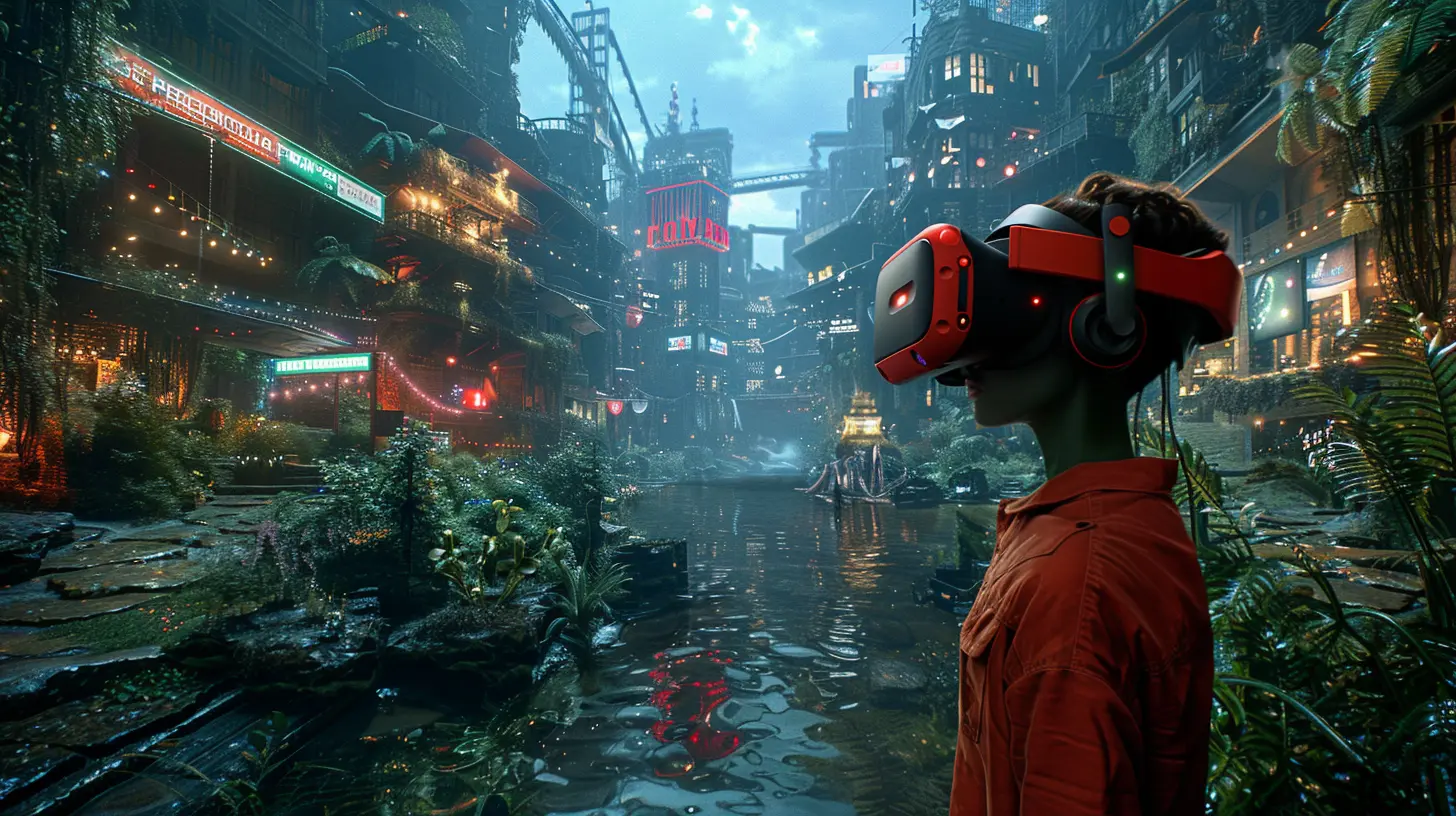
What Makes a Story “Immersive” in VR?
Okay, let’s break it down. Story immersion isn’t just when a game’s plot makes sense. It’s when you forget where you are—your brain believes what it sees and hears. That’s what VR does best. Unlike traditional games that you watch from the couch, VR games put you in the scene.Instead of saying “Your character is scared,” VR says, “You’re in a dark alley. The wind howls, and footsteps echo behind you.” Instant chills, right?
Presence Is Everything
Presence is the gold standard for VR storytelling. It’s the feeling of actually being in the virtual world, not just controlling a character from afar. To build true presence, VR stories use a mix of spatial audio, realistic environments, intuitive interaction, and emotional storytelling. When these elements click together, you’re not just playing a game—you’re living a story.You’re Not Just Watching—You’re Participating
Another big shift? In VR, you’re not just watching the main character—you are the main character. That changes how stories are told. You’re no longer guided from cutscene to cutscene. Instead, the narrative unfolds around you, based on your decisions, reactions, and movements. It's storytelling on your terms.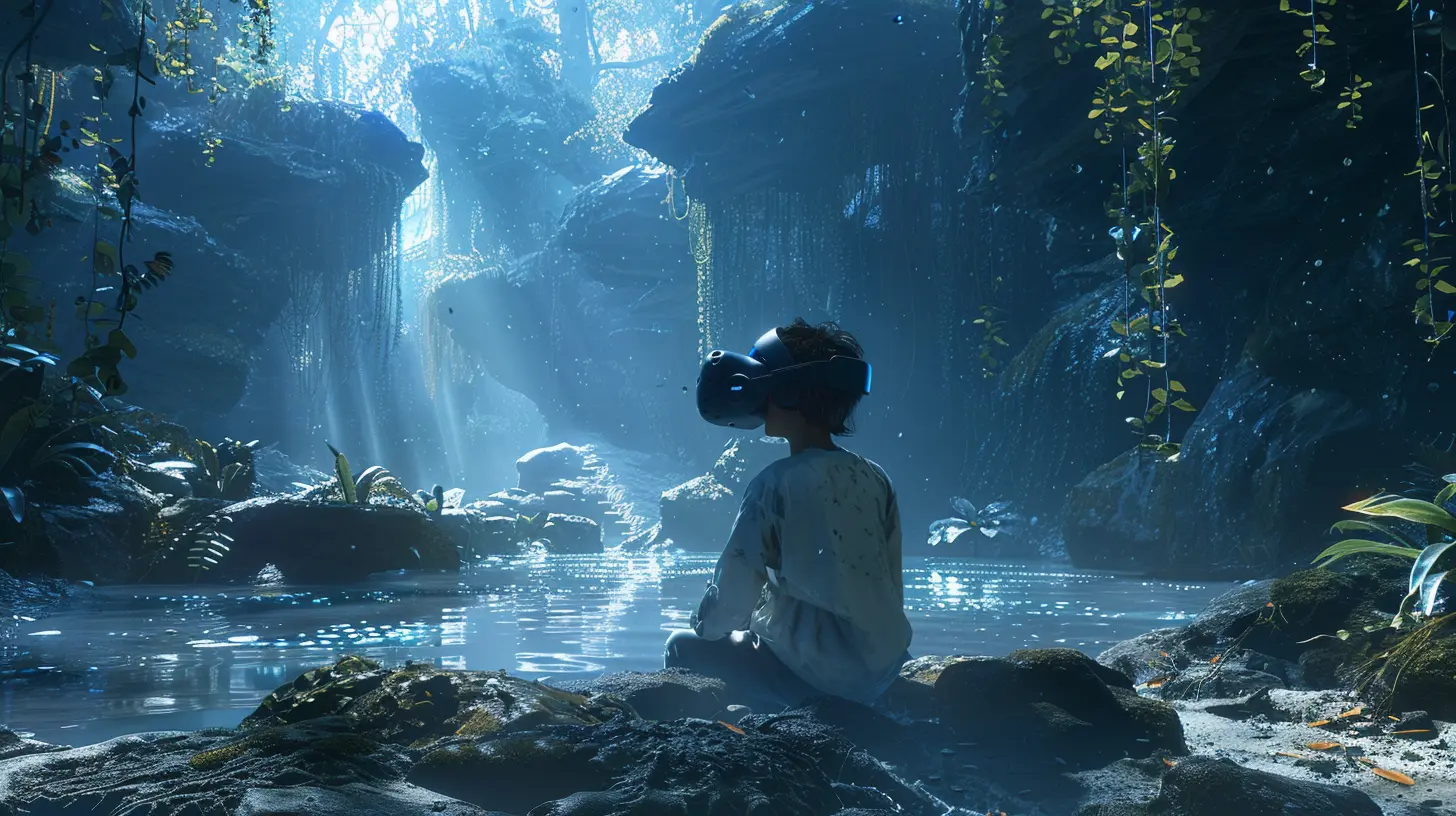
The Evolution of Storytelling in Gaming
Let’s take a quick detour down memory lane. Remember the days of 8-bit heroes saving princesses? Those games were fun, sure, but the storytelling was... limited. Then came cinematic games like “Metal Gear Solid” or “The Last of Us” that raised the bar by blending gameplay with emotional depth.Now, VR pushes that boundary even further. Thanks to the immersive nature of VR, storytelling has evolved from being something you watch to something you live. And that changes everything.
Building Blocks of Immersive VR Storytelling
Creating a game that tells a gripping story in VR isn’t magic—it’s an art form made up of several critical elements. Let’s unpack them.1. World-Building With Depth
A good story needs a believable world, and in VR, that world needs to feel real. Game developers craft environments so detailed and interactive that players feel like they can reach out and touch them. From flickering candlelight in a dungeon to distant thunder in the mountains, every tiny detail matters.Take “Half-Life: Alyx” for example. It doesn’t just drop you into a post-apocalyptic wasteland—it lets you inhabit it. You dig through debris, read old notes, and get a sense of the world’s history without needing lengthy exposition. The world tells the story.
2. Character Development That Feels Personal
You know what sticks? Characters you actually care about. VR stories work best when characters behave like real people. They make eye contact, react to your presence, and even change their behavior based on what you do.In some VR games, characters will remember your choices, react emotionally, and build relationships with you, not some abstract avatar. That personal connection drives the story and keeps you hooked.
3. Interactive Narrative Choices
VR takes player agency to the next level. Instead of selecting dialogue options from a menu, you might speak them out loud, gesture, or make in-game decisions by simply walking a certain path. These choices don’t just change the ending—they shape how the story unfolds moment to moment.Imagine you’re in a VR detective game. You can choose to search a crime scene thoroughly for clues or confront a suspect immediately. Each choice changes what you learn and how characters respond. That’s immersive storytelling.
4. Emotional Engagement Through Sensory Input
VR storytelling hits differently because it taps into our senses in a visceral way. Haptic feedback lets you feel the story. Spatial audio tells you where a sound is coming from. Visual immersion surrounds you on all sides. Together, these elements create an emotional symphony that pulls you deep into the narrative.You’re not just scared because the monster is big—you’re scared because its footsteps are behind you, its breath is on your neck, and your hands are shaking with the controller.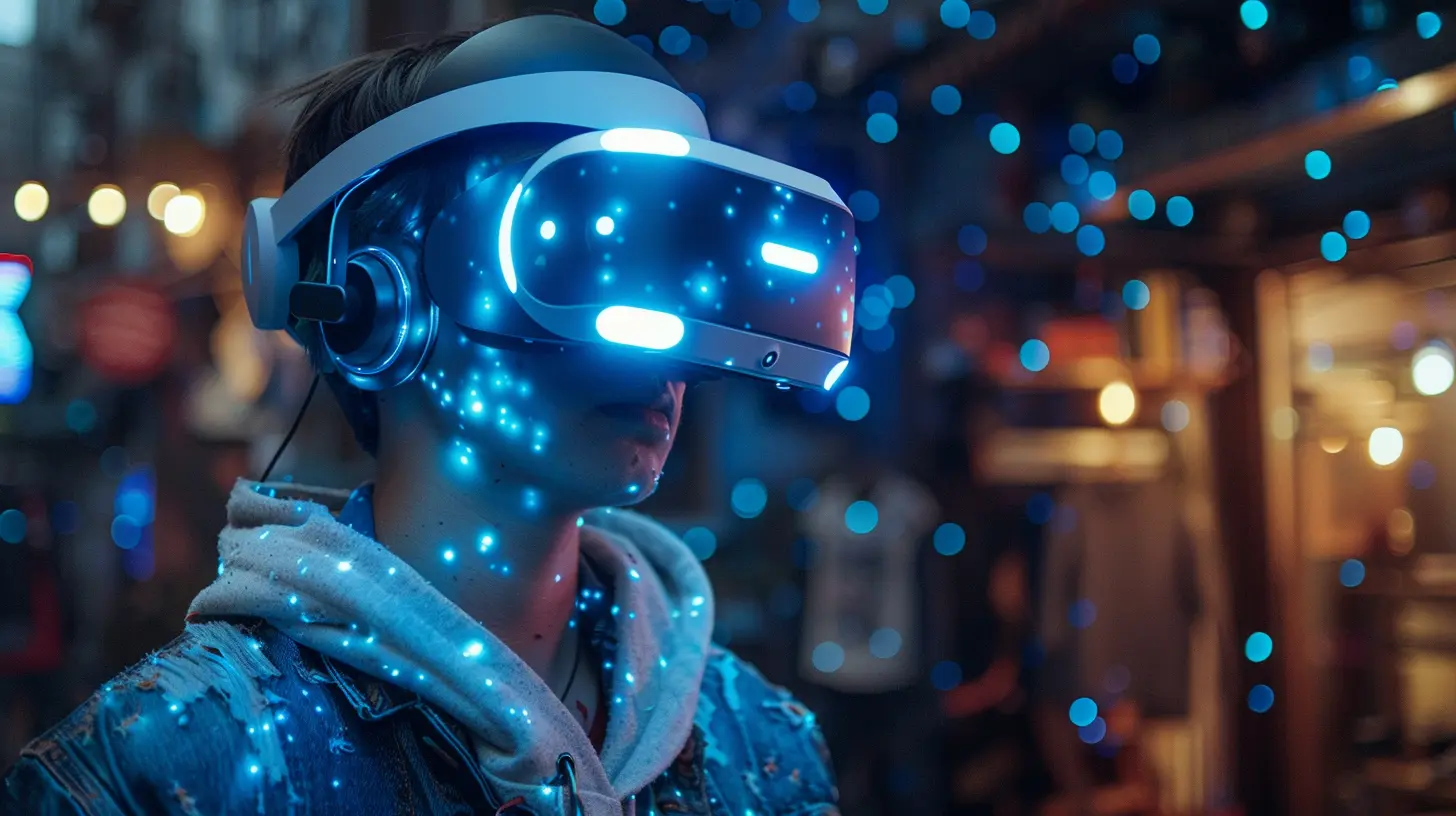
Challenges of Storytelling in VR (And Why They’re Worth It)
Sure, VR storytelling sounds amazing. But let’s be real—it’s not easy. Developers face a mountain of challenges when trying to tell stories in a fully immersive environment. Here are a few hurdles—and how the best games overcome them.Pacing Problems
In traditional games, developers control pacing with cutscenes and gameplay loops. In VR, players might get distracted by a spinning globe or spend 15 minutes throwing virtual donuts instead of talking to key characters (we've all been there).To fix this, developers use subtle cues—like lighting, sound, or character dialogue—to nudge players forward without breaking immersion.
Motion Sickness
Yeah… no one enjoys nausea mid-battle. How does this relate to storytelling? If a player feels sick, they’re not staying around for the rest of your epic tale. Developers now use teleportation movement or “comfort modes” to prevent motion issues so players can focus on what really matters—the story.Limited Attention Span
In VR, attention is a precious resource. You can’t just flash text on a screen and expect players to read it. Storytelling needs to be delivered naturally—through objects, overheard conversations, or character interactions.Real-World Examples of Stellar VR Storytelling
Let’s look at a few games that totally nail immersive storytelling.Half-Life: Alyx
We mentioned it earlier for a reason. This game is VR storytelling royalty. It combines tight narrative pacing, emotional triggers, deep world-building, and interactive puzzles. Every object tells a story. Every encounter feels meaningful. It’s proof that a well-told VR story can rival any Hollywood blockbuster.Lone Echo
You play as a robot (Jack) interacting with your human companion (Olivia). The emotional depth here is incredible. Your bond with Olivia grows not because of cutscenes, but from real-time interactions, silent moments, and shared tasks. It's a masterclass in character-driven storytelling.Vader Immortal
Yes, it’s Star Wars. But what makes this VR experience shine is how personal it feels. You’re not just witnessing the Force—you’re using it. You’re not watching Vader—you’re standing in front of him. It turns a galaxy far, far away into something you can literally walk through.The Future of Storytelling in VR
The future looks wild—and wonderful.AI-Driven Narratives
Imagine playing a VR RPG where the NPCs are powered by AI. They respond dynamically to your behavior, personalities evolve in real-time, and no two games are the same. That’s already being tested with AI like ChatGPT. The future of VR storytelling could be procedurally personal.Multiplayer Storytelling
Games like “VRChat” and “Rec Room” hint at a new form of storytelling—one shaped by players themselves. We’re talking roleplayed stories, game masters, and interactive narratives where everyone contributes. Think Dungeons & Dragons, but fully immersive.Cross-Reality Experiences
What if your VR experiences connected to AR, your phone, or even real-world locations? Storylines that leak into reality via scavenger hunts or interactive social media could blur the line between fiction and truth like never before.Why Immersive Storytelling in VR Matters
Let’s wrap it up with the big picture. Why does this matter? Why should gamers (and developers) care so much about immersive storytelling?Because great stories stick with us. They change us. When games tell stories that we live inside—when they make our hearts race, our eyes tear up, or our minds reflect long after we take off the headset—that’s pure magic.
VR storytelling has the power to build empathy, deepen engagement, and redefine what it means to “play” a narrative. It’s not just the future of gaming—it’s the future of storytelling itself.
So next time you step into a virtual world, take a moment. Really look around. Because you’re not just playing a game anymore—you’re stepping into a story that’s yours to live.
all images in this post were generated using AI tools
Category:
Virtual Reality GamesAuthor:

Lucy Ross
Discussion
rate this article
2 comments
Samantha McIntosh
Immersive storytelling in virtual reality is like a choose-your-own-adventure book that hugs you back. Who needs popcorn when you can dive headfirst into a dragon's lair? Just remember, when the character says "jump," you might want to check for real obstacles first... that coffee table won't move itself!
May 1, 2026 at 4:46 AM
Lucy Ross
I love that comparison! Immersive VR really does pull you in like a good book, but with a few more risks... definitely watch out for that coffee table!
Mackenzie Mahoney
Immersive storytelling in VR gaming truly transforms the experience. It offers players a unique way to engage with narratives, making choices that feel personal and impactful, ultimately deepening emotional connections to the story.
April 26, 2026 at 4:51 PM
Lucy Ross
I completely agree. VR really enhances storytelling by allowing players to live the story, making their choices feel significant and creating deeper emotional ties. It's a game changer for narrative experiences.