Level Gating Explained and How to Overcome It
16 June 2026
Have you ever grinded your way through a game, only to hit a wall because your level isn't high enough? Welcome to the somewhat frustrating world of level gating. It's a game mechanic that can either push you to become stronger or make you want to throw your controller across the room. Either way, it’s something most gamers will face at some point.
In this article, we’re going to break down what level gating is, why developers use it, how it impacts your gaming experience, and most importantly—how you can overcome it without losing your sanity. So whether you're a casual player or a hardcore RPG lover, stick around. This might just change the way you look at that dreaded “You must be Level 20 to proceed” message.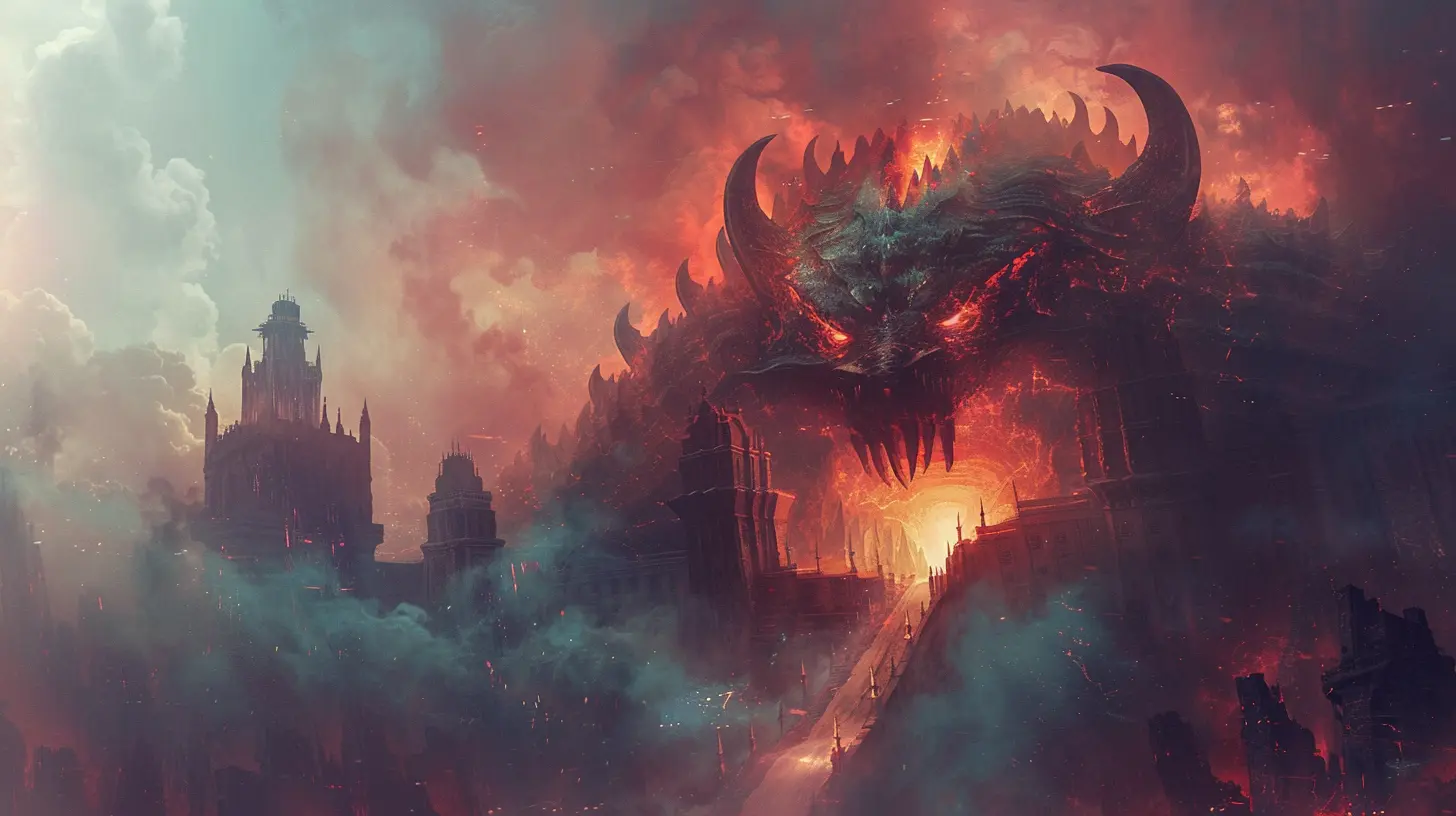
? What is Level Gating?
Let’s start simple. Level gating is a game design mechanic that restricts player progression until a certain character level is reached. You might find it in the form of locked story quests, inaccessible areas, or enemies that wipe the floor with you if you're under-leveled.In essence, it’s a barrier. Not one made of steel or stone, but of numbers—experience points, stats, and sometimes gear score.
Instead of letting you bulldoze through the game at your own pace, the game says: "Whoa there, buddy. You’re not ready yet."
Where You’ll Typically See It
Level gating pops up everywhere, but it’s especially common in:- RPGs (Role Playing Games) like The Witcher 3, Skyrim, or Final Fantasy XV.
- MMOs like World of Warcraft or Lost Ark.
- Open-world games with dynamic environments.
- Mobile games, where it’s often used to pace free-to-play progress.
It can be subtle—like enemies becoming impossibly hard—or explicit, like story content blocked off until Level 30.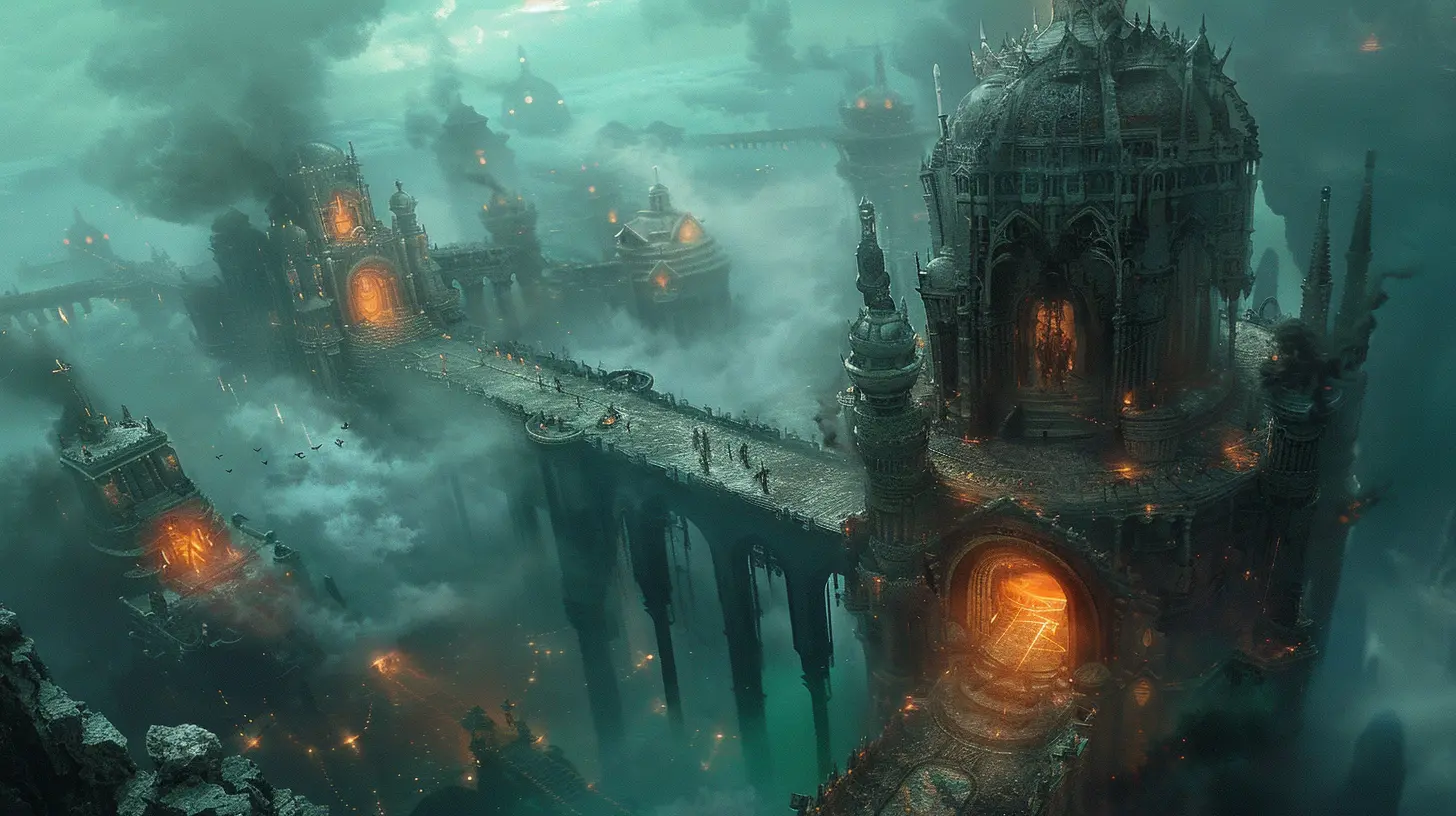
? Why Do Developers Use Level Gating?
Now, before you go blaming devs for slowing your progress, there’s a method to the madness. Level gating is not just about making your life difficult. It serves several important purposes in game design.1. Pacing the Game
Imagine finishing a 60-hour RPG in 10 hours because you just ran to the final boss. That would ruin the experience, right?Level gating keeps you on a guided path, forcing you to explore side quests, grind a bit, and absorb the game at a more measured pace. It’s like a teacher giving you homework before the final exam.
2. Content Stretching
Let’s be real: some developers use level gating to stretch out the game’s content, especially in free-to-play models. It buys time and keeps you engaged (and sometimes nudges you toward microtransactions).3. Balancing and Challenge
Without level gating, the game could either become too easy or way too hard. This mechanic ensures you’re reasonably equipped for whatever challenges lie ahead. It’s like not letting a player with a wooden sword walk into a dragon’s lair.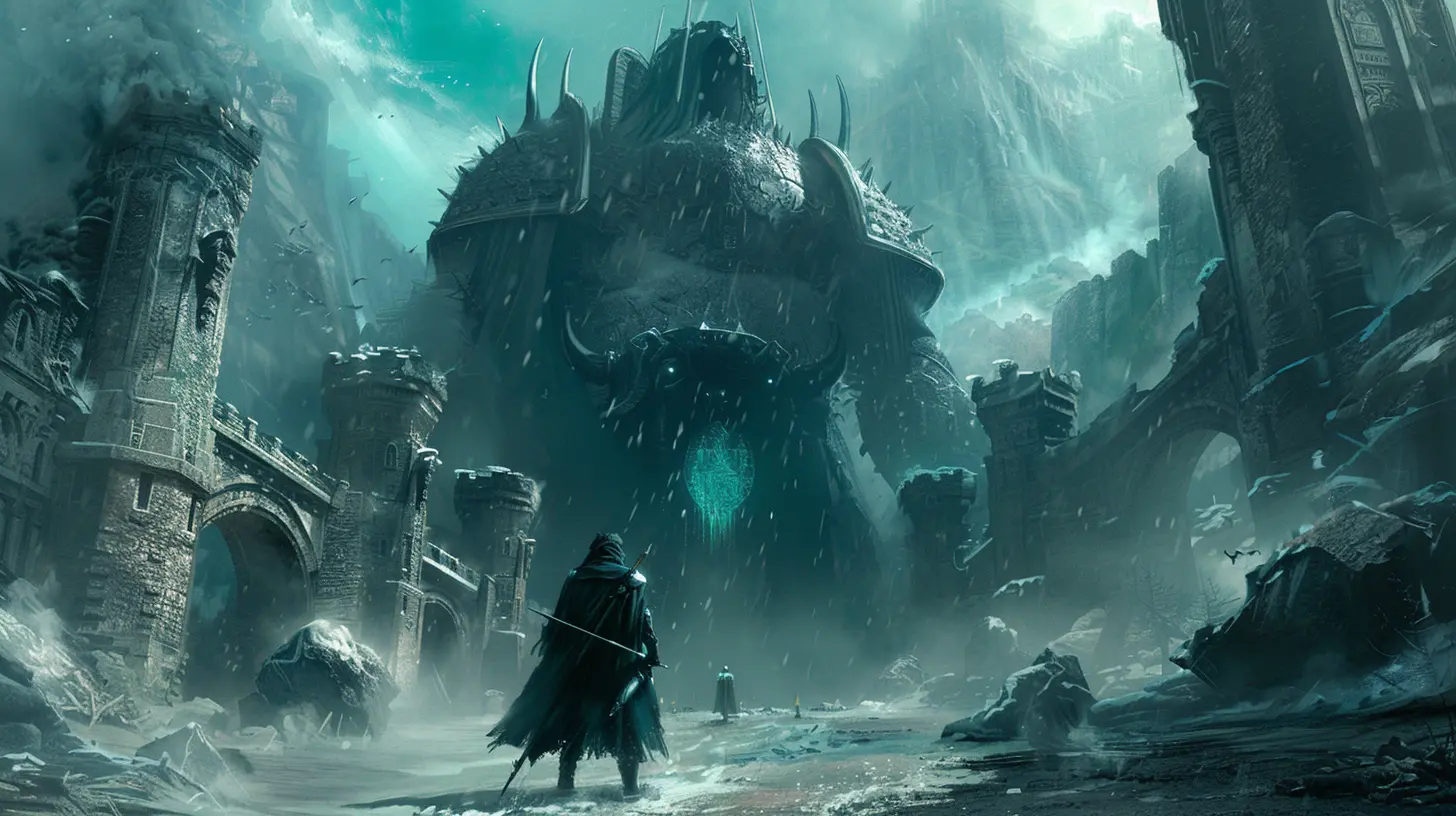
? The Frustration of Level Gating
We’ve all been there—you’re hyped, ready to dive into that major boss battle or unlock that cool dungeon, and bam! You need five more levels. That can feel like hitting a speed bump at 100 mph.It Breaks the Flow
One of the biggest gripes is that level gating breaks immersion. You're deep in the story, the stakes are high, and suddenly the game says, "Go kill 20 boars before saving the world."Feels Artificial
Often, level gating feels less like a natural progression and more like a forced roadblock. It can pull you out of the game world and remind you that, yes, you're playing an algorithm.
?♂️ How to Overcome Level Gating
Alright, let’s get to the good stuff. You’re stuck. The level gate is in place. Now what?Here’s how to overcome it—not just quickly, but efficiently and without draining the fun out of the game.
1. Side Quests Are Your Best Friends
Side quests aren’t just filler—they’re a goldmine for experience points. Plus, they often flesh out the game world and characters. So before you write them off, dive in. You might find some killer loot and unexpected storylines.2. Grind Smart, Not Hard
Grinding doesn’t have to mean mindlessly killing low-level mobs. Look for:- High XP yield enemies.
- XP multiplier zones or events.
- Repeatable quests.
- Skill combos that let you farm fast.
Make it efficient and fun. Put on a podcast or playlist and let the grind become a relaxing rhythm.
3. Gear Up
Sometimes it’s not just about your level but your gear. Upgrading weapons and armor can give you the edge to fight higher-level enemies and speed up your grinding process.Check your inventory—there’s a good chance you’re sitting on materials that can make a big difference.
4. Play With Friends
In online games, teaming up with higher-level friends can make grinding a breeze. You'll level faster and probably have more fun doing it. Plus, friends can help you tackle content that’s just out of reach.5. Respect the System
Alright, this one sounds lame, but hear me out.Sometimes level gating is the game’s way of saying: “You’re not ready.” And it’s right. Maybe you’re missing a key ability, a piece of gear, or combat know-how. Use the time to master your skills and get better—so when you do break the gate, you smash through it like a boss.
? How Developers Can Do It Better (Let’s Be Honest)
If level gating has a bad rap, it's sometimes because it's done poorly. But when executed right, it can feel natural and even satisfying.Better Ways to Implement It:
- Soft Gates: Instead of locking content, just make certain areas harder so that players self-regulate their progress.- Narrative Motivation: Tie level gating to story progression. Make players want to level up not just because they have to—but because the story pulls them.
- XP Smoothing: Avoid massive XP gaps that force players into lengthy grinds.
A well-designed game should make leveling up feel like part of the adventure—not a chore.
? The Psychology Behind Level Gating
Let’s get deep for a second.Level gating taps into human psychology—delayed gratification, the reward system, the satisfaction of overcoming a challenge. When done right, it builds anticipation. Think about the excitement when you finally unlock a powerful skill or enter that forbidden zone.
But there’s a fine line. Tip too far into frustration, and it turns into resentment.
That’s the art of game design—knowing how to tease and thrill without tormenting the player.
? Tips for Staying Motivated
Getting stuck sucks. Staying stuck sucks more. Here’s how to keep your spirit up when level gating slows you down.Set Micro Goals
Don’t look at it like “I need 10 levels.” Break it into small wins: “One more side quest,” “One more dungeon,” “Upgrade one piece of gear.” It keeps you moving forward.Change Playstyles
Try a different weapon, class, or strategy. Sometimes a new playstyle can spice up the grind and keep things fresh.Take Breaks
Burnout is real. If you’re getting annoyed, it’s okay to step away. The game (and the gate) will still be there tomorrow.? The Bright Side of Level Gating
Let’s flip the script. What if level gating isn’t the villain—it’s the unsung hero?Think about it:
- It prolongs the experience.
- It ensures you master your abilities.
- It makes those final areas feel truly earned.
In a way, it’s like hiking a mountain. The climb is tough, but the view from the top? Worth it.
? Final Thoughts: Embrace the Climb
Love it or hate it, level gating is part of the gaming world. It can feel like a roadblock, but it’s really just part of the journey. And the truth is—overcoming a level gate often brings a sense of satisfaction no cheat code can replicate.So the next time you hit one of those “you must be Level 25” moments, smile. It’s not the end—it’s just the game saying, “Level up, champ. The good stuff’s coming.
all images in this post were generated using AI tools
Category:
Leveling UpAuthor:

Lucy Ross
Discussion
rate this article
1 comments
Rivera Martin
Level gating can limit player experience but is manageable.
June 22, 2026 at 3:28 AM
Lucy Ross
That's a fair point. While level gating does pose challenges, with the right strategies, we can enhance player engagement and enjoyment.