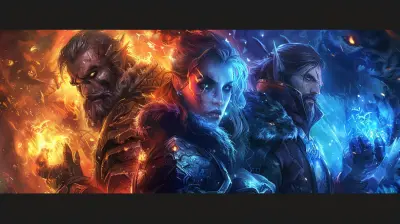
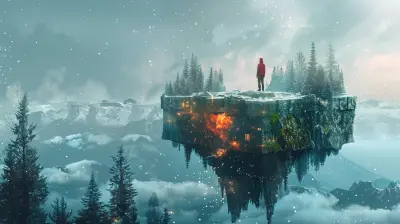
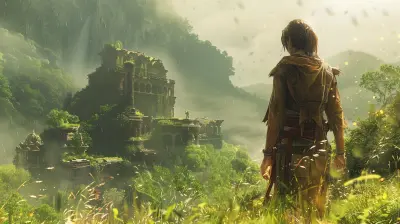
Level Scaling and How It Changes the Experience
26 October 2025
Ever found yourself charging head-first into an epic RPG, grinding your way through mobs, only to hit a sudden wall—or worse, breeze through the game like you’re slicing butter with a hot knife? That’s where level scaling struts into the spotlight. Love it or hate it, level scaling is one of those game mechanics that can completely reshape how you play and perceive a game world.
In this article, we’re going to break down what level scaling really is, how it affects gameplay, and why it stirs up so many mixed feelings among gamers. So, grab your health potion, equip your favorite weapon, and let’s dive into the ever-controversial world of level scaling.
What Exactly Is Level Scaling?
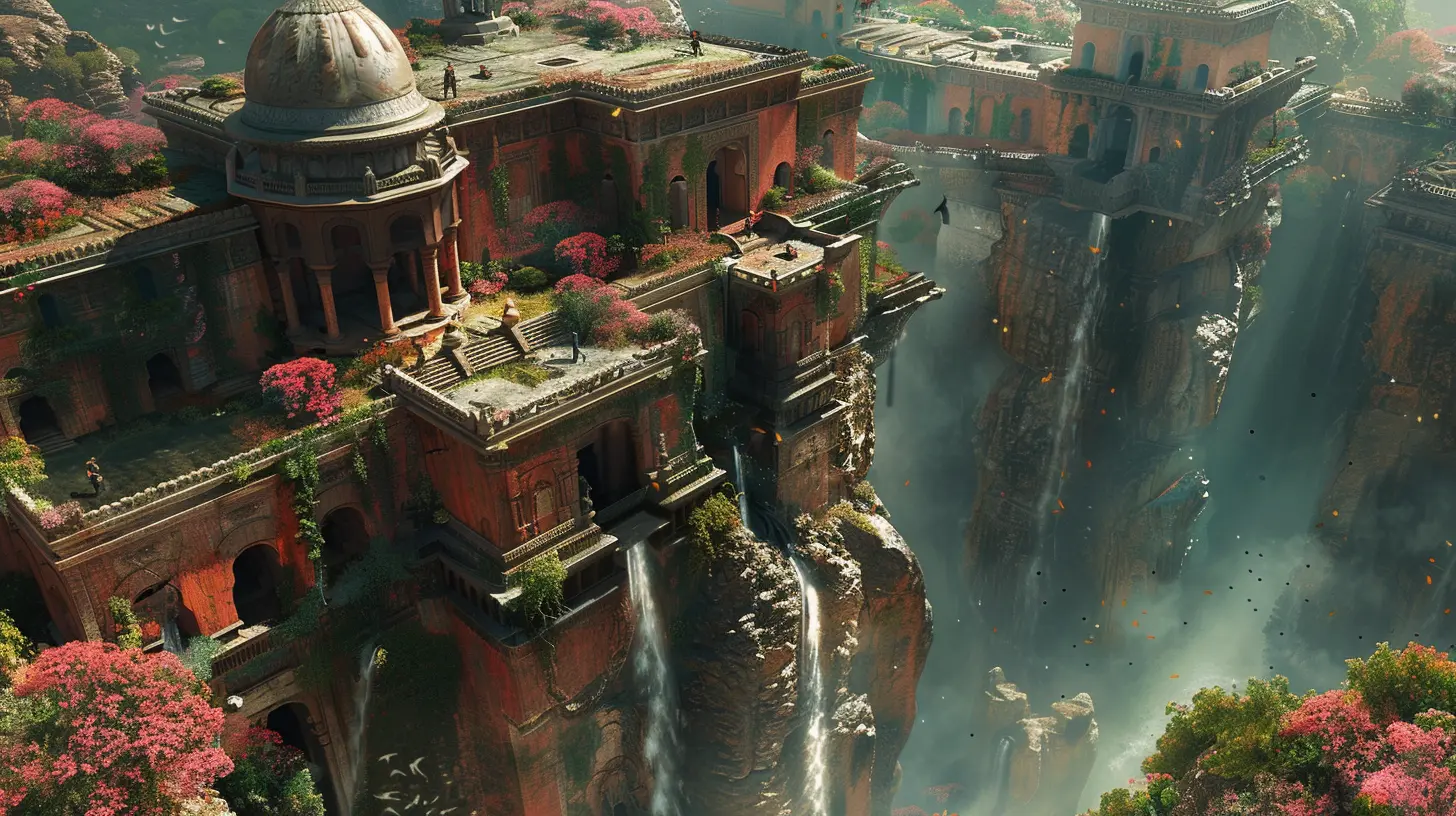
Alright, let's start with the basics. Level scaling is a game design mechanic where the strength of enemies—or sometimes even the environment—adjusts based on your character's level or progress.In other words, as you grow stronger, the game world grows stronger with you. Sounds fair, right? Well, it can be... but that depends on how it’s implemented.
Think of it like going to the gym. You add more weight to the bar as you get stronger—challenging yourself just enough to grow but not so much that you're crushed. That’s the intention behind level scaling: keep the game interesting and challenging, no matter where you go or how long you’ve been playing.
Why Do Developers Use Level Scaling?
From a developer’s point of view, level scaling is kind of a magic wand. It solves a big problem in open-world or RPG games—player freedom.Games like Skyrim, The Witcher 3, or Assassin’s Creed Odyssey give players a vast sandbox to explore. But if one area is full of low-level baddies and another is crawling with high-level nightmares, players might feel funneled or restricted. Level scaling ensures that no matter where you wander, there’s a fair-but-fun fight waiting for you.
It also helps developers balance progression. You’re less likely to become overpowered and crush every enemy in sight—or the opposite, hit a difficulty spike that makes you rage-quit.
Different Types of Level Scaling
Not all level scaling is created equal. There are several ways developers implement this mechanic, and the differences dramatically affect your gameplay experience.1. Full Level Scaling
In full level scaling, enemies always match your level. If you’re level 20, so are they. Climb to level 40? They do too.Games like Oblivion famously used this system—and trust me, it didn’t always get a warm welcome. Bandits in rags turning into armored tanks just because you leveled up? A bit immersion-breaking, right?
But when done well, this kind of scaling can make every encounter feel tense and engaging. You can’t sleepwalk through any part of the world, which is a plus for challenge lovers.
2. Static Scaling Zones
Here’s a more common approach: scaling within limits. Enemies scale only within a pre-defined range.Let’s say a zone is designed for players between levels 10 to 20. If you enter at level 15, enemies might scale from 12 to 18—not too easy, not too hard. This keeps the world feeling natural, while also making sure you're not smacking rats at level 50.
Games like The Witcher 3 and World of Warcraft have leaned on this method to balance player agency with a sense of real progression.
3. One-Time Scaling
Some games scale enemy strength the first time you enter an area, locking it in from then on. Think of it as a “you-chose-your-difficulty” system.This method gives you more control. Want a tougher challenge? Go to that area early. Prefer a smoother ride? Come back later. Either way, the game won’t suddenly change behind your back—what you see is what you get.
The Pros of Level Scaling
Let’s shine a light on the good stuff first. When done right, level scaling can make your gaming experience richer, more rewarding, and—shockingly—more immersive.🎮 Keeps The Game Challenging
We’ve all had moments where we became so OP that the game turned into a snoozefest. Level scaling keeps you on your toes. You're always facing enemies that push you, forcing you to think, strategize, and actually use the whole skill tree you’ve been investing in.🗺️ Encourages Exploration
With level scaling, you’re not chained to a linear path. Wanna skip the main quest and head to the snowy mountains in the distance? Go for it. You’re not punished for playing your way. It turns the whole map into a playable playground.💪 Makes Every Enemy Feel Relevant
In a non-scaling game, returning to a beginner zone is like Godzilla stomping through a sandbox. With scaling, that zone might still pose a threat—or at least force you to stay alert.The Cons of Level Scaling
Alright, time to be fair. Level scaling isn’t all sunshine and critical hits. When mishandled, it can frustrate players and suck the fun right out of leveling up.😤 Kills The Sense of Progression
Imagine grinding for hours, unlocking powerful gear and skills, only to find out the enemies level up right alongside you. What’s the point of leveling if everything gets tougher at the same pace?That “I’m a total badass now” moment? Gone. That’s one of the biggest complaints players have with aggressive level scaling—it negates your sense of improvement.
🧱 Breaks Immersion
It’s hard to feel like you're in a living, breathing world when every roadside thug turns into a damage sponge just to keep up with your level. It can pull you right out of the fantasy.⚔️ Weakens Gear and Build Diversity
In scaling-heavy systems, your gear often doesn’t matter as much. If every enemy is a match for you no matter what sword you wield, why bother crafting that legendary blade or perfecting your build?
Level Scaling in Modern Games: Who Does It Best?
Let’s talk examples. Some games nailed the level scaling formula. Others... not so much.✅ Good Example: The Witcher 3 (Post-Update)
Initially, The Witcher 3 didn’t have much level scaling. You could outlevel areas and stomp through them. But later updates introduced an optional scaling system, giving players the best of both worlds.You could turn it on for challenge or off for power fantasy. That’s flexibility done right.
❌ Not-So-Great: Oblivion
Ahhh, Oblivion. A classic, sure—but its level scaling was notorious. Even simple bandits would show up in end-game gear, making you question reality. It made the whole world feel artificial and took away any feeling of being a hero on a journey.🤯 Innovative: Assassin’s Creed: Odyssey
This one played it smart. Everything scales, but you can tweak how much. Don’t want enemies to keep up completely? You can set them to be 2 levels below you. This gave players control without breaking the game balance.Should Level Scaling Be Optional?
Honestly? In a perfect world—yes. Gamers aren’t all cut from the same cloth. Some want a continual challenge. Others want to feel like unstoppable gods by the midgame.Giving players the option to toggle scaling on or off, or adjust the scaling aggressiveness, would go a long way in making games more inclusive and enjoyable.
The Future of Level Scaling
As games become bigger, more complex, and more open, level scaling will likely stick around. But the way it’s used will evolve.Expect smarter AI, dynamic difficulty systems, and even personalized scaling based on how you play. Games might recognize if you’re breezing through fights and subtly ramp up the difficulty—or ease off if you’re struggling.
But above all, the future lies in offering choice. Let players pick how they want to play, and level scaling becomes a feature, not a bug.
So, Does Level Scaling Ruin or Elevate Games?
That’s the million-gold-piece question, isn’t it?Truth is, it’s all about balance. Level scaling can be a brilliant tool or a frustrating hurdle, depending on how it’s implemented. And more importantly, how you prefer to play.
Want a game where you feel like an unstoppable force after hours of grinding? You might hate level scaling. Prefer consistent challenge and free-form exploration? Scaling could be your best friend.
At the end of the day, it's not about whether level scaling is good or bad—it’s about whether it fits the game’s design and the player’s expectations. And as long as developers respect that, level scaling can absolutely enhance the experience.
all images in this post were generated using AI tools
Category:
Leveling UpAuthor:

Lucy Ross
Discussion
rate this article
2 comments
Aisha McGillivray
Fascinating exploration of level scaling! I wonder how it impacts player choice and immersion. Does it enhance the sense of progression or dilute the challenge? I'm curious about your thoughts on balancing difficulty while keeping the experience engaging for all players!
April 21, 2026 at 2:54 PM
Lucy Ross
Thanks for your thoughtful comment! Level scaling definitely affects how players experience progression and challenge. It can enhance immersion by making encounters feel relevant, but it also risks diluting the sense of achievement. Striking the right balance is key to keeping everyone engaged.
Payton McWhorter
Level scaling might shake things up, but it keeps the adventure fresh! Embrace the challenge and enjoy the wild ride—every level is a chance to grow!
October 27, 2025 at 5:42 AM
Lucy Ross
Thank you for your insight! Embracing level scaling indeed adds a dynamic layer to gameplay, enhancing the adventure and fostering growth with each challenge.