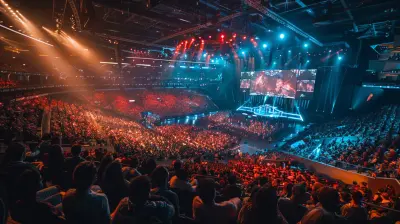
Player Relationships and Emotional Investment in Interactive Fiction
28 October 2025
Let’s be real for a sec — if you’ve ever cried over a character’s death, screamed at a betrayal, or genuinely felt butterflies over a fictional romance, then congrats: you’ve experienced emotional investment in interactive fiction. And trust me, you’re not alone.
Interactive fiction has become more than just text on a screen or choices in a dialogue tree. It’s a full-blown emotional rollercoaster. As players, we’re no longer passive observers. We are the protagonists, the decision-makers, the heartbreak victims, and the romance initiators. We form actual relationships with virtual characters. Sounds crazy? Maybe. But it’s also incredibly real.
So buckle up, let’s unpack why and how player relationships and emotional investment make interactive fiction way more than just “a game.”
What the Heck is Interactive Fiction, Anyway?
Let’s not overcomplicate this. Interactive fiction (IF) is basically storytelling where you, the player, get to make choices that shape the narrative. Think of it like a “Choose Your Own Adventure” book, but leveled up. Sometimes it’s all text-based, other times it’s wrapped in stunning visuals and branching dialogue trees. Either way, you're not just reading — you're participating.From games like 80 Days and Oxenfree to head-spinners like Heaven’s Vault or visual novels like Doki Doki Literature Club, interactive fiction lets you steer the story. And because you make the calls, you naturally start to care more. A LOT more.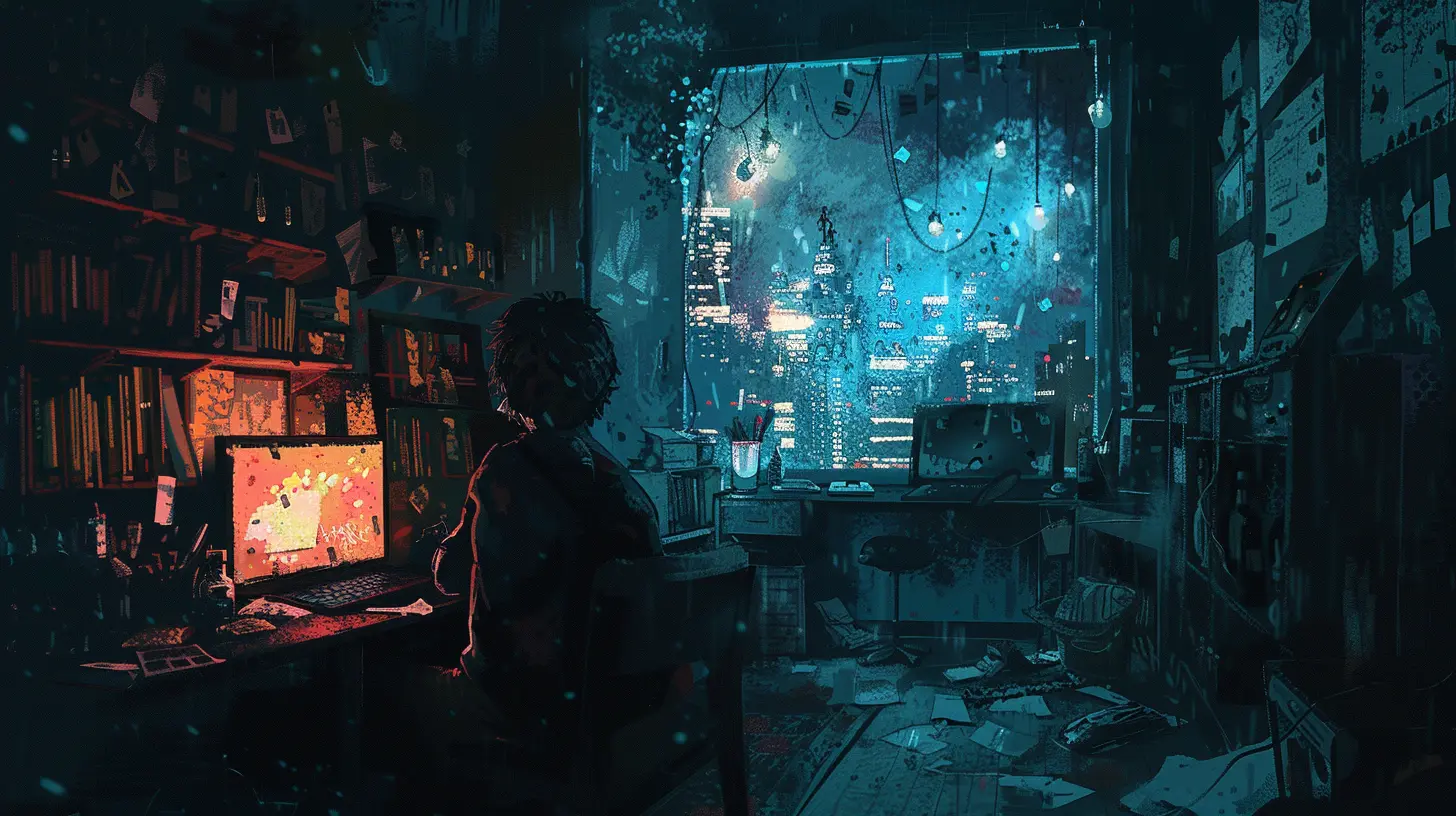
The Secret Sauce: Emotional Investment
Alright. Emotional investment is that feeling when you’re all-in. Your heart is in the game. You're not just interested in what happens — you're personally affected by it. If your favorite character gets hurt, it feels like a punch to the gut. If two characters you love fall in love? You’re grinning like an idiot.That's the magic of interactive fiction. Because it demands your input, it creates a deeper bond. You're not watching someone else's story unfold — you're living your own.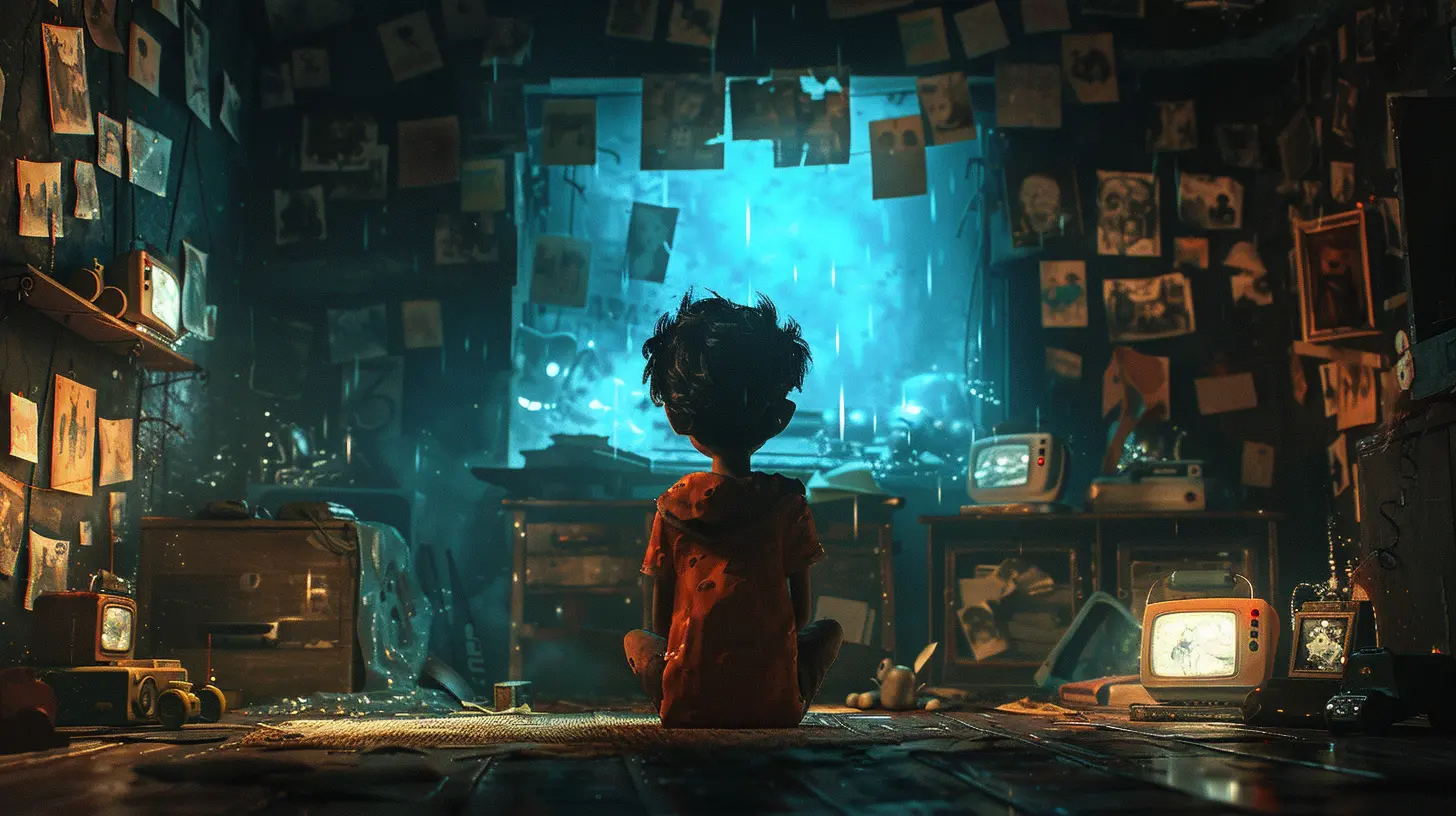
Why Players Catch Feelings: The Psychology Behind It
Okay, let’s get a little geeky (but not boring).1. Agency Makes It Personal
Your choices matter. Whether you're picking who to trust, what to say, or which path to take, you feel responsible for what happens. This sense of agency makes every twist hit harder. It’s the difference between watching a movie and starring in one.2. Character Development Feeds Emotion
IF games often take their time building meaningful characters. These aren’t NPCs with one-liners. You get backstory, personality quirks, and growth. Over time, you start to see them as real people — friends, enemies, maybe even crushes.3. Choice = Consequences = FEELS
The best IF stories make your choices count. Save someone or let them die? Keep a secret or tell the truth? These aren’t throwaway decisions; they shape your journey. And they come with consequences, which means regret, joy, guilt, and everything in between.
Relationships That Actually Matter
Let’s dig into the juicy part — the relationships. They're not just fluff. In high-quality IF titles, the relationships drive the narrative and make you CARE. So much, in fact, that players often replay games just to see what happens if they made different choices in their relationships.1. Friendships That Feel Real
Ever had an in-game bestie who you’d literally die for? Characters like Alyx in Half-Life: Alyx or Clem in The Walking Dead series don’t just assist you; they bond with you. Their loyalty, quirks, and reactions make them feel human.2. Romance That Breaks or Lifts Your Heart
Romantic options in IF are the ultimate emotional bait. Whether it’s awkward flirting in Life is Strange or deep love in Dragon Age, romance in IF lets you experience the highs and lows of intimate connection. And when it goes south? Whew, the heartbreak is REAL.3. Antagonists You Love to Hate (or Hate to Love)
A great villain in IF isn’t just a bad guy. They're complex, morally grey, and sometimes... weirdly relatable. Some players even end up bonding with antagonists more than the so-called heroes. Plot twist, huh?Emotional Highs and Gut-Wrenching Lows
Interactive fiction doesn’t shy away from hitting you where it hurts. And that’s kind of the point. The best IF titles aren’t just trying to “entertain” — they’re aiming to make you feel.Best Moments?
- That one time your character finally kissed their crush.- Saving a friend because you made the right call five chapters ago.
- Piecing together the truth and realizing things weren’t what they seemed — all because you paid attention to subtle details.
Worst Moments (But in the Best Way)?
- Realizing your decision got someone killed.- Watching your romance fall apart after a bad choice.
- Getting betrayed by someone you trusted.
Sound intense? It is. But that’s the thrill of it.
Games That Totally Nailed Emotional Investment
Let’s give props where they’re due. These IF games had us ALL in our feels:🧟♂️ The Walking Dead (Telltale Games)
The relationship between Lee and Clementine? Iconic. It broke hearts, healed them a little, then shattered them again. This game is an emotional masterpiece.🌈 Life is Strange
Max and Chloe’s dynamic is unforgettable. The game transformed simple choices into life-altering decisions — literally messing with time.💔 To the Moon
This one’s more narrative than interactive, but the emotional ride? Worth every second. It’s like someone punched you in the soul—in a good way.💋 Dream Daddy: A Dad Dating Simulator
Yes, it’s quirky and hilarious. But it also features deeply sincere relationships and character arcs that you’ll remember long after you’ve finished.🛸 Kentucky Route Zero
Weird, poetic, surreal… and packed with emotional weight. It’s art in game form.How Developers Craft Emotional Gold
Creating emotional investment doesn’t happen by accident. Top-tier IF developers use smart strategies to keep your heart in the game.1. Branching Narratives That Actually Branch
Players can smell fake choices a mile away. Real emotional investment needs real consequences. When games deliver different outcomes based on your relationship choices – that’s when hearts truly get involved.2. Authentic Dialogue
Nothing ruins a moment like bad dialogue. The best IF titles invest in writing that feels natural, not scripted. Conversations should flow like real talk, not a high school drama rehearsal.3. Relatable Characters with Flaws
Perfection is boring. When characters stumble, show vulnerability, or make mistakes, they become human. And humans are worth caring about.4. Slow Burn > Instant Gratification
You don’t fall in love on the first date, right? (Well... not usually). The same goes for building in-game relationships. A slow buildup creates tension, depth, and authenticity. It makes payoffs feel earned.The Future of Emotional Gaming is Personal
Technology’s only making IF more intimate. With AI-generated dialogue, dynamic storytelling, and emotional tracking, we’re heading into a world where games respond to how you feel — not just what you click.Imagine games that evolve based on your emotional reactions, facial expressions, or voice tone. Creepy? Maybe. But also incredibly immersive.
We’re talking about a future where every player’s story is truly their own — and every relationship feels tailor-made.
TL;DR? Interactive Fiction Is an Emotional Playground
If you're not emotionally invested in your video games, you’re missing out. Interactive fiction has evolved into a storytelling powerhouse, tapping into your emotions by offering real agency, relatable characters, and consequences that matter.It’s not just about playing a game — it’s about living a story. One that you shape, feel, and maybe even cry over.
So go ahead. Fall in love with a character. Get your heart broken. Make the tough calls. That’s what interactive fiction is all about.
And honestly? It’s the most human kind of game there is.
all images in this post were generated using AI tools
Category:
Interactive StorytellingAuthor:

Lucy Ross
Discussion
rate this article
2 comments
Caelestis Morales
This article expertly highlights how player relationships and emotional investment shape the interactive fiction experience. By delving into character dynamics and narrative depth, it underscores the importance of meaningful connections, ultimately enhancing player engagement and creating lasting memories in gaming. A must-read!
April 28, 2026 at 3:56 AM
Lucy Ross
Thank you for your insightful comment! I'm glad you found the article highlights meaningful connections in interactive fiction. Player relationships truly make a difference in the gaming experience.
Casey McDowney
Emotional connections elevate our gaming experiences profoundly.
October 28, 2025 at 4:06 AM
Lucy Ross
Absolutely! Emotional connections enhance immersion, making our choices feel more meaningful and impactful in interactive fiction.