The Art of Creating Immersive Online Worlds
13 July 2026
Have you ever logged into a game and instantly felt like you were part of another dimension? That, my friend, is the magic of immersion. It’s not just about pretty graphics or fancy sound effects—it's about designing a digital universe that grabs you by the senses and doesn’t let go. In the world of game design, creating immersive online worlds isn’t just an art—it’s a multi-layered science mixed with creative genius.
In this article, we’re diving deep into what makes online environments feel truly alive. Whether you’re a game developer, a writer, or just a gaming enthusiast, understanding the layers behind immersive design will give you a new appreciation for the virtual realms we escape to.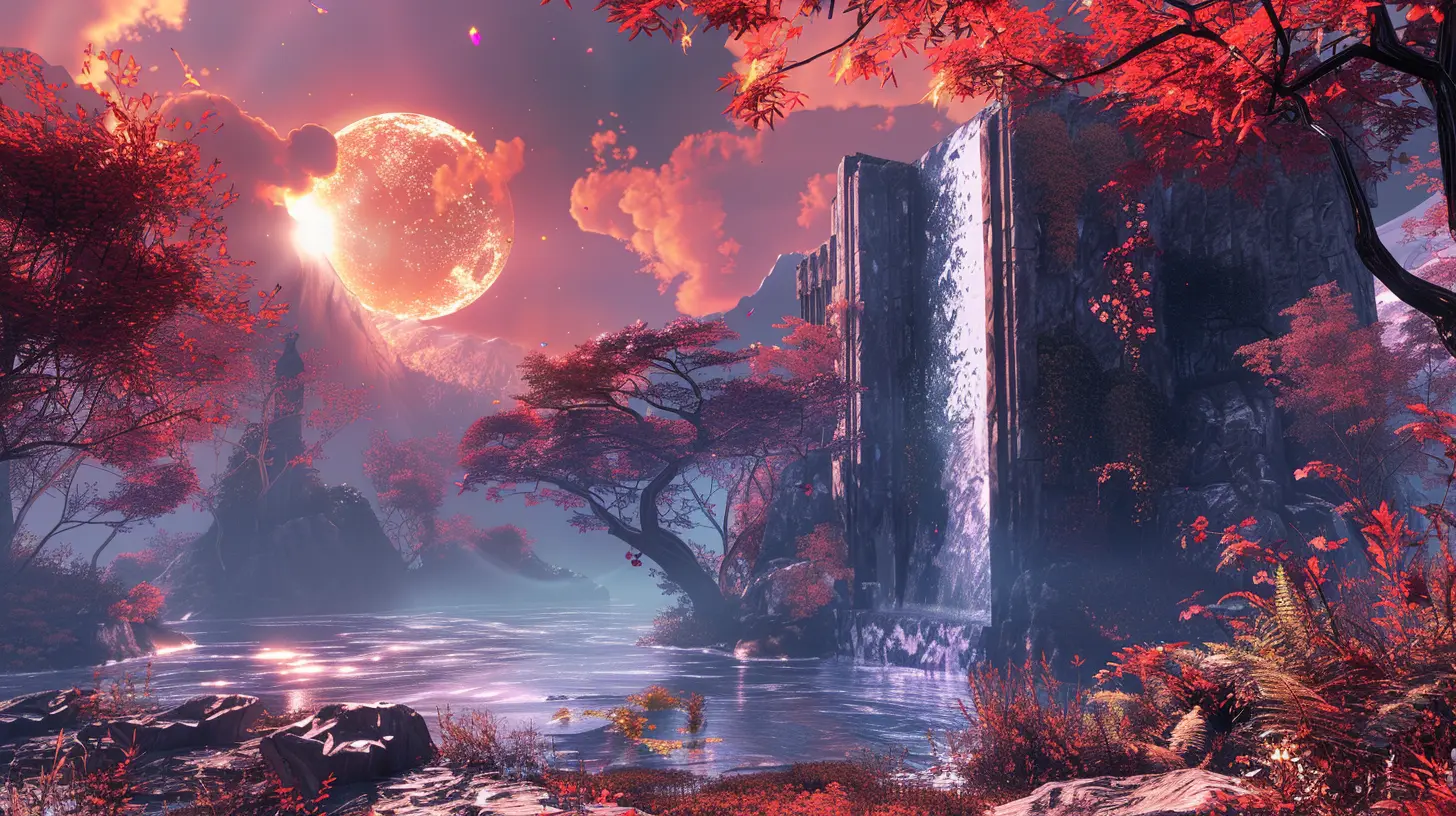
What Does “Immersive” Really Mean?
Let’s clear the air here: immersion isn’t just about realism. Sure, a game with jaw-dropping graphics can leave you speechless, but if that’s all it offers, the magic fades fast.Immersion is when you forget you’re sitting in front of a screen. It’s when you feel the fear of a creeping enemy, the joy of discovering a new city, or the weight of a tough decision. Immersion is emotional, mental, and sensory all at once. And building that? That’s where art meets tech.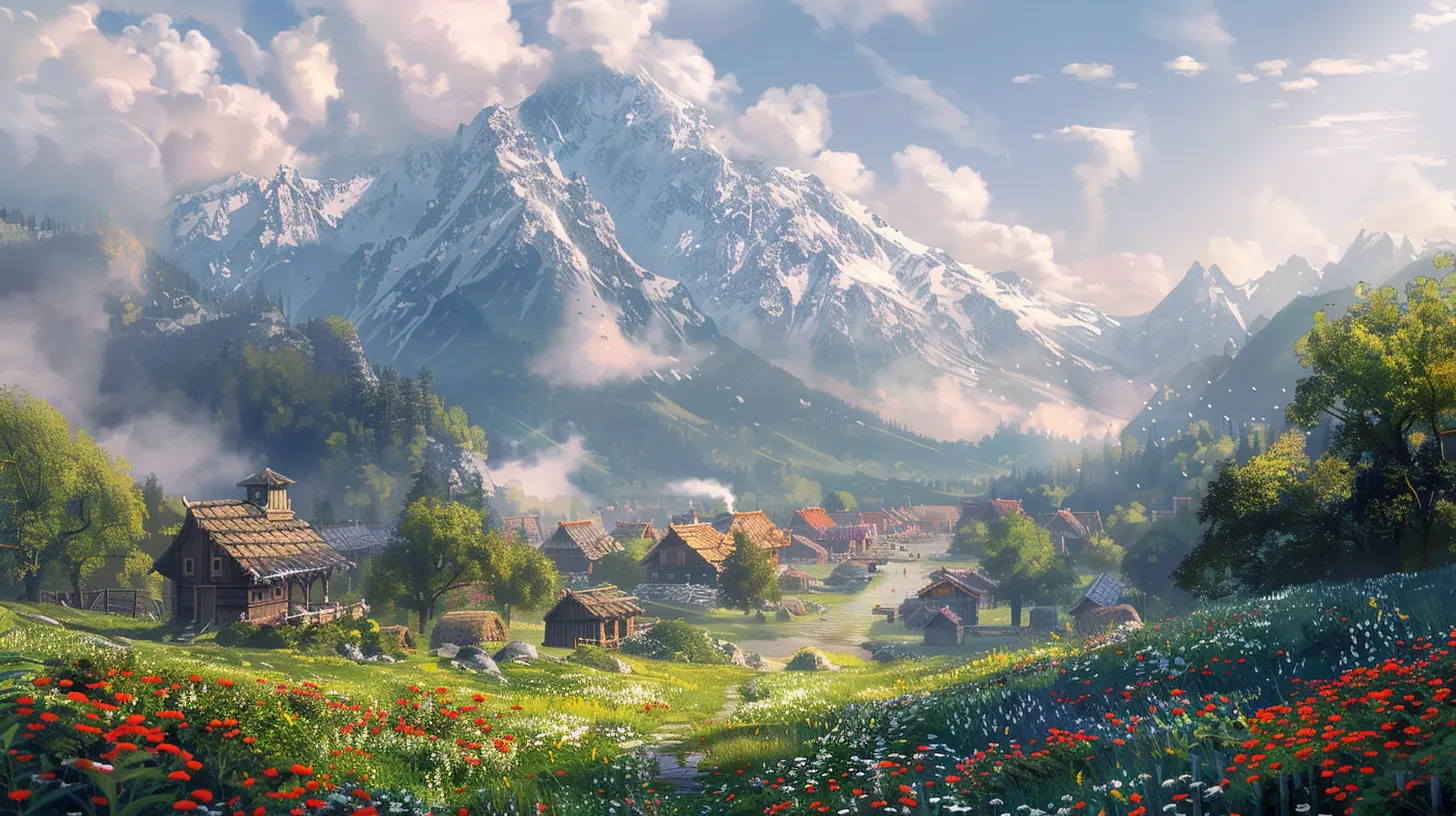
The Foundation: World-Building
Every great online world starts with solid world-building. You can’t just throw some characters into a map and hope it clicks. Players need to feel like the world existed long before they got there—and will go on long after they log off.Lore and Narrative
Think of lore as the DNA of a game world. It’s the history, cultures, religions, myths, and legends that shape not just the environment, but how NPCs talk, dress, and act. Great lore doesn’t dump a textbook into your lap—it reveals itself subtly through stories, signs, quests, and conversations. It’s background radiation you absorb just by existing in the world.Geography and Environment
Mountains aren’t just mountains. A frozen tundra tells a story of harsh survival, while a lush jungle whispers of ancient secrets. Every biome, city, and ruin should have a purpose. A well-crafted map serves like a living character—it interacts with the player, shapes how quests unfold, and guides exploration naturally.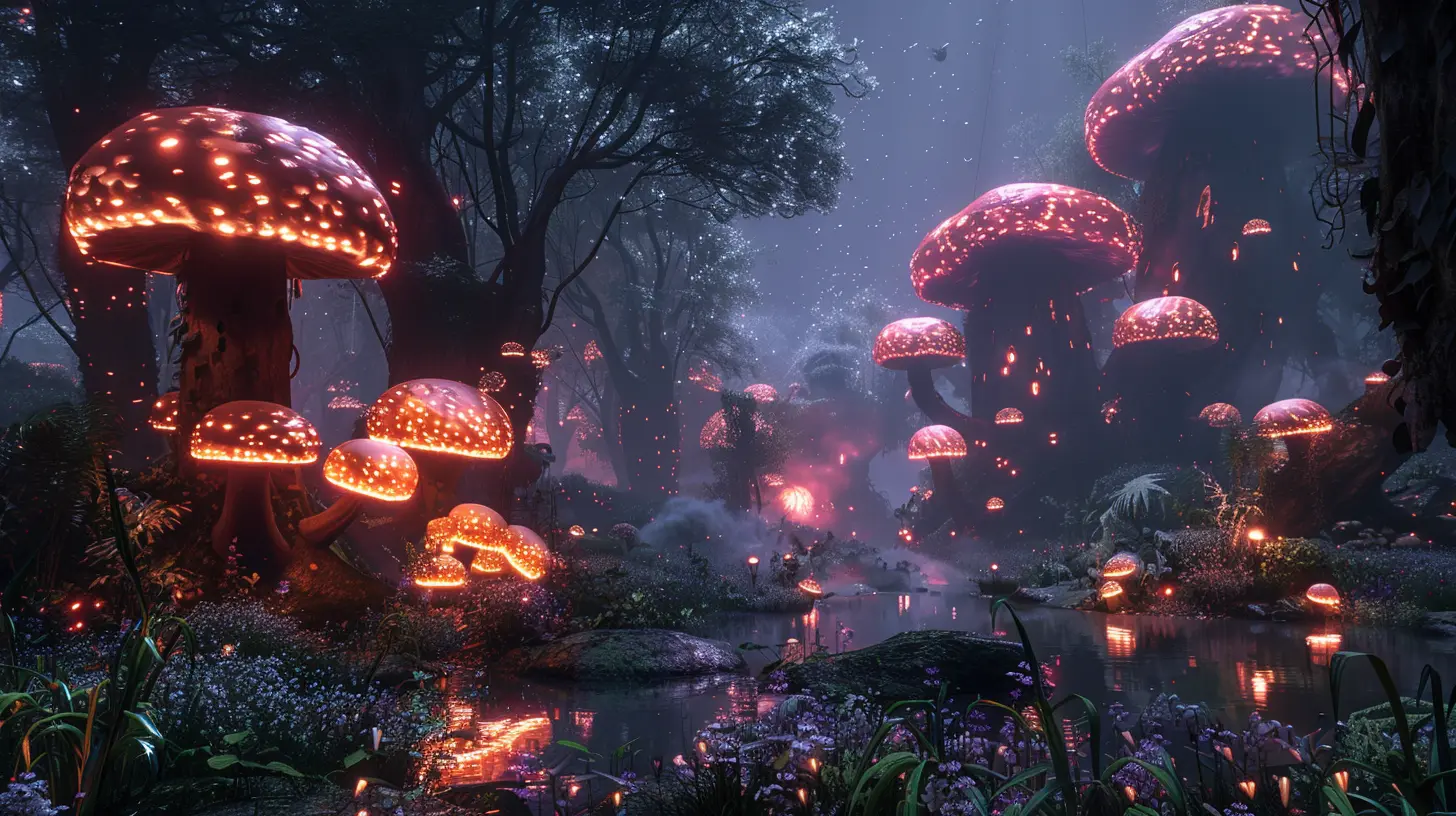
Gameplay Mechanics That Support Immersion
Gameplay is where immersion lives or dies. If your controls are clunky, your HUD is chaotic, or your combat feels like button-mashing, the illusion shatters.So how does gameplay tie into the immersive experience?
Intuitive Controls
An immersive world demands intuitive controls. Players shouldn’t have to think about which button to press—they should feel it. The best games make controllers feel like extensions of your own body. When your actions sync with on-screen results seamlessly, immersion takes over.Dynamic NPCs and AI
Let’s be real—lifeless NPCs break immersion. When characters stand in place spouting the same one-liner every time you walk by, it feels more like Disneyland than a living world. Dynamic NPCs—ones who react to your actions, change with the world, and follow believable schedules—make everything feel more alive.Same goes for enemies. Smart AI that adapts, flanks, or even retreats when outnumbered adds layers of realism that keep players in the zone.
Real-Time Systems
Time, weather, and economies—all evolving in real-time—add depth. Day/night cycles, changing weather, and fluctuating markets mimic the unpredictability of real life. These systems invite players to plan, adapt, and fully live in the world rather than just play in it.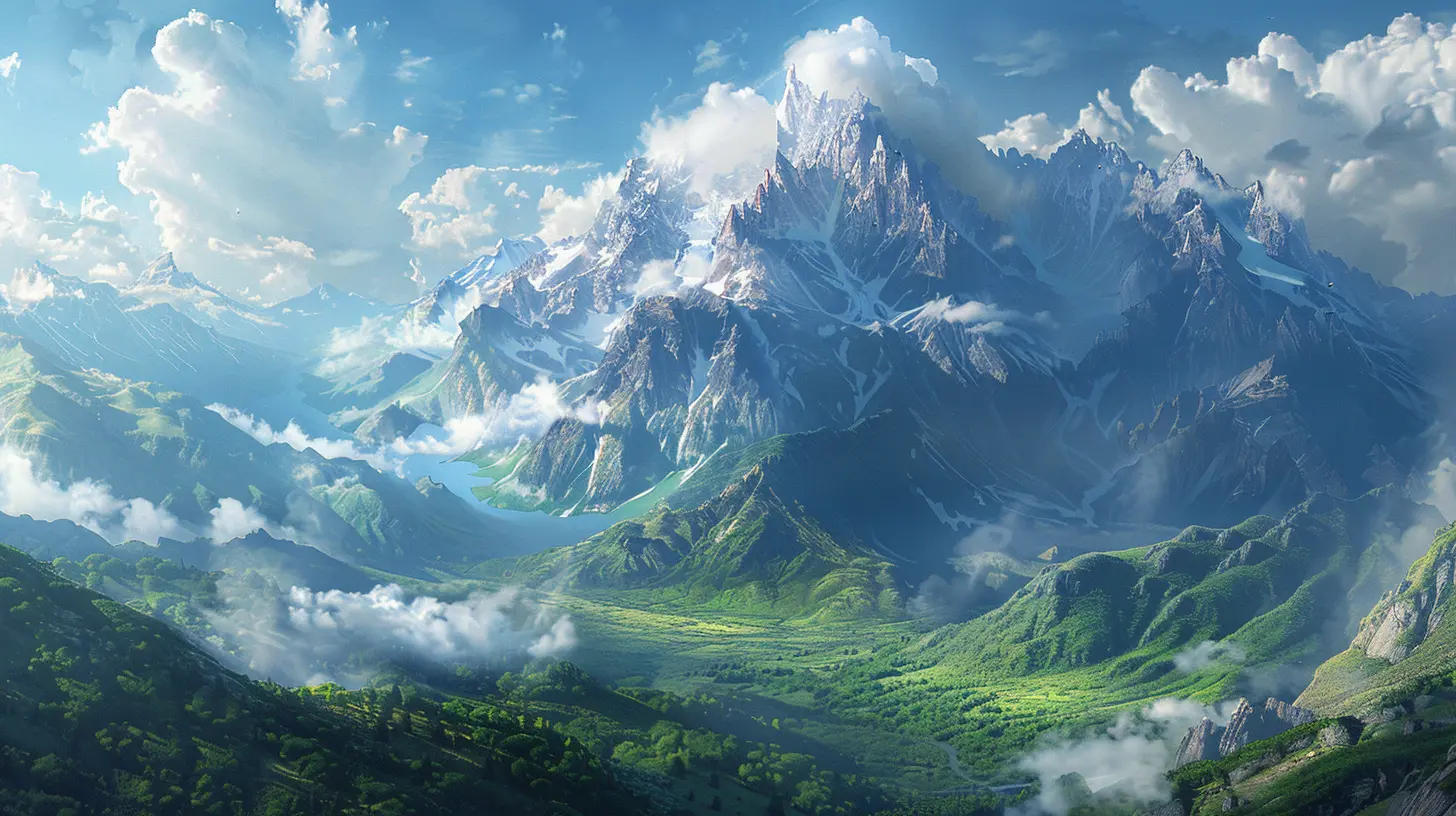
Audio: The Invisible Architecture
Sound is like lighting in a movie—you don’t always notice it, but you'd definitely notice its absence.Ambient Soundscapes
What makes a forest feel dense or a dungeon feel claustrophobic? Often, it’s not what you see—it’s what you hear. The rustle of leaves, the distant howl of a wolf, the eerie drip of water echoing in a cave—all of that matters. Ambient soundscapes breathe life into the static.Adaptive Music
Ever notice how music swells during combat or fades as you explore a quiet village? That’s adaptive sound design at work. Great games use music like a storyteller—heightening tension, easing transitions, and setting emotional tone.Visual Design: More Than Just Pretty Pixels
Yes, graphics matter. But great immersive design isn’t about how real it looks—it’s about how right it feels.Art Style Consistency
Consistency is key. Whether a game aims for realism (like Red Dead Redemption 2) or stylized fantasy (like World of Warcraft), it needs to stick to its visual promise. A cartoonish game suddenly introducing photo-realistic characters is as jarring as a Shakespeare play with memes.Environmental Storytelling
Ever found a broken sword next to a skeleton in a cave and pieced together a mini-story in your head? That’s environmental storytelling. Designers use props, placement, lighting, and decay to turn every inch of the map into a narrative playground.Social Interaction and Community
Online worlds aren’t just about solitary adventures. The best ones give players a reason to connect, collaborate, and sometimes even clash.Player-Driven Stories
Games like EVE Online or Rust thrive on player-driven drama. Betrayals, alliances, and empires rise and fall not because of a questline—but because players decide to make the world their own. When players shape the narrative, the immersion multiplies.Emotes and Communication Tools
Simple tools like emotes, chat systems, and group mechanics let players express themselves. A wave, a dance, or even a ridiculous custom outfit can make interactions feel genuine and memorable.Psychological Flow: The Secret Sauce
There’s a reason the outside world fades when you’re deep into a game. It’s something called “flow”—a psychological state where challenge and skill are perfectly balanced.Too easy? You’re bored. Too hard? You’re frustrated. Just right? You’re immersed.
Game designers who understand pacing, progression systems, and difficulty curves create those Goldilocks zones where players stay engaged for hours without noticing the clock tick.
The Role of Presence in VR and AR Worlds
Now let’s take it up a notch—Virtual Reality (VR) and Augmented Reality (AR) are redefining immersion by creating presence, that uncanny feeling that you’re physically there.Physical Interaction
In VR, your hands, eyes, and even body position can affect the world. Grabbing objects, dodging attacks, or physically peeking around corners taps into our basic instincts—and makes the experience feel incredibly real.No Pause Button
One of the most immersive elements in VR? No pause button. You can’t just hit "ESC" and walk away. That consequence makes every action feel weightier—and every encounter more intense.Challenges in Designing Immersive Worlds
Of course, this isn’t easy. Even top-tier studios struggle with some key challenges.Balancing Freedom with Structure
Open-world games walk a tightrope. Too much freedom and the player feels lost. Too much guidance and it starts to feel linear. The trick is offering breadcrumbs—not handholding.Technical Limitations
Tech has come a long way, but it’s still a bottleneck. Massive worlds mean huge memory loads, which can lead to texture pop-ins, frame drops, or server issues. Keeping immersion alive despite these hiccups is a constant balancing act.Consistency in Updates
Especially in live-service games, frequent updates can unintentionally break immersion. A new event or cosmetic theme might clash with the established atmosphere. Smart devs weave updates into the lore and setting, rather than forcing them in like puzzle pieces from the wrong box.Conclusion: Bringing It All Together
Creating an immersive online world is like conducting a symphony. Every aspect—from world-building and gameplay to sound design and community—has to work in harmony. You miss one note, and the illusion cracks.But when it all clicks? That's when the magic happens. The world feels real. The stakes feel personal. And the experience? Unforgettable.
So next time you lose an entire weekend roaming a digital kingdom or surviving in a post-apocalyptic wasteland, remember: Behind your immersion was a team of artists, coders, writers, and designers pulling every lever to make you forget the real world—at least for a while.
all images in this post were generated using AI tools
Category:
Online GamesAuthor:

Lucy Ross