The Connection Between Game Music and Emotional Storytelling
13 February 2026
You know that feeling when a powerful piece of music hits you right in the soul, making you feel something so raw and genuine? Now imagine that moment beautifully intertwined with a game’s storyline. Goosebumps, right? That’s the magic of game music and emotional storytelling working hand in hand. It’s not just about creating background noise anymore—it’s about crafting an immersive experience that stays with you long after you put the controller down.
In this article, we’re diving into how music in games serves as an emotional backbone, amplifying storytelling and creating meaningful bonds between the player and the narrative. Let’s get into it.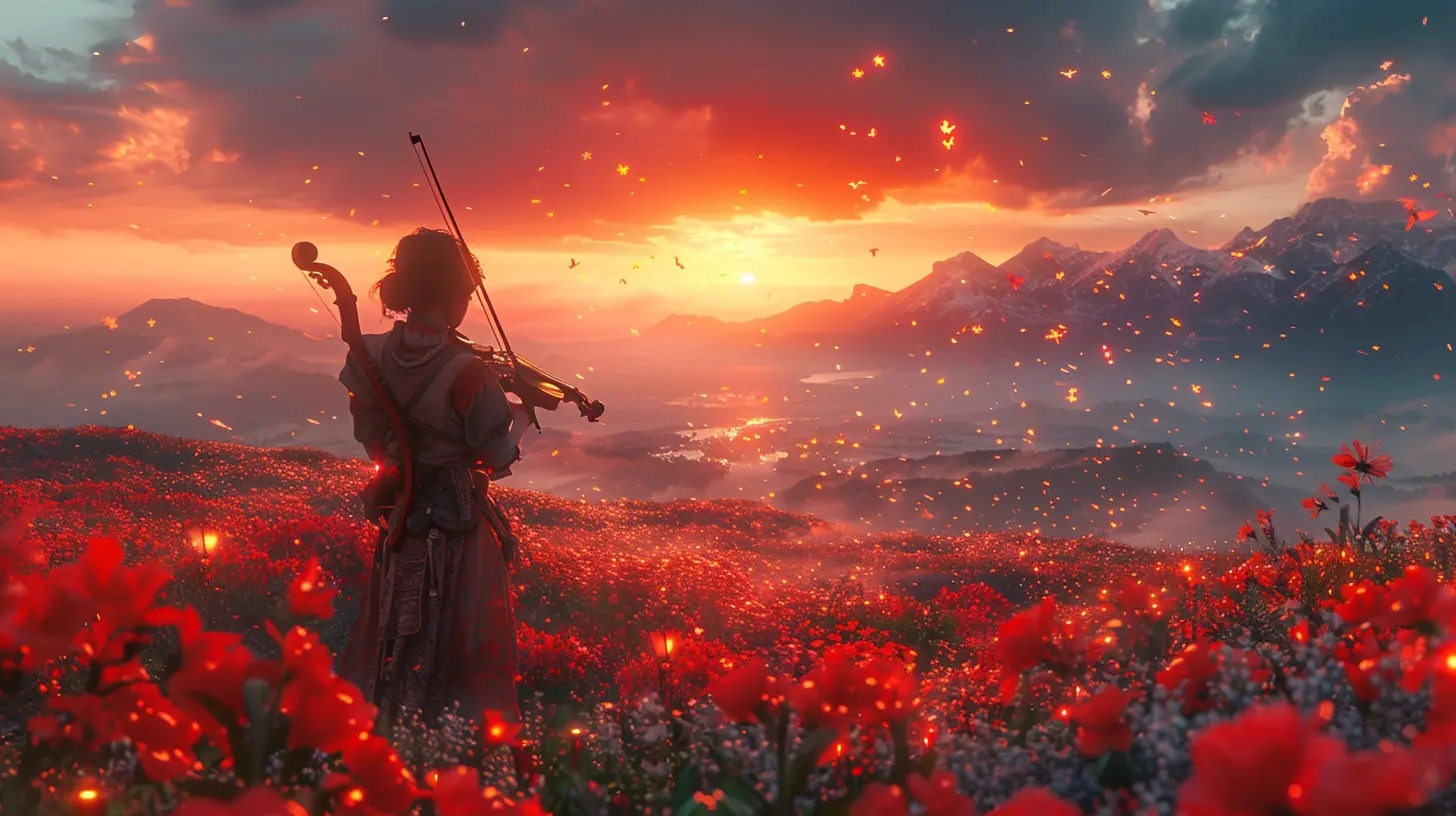
Why Music in Games Has Always Been More Than Just Noise
Think about the last video game you played. Chances are, the music wasn’t just "there" in the background—it shaped how you felt about that moment in the game. Whether it was the triumphant fanfare after defeating a boss, or the hauntingly quiet melody during a twist in the story, the music probably hit you on a deeper level. That’s because game music is crafted to evoke emotion, to make you care about what’s happening.Unlike movies, where the audience is passive, video games are interactive. Everything you do as a player—solving puzzles, fighting monsters, or just wandering around—happens in sync with the music. It’s like the game’s soundtrack is your personal cheerleader, guiding and amplifying the emotional beats of your journey.
The Emotional Language of Music
Let’s break it down. Music, at its core, is an emotional language. Certain chords and melodies can make us feel happy, sad, scared, or even nostalgic. Game developers know this and leverage it like pros.- Major keys tend to feel uplifting and positive.
- Minor keys? Say hello to sadness or tension.
- Tempo and rhythm can add urgency or calmness to a scene.
- Instrumentation plays a massive role too—think string quartets for drama or synthesizers for futuristic vibes.
Music essentially acts like a translator for emotions, helping the player "feel" the story instead of just watching it. It can make a digital world feel as real as your own—sometimes even more so.
Game Music and Emotional Storytelling: A Perfect Match
At the heart of every great game is a story. And at the heart of every great story? Emotional connection. Music is the glue that binds these elements together. Let’s look at a few ways music enhances emotional storytelling in gaming.1. Building Atmosphere
Imagine playing a horror game without its eerie soundtrack. Just a silent, dark hallway. Sure, it might still be creepy, but it’s the music—those unsettling strings, distant whispers, or sudden jolts—that make your heart race. Music sets the tone immediately.The same applies to other genres. Open-world games with lush orchestral soundtracks can make you feel like a small piece in a big, beautiful universe. Atmospheric music is less about "telling" the player how to feel and more about immersing them in the world.
2. Highlighting Emotional Beats
Picture this: You’re playing an RPG. After hours of bonding with a beloved character, they suddenly sacrifice themselves to save the party. Cue the somber music. The slow piano melody or weeping violins don’t just accompany the scene—they make it devastating. You might even tear up because the music intensifies your connection to the moment.Music is like the punctuation of storytelling—it emphasizes the highs, the lows, and everything in between.
3. Creating Memorable Themes
Some themes stick with you forever. Think of the iconic Zelda’s Lullaby from The Legend of Zelda or One-Winged Angel from Final Fantasy VII. These tracks don’t just play in the background; they become a fundamental part of the game’s identity. Every time you hear them, you’re instantly transported back to the emotions of the game.Great music has this way of anchoring memories. Years later, when you hear that familiar melody, the emotions come flooding back, as if you were playing the game all over again.
Interactive Music: Taking Emotion to the Next Level
Here’s where things get really cool: In many modern games, the music isn’t static. It changes and adapts based on what’s happening in the game and how you, the player, are interacting with it. This is called dynamic or adaptive music, and it’s a game-changer (pun intended).For instance, in games like The Witcher 3 or Red Dead Redemption 2, the soundtrack seamlessly shifts between exploration, combat, and quieter reflective moments. The transitions are so smooth you barely notice them, yet they guide your emotions every step of the way.
This interactive approach deepens the connection between the player and the story, making every moment feel personalized. It’s like the game knows exactly how you’re feeling and plays the perfect soundtrack for the occasion.
Iconic Examples of Music Elevating Storytelling in Games
If you’re still not convinced about how powerful music is in gaming, let’s take a look at some standout examples:1. The Last of Us (Gustavo Santaolalla)
The hauntingly simple guitar melodies of The Last of Us immediately set the tone for its post-apocalyptic story. The music emphasizes themes of loss, survival, and love, pulling at your heartstrings every step of the way.2. Journey (Austin Wintory)
Journey’s soundtrack is basically a masterpiece. The music evolves as you progress through the game and perfectly mirrors the emotional highs and lows of the experience. It’s no wonder it became the first game soundtrack to be nominated for a Grammy.3. Undertale (Toby Fox)
The charm of Undertale lies not just in its quirky characters and story but in its stunningly memorable music. Each character and area has its own theme, adding layers to the emotional connections you form throughout the game.Why This Connection Matters
At the end of the day, the fusion of game music and emotional storytelling matters because it makes games feel like more than just games. It turns them into an art form. It creates experiences that stick with you, that change the way you see the world, and sometimes, even yourself.When music and storytelling align, they form a bond that elevates everything—turning an ordinary moment into something extraordinary. It’s why gamers still talk about their favorite soundtracks and story arcs years later. It’s not just nostalgia—it’s a testament to how deeply those experiences affected them.
Wrapping It Up
So, the next time you’re playing a game and the music sends chills down your spine or makes your eyes well up, take a moment to appreciate it. Someone out there painstakingly composed that soundtrack to make you feel that way. Music and storytelling in gaming aren’t just partners—they’re soulmates. Together, they’ve redefined what it means to tell stories in an interactive space.And honestly? We’re all better for it.
all images in this post were generated using AI tools
Category:
Original SoundtracksAuthor:

Lucy Ross
Discussion
rate this article
2 comments
Kevin Parker
Sure, here’s a snappy comment for you: Game music isn’t just background noise; it’s the emotional powerhouse that turns pixelated adventures into unforgettable journeys. Without it, we're just pressing buttons in silence. Bring on the feels!
February 26, 2026 at 4:07 AM
Lucy Ross
I appreciate your thoughts! Game music really does elevate the experience, making each moment more impactful. It's amazing how a great score can transform a simple gameplay experience into something truly memorable.
Blair McClellan
In melodies woven, tales arise, Game music whispers, where emotion lies. A symphony of heartbeats, a story’s embrace, Each note a journey, each chord a place.
February 20, 2026 at 3:31 PM
Lucy Ross
Thank you for capturing the essence of how game music enhances emotional storytelling! Your poetic words beautifully illustrate the deep connection between melodies and the journeys we experience in games.