The Evolution of Massive Multiplayer Online Games
24 January 2026
Massively Multiplayer Online Games (MMOs for short) have come a long way. Think of it like the journey from dial-up internet to lightning-fast fiber optics. It’s been a wild ride of pixels, progress bars, and party invites. If you're wondering how we got here, buckle up—because we're diving deep into how MMOs evolved from niche nerd havens to the massive digital worlds they are today.
Table of Contents
1. The Humble Beginnings of MMOs2. The Golden Era: MMOs Go Mainstream
3. The Rise of Free-to-Play and Microtransactions
4. Graphics, Engines, and Open Worlds
5. How Social Features Changed the Game
6. Mobile MMOs: Gaming on the Go
7. Crossplay and Cloud Gaming – The New Frontier
8. The Role of Community and Mods
9. Evolving Monetization Models
10. What’s Next for MMOs?
11. Final Thoughts

The Humble Beginnings of MMOs
Back in the '80s and early '90s, MMOs didn’t look anything like the games we play today. If you weren’t around for that era, imagine games with text-based commands and no visuals. That's right—players typed in things like "go north" or "attack goblin" to navigate what were called MUDs (Multi-User Dungeons). Sound exciting? It was... in a retro, nerdy kind of way.These early MMOs were built by enthusiasts and hobbyists who were more into programming than game design. No fancy graphics, no voice chat, just good ol’ imagination and ASCII art. But you know what? These games laid the foundation for something massive.
The Golden Era: MMOs Go Mainstream
Enter the late '90s and early 2000s—the golden age of MMOs. If you're a millennial, this era probably hits you right in the nostalgia.Ultima Online (1997)
Straight-up groundbreaking. Ultima Online was one of the first games to merge role-playing with a persistent online world. It had player-driven economies, open PvP (you could get mugged!), and house-building mechanics. Wild stuff.EverQuest (1999)
Often dubbed "EverCrack" because of how addictive it was. EverQuest brought 3D graphics to the MMO scene and set the standard for raids, guilds, and high-end PvE content. It showed the world that you could build an entire social life inside a game.World of Warcraft (2004)
Then came the juggernaut: World of Warcraft. It didn’t just dominate the market—it practically redefined it. Seamless world design, colorful graphics, story-driven quests, and a polished user experience blew everyone away. WoW didn’t invent the MMO genre, but it perfected it.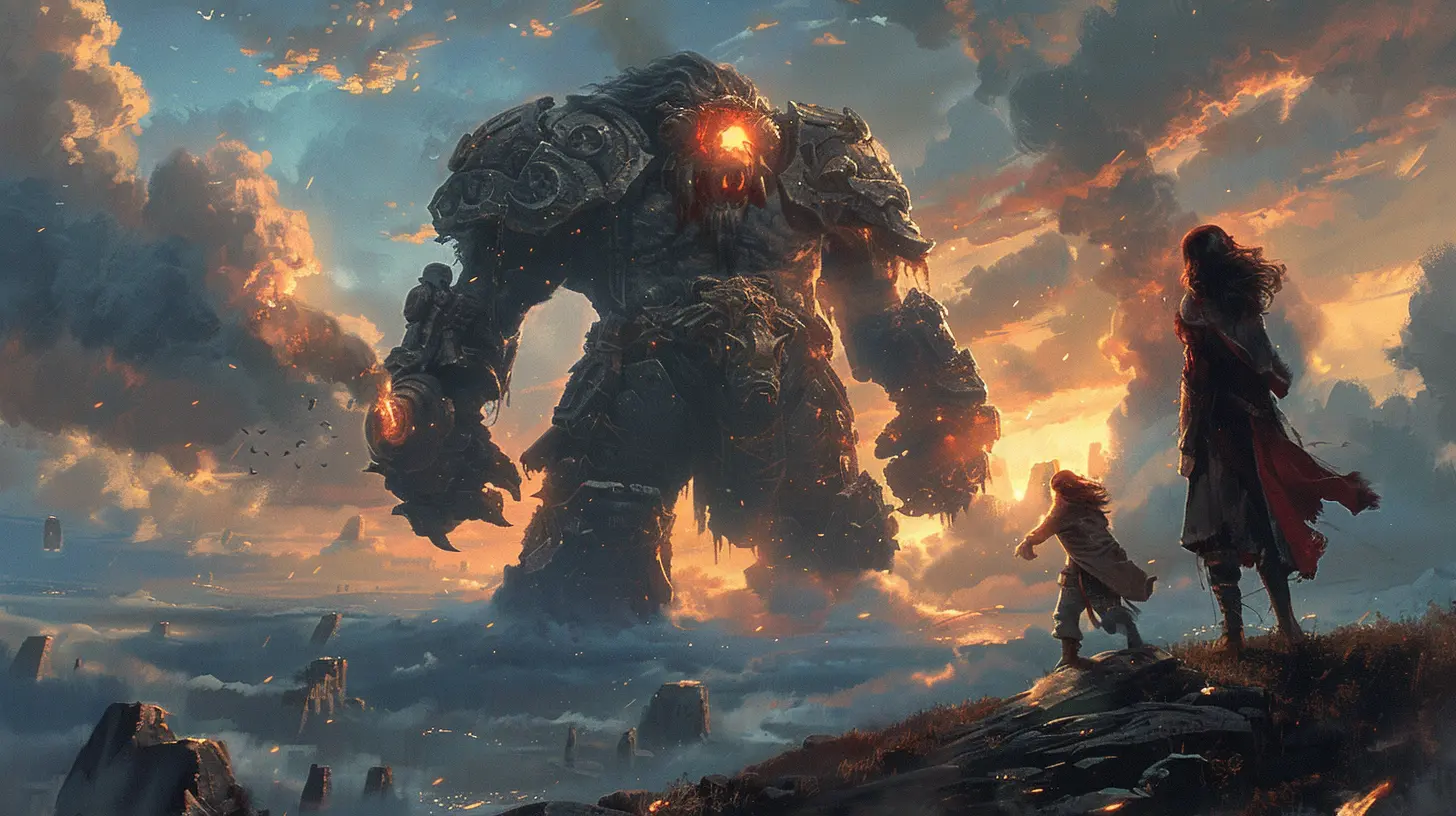
The Rise of Free-to-Play and Microtransactions
In the early 2010s, the MMO market started shifting. Subscription models were wearing thin, and players wanted something more accessible. Enter the free-to-play (F2P) model.Games like Guild Wars 2 and Star Wars: The Old Republic switched to F2P or hybrid models. And while players rejoiced at not paying monthly fees, developers saw a golden opportunity: microtransactions.
Want a cool mount? That’ll cost you. Need more inventory slots? Open your wallet. While some players hated the "pay-to-win" perception, others embraced spending a few bucks to enhance their experience. F2P didn’t kill MMOs—it gave them a new lifeline.
Graphics, Engines, and Open Worlds
Let’s talk eye candy. MMOs today look stunning compared to their blocky ancestors. High-end graphics engines like Unreal and Unity have raised the bar.Titles like Black Desert Online turned heads with ultra-realistic character models and flashy combat animations. Other games, like The Elder Scrolls Online, focused on open-world immersion where you could go anywhere and do anything.
Players now expect:
- 4K resolution
- Massive, seamless worlds
- Minimal load times
- Customizable avatars with insane detail
We’ve gone from janky sprites to virtual realism. And honestly? It's been epic.
How Social Features Changed the Game
MMOs are more than just games—they’re social platforms with dragons. In-game chat, voice comms, friend lists, and guilds created digital communities before social media was even a thing.Then came Twitch, Discord, and YouTube gaming. Now, MMOs aren't just about playing—they're about streaming, sharing, and building followings. Many players don’t even care about leveling up anymore; they log in just to hang out with friends. Some MMOs even hold virtual weddings and concerts. The line between game and social network has blurred completely.
Mobile MMOs: Gaming on the Go
Remember when we all said "MMOs on phones?? Yeah, right." Well, the joke’s on us because mobile MMOs are thriving.Games like Lineage 2: Revolution, Albion Online, and AdventureQuest have shown that you can cram entire worlds into your pocket. And let’s not forget Genshin Impact—it’s technically not an MMO, but it sure feels like one, especially with its co-op features.
Touch controls, cross-save with PC/console, constant online access: mobile MMOs might not replace PC giants, but they’re carving out a serious niche.
Crossplay and Cloud Gaming – The New Frontier
Cross-platform play is the future—and MMOs are jumping on the trend. Imagine playing on your Xbox, then picking up right where you left off on your tablet or PC. That’s the dream, and it’s already happening.Cloud services like NVIDIA GeForce NOW and Xbox Cloud Gaming let you stream MMOs without needing a beefy rig. Meanwhile, games like Final Fantasy XIV offer crossplay between PlayStation and PC players. What was once impossible is now standard. Barriers are breaking down, one server at a time.
The Role of Community and Mods
Let’s give a shout-out to the unsung heroes: the community modders. Sure, developers build the base game—but players often take things to the next level.Games like World of Warcraft and Elder Scrolls Online support modding that customizes UI, tracks stats, and even adds new content. Some MMOs exist solely because of fan dedication (looking at you, private servers).
MMOs thrive on community. From user-run events to massive Reddit discussions, it’s the players who keep these games alive long after launch day.
Evolving Monetization Models
Let’s not kid ourselves—MMOs are big business. And how they make money has changed drastically.We’ve seen:
- Subscription models (WoW, Final Fantasy XIV)
- Free-to-play with cosmetic shops (Guild Wars 2)
- Battle passes (Destiny 2, kind of MMO-ish)
- Buy-to-play with expansions (Elder Scrolls Online)
What's winning? Honestly, a mix of everything. Players are okay with spending money, just as long as they feel they're getting value. The line between fair monetization and greedy cash grabs? Still blurry, but at least we’re talking about it.
What’s Next for MMOs?
So, where do we go from here?VR MMOs
Games like Zenith: The Last City are dabbling in Virtual Reality. Imagine feeling like you’re literally walking through fantasy realms. It’s still early, but insanely promising.AI-Powered NPCs
What if NPCs remembered your actions and adapted conversations? With AI getting more sophisticated, that could become the norm. Goodbye static quest givers, hello dynamic interactions.Decentralized Worlds & Blockchain
This one's controversial, but some developers are exploring blockchain-based MMOs with ownership of in-game items through NFTs. Gimmicky? Maybe. But it’s part of the conversation.Player-Driven Development
Studios like Ashes of Creation are involving their communities from day one. Voting systems, developer livestreams, and transparent dialog are shaping development in real time. That’s a win for everyone.Final Thoughts
The evolution of massive multiplayer online games is more than just a tech upgrade—it’s a shift in how we connect, play, and even live digitally. From text screens to virtual cities buzzing with life, MMOs have become more than games. They’re digital societies.Whether you're a grizzled WoW veteran or someone who just started playing on your phone, you’re part of an ongoing, ever-expanding story. MMOs are far from dead—they’re just getting warmed up.
So, next time you log in, take a second to appreciate how far we’ve come. And then jump back into the chaos—because that raid boss isn’t going to kill itself.
all images in this post were generated using AI tools
Category:
Online GamesAuthor:

Lucy Ross
Discussion
rate this article
2 comments
Holly Roberson
Great insights on the evolution of MMOs! It's fascinating to see how player interaction and technology have shaped these games. Looking forward to future developments!
January 25, 2026 at 5:51 AM
Lucy Ross
Thank you! I'm glad you enjoyed the article. The evolution of MMOs is indeed exciting, and I can't wait to see where it goes next!
Avianna Graham
This article beautifully captures the journey of MMOs, highlighting how they’ve evolved from simple interactions to complex worlds, shaping both community and gameplay experiences.
January 24, 2026 at 3:38 AM
Lucy Ross
Thank you! I'm glad you enjoyed the article and found the evolution of MMOs captivating.