The Evolution of Virtual Reality Games and What’s Next
16 December 2025
Virtual reality (VR) gaming isn't just a passing trend—it’s a full-blown revolution that's changing the way we play, experience, and think about video games. The journey from blocky graphics and clunky headsets to immersive digital playgrounds has been wild, and guess what? We’re just getting started.
In this article, we're diving headfirst into the evolution of VR gaming, where it started, how far it's come, and what on earth is next. Whether you're a hardcore gamer, a curious tech fan, or someone wondering if now’s the time to buy a headset, buckle up—this is going to be a ride.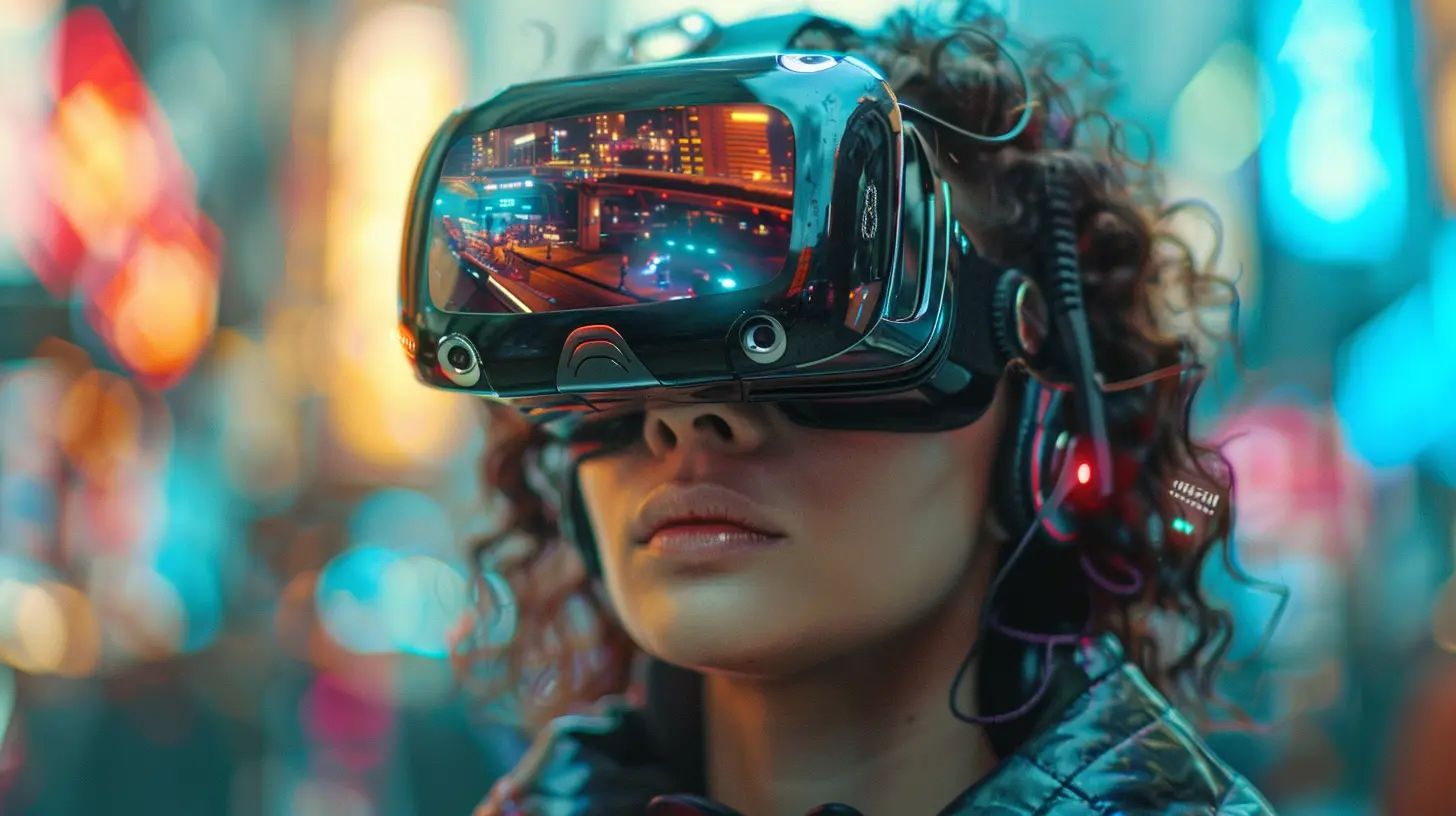
The Humble (and Clunky) Beginnings
Let’s rewind a bit. Virtual Reality isn’t exactly new. In fact, the idea has been floating around since the 1960s, believe it or not.Back then, the first real attempt at VR was Morton Heilig’s Sensorama—a machine that combined visuals, sound, vibration, and even smells. Yeah, smells! But it wasn’t until the early 1990s that VR gaming began to step into the spotlight.
Remember the Virtual Boy by Nintendo? If you don’t, you’re not alone. It launched in 1995 and flopped hard. Red monochrome visuals and a serious lack of comfort made it more of a headache (literally) than a game-changer.
Still, the seed was planted.
The Technological Boom: VR in the 2010s
Fast forward to the 2010s. This is when things really started cooking. A little device called the Oculus Rift (you might’ve heard of it?) hit the scene in 2012, and gamers were suddenly paying attention.Oculus Rift: The Game Changer
Oculus founder Palmer Luckey created a headset that actually worked—and worked well. Backed by a massive Kickstarter campaign and later scooped up by Facebook in 2014, the Oculus Rift brought VR back from the dead. This wasn't some gimmick anymore. It was real.Suddenly, other tech giants dove into the pool. Sony dropped the PlayStation VR. HTC teamed up with Valve to launch the Vive. VR headsets were getting sleeker, more powerful, and more immersive.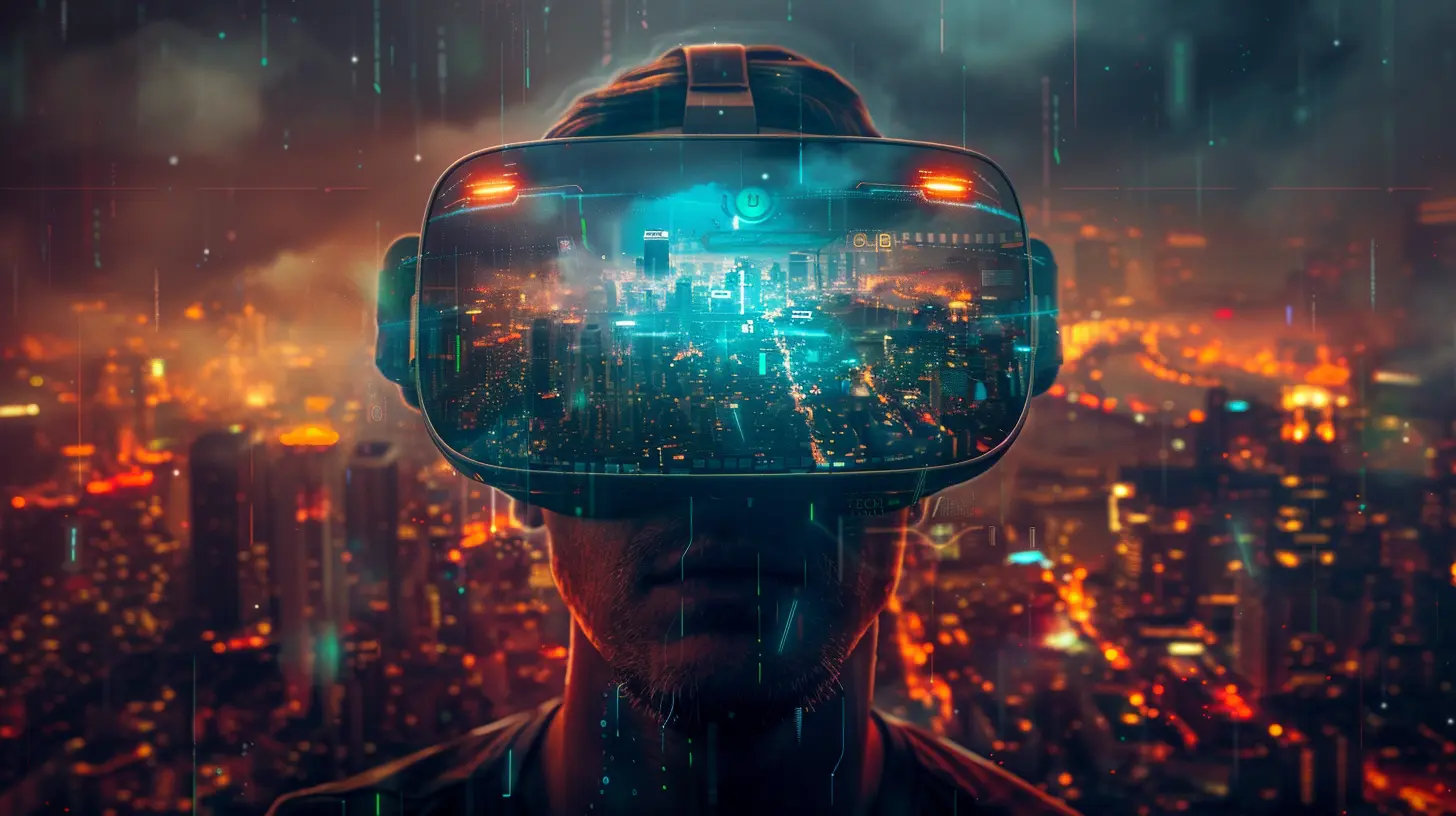
A New Era of Gaming: Total Immersion
So, what made modern VR games so different from traditional ones? It’s all about immersion.First-Person Becomes First-Person-You
When you strap on a headset, you're not playing a character—you ARE the character. You’re not just pressing buttons to swing a sword or throw a basketball; you’re physically doing it. That sense of presence? Mind-blowing.And it’s not just visuals. Audio plays a huge part too. Spatial sound means you can hear enemies creeping up behind you or a spaceship zooming over your head. It’s 360 degrees of game time.
Room-Scale VR & Motion Controls
Remember waving your arms like a maniac in Wii Sports? VR takes that chaos and gives it purpose. Room-scale tracking lets you move around your actual room and have it reflected in the game world. Combine that with motion controllers, and suddenly you’re dodging bullets, climbing cliffs, and painting in 3D space.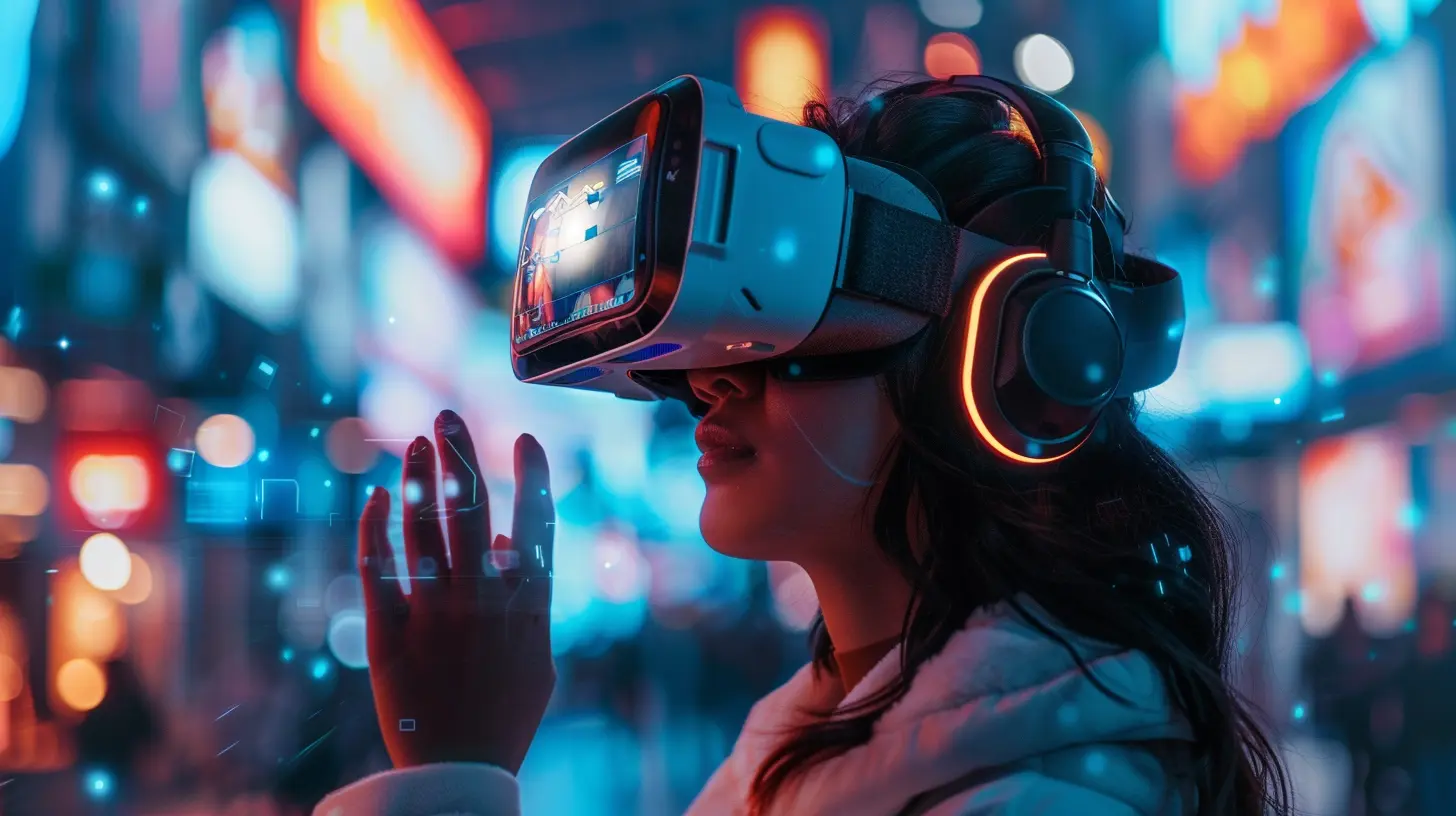
The Rise of Standalone Headsets
In the early days, VR needed a powerful PC and a web of cables just to function. But then came the standalone revolution.Enter: Oculus Quest
With the launch of the Oculus Quest in 2019, VR became truly wireless. No more expensive rigs or tangled cords—just pop the headset on your head and go. The Quest had built-in sensors, solid performance, and its own app store of games.That was a game-changer. Why? Because it made VR accessible. Suddenly, you didn’t have to be a tech wizard or filthy rich to be part of the virtual world.
VR Gaming Genres: From Shooters to Simulations
At first, VR games were mostly tech demos. You'd maybe shoot some targets or go on a short rollercoaster ride. Not anymore.Action & Shooters
Games like “Half-Life: Alyx” showed the full power of VR. Not only was it one of the best-looking VR games to date, but it also had deep gameplay and storytelling. You weren’t just in the world; you were part of it.“SUPERHOT VR” and “The Walking Dead: Saints & Sinners” added to that hardcore action list, giving players intense, physical combat with strategic movement.
Puzzle & Exploration
If you’re less into shooting and more into thinking, you’ve got games like “Moss” and “The Room VR.” These titles use unique perspectives and physical interactions to immerse players in their puzzles and environments.Social & Creative Spaces
VRChat and Rec Room took things social. These aren’t just games—they’re hangouts. Think of them like the Metaverse before it had a name. You can create avatars, build worlds, play games, or just vibe with people from around the globe.What’s Holding Back VR?
Alright, let’s be real. As cool as VR is, it’s not perfect. There are still a few big hurdles to jump over.Price
Even though headsets like the Meta Quest 2 made VR more affordable, the good stuff still costs money. High-end gear like the Valve Index or PlayStation VR2 is still out of reach for many gamers.Motion Sickness
Some folks just can’t stomach VR. That disconnect between what your eyes see and what your body feels? Yeah, it can make people queasy. Devs are working on better frame rates and smoother experiences, but it’s still an issue.Limited Play Space
Even though room-scale VR is awesome, not everyone has a spare room to dedicate to their gaming. Smaller living spaces can limit the full potential of immersive gameplay.The Future of VR Gaming: What’s Next?
Now this is where it gets exciting. We’ve come a long way, but the best is yet to come. So, what’s on the horizon?Mixed Reality: Blending Worlds
We’re already seeing headsets with passthrough cameras that let you blend the real world with the virtual one. Imagine slashing zombies in your living room or playing a tabletop RPG on your actual kitchen table—just with augmented visuals.Mixed reality opens the door to games that interact with your real environment. This kind of gameplay is going to redefine what we think of as “immersive.”
Haptic Feedback & Wearables
Controllers are just the beginning. The future points to full-body suits, haptic gloves, and even feedback vests. These will let you feel what your character feels—whether that’s the knock of a punch or the buzz of an energy blast.It sounds sci-fi, but it’s already in development. Companies like bHaptics and Teslasuit are blazing that trail right now.
AI & Dynamic Environments
Artificial Intelligence in VR isn’t just about smarter enemies. It’s about responsive worlds. Imagine NPCs that recognize you, remember your actions, and react accordingly. Think of environments that shift based on your mood or decisions.AI is going to add a whole new level of immersion—and unpredictability.
Cloud-Based VR
Cloud gaming is gaining traction, and VR won’t be left behind. With faster internet and better infrastructure, we might soon play massive VR games without downloading a thing. The hardware could become just a screen while the actual processing happens elsewhere.That could be the key to making high-quality VR accessible to everyone.
The Metaverse Potential
Yeah, yeah, the “Metaverse” has become a bit of a buzzword—but in VR, it actually makes sense. Persistent online worlds, customizable avatars, digital economies—it’s not just coming, it’s already here in parts.The real question is: Which platform will get it right first?
Why VR Gaming Still Matters
Here’s the bottom line—VR gaming isn’t just about new tech. It’s about new experiences.It’s about adventure. It’s about connection. It's about stepping into worlds that were once only in our imaginations and actually living in them. No screen, no controller, no barriers—just you and the game.
So yeah, it’s not perfect yet. But that’s kind of the point. We’re witnessing the birth of a new way to play. And let’s be honest—how often do you get to be there at the ground floor of something that big?
Final Thoughts
The evolution of virtual reality games has taken us from clunky gadgets and red wireframes to fully interactive, mind-blowing digital worlds. And the momentum isn’t slowing down.As tech continues to improve and creative minds keep pushing boundaries, the next generation of VR games is going to be something else entirely. We’ll see smarter AI, more physical feedback, mixed reality blurring the lines, and maybe even worlds that feel more real than, well, reality itself.
So if you’ve been on the fence about VR gaming, maybe it’s time to take the plunge.
After all, the virtual world is just getting warmed up.
all images in this post were generated using AI tools
Category:
Virtual Reality GamesAuthor:

Lucy Ross
Discussion
rate this article
2 comments
Trixie Patel
Exciting to see where VR gaming will go!
December 21, 2025 at 5:01 AM
Lucy Ross
Thank you! The future of VR gaming is indeed thrilling, and we're just scratching the surface of its potential!
Sara McWhorter
Exciting to see how VR evolves! What groundbreaking innovations do you think await us next?
December 19, 2025 at 4:03 AM
Lucy Ross
Thank you! I believe we can expect advancements in haptic feedback, more immersive social experiences, and AI-driven narratives that adapt to player choices. Exciting times ahead!