The Financial Side of Running a Successful Esports Team
29 January 2026
Esports has exploded in popularity over the past decade, transforming from niche gaming competitions into a billion-dollar industry. But like any business venture, running a successful esports team comes with its challenges—especially when it comes to finances. Whether you're an aspiring team owner, a player, or an enthusiast wondering what happens behind the scenes, understanding the financial side of esports is essential.
Let’s dive into how money flows in and out of an esports team, and how these organizations manage to thrive in such a competitive landscape. Spoiler alert: It’s not just about winning tournaments—though that definitely helps!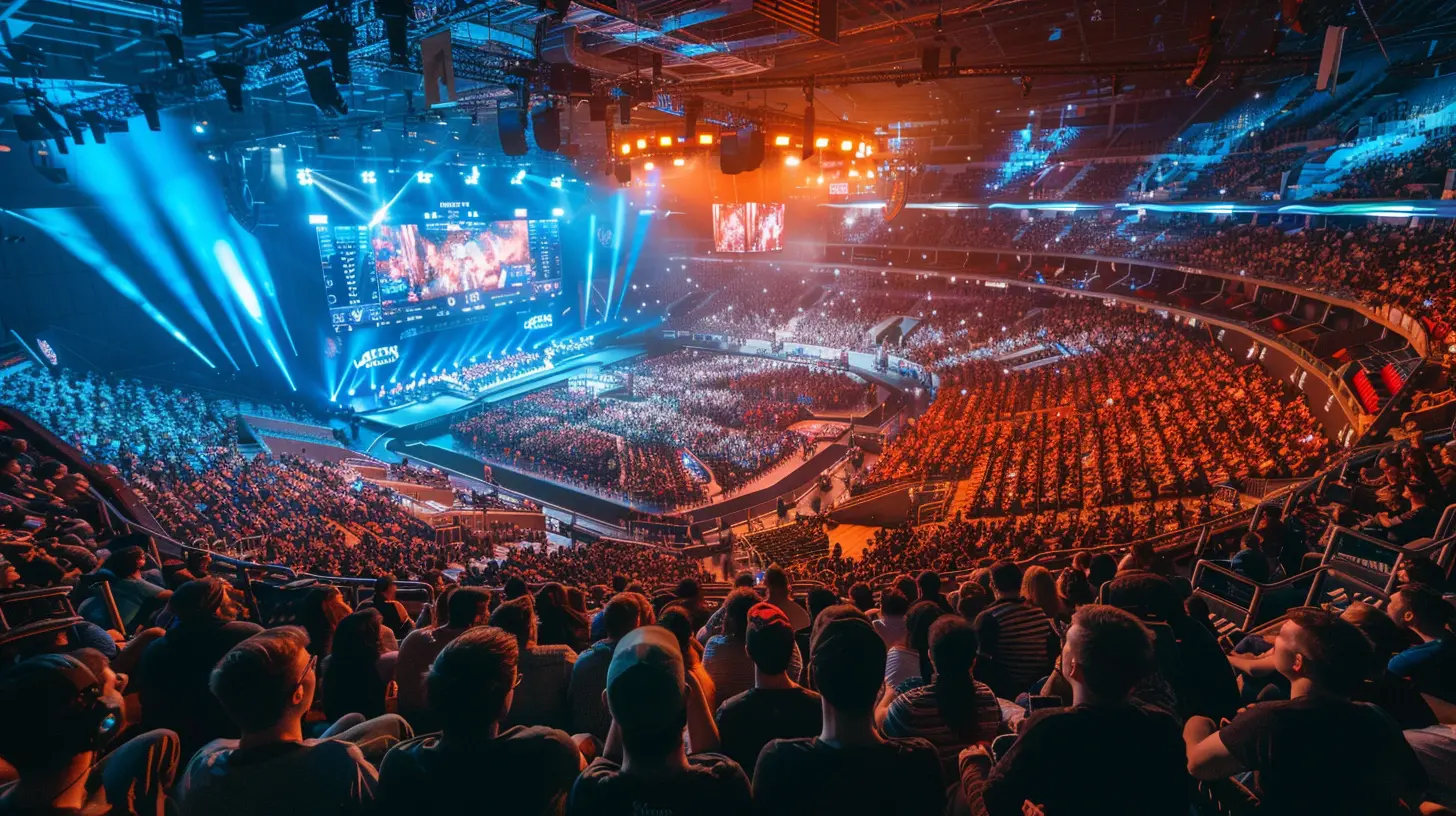
Building the Foundation: Starting Costs of an Esports Team
Running an esports team isn’t as simple as gathering a group of skilled players and calling it a day. There's a lot that happens behind the scenes before the team even plays its first match. You’re building a business, and that means costs pile up quickly.Recruitment and Salaries
Finding the right players is arguably the most crucial (and expensive) part of the process. Top-tier players don’t come cheap, and their salaries often reflect their skill level and reputation.- Player Salaries: Depending on the game and the region, player salaries can range from a few thousand dollars a month to six-figure annual contracts for the best in the world. For example, popular games like League of Legends (LoL) or Counter-Strike: Global Offensive (CS:GO) often see professional players earning hefty sums.
- Coaching Staff: A successful team also needs great coaches, analysts, and support staff. These individuals ensure players are improving, strategies are airtight, and mental health is on point—and yes, they get paid too.
Equipment and Facilities
Another significant expense is equipment and infrastructure. Gamers need state-of-the-art gear to perform at their peak. A laggy PC or a low-refresh-rate monitor isn’t going to cut it when milliseconds can mean the difference between victory and defeat.Some teams go the extra mile and build or rent training facilities equipped with high-performance gaming rigs, nutrition areas, and even sleep pods. Think of it as a blend between a high-tech gym and a gaming lounge. That kind of setup doesn't come cheap!
Expenses Aren't Just About the Players
Sure, players are the lifeblood of an esports team, but running the organization involves a lot more than paying their salaries. Let’s talk about some of the other expenses that often fly under the radar.Tournament Fees and Travel Expenses
Competing in tournaments is one of the primary reasons for an esports team’s existence. Major tournaments often require entry fees, which can range from a few hundred to thousands of dollars. Then there’s the added cost of travel—plane tickets, accommodation, and food for every team member, coach, and support staff.While some tournaments offer stipends for top-level teams, those costs still stack up over a season.
Branding and Marketing
An esports team isn’t just a group of players—it’s a brand. From logos and jerseys to social media campaigns and sponsorship activations, creating a strong brand presence requires a big chunk of change.Think about it: How do teams like FaZe Clan and G2 Esports become household names in gaming? It’s not just their gameplay; it’s their ability to connect with fans and stand out visually and culturally.
Professionals like graphic designers, video editors, and social media managers are often hired to ensure that the team’s content stands out. It’s a whole ecosystem built around promoting the brand and engaging the community.
Revenue Streams: How Esports Teams Make Money
After looking at all these expenses, you might be wondering, “How do esports teams even make money?” Great question! Let’s break down the main ways teams generate revenue.Sponsorships
Sponsorships are the bread and butter of an esports team’s income. Brands like Red Bull, Intel, and Logitech are frequently seen plastered across jerseys, banners, and social media posts. These partnerships often bring in substantial revenue and can sometimes cover a significant portion of a team’s operating budget.Here’s the catch: Gaining sponsorships requires maintaining a good reputation, producing high-quality content, and, of course, performing well in tournaments. Companies want to invest in teams that represent their brand well.
Tournament Winnings
Tournament prizes are what most people think of first when they hear about esports earnings, especially with events like The International (Dota 2) offering prize pools in the millions. While tournament winnings can be lucrative, they’re not always a reliable income source.Why? Because only the best of the best can win consistently. For smaller or newer teams, relying on tournament winnings alone is a risky strategy.
Merchandise and Fan Support
Selling merchandise like jerseys, hoodies, and accessories is another way esports teams monetize their fanbase. Many teams also leverage crowdfunding platforms like Patreon, where fans can directly support the organization in exchange for perks like behind-the-scenes content, signed merch, or meet-and-greets.The trick here is fostering a dedicated fanbase willing to invest in more than just the games. Fans need to feel connected to the players and the brand.
Content Creation
Ever notice how many esports teams have robust YouTube channels or Twitch streams? Content creation is not just about engaging fans—it’s also a significant source of revenue. Ads, brand partnerships, and sponsorship plugs in videos all contribute to the bottom line.Plus, having players stream on platforms like Twitch or YouTube can be a win-win situation. It boosts the team’s visibility and gives players an additional income stream.
Challenges in the Esports Financial World
While esports is brimming with opportunities, there’s no denying that it can be a volatile industry. Financially, the road to success is filled with potholes.High Burn Rate
Esports teams often operate on a high burn rate, meaning they’re spending money faster than they’re earning it. Salaries, infrastructure, and travel costs add up quickly, especially for teams that are still trying to build their brand and fanbase.Smaller or newer teams frequently struggle to keep up with these expenses, especially if they don’t have deep-pocketed sponsors backing them.
Reliance on External Funding
Many esports organizations rely on external investments to stay afloat, especially in their early years. While this can provide short-term financial stability, it also creates long-term pressure to deliver results—whether that’s tournament wins, audience growth, or sponsorship deals.Player Retention
The esports world is notoriously fast-paced. Players often jump between teams or retire early due to burnout, putting organizations in a tough spot. Losing a star player can also mean losing fans, sponsors, and even money.Tips for Managing Finances in Esports
If you’re considering diving into the esports world, here are some tips to keep your team financially afloat:1. Budget Wisely: Start with a realistic budget that accounts for all expenses, from salaries to travel costs. Always overestimate expenses instead of underestimating.
2. Diversify Revenue Streams: Don’t rely on just one source of income. Combine sponsorships, merchandise, content, and fan support for a more stable financial model.
3. Invest in Branding: A strong brand can attract sponsorships, fans, and partnerships. Invest in good marketing and content strategies early.
4. Build Relationships: Networking is crucial. Whether it’s with sponsors, event organizers, or even other teams, good relationships can open doors to opportunities and financial support.
Wrapping It Up
Running a successful esports team is no walk in the park. It takes more than just passion—it requires strategic planning, smart financial decisions, and a deep understanding of the industry. While the financial side of esports may seem daunting at first, the rewards can be just as massive for those who play their cards right.So, whether you’re dreaming of starting your own team or just wanted to peek behind the curtain, you now know the financial juggling act that keeps esports teams alive and thriving. At its core, it’s a mix of skill, sweat, and a little bit of business-savvy magic!
all images in this post were generated using AI tools
Category:
Esports TeamsAuthor:

Lucy Ross
Discussion
rate this article
2 comments
Patricia Klein
Great insights on the financial dynamics behind esports teams! It's fascinating to see how strategy and budget management play crucial roles in building a successful organization. Keep up the excellent work!
February 10, 2026 at 4:33 PM
Lucy Ross
Thank you for your kind words! I’m glad you found the insights valuable.
Dean McMillen
Great insights on the financial aspects of esports! Understanding sponsorships, player salaries, and event revenues is crucial for aspiring team owners. Balancing expenses while maximizing visibility can lead to sustainable growth in this competitive landscape. Looking forward to more articles on team management strategies!
January 31, 2026 at 4:49 AM
Lucy Ross
Thank you for your feedback! I’m glad you found the insights valuable. Stay tuned for more articles on effective team management strategies!