The Influence of Jazz on Video Game Sound Design
27 November 2025
Let’s be real—when you think of jazz, your mind probably jumps to smoky clubs, complex drum patterns, and smooth saxophone solos, right? But what if I told you that this iconic genre also sneaks into some of your favorite video game soundtracks? That’s right—jazz isn’t just a background vibe in old-school diners or film noir movies. It’s been weaving its magic into video games for decades now, shaping how we experience digital worlds through sound.
In this deep dive, we’ll unravel how jazz has influenced video game sound design. We’ll touch on its history in gaming, break down iconic soundtracks, and look at why jazz is more than just cool—it’s a design powerhouse. So, turn up the volume and let’s jam into the mechanics of sound in gaming.
What Makes Jazz So Unique?
Before jumping into games, we need to appreciate what jazz brings to the table.Jazz is unpredictable. It’s all about improvisation, complex rhythms, odd time signatures, and harmonies that break the “rules” of traditional music. This genre thrives on spontaneity and emotion, offering a soundscape that’s rich, textured, and constantly evolving.
That fluidity? It’s a huge asset in game sound design.
Video game music needs to be dynamic—it follows the player's choices, responds to tension, and sets the mood for unique experiences. Jazz, with its improvisational DNA, provides the perfect foundation for that kind of musical flexibility.
A Brief History: Jazz in Games — Not a New Thing
If you think jazz in games is something recent, think again. It’s been around since the early days of arcades and continues to influence modern AAA titles and indie gems alike.The Arcade & 8-Bit Era
Jazz elements found their way into games as early as the '80s. Think of the bouncy, upbeat tunes of early platformers and arcade classics—while limited by hardware, composers mimicked jazz’s syncopation and swung rhythms to create engaging music. Games like Out Run (1986) by Sega even had jazz fusion-inspired tracks that made racing through pixelated sunsets feel ultra-cool.90s Jazz Renaissance in Gaming
As consoles got more powerful, composers had more freedom. Enter the golden age of jazz-influenced soundtracks.Super Mario 64 had more than a few jazzy moments. And don’t forget Grim Fandango (1998)—a noir adventure game drenched in jazz, swing, and bebop. It wasn’t just background noise; it was part of the game’s identity, infusing every dialogue and scene with flavor.
Why Jazz Works So Well in Video Games
It’s not just about sounding “cool.” Jazz plays a big role in enhancing the gameplay experience—and here’s why.1. Flexibility = Perfect for Adaptive Soundtracks
Games aren’t linear. They twist and turn based on player choices, and the music needs to keep up. Jazz’s improvisational backbone allows composers to write tracks that adapt in real-time.Let’s say you’re sneaking through a dimly lit alley in a stealth game. A slow, bluesy sax plays in the background. But then—bam! You’re caught, and the soundtrack fluidly kicks into a fast-paced bebop groove. That seamless transition wouldn’t feel as natural in more rigid musical styles, but jazz? It was basically made for this.
2. Complex Emotions Made Simple
Jazz has a way of expressing emotional nuance better than many genres. It can be moody, mysterious, carefree, or chaotic—all in one track. That’s gold for game designers who want music to reflect a game’s story arcs and character developments.Whether it’s the melancholy of a dying world or the playful tone of a quirky puzzle game, jazz can dial in the exact vibe needed.
3. Unique Sonic Identity
Let’s face it—games are competing for attention. A jazzy soundtrack stands out in a sea of orchestral scores and electronic beats. It gives the game its own voice.Take Persona 5, for example. You hear a track, and you instantly know it’s from that game. The jazzy mix of acid jazz and funk became part of its DNA.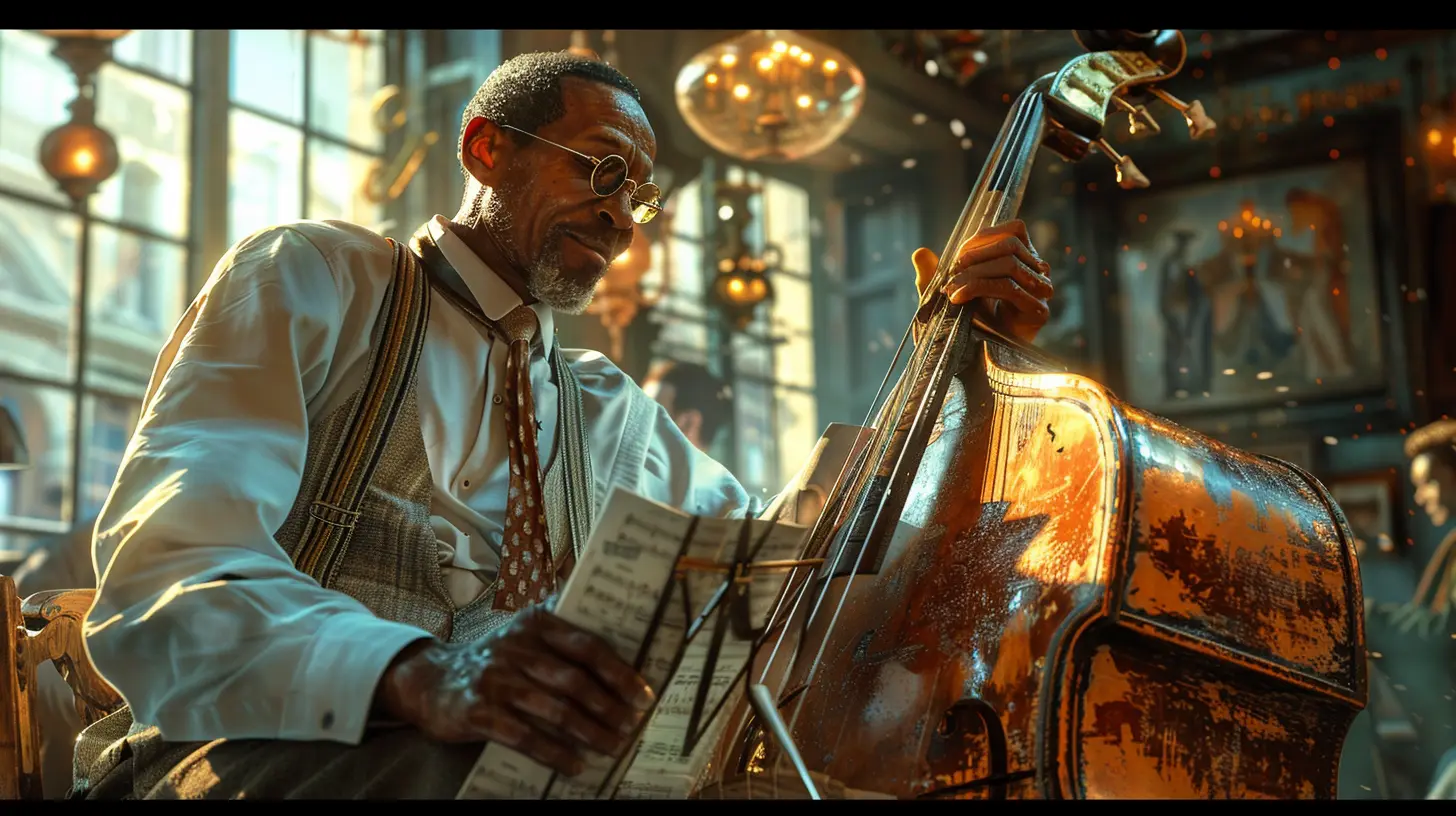
Iconic Games Powered by Jazz Sound Design
Alright, time to crank up the nostalgia and look at some major games that nailed jazz in their sound design.🎷 Persona 5 – The Masterclass
You can’t talk about jazz in video games without mentioning Persona 5. It oozes style from every corner, and the acid-jazz soundtrack is a huge reason why.Tracks like “Wake Up, Get Up, Get Out There” and “Last Surprise” blend jazz with funk, soul, and rock to perfectly match the game’s rebellious tone. Composer Shoji Meguro didn’t just use jazz as an influence—he made it core to the experience.
🕵️♂️ L.A. Noire – A Jazz Time Capsule
Set in post-war 1940s Los Angeles, L.A. Noire immerses the player in a crime drama dripping with vintage vibes. The soundtrack leans heavily on smooth jazz and noir-style compositions to pull you back in time.It’s more than aesthetic—it helps set the pace for investigations and gives weight to narrative decisions. Without jazz, the game would feel half as authentic.
🧟♂️ Cuphead – Old-School Jazz on Steroids
Now here’s a wild one. Cuphead looks like a 1930s cartoon and sounds like one too. Jazz, swing, and ragtime blend into a relentless, high-energy soundtrack that matches the game’s brutal difficulty.Composed by Kristofer Maddigan, the music pushes you along even when you’re dying for the hundredth time. It’s that fast-paced swing that keeps things from getting stale.
Indie Games Love Jazz Too
Indie developers, free from corporate constraints, often go all-in on unique sound design—and jazz has become their secret weapon.🎹 Ape Out – Drums and Chaos
Imagine sprinting through hallways, smashing enemies into walls, while a live jazz drummer goes absolutely wild in the background. That’s Ape Out. The music is procedurally generated based on player action.The drum solo? That’s you, baby.
🎭 Genesis Noir – Art and Sound Collide
This surreal adventure explores cosmic events through a noir lens. The soundtrack? A dreamlike jazz blend that perfectly complements the abstract visuals and philosophical story.It’s not just sound design—it’s sound art.
Jazz Techniques That Show Up in Game Audio
So, besides sounding great, how does jazz shape the actual craft of game sound design?1. Improvisation-Based Adaptive Composing
Many composers use jazz’s improvisational concepts to build adaptive music systems. These systems take in gameplay variables and “improvise” changes dynamically, creating the perfect mood for a player’s action in real time.2. Use of Modal Harmonies & Unconventional Chords
Jazz loves exploring weird, rich chord progressions. Game composers tap into this by building sound palettes that feel different and surprising—perfect for fantasy games or surreal environments.3. Rhythmic Complexity for Tension and Release
Jazz rhythms are tricky—but that’s a good thing. By playing with offbeats, polyrhythms, and syncopation, composers can create tension without going full-on horror. It’s subtle and elegant, keeping players on their toes.The Future of Jazz in Video Game Music
So, where is this all going? Honestly, the fusion of jazz and gaming is just heating up.As game developers continue to experiment with narrative, tone, and player agency, jazz will remain a go-to tool for composers looking for musical flexibility and emotional depth. And with AI and procedural generation stepping into the sound design space, improvisational genres like jazz are a natural fit.
We’re already seeing jazz influence stretch into genres you’d never expect—sci-fi shooters, open-world RPGs, even racing sims. The lines between game music and mainstream music are blurring, and jazz is the groove tying it all together.
Wrapping It Up
Jazz in video games isn’t just a passing fad—it’s a design philosophy. It offers unpredictability, emotional range, and a timeless cool that few genres can match. Whether it's lurking in the background or taking center stage, jazz elevates the narrative, gameplay, and immersion of a video game.So next time you're deep into a game and find yourself nodding along to the tunes? You might just be vibing with a little jazz magic.
all images in this post were generated using AI tools
Category:
Original SoundtracksAuthor:

Lucy Ross
Discussion
rate this article
2 comments
Zeke Watson
Jazz brings dynamic rhythm and improvisation to game soundtracks, enhancing player immersion and emotional depth.
November 29, 2025 at 5:34 PM
Lucy Ross
Thank you! I agree—jazz's unique rhythms and improvisational elements truly enrich game soundtracks, creating a deeper connection between players and the game world.
Diana Hughes
Great insights! Jazz truly adds depth and emotion to gaming experiences.
November 28, 2025 at 4:56 PM
Lucy Ross
Thank you! I'm glad you enjoyed the insights—jazz indeed brings a unique emotional layer to gaming that enhances the experience.