The Rise of Battle Royale and What It Means for Online Games
23 July 2026
If you've been keeping tabs on the gaming world at all in the past few years, chances are you've heard the term “Battle Royale” thrown around like confetti at a New Year’s Eve party. From Fortnite dances to PUBG chicken dinners, this genre has exploded—dominating Twitch streams, topping download charts, and stealing the spotlight in the competitive gaming scene.
But why has Battle Royale taken over, and what does its rise mean for the future of online games? Buckle up—we’re diving deep into the chaotic, adrenaline-fueled world of Battle Royale games and unpacking why they’ve become a cultural phenomenon and how they’re reshaping the online gaming landscape.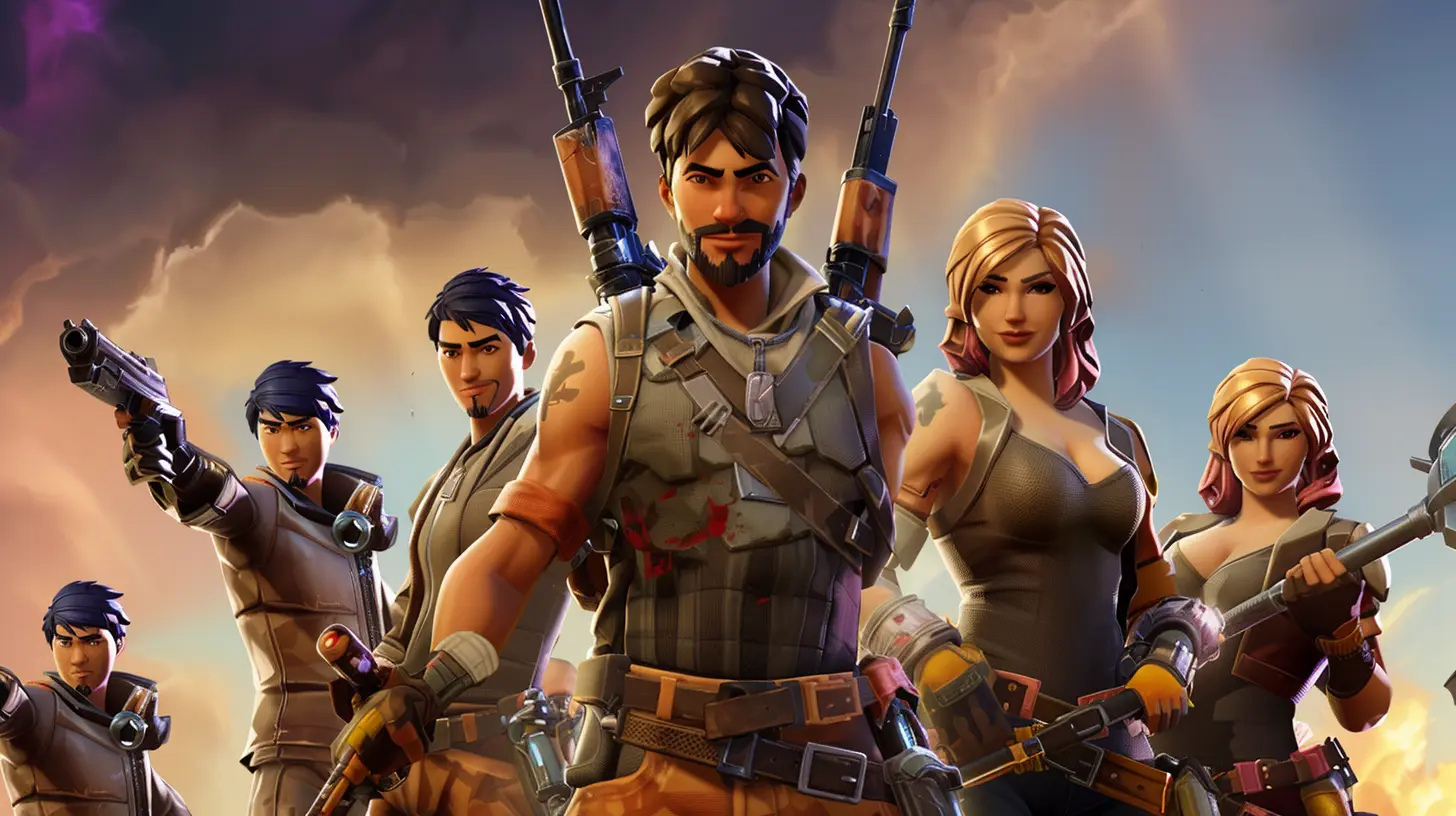
What Exactly Is a Battle Royale Game?
Before we jump into the why and how, let’s break down what Battle Royale even means. At its core, a Battle Royale game is a high-stakes survival match. Picture this: you (and maybe a teammate or two) are dropped into a large map with a bunch of other players—usually 100 or so. You scramble for weapons, armor, and supplies. The game area gets smaller over time, forcing players into increasingly close quarters. The last player or team standing wins.Sounds intense, right? That’s because it is.
The genre blends survival, exploration, strategy, and action into one ever-tightening pressure cooker. It’s kind of like digital Hunger Games—but without the crossbows and dystopian rebellion (well, maybe just less of it).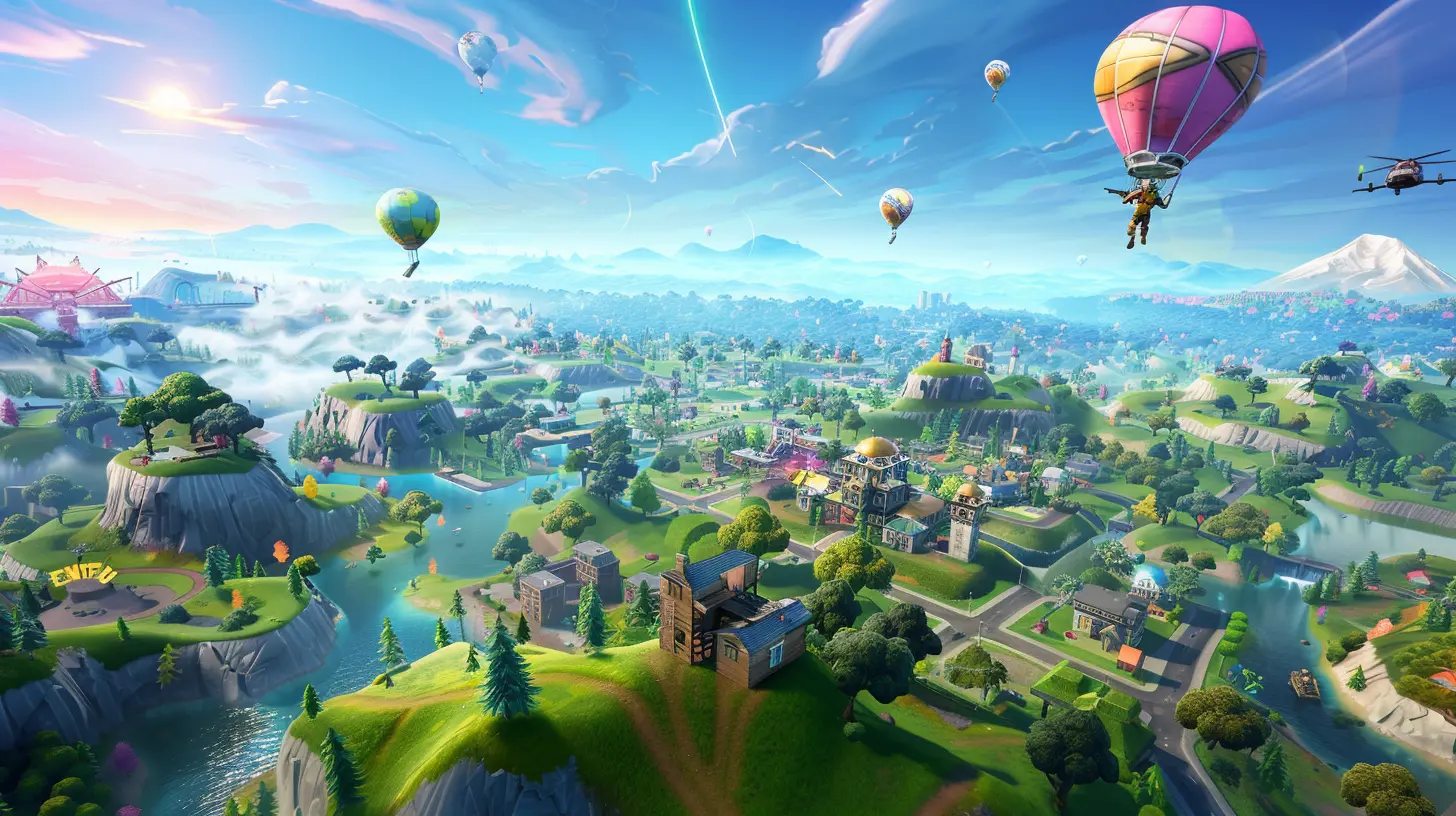
The Origins of the Battle Royale Craze
Although Battle Royale blew up with Fortnite and PUBG in the late 2010s, the idea isn’t exactly new.The term itself comes from a Japanese 2000 movie called “Battle Royale,” where a group of students is forced to fight to the death on a deserted island. This concept inspired mods in games like Minecraft and ARMA, where players created last-man-standing scenarios.
One of the earliest major successes? DayZ: Battle Royale, a mod that eventually evolved into PlayerUnknown's Battlegrounds (PUBG), developed by Brendan “PlayerUnknown” Greene. PUBG’s success set off a wildfire: Epic Games saw the potential and pivoted Fortnite into a free-to-play Battle Royale mode, and the rest, as they say, is history.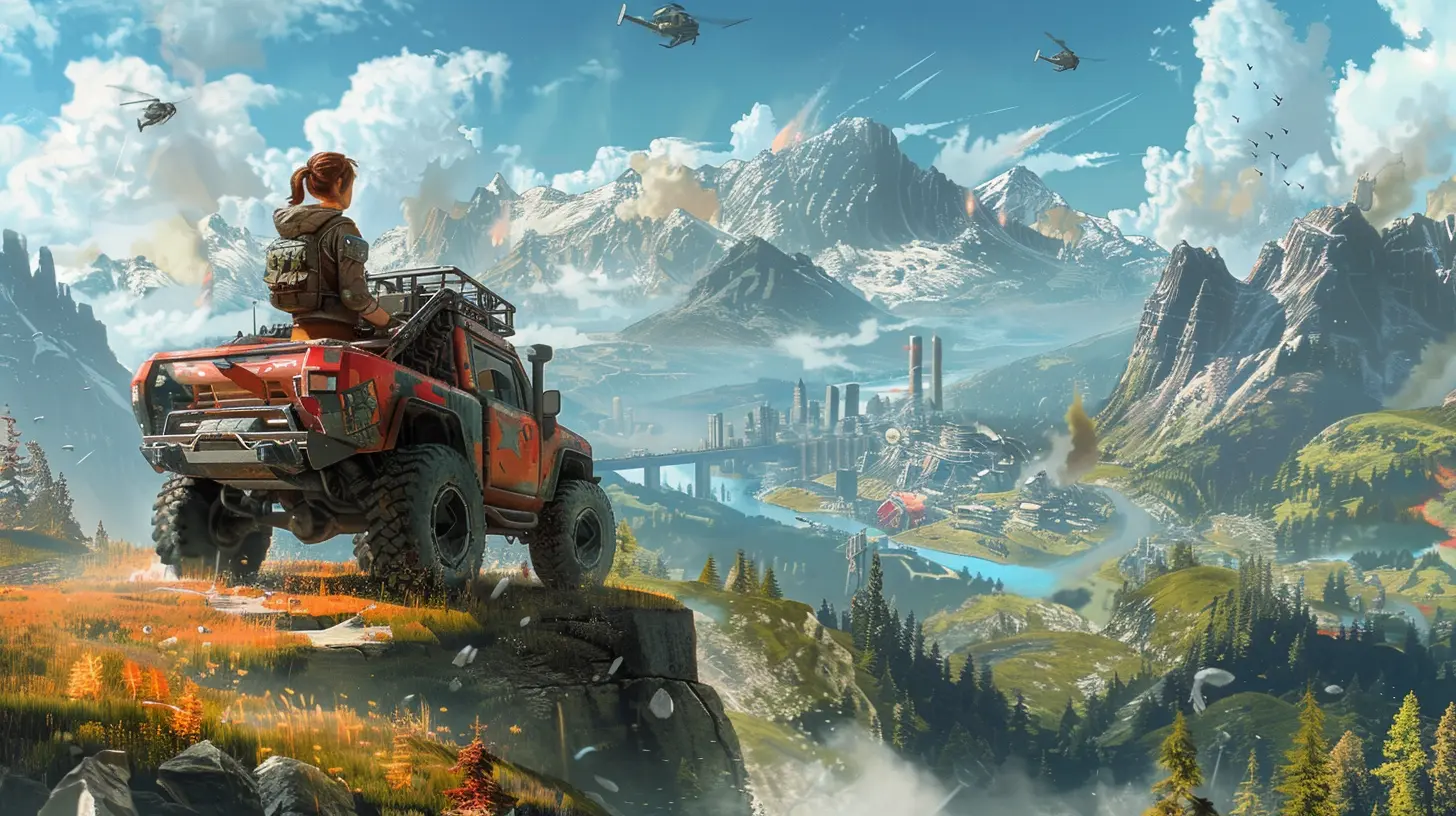
Why Battle Royale Blew Up
Let’s be honest—Battle Royale didn’t just get big for no reason. It combined a bunch of irresistible ingredients:1. High Replayability
Every match is different. The randomness of loot, shrinking zones, and player decisions make each game feel fresh. You don’t just memorize a map—you adapt to survive.2. Spectator Appeal
Games like Fortnite and Apex Legends are made for Twitch and YouTube. Watching a skilled player clutch a win from the brink of defeat? That’s the kind of content fans eat up.3. Free-to-Play Model
Fortnite’s biggest flex? Anyone with a device and an internet connection could jump in. No upfront cost removed a massive barrier for casual players.4. Social and Competitive Hybrid
Whether you're playing with friends or going solo, BR games offer both casual and competitive experiences. You can treat it like a weekend hangout—or get serious and chase leaderboards.5. Progression Without Pay-to-Win
Many Battle Royale games monetized through cosmetic upgrades—skins, emotes, battle passes—keeping the playing field fair while still raking in millions. Players could look cool without buying an advantage.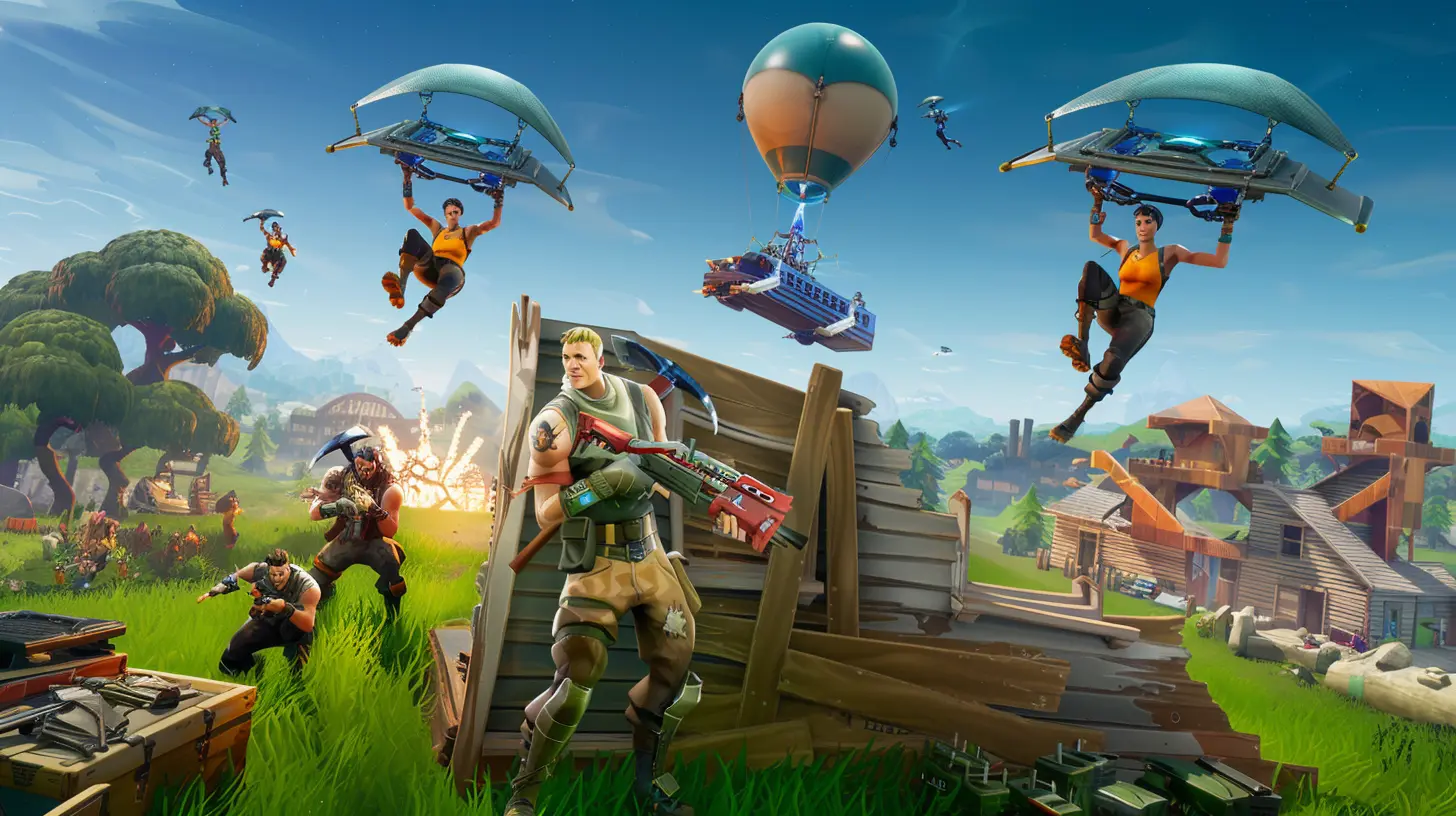
The Impact on the Gaming Industry
Battle Royale’s dominance shook the entire gaming ecosystem. Studios big and small started shifting gears to cash in on the growing trend. The ripple effect? Let’s break it down.1. Game Development Priorities Shifted
Studios began prioritizing online multiplayer experiences over single-player narratives. Games like Call of Duty introduced BR modes (Warzone), while others like Battlefield V attempted their own spin (Firestorm).This meant more resources went into maintaining live-service models, pumping out fresh content to keep players hooked.
2. New Monetization Strategies Emerged
The success of Fortnite’s Battle Pass changed how games make money. Instead of one-time purchases or loot boxes, players now pay for seasonal content and cosmetic unlocks. This model keeps players returning and extends the game’s life cycle.3. Esports and Streaming Got a Boost
Battle Royale games are tailor-made for streaming—quick action, dramatic turns, clutch wins. Esports organizations took notice, hosting massive tournaments with million-dollar prize pools. Fortnite’s World Cup in 2019? A 16-year-old won $3 million. Wild.4. Cross-Platform Play Became a Priority
Epic Games raised the bar by allowing Fortnite players to play together across consoles, PC, and mobile. Today, cross-platform play isn't just a bonus—it’s a must-have.Challenges of the Battle Royale Model
It’s not all victory royales and smooth sailing. The genre has its hurdles. Some of these challenges could shape how BR evolves—or whether it fades like other fads before it.1. Saturation and Fatigue
At one point, it felt like every studio was jumping on the Battle Royale bandwagon. This flood of copycat titles led to player fatigue. Many games failed to stand out and quickly faded into obscurity.2. High Skill Gap and Toxicity
The competitive nature can be intimidating. New players often get wrecked by veterans or streamers with hundreds of hours logged. Add in voice chat, and you’ve got a recipe for toxicity if not moderated properly.3. Server and Technical Issues
Running a 100-player multiplayer game in real-time is no joke. Developers face massive challenges in keeping servers smooth and cheaters out. Bugs and lag can ruin the experience fast.4. Short Content Lifespan
The need for constant updates to keep things “fresh” is exhausting for dev teams. Miss a content drop or release something underwhelming? You risk losing your player base to the next shiny thing.What's Next for Battle Royale?
You might be wondering—what’s the future of Battle Royale? Is it peaking, or just getting started? Here’s what we might expect.1. Genre Hybrids
We’re already seeing BR elements sneak into other genres—like Fall Guys (a party game twist) or Tetris 99 (yes, even puzzle games). Expect more mashups: BR meets horror? RPG? Racing? The possibilities are wild.2. Narrative-Driven Battle Royale
Developers might blend storylines and lore into BR titles. Think seasonal plotlines, evolving maps, and character development—kind of like a TV series you play.3. Smaller, More Strategic BRs
Not every BR needs 100 players. Games like Apex Legends proved that smaller lobbies and tighter maps can still pack a punch. We might see more bite-sized BR experiences that fit better into busy schedules.4. VR Battle Royale
With VR technology advancing, it’s only a matter of time before someone nails a truly immersive BR experience. Imagine looting, building, and battling with full-body control. Sounds futuristic—but not far off.What It Means for Online Gamers Like You
Let’s get real—what does all this mean for you, the gamer? Whether you love Battle Royale or roll your eyes every time someone says “drop at Tilted,” this genre has changed online gaming in huge ways.Here’s the TL;DR:
- ? Online games are now more social, competitive, and accessible.
- ? Free-to-play and cross-platform models are the new standard.
- ? Skill-based play and regular content updates are expected.
- ? Streaming and esports are more mainstream than ever.
If you’re a developer, BR's rise shows the importance of adapting quickly, engaging communities, and thinking outside the box. If you’re a player, you've got more choice, more ways to play, and more power in shaping what comes next.
Final Thoughts: Is Battle Royale Here to Stay?
Every trend has its peak, and while Battle Royale may eventually cool off, its influence is already locked in. It redefined how we think about multiplayer, monetization, and game design. It brought new players into gaming, launched careers, and gave us unforgettable moments.Even if the genre evolves or splinters off into new forms, the spirit of Battle Royale—high-stakes, last-player-standing chaos—is here to stay.
So, next time you drop into a match, whether you’re aiming for that legendary dub or just looking to have fun with friends, remember—you’re part of one of the most fascinating moments in gaming history.
And who knows? Maybe the next big thing is already loading
all images in this post were generated using AI tools
Category:
Online GamesAuthor:

Lucy Ross