The Rise of Community-Created Game Content
12 July 2026
Gaming's evolution has always been a thrill to watch, but there’s one movement that's been truly rewriting the rules: community-created game content. From quirky mods to fully-fledged fan-made games, players aren’t just playing anymore—they’re building, sharing, and sometimes even outshining the original developers.
Let’s get real for a sec—haven’t you ever wished a game had that one cool feature? Or maybe you had a wild idea for a new quest or level? Well, thousands (probably millions) of gamers are taking matters into their own hands, and it’s changing the industry vibe completely.
So, what’s driving this DIY game revolution, and why should gamers and developers both be paying close attention?
What Exactly Is Community-Created Game Content?
Let’s break it down. Community-created content refers to any game-related material crafted by players rather than the original devs. This could be:- Mods (modifications)
- Custom skins or avatars
- Fan-made maps or levels
- Entire games built using engines like Unity or Unreal
- Fan translations or voice-overs
- User-generated storylines or dialogues
Basically, if it comes from the mind of a player and tweaks or builds on a game, it counts.
How Did We Get Here?
It didn’t happen overnight. The roots of community-made content go way back.The Modding Era of the '90s and Early 2000s
Remember games like Doom and Half-Life? These titles opened the door for modding. People started to tinker around, creating new levels, characters—and in some cases—entirely different gameplay experiences. Ever heard of Counter-Strike? Yep, that began as a mod.The Boom of Toolkits and Editors
Game studios eventually caught on. Releasing level editors and toolkits became standard practice. Games like Warcraft III included powerful editors, giving regular players god-like control. DotA (Defense of the Ancients) is the legendary result of that movement—and, oh yeah, it spawned League of Legends.Enter the Modern Platforms
With platforms like Steam Workshop, Roblox, and Minecraft, the barrier to entry basically melted. No need to be a code wizard anymore—just creativity and a bit of dedication. And with social media and YouTube, creators could now show off their work to the world in seconds.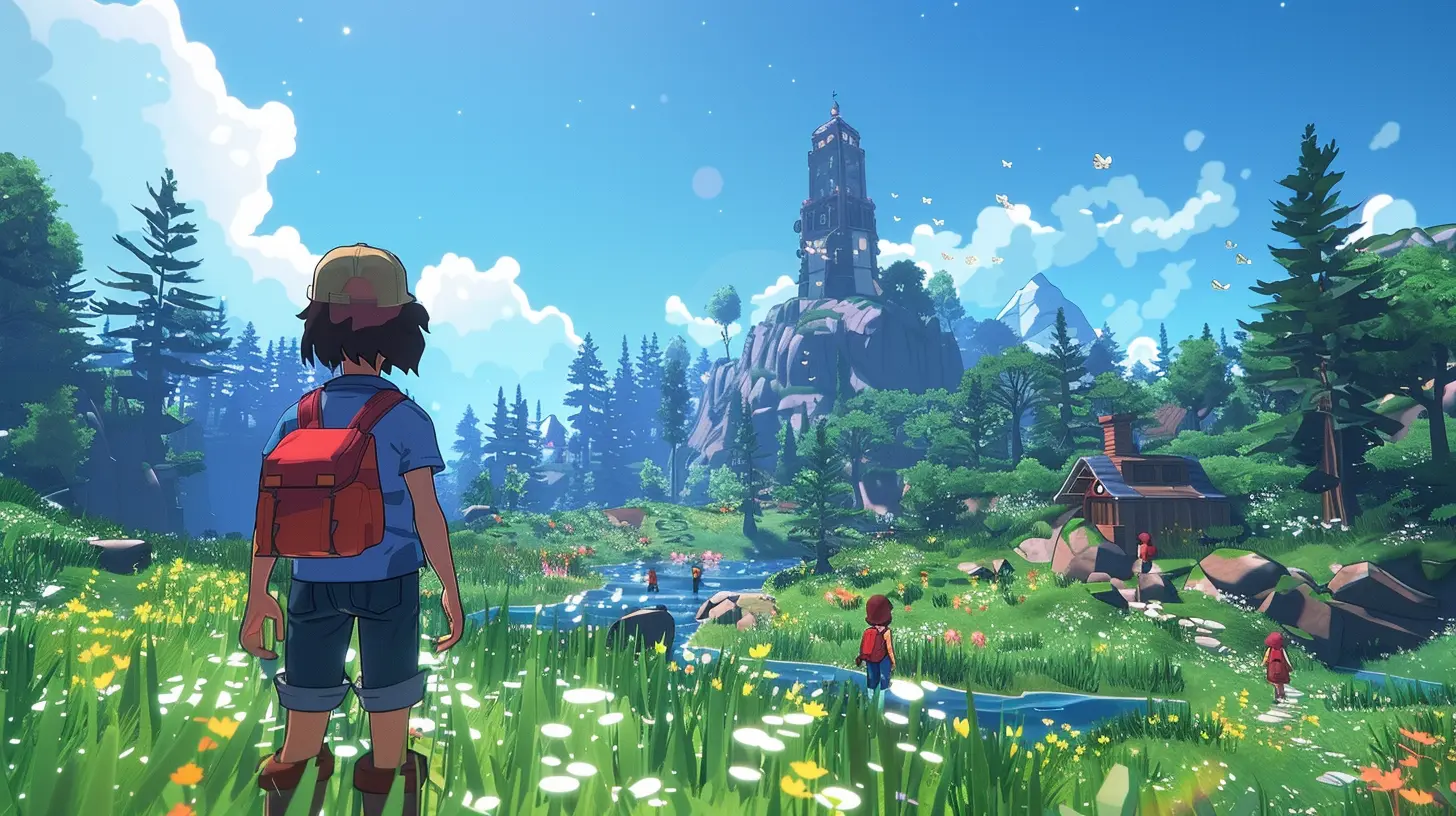
Why Gamers Are Flocking To Create
So, why are so many players willingly pouring hours into creating stuff—often for free?1. Creative Freedom: Be the God of Your Own World
Tired of waiting for updates or features that never come? Just make your own. Community content lets players inject their own vision into the games they love. Whether it’s a new weapon, a banana suit, or a total overhaul of the story—your imagination is the limit.2. Recognition and Community Clout
Gamers are gaining serious street cred from their creations. Some even become online celebrities. Others build full careers from modding—land jobs in game development or launch their own titles. It’s like being discovered at an open mic night.3. Fixing What Devs Miss
Let’s face it—developers are human too. Bugs get missed, balance gets messed up, and features fall flat. Enter the player-modder, swooping in like Batman to fix what's broken. Some mods make games infinitely better than their vanilla versions.4. It’s Just Fun
Sometimes it’s not about fame or fixes—it’s about pure joy. Tinkering, building, customizing—it scratches that creative itch in a way playing never can.
The Tech Fueling This Revolution
None of this would be possible without easy-to-use tools.Game Engines for the Masses
Platforms like Unity and Unreal have democratized game development. What once required a team of experts can now be tackled by one passionate person in their bedroom. These engines give people professional tools, often for free.Steam Workshop: The Mod Mecca
Steam Workshop has made it seamless to share and install community mods. No more digging through sketchy forums or battling .zip files. Mods are just a click away.Roblox and Minecraft: Sandboxes with Infinite Potential
These aren’t just games—they’re platforms. They hand over the world-building tools to users, and the results are mind-blowing. Some users are making full-on games, earning money, and building empires inside digital sandboxes.Real-World Examples of Epic Community Creations
Let’s look at some jaw-dropping examples of what community creativity can deliver.1. Skyrim Modding Scene
Skyrim’s mod community is straight-up legendary. From overhauled graphics and new characters to entire new questlines, the game has been essentially reborn dozens of times. Some of the most downloaded mods fix bugs Bethesda never did—or never would.2. GTA V Roleplaying Servers
GTA V went from crime sandbox to social experiment thanks to mods like FiveM. Players now run fully-functioning virtual towns, with jobs ranging from EMTs to... taco truck owners. It’s like The Sims meets Grand Theft Auto, and it's genius.3. Stardew Valley Mods
Want to change every character into anime versions? Add hundreds of crops, animals, and even festivals? Mods for Stardew Valley let you do all of that—and somehow fans still want more.4. Halo Forge Mode
Halo’s Forge mode is a brilliant in-game level editor. Fans have designed everything from obstacle courses to remakes of classic maps. It’s not just fun—it extends the game’s life by years.How Developers Are Embracing (and Encouraging) It
Not all studios fear the modders. Smart developers realize that player content is a goldmine of creativity, engagement, and even future hires.Valve’s Mod-First Mentality
Valve has historically leaned into mod culture. After all, some of their biggest hits—Counter-Strike, Team Fortress, Dota 2—started as community creations.Bethesda’s Mixed Bag
While Bethesda has supported mods through the Creation Kit and even monetized them through Creation Club, the community still toes a fine line between support and opposition. It's complicated... but it's still ongoing.CD Projekt Red and REDmod
CD Projekt Red launched REDmod for Cyberpunk 2077, a toolkit to make modding easier and more integrated. It’s a clear sign they see player input as a long-term asset, not a threat.The Impact on the Industry
This isn’t just a side hustle for gamers—it’s reshaping how the entire industry thinks and operates.Extended Game Longevity
Games with strong modding communities stay alive for years—sometimes decades. Half-Life came out in 1998, but its mods still draw interest today. A strong community can breathe eternal life into a game.Free R&D for Devs
Think about it: developers get to see what players want, what works, and what doesn't—without lifting a finger. Community creations are like a testing ground for new features, styles, and stories.Game Dev Talent Pipeline
Modders often become professional developers. If you can mod, design, and build content, you’re essentially auditioning in real-time. Studios often scout top modders for junior development roles.The Future of Community-Created Content
So, what’s next?AI-Powered Creation Tools
AI is making content creation even easier. Think voice cloning for custom NPCs or procedural generation tools that auto-populate worlds. With AI, even people who’ve never coded can become creators.More Monetization Opportunities
Platforms are starting to let creators earn for their work. Roblox creators can already make real money. Epic Games has talked about paying Unreal Engine users for content. Expect this to grow rapidly.Cross-Platform UGC
As more games move to the cloud and across platforms, expect community content to follow. Mods on consoles? It's becoming more common. A unified YouTube-meets-Netflix for mods? Who knows.What This Means for You
Whether you're a gamer, casual player, or aspiring developer, this is your invitation. Never before has it been easier to create, share, and influence games on a large scale.What if your wild idea becomes the next big hit?
What if your contributions get seen by thousands—or millions?
What if you go beyond just playing and start shaping the future of gaming?
The tools are out there. The communities are welcoming. And the possibilities? Endless.
Final Thoughts
The rise of community-created game content isn’t a trend—it’s a tectonic shift. It hands the power of creation to the people who care most: the players. It blurs the line between gamer and developer. And best of all? It opens up a universe of possibilities that stretches far beyond any studio's roadmap.So yeah, maybe it’s time you stopped waiting for the next update... and started making it yourself.
all images in this post were generated using AI tools
Category:
Game NewsAuthor:

Lucy Ross