The Role of AI in Upcoming Game Projects
21 August 2026
Artificial Intelligence (AI) is no longer just a buzzword in tech circles—it's become a game-changer (pun totally intended) in the video game industry. From creating smarter NPCs to generating entire game worlds, AI is on track to reshape how games are made, played, and enjoyed. Whether you're a hardcore gamer or someone fascinated by how things work under the hood, the rise of AI in gaming is something you'll want to keep an eye on.
So, what exactly is AI doing in modern game development? And how will it change the way we experience our favorite titles? Buckle up, because we’re diving deep into how AI is powering the future of gaming—one line of code at a time.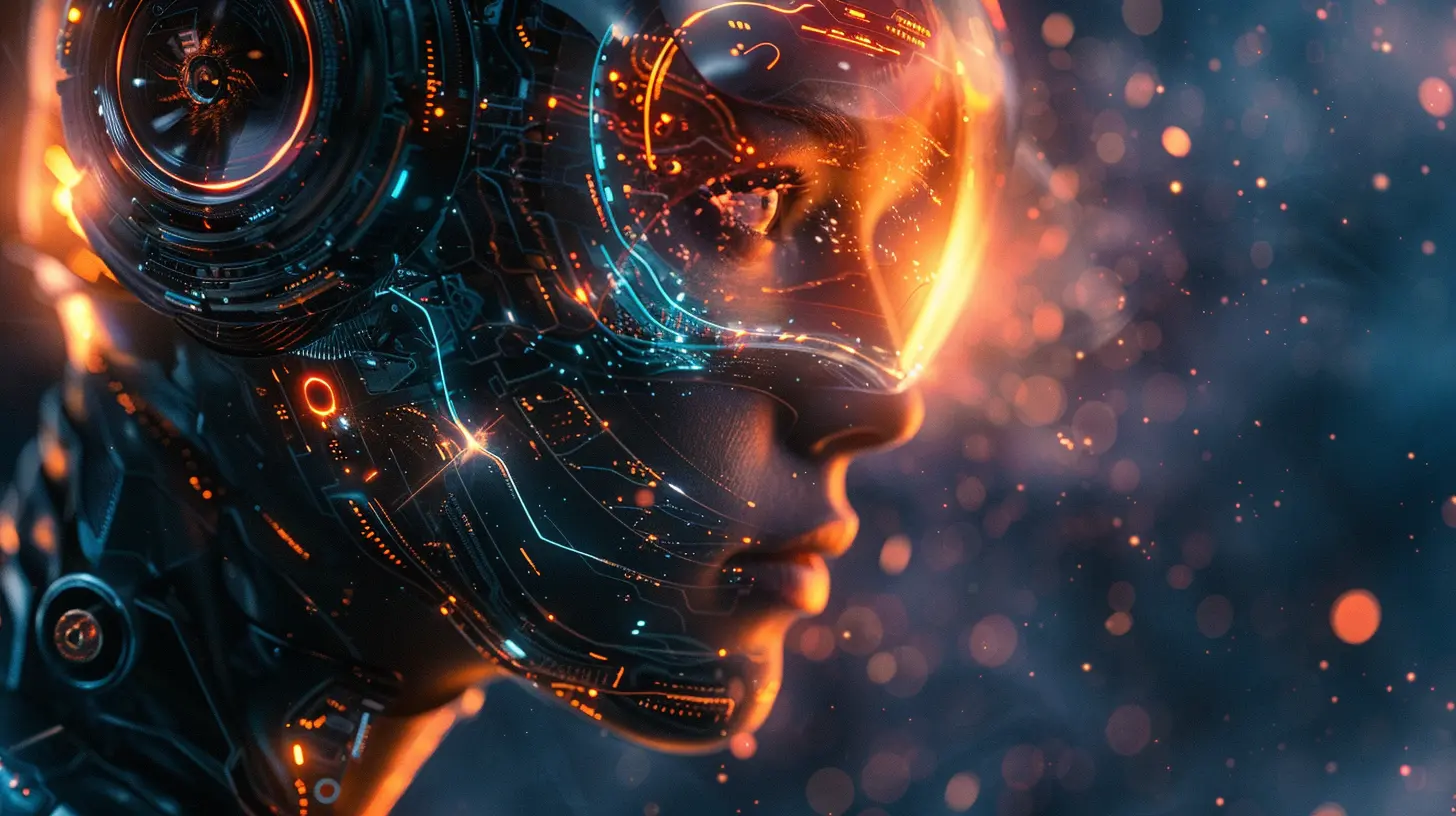
AI in Game Development: The New Frontier
Let’s start with the basics—how AI is actually being used in the game development process. Traditionally, game development involves a lot of manual grunt work. We're talking about writing thousands of lines of code, designing intricate levels, recording voice lines, and more.But now, AI is stepping in as a super assistant, helping developers speed things up, reduce costs, and even unlock new creative possibilities.
Smarter NPCs? Heck Yes!
Remember those clunky NPCs in older games that walked into walls or repeated the same dialogue over and over like a broken record? Yeah, those are slowly becoming history.AI is making NPCs (non-player characters) smarter, more responsive, and even emotionally reactive. Instead of just following pre-set patterns, AI-driven NPCs can adapt to your playstyle. If you’re aggressive, they’ll react defensively. If you sneak around, they may set traps. It’s like playing against a real person without needing another player.
Isn’t that kind of cool? Games like The Last of Us Part II and Cyberpunk 2077 are already using advanced AI to create more dynamic enemy behaviors and memorable characters.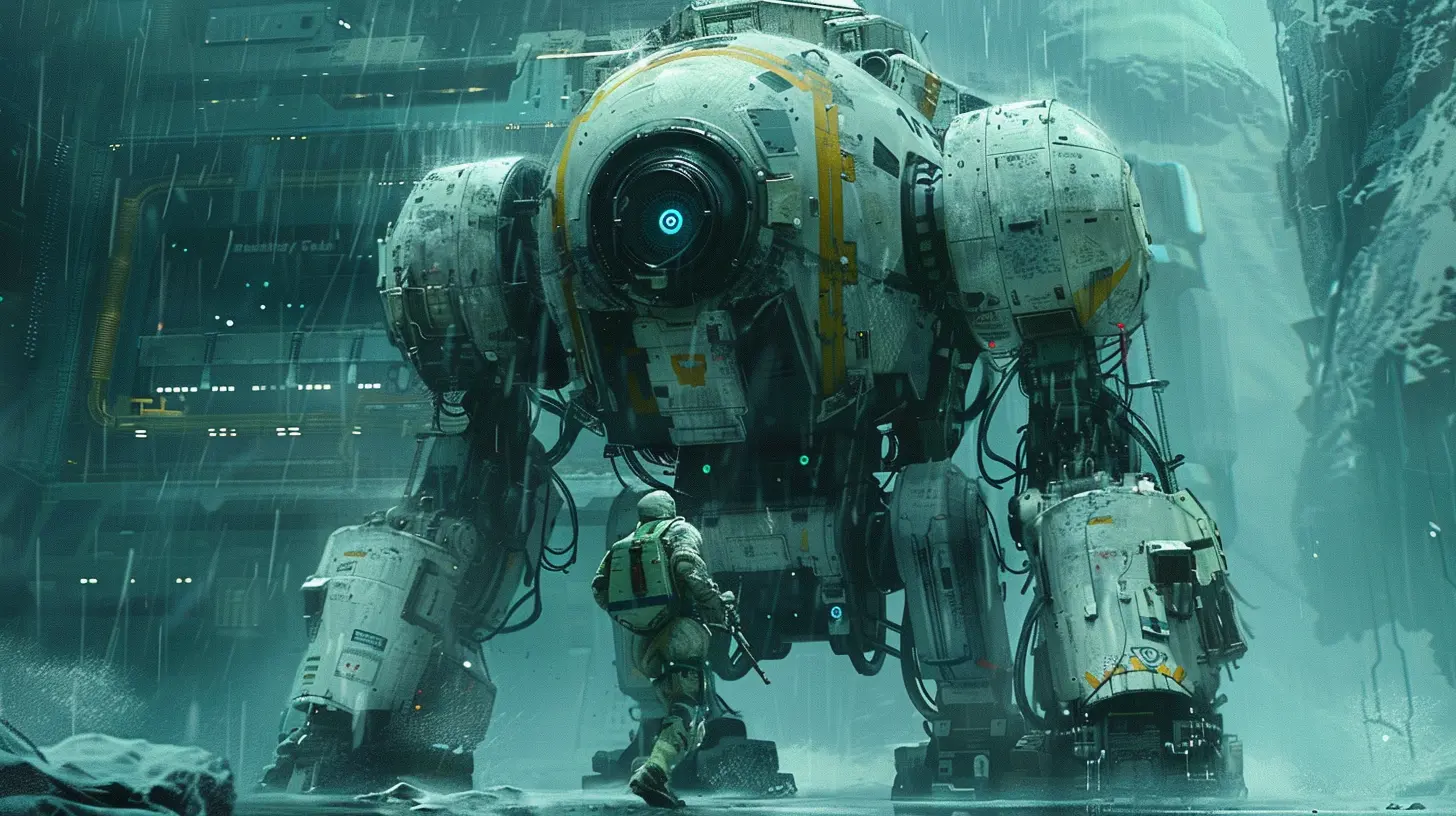
Procedural Generation: Where AI Starts Building Worlds
Ever wonder how massive open-world games manage to fill their maps with so many quests, items, and locations? That's where procedural generation comes into play.Now, combine that with AI, and we have a recipe for some truly mind-blowing possibilities. AI can generate unique game terrains, cities, dungeons, and even quest lines dynamically. That means no two players might ever experience the exact same world. Think of it like a digital dungeon master that’s always crafting new adventures tailored just for you.
Games like Minecraft, No Man’s Sky, and Hades have dipped their toes in this area. But upcoming projects are going all-in, using AI to generate everything from architecture to cultural lore.
AI as a Storyteller: Yes, It Can Write Too
Here’s where it gets freaky—in a good way. Some game developers are experimenting with AI that can literally write dialogues, generate story arcs, or even create branching narratives based on your in-game actions.We’ve got AI models like GPT (similar to what you’re reading now!) being tested in narrative-driven games. It’s like your favorite RPG, but instead of a fixed list of responses, your choices could lead anywhere.
Imagine telling an NPC, “I don’t trust you,” and instead of a canned response, the AI interprets your tone, context, and game history to shape the next part of the story. Kinda like having a DM in Dungeons & Dragons who’s always adapting.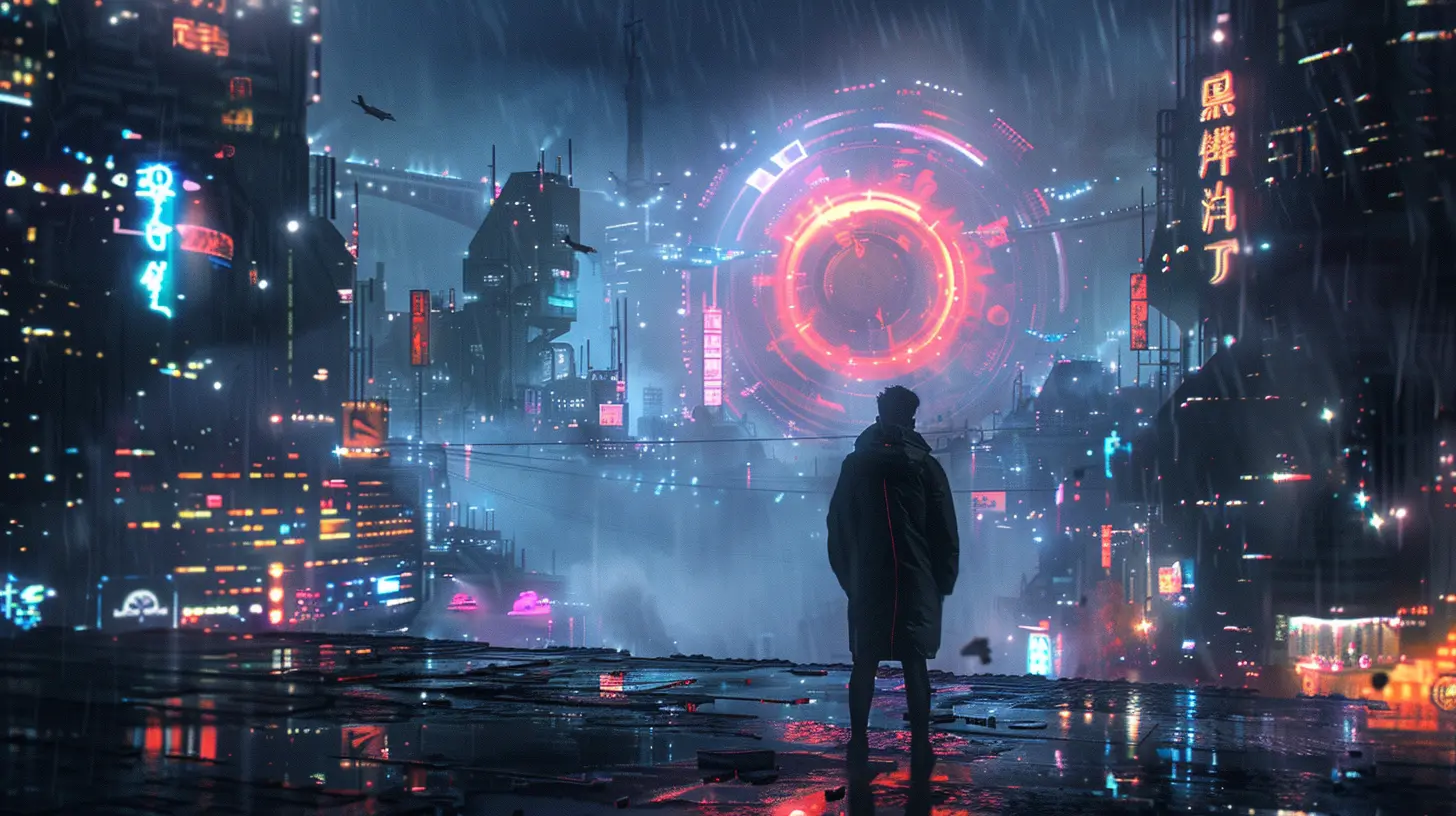
Personalized Gaming: Tailored Just for You
Let’s be honest—everyone plays games differently. Some people love exploring every inch of the map, while others go straight for the boss fights. AI algorithms can now track your behavior and tweak the game in real-time to suit your preferences.Like puzzles? The AI might throw more of them at you. Hate fetch quests? The game could cut them down. It’s like having a game that learns what you love and gives you more of that, all while trimming the stuff you don’t care for.
This kind of customization goes beyond difficulty settings. We’re talking full-on personalized experiences that make every playthrough feel fresh.
AI in Graphics and Animation: Smoothe Moves
AI isn’t just helping with gameplay and story—it’s also jazzing up visuals. With machine learning, animations can be more fluid, facial expressions more realistic, and transitions between actions more natural.For example, instead of animating every jump, roll, or backflip manually, AI can learn from motion capture data and generate smooth animations on the fly. This not only saves time but also makes gameplay look buttery smooth.
And you’ve probably heard of upscaling, right? AI tools like NVIDIA’s DLSS can boost resolution and performance without tanking your FPS—so you're getting eye-popping quality without needing a supercomputer.
AI-Powered Voice Acting: Cloning Voices?
This one’s still a bit controversial, but it’s happening. AI can now clone voices with stunning accuracy. Some studios are using it to create placeholder voice lines during development. Others are experimenting with using AI-generated voices in finished games.It’s a double-edged sword. On one hand, indie developers with limited budgets can now give their characters voices. On the other, it raises ethical questions about voice acting jobs and permissions.
Still, the tech is here, and it’s improving fast. Expect to hear more about AI-generated voices in upcoming titles.
Game Testing and Bug Fixing: The AI QA Team
Game development is like trying to build the Titanic with duct tape—it’s huge, complex, and full of holes (a.k.a bugs). Testing every possible scenario manually is almost impossible.That’s why many studios are training AI bots to play through games and find bugs. These bots can run 24/7, trying out every weird combo of actions to break the game so developers can fix it before launch.
With AI assistance, games can hit shelves with fewer bugs, less crunch for devs, and happier players. That’s a win-win-win.
Multiplayer Matchmaking: No More Waiting Forever
If you’ve ever tried jumping into an online game only to wait forever for a match—or worse, get stuck with players way out of your skill range—you know how frustrating it can be.AI matchmaking systems are getting better at analyzing player behavior, skill levels, and even communication styles to build better multiplayer teams. Think of it as a wingman helping you get into the best match possible.
Plus, AI can detect toxic behavior in chats or in-game actions, helping keep multiplayer spaces more respectful and fun.
Training AI with Player Behavior: You’re Helping More Than You Think
Here’s a plot twist—you’re teaching the AI every time you play. Many games collect data (anonymously, of course) about how players interact with the world, make choices, or approach challenges. This data helps train future AI models to behave more like humans.In other words, your gameplay could be shaping the AI in the next big RPG. Kinda poetic, right?
Upcoming Games Using AI: What's on the Horizon?
Let’s peek into the crystal ball. Several upcoming game projects are already making headlines for how they’re integrating AI.- Ubisoft’s Ghostwriter: Ubisoft is using an AI tool to create realistic NPC dialogues, saving writers time for deeper storytelling.
- Project Spark AI: A next-gen sandbox game rumored to use AI for dynamic world and quest generation in real-time.
- NVIDIA’s Omniverse for Developers: Not a game per se, but a powerful platform allowing devs to use AI for building more immersive worlds and refining mechanics.
And that’s just scratching the surface. As tools become more accessible, expect even indie developers to jump on the AI bandwagon.
The Ethical Side of AI in Gaming
Now, before we get too hyped, we’ve got to talk about the elephant in the room. With great power comes great responsibility, right?There are ongoing debates around:
- The future of creative jobs (voice acting, writing, animation)
- Data privacy and how player information is used
- Whether AI-generated content dilutes human creativity
The goal? Striking a balance where AI enhances human creativity rather than replacing it. Think of it like Iron Man’s suit—it’s amazing, but only because there’s a brilliant human inside.
Wrapping It Up: The Future is Playable
AI is not just a tool for making games faster; it’s transforming how games are imagined, built, and experienced. From smarter NPCs to entire landscapes crafted on the fly, the role of AI in upcoming game projects is nothing short of revolutionary.Will AI create the next masterpiece of storytelling? Will it make your favorite FPS even more competitive or your RPG more immersive? The answer is… probably yes.
As a gamer, developer, or curious onlooker, it’s an exciting time to watch this space. The next level of gaming isn’t just about better graphics or bigger worlds—it’s about smarter, more adaptive experiences that feel truly alive.
So next time you’re in-game and an NPC says something uncannily wise or a boss counters your every move like it’s psychic—you might just be playing against a very clever bit of AI.
all images in this post were generated using AI tools
Category:
Game NewsAuthor:

Lucy Ross