The Role of Ancient Relics in Fantasy Games
27 October 2025
Fantasy games are packed with epic quests, magical beings, and worlds that go far beyond the limits of reality. But if there’s one thing that truly fuels the fire of adventure in these games, it's ancient relics. You know the ones—those enchanted swords, cursed amulets, ancient tomes with forgotten spells, or long-lost crowns that hold unimaginable power.
So what makes these relics so important in fantasy games? Why do we keep chasing them through dungeons, forests, and enemy strongholds? Let’s dive deep into the mystical world of ancient relics and unravel their role in shaping the gameplay, lore, and overall experience in fantasy gaming.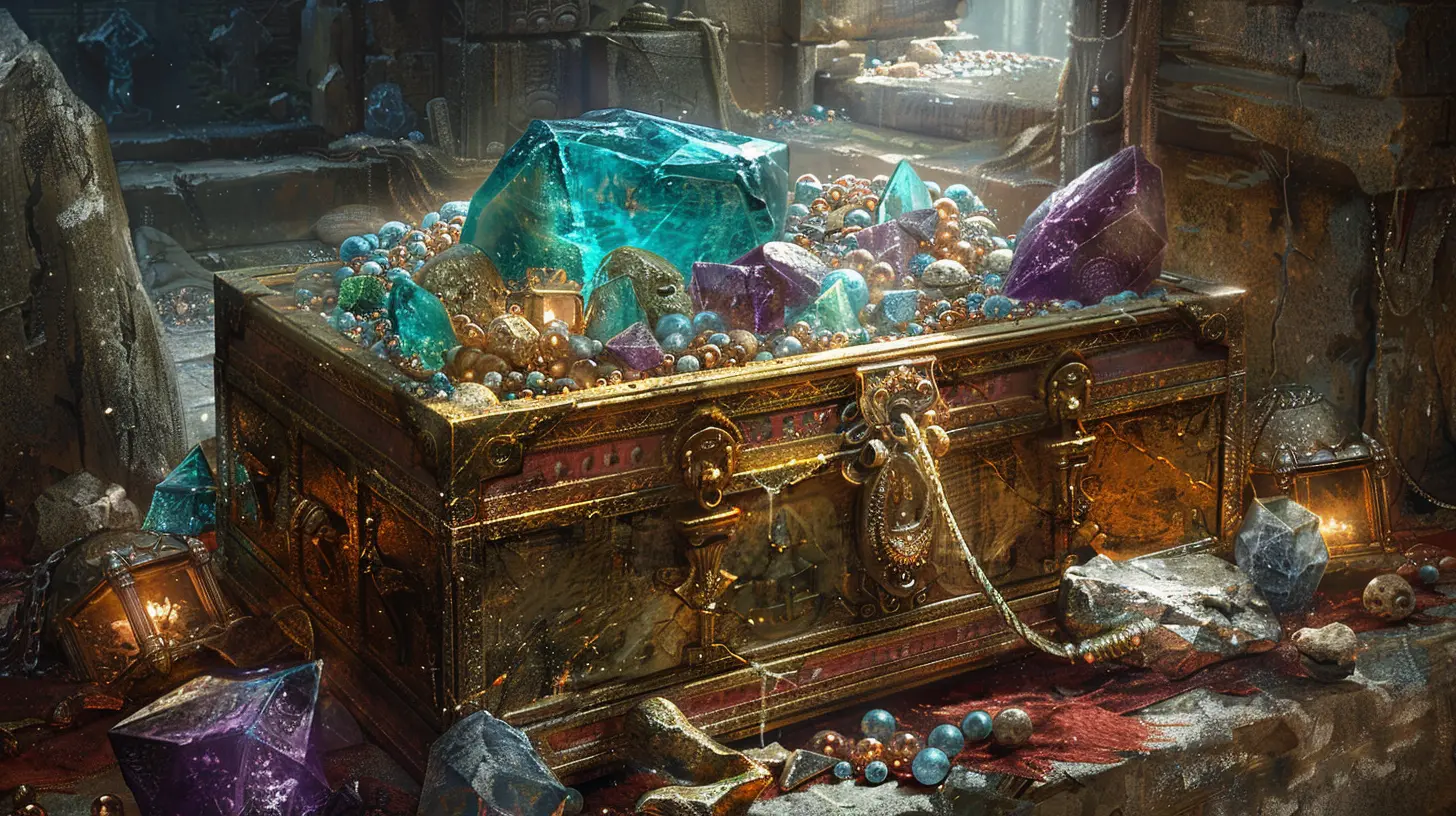
What Exactly Are Ancient Relics in Fantasy Games?
Simply put, an ancient relic in a fantasy game is a powerful object from a long-forgotten era, usually imbued with magic, mystery, or both. These items often have a legendary backstory, are tied to the fate of the game world, and grant serious power or abilities to whoever possesses them.Think of them as the Holy Grail of the gaming world. They’re not just loot—they’re game-changers.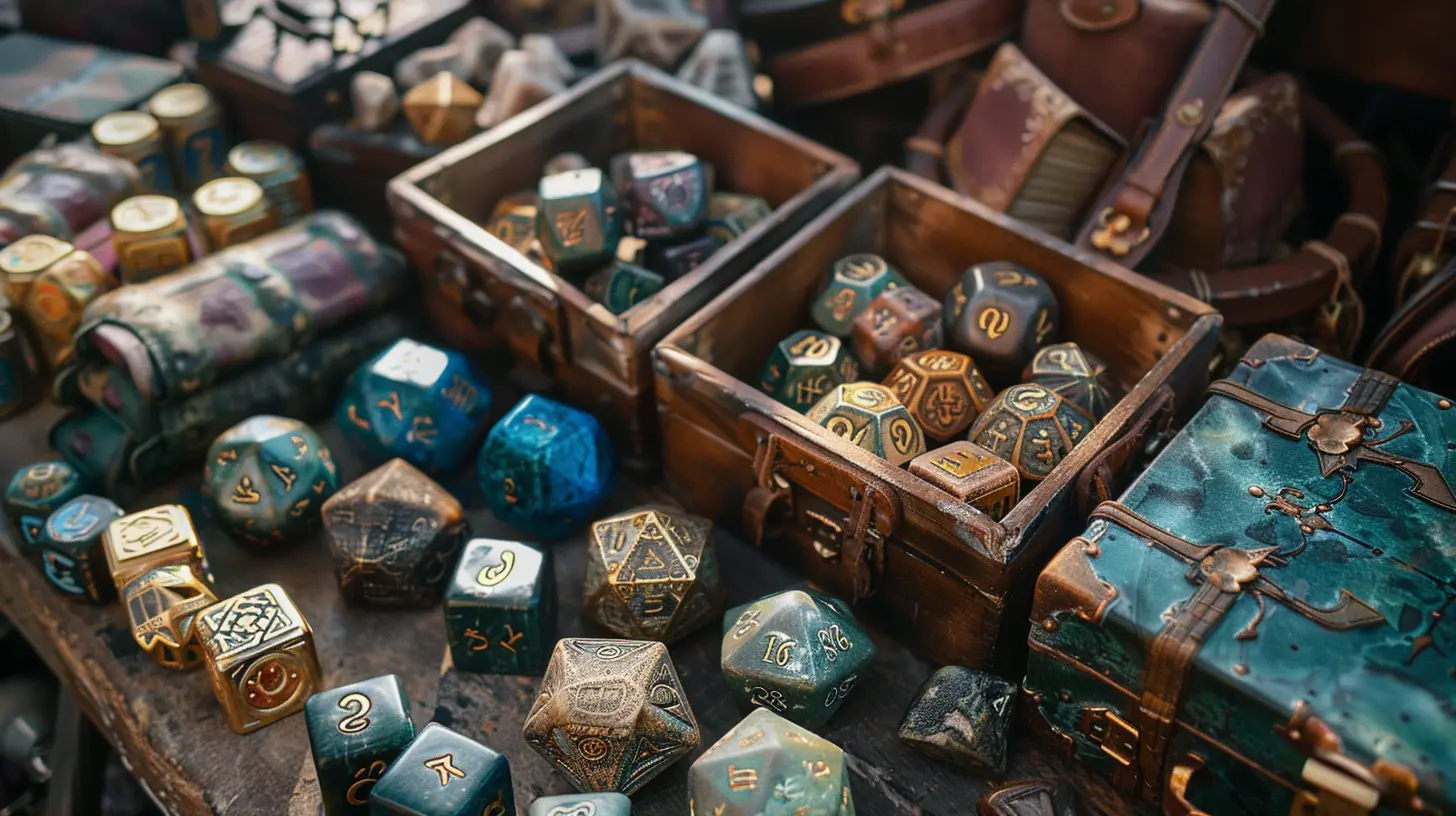
Why Are Ancient Relics So Popular in Fantasy Games?
Well, for starters, they bring instant depth to the game’s universe. When a player stumbles upon a relic, it’s not just about better stats—it’s about uncovering history, solving puzzles, and sometimes even altering the storyline.Here are a few reasons why developers—and players—absolutely love them:
1. They Add Rich Layers of Lore
Let’s be real: good lore makes a good game great. And ancient relics are the perfect narrative tools. They serve as windows into the past, telling tales of forgotten civilizations, fallen heroes, and long-lost wars.Remember that dusty old book your mage character found in a ruined temple? That’s not just decoration. It might contain the secrets behind a kingdom's collapse or the truth about an ancient evil.
Relics breathe life into the game's backstory. They’re like breadcrumbs leading you through the history of the game world.
2. They Drive the Main Quest—and the Side Quests Too
Game developers often use relics as a central plot device. Think of the One Ring in The Lord of the Rings—a single artifact that drives the entire saga.In fantasy games, relics often serve the same purpose. Whether you're trying to collect them to prevent the end of the world or hunting them down as part of a side quest reward, they’re frequently the "why" behind the adventure.
And let’s not forget how fun it is when you’re chasing down optional relics that lead to epic boss fights, secret endings, or rare powers.
3. They Provide Gameplay Variety
Ancient relics aren’t just there for storytelling. They spice up the gameplay too.- Want to breathe fire? Grab that lava-enchanted gauntlet.
- Need to walk through walls? That ghostly relic might grant phasing abilities.
- Looking for a new playstyle? A relic can completely change your combat approach.
They give players new mechanics to toy with and encourage experimentation, exploration, and strategy.
4. They’re Just So Darn Cool
Let’s not sugarcoat it. Ancient relics feel awesome.Who doesn’t want to wield a sword forged from a dragon’s fang or wear a crown that lets you control minds? Relics give players a sense of power and uniqueness. They're often beautifully designed with intricate artwork and effects. They look cool, feel cool, and usually come with a badass aura.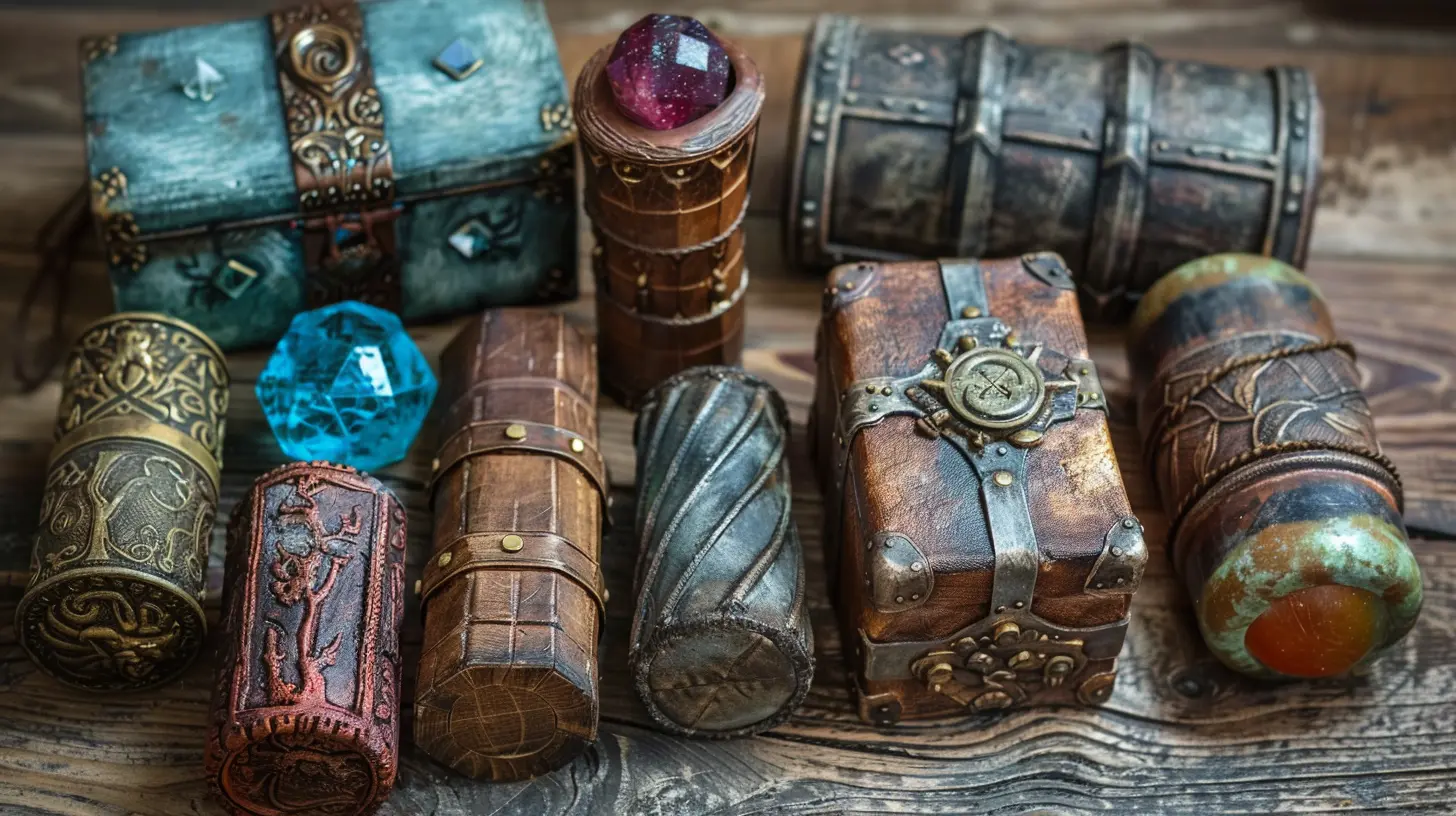
Common Types of Ancient Relics in Fantasy Games
While relics come in all shapes and forms, there are a few categories we see popping up again and again. Each one offers something different in terms of gameplay and lore.🎯 Weapons of Legend
From swords to bows to staves, ancient weapons are the backbone of many fantasy RPGs. They often have unique abilities—like dealing extra damage to certain enemies or unlocking hidden magic attacks.Classic Example: The Master Sword in The Legend of Zelda series.
🛡️ Armor and Accessories
Blessed shields, cursed rings, enchanted cloaks—these might not swing at enemies, but they sure swing the odds in your favor. Armor relics are great for passive boosts and survival perks.Classic Example: Ebony Mail in The Elder Scrolls V: Skyrim.
📜 Magical Tomes and Scrolls
Knowledge is power, especially in the magical realm. Ancient scrolls or spellbooks often unlock rare or forbidden spells that can turn the tide of battle—or wreak havoc.Classic Example: The Necromancer’s Grimoire in Divinity: Original Sin 2.
💎 Artifacts of Mystery
These high-level relics don’t always fit neatly into one box. They might alter time, summon creatures, or unlock hidden realms.Classic Example: The Amulet of Kvasir in God of War (2018).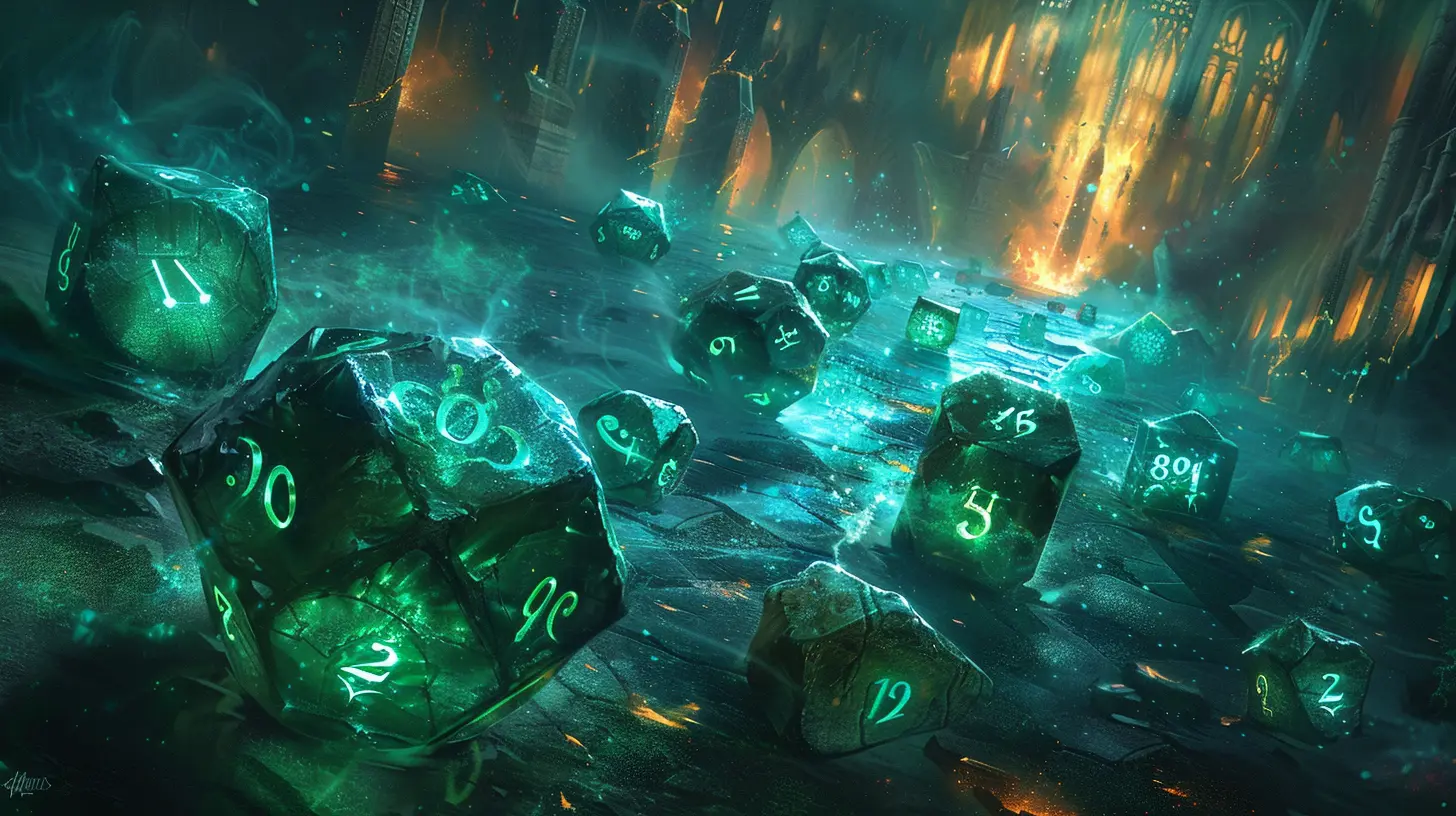
How Relics Shape the World-Building
Ever noticed how the most memorable fantasy worlds have a relic or artifact at the core of their story? That’s not a coincidence.Relics often act as anchors, tying together the history, magic, and myths of a game world. They give the setting weight and make it feel lived-in. When you hear bards sing about a lost sword or villagers whisper about a cursed locket buried deep in the forest, the world starts to feel more real—and more exciting to explore.
Relics help players connect emotionally to the world. You’re not just fighting monsters or leveling up—you’re stepping into legends.
Relics as Moral Compasses and Story Shapers
Here’s where things get juicy. Sometimes, a relic isn’t just about power—it’s about choice.Will you give the cursed relic to the noble who wants it for peace... or the villain who offers you gold and freedom? Will you destroy a corrupting artifact or wield it to gain an edge?
These decisions can have serious consequences, branching storylines and reshaping your character’s arc. Relics become more than tools—they reflect your values.
The Thrill of the Hunt: Why Searching for Relics Is So Addictive
You’ve got your map, your clues, maybe a talking companion chirping in your ear. Hunting relics is often the most exciting part of a fantasy game—it scratches that explorer itch.Just like Indiana Jones with a controller, you're solving riddles, navigating ancient ruins, and unlocking secret passages. Finding a relic after a long, difficult quest feels like winning the lottery... with extra swords.
Multiplayer and Relics: Competitive Edge or Team Bonding?
In online fantasy games, relics can do even more. They can be status symbols, trade items, or even tools for competition.Imagine finding a rare relic in a dungeon raid and your entire guild helps you get it. That item becomes a badge of honor. It's not just about stats—it's about the journey you took with your friends to earn it.
On the flip side, in PvP battles, having a powerful relic can tip the scales dramatically. That’s where balance and rarity come into play. Powerful? Absolutely. Easy to get? Not a chance.
The Future of Ancient Relics in Fantasy Games
As fantasy games evolve, so too do their relics. We’re seeing more dynamic relic systems where items grow with the player, change based on decisions, or even fuse with other items to create something new.Open-world games and procedural generation are also bringing fresh twists—imagine relics that have different histories in every playthrough, or ones that react to real-time choices.
AI and immersive storytelling will only deepen the narrative potential. Someday, the relic might know you. Imagine a sword that gets jealous if you use another weapon. Creepy? Maybe. Interesting? Absolutely.
Final Thoughts: The Magic of Ancient Relics
At the end of the day, ancient relics aren’t just shiny objects or stat boosts—they're heart and soul poured into pixels.They give us reasons to explore every corner of the map, dive into the lore, and make tough choices. They surprise us, challenge us, and make us feel like heroes (or villains, depending on your playstyle).
Fantasy games without relics? That’s like pizza without toppings—technically fine, but missing the magic.
So the next time you stumble upon a dusty amulet with glowing runes—pause. There’s probably an epic story waiting to be uncovered.
Go ahead, pick it up. Who knows what legends you'll write with it?
all images in this post were generated using AI tools
Category:
Fantasy GamesAuthor:

Lucy Ross
Discussion
rate this article
2 comments
Lila Chapman
Ancient relics in fantasy games always spark that thrill of discovery! They beautifully blend history and adventure, making every quest feel like a treasure hunt.
April 22, 2026 at 3:40 PM
Lucy Ross
I completely agree! Ancient relics add depth and excitement, turning quests into memorable adventures filled with intrigue and wonder.
Rebecca Mercado
Fascinating blend of history and imagination!
November 1, 2025 at 3:37 PM
Lucy Ross
Thank you! I'm glad you enjoyed the mix of history and creativity in exploring ancient relics in fantasy games!