The Role of Composers in Building Legendary Franchises
8 March 2026
When we think about our favorite game franchises—whether it's the heart-pounding battles in Halo, the whimsical wonder of The Legend of Zelda, or the eerie tension of Silent Hill—what's one thing that always sticks with us? The music. There’s a reason certain themes give us goosebumps or instantly teleport us back to our childhood bedrooms, gripping a controller for dear life.
Behind those powerful emotions is someone who rarely takes the spotlight: the video game composer. These unsung heroes shape not just soundtracks, but feelings, memories, and even the identity of entire franchises. So let’s dive deep into the magical, often overlooked world of video game music composition—and the role composers play in turning games into legends.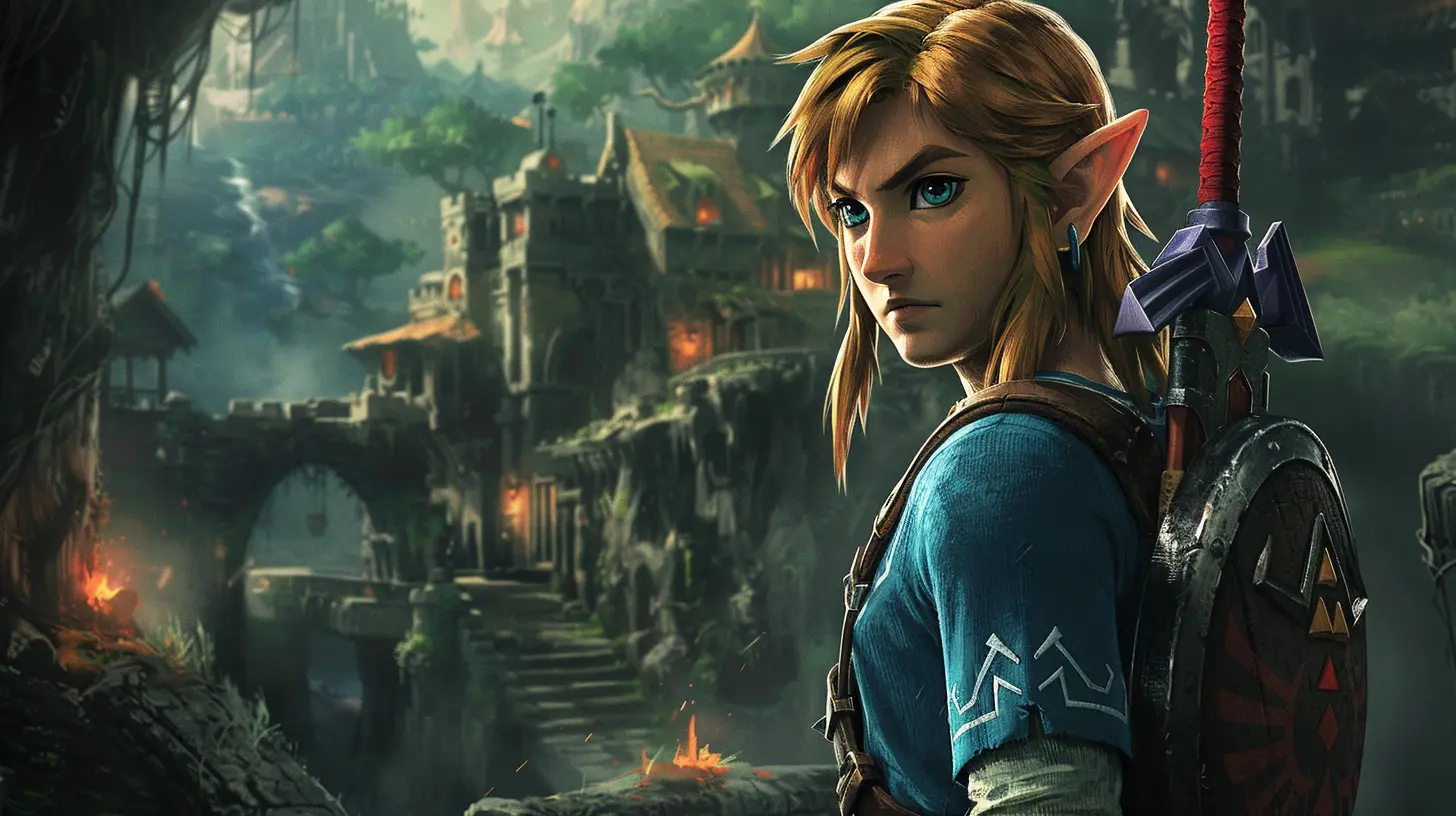
Why Music Matters More Than We Think
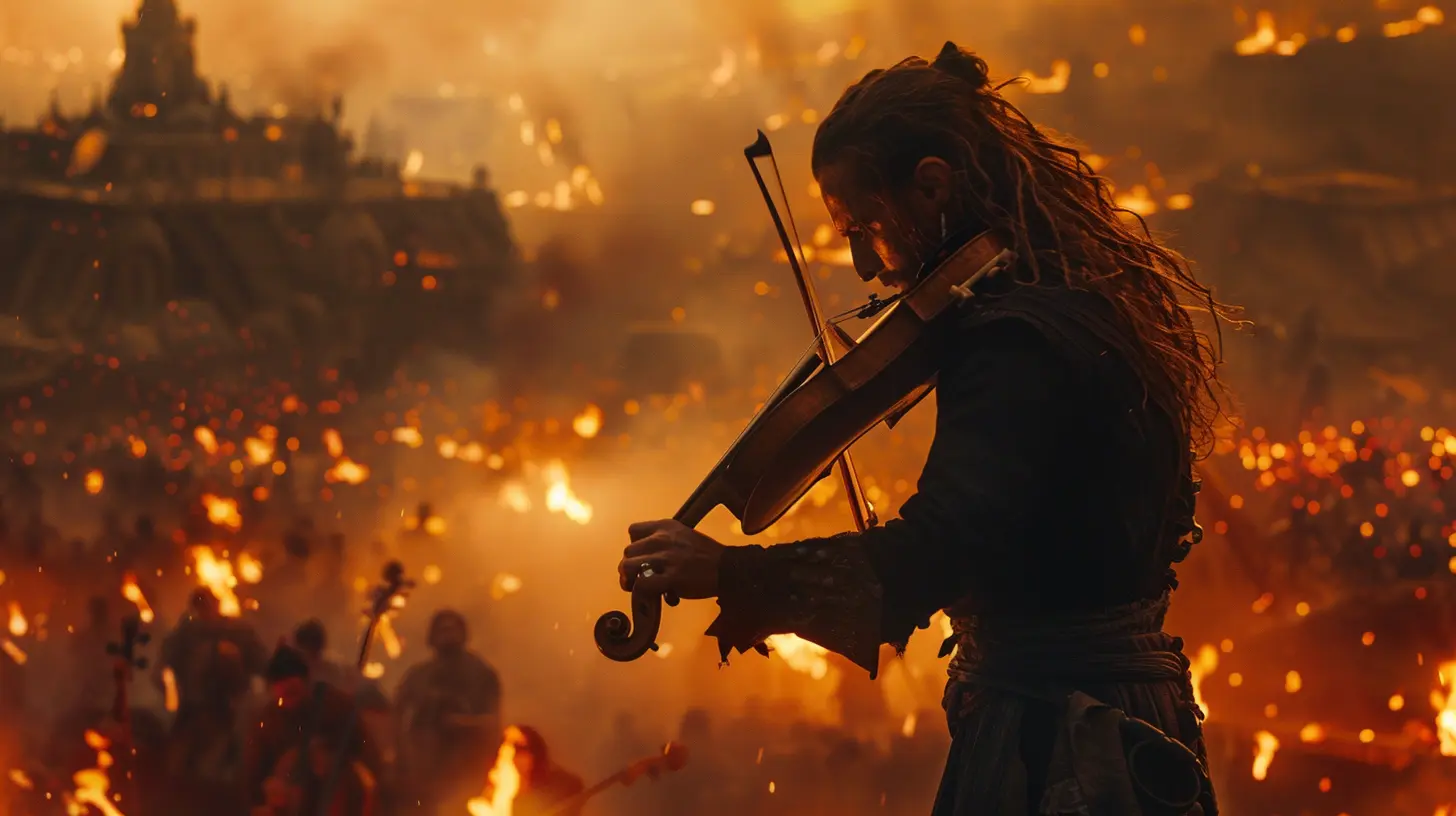
Let’s start with a simple truth: music is emotional glue. Ever noticed how a scary game feels ten times scarier when the haunting background music kicks in? Or how a boss battle becomes more epic thanks to that adrenaline-pumping score blasting in the background?That’s no accident. Music reinforces mood, builds atmosphere, and guides our emotions. It’s like the emotional narrator of the story, working in tandem with visuals and gameplay to keep us immersed. Without music, even the most beautifully rendered world can feel… flat.
From Pixels to Perfect Harmonies: A Brief History
Back in the early days (we’re talking 8-bit era), composers had serious limitations. Think about the classic Super Mario Bros. theme—catchy, right? Koji Kondo, Nintendo’s genius composer, had just a few sound channels to work with. Yet he managed to create a tune that’s instantly recognizable decades later.Fast forward to today, and composers have access to full orchestras, cutting-edge software, and cinematic sound design. But despite the technological shifts, the core mission remains the same: enhance the gameplay experience through music.
The Composer’s Superpower: Creating Identity
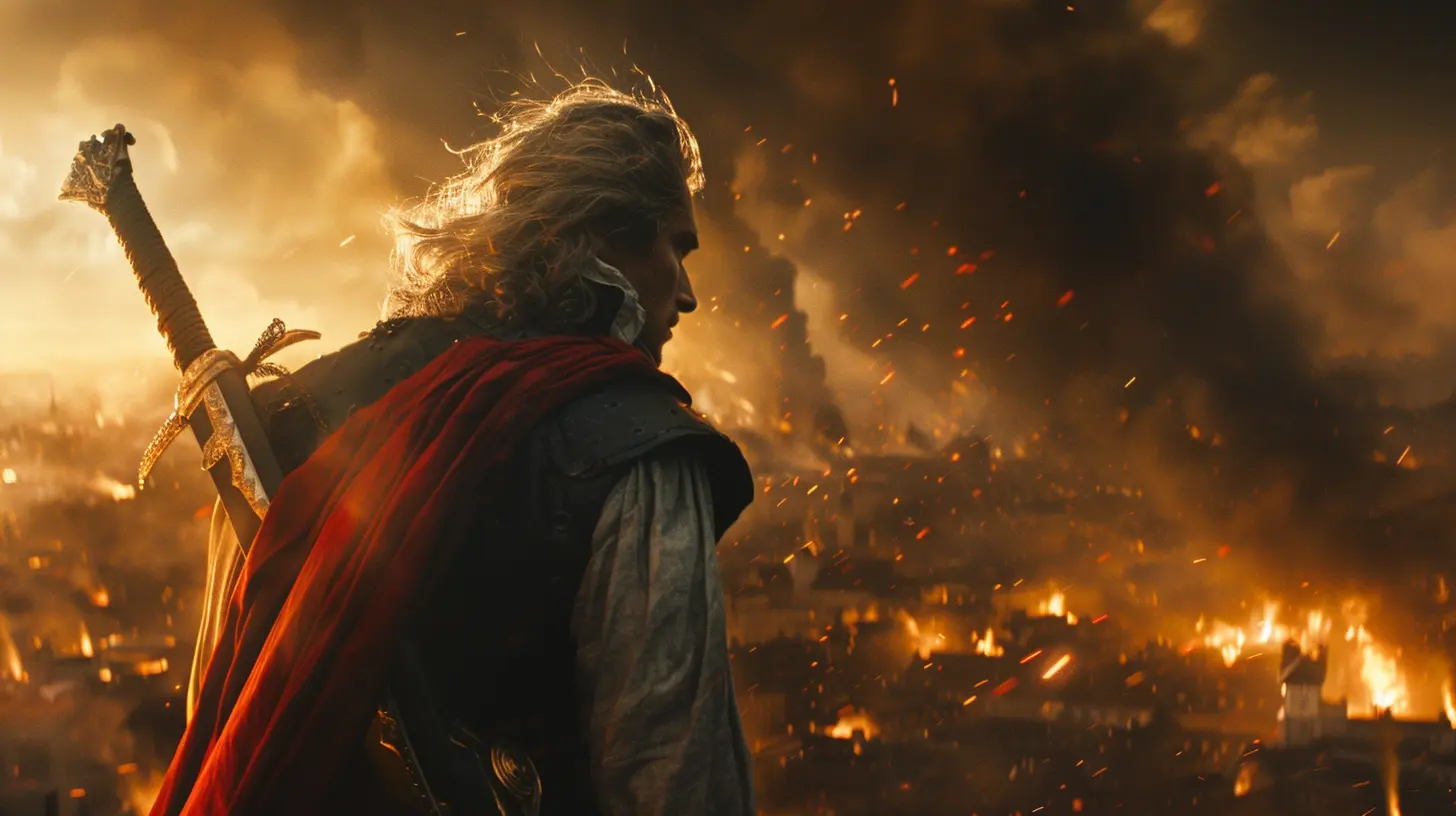
Think of your favorite franchise. Now hum the theme song. Got it? That's the power of a great composer—they create an identity. Music becomes a signature.Let’s break down a few iconic examples:
🎵 The Legend of Zelda – Koji Kondo
That triumphant, adventurous theme? It screams magic, courage, and discovery. Kondo’s music doesn’t just fill the silence—it tells us who Link is and what his journey means.🎵 Final Fantasy – Nobuo Uematsu
This man is a legend. His compositions for Final Fantasy are full of emotion—romance, tragedy, heroism. The moment you hear "To Zanarkand" or "One-Winged Angel," you know exactly what you’re in for. It’s not just background music; it’s story.🎵 Halo – Martin O'Donnell and Michael Salvatori
The Gregorian chants in the Halo theme? Absolutely iconic. They mix ancient with futuristic, giving Halo its unique tone. That track alone set the vibe for the whole series.These composers didn’t just write music—they built universes with sound.

Composers: The Emotional Engineers of Gaming
Let’s talk science for a moment. Music triggers dopamine release in our brains. That’s the stuff that makes us feel joy or excitement. Clever composers know this and use it to their advantage.Imagine a peaceful village in an RPG, where the gentle piano melody makes you feel safe. Then, contrast that with a battle theme full of sharp strings and heavy percussion—it spikes your adrenaline. This emotional rollercoaster? Totally orchestrated (pun intended) by the composer.
It’s not just about what sounds good. It’s about what feels right.
Dynamic Music: The Magic of Reactive Soundtracks
Ever been sneaking through a level, and as soon as enemies spot you, the music shifts? That’s dynamic music. Modern composers design scores that react to your gameplay choices. It’s like the game is paying attention to your every move.Think of it as a musical conversation. You're not just listening passively—the music responds. This adds a layer of depth and immersion that’s hard to replicate any other way.
Games like The Last of Us, Red Dead Redemption 2, and God of War master this technique. Their music isn’t just good—it’s alive.
Collaborating With Developers: A Creative Tag Team
Composers don’t work in a vacuum. They’re part of the larger game development team. They sit down with writers, directors, and designers to figure out the emotional tone of a scene or level. Then they craft the music to match.It’s like scoring a movie, but with a twist—players control the pacing. So the composer has to anticipate multiple outcomes and still make the music feel seamless. That’s no small feat!
Indie Games: Small Budgets, Big Emotions
Even in the indie space, composers are doing incredible work. Take Undertale, for example. Toby Fox, the game’s creator and composer, wrote music that interacts with the game’s narrative in shockingly powerful ways.Or consider Celeste’s soundtrack by Lena Raine—so stirring that people listen to it outside of the game. These indie composers often wear multiple hats, yet they still manage to create emotionally resonant scores that elevate their games into cult classics.
The Growing Recognition of Game Music
Here’s the good news: game music is finally getting the recognition it deserves. We’re seeing live concerts (like Video Games Live), Grammy nominations, and symphony performances dedicated solely to game music.In fact, in 2023, the Grammy Awards introduced a new category—Best Score Soundtrack for Video Games and Other Interactive Media. That’s a massive milestone and well-earned validation for the composers behind our most beloved franchises.
Challenges of Composing for Games
Let’s not sugarcoat it—it’s not all magic and melodies. Composers face unique challenges in the gaming world:- Non-linear storytelling: Unlike films, games aren’t predictable. Players can take different paths, making it tough to create a linear score.
- Technical limitations: Even today, composers often need to compress or modify tracks to work within game engines.
- Time constraints: Game development can be chaotic. Composers might be brought in late in the process and asked to work miracles on tight deadlines.
Despite all that, they still deliver magic.
Why We Should Appreciate Game Composers More
Let’s be real—how often do we talk about game composers? Not nearly enough. We obsess over visuals, gameplay, and storylines (fair enough), but music often gets pushed to the background—literally and figuratively.Yet, if you take the music away, the game loses a massive chunk of its soul. It's like trying to enjoy a sunset without any color.
So next time you boot up your favorite game, take a second to really listen. Appreciate the layers, the crescendos, the subtle motifs. That’s someone’s heart and soul pouring through your speakers.
The Future of Game Composition
As games become even more immersive and storytelling continues to evolve, the role of the composer is only going to grow. We’re talking about:- AI-assisted composition tools (don’t worry, humans still do the heavy lifting)
- Interactive music that adapts to emotions via biometrics
- Cross-media scoring (think composers working across games, TV shows, and movies within shared universes)
There’s an exciting road ahead—and we can’t wait to hear what’s next.
Final Thoughts: The Silent Architects of Emotion
In the gaming world, composers are emotional architects. They build the invisible structures that guide how we feel, when we feel it, and why we care so deeply about a world made of pixels and polygons.They're not just background noise. They’re storytellers, mood-makers, and memory-creators.
So here’s to the legends behind the legends. The ones who make us weep, rage, and cheer—all without saying a word.
Next time someone asks why you're humming a video game tune days after playing, just smile and say, "That's the magic of a great composer.
all images in this post were generated using AI tools
Category:
Original SoundtracksAuthor:

Lucy Ross
Discussion
rate this article
2 comments
Landon Frank
Composers are the unsung heroes behind legendary franchises. Their scores shape our emotional connection and elevate gameplay to art. Without their genius, iconic games like "Zelda" or "Final Fantasy" would be mere pixels. Let’s not just celebrate the visuals and mechanics—give composers the recognition they truly deserve!
March 10, 2026 at 4:12 AM
Lucy Ross
Absolutely! Composers play a crucial role in shaping the emotional experience of games, and their contributions are vital to the legacy of franchises like "Zelda" and "Final Fantasy." They deserve recognition for their artistic impact.
Winter Warner
Scores that score hearts!
March 8, 2026 at 5:58 PM
Lucy Ross
Thank you! Composers truly have a magical way of connecting with our emotions and enhancing the stories we love.