The Secrets Behind Successful Online Game Design
14 May 2026
Ever found yourself glued to an online game for hours without realizing it? That feeling of "just one more level" or "I have to win this match" isn't a coincidence—it's the result of brilliant game design. But what exactly makes an online game so addictive and enjoyable? Is it just flashy graphics and catchy music? Not quite.
In the world of online gaming, successful design doesn't happen by accident. It's a complex mixture of psychology, storytelling, user experience, and technical perfection. Let’s lift the curtain and break down the secrets behind successful online game design. Whether you're a game developer, a passionate gamer, or just a curious mind, this deep dive is going to open your eyes to the magic that goes on behind the screen.
Understanding Player Psychology: The Core Ingredient
Before a single line of code is written, top-tier game designers think about one thing: the player's mind. Why do people play games in the first place? To escape, to compete, to connect, or maybe to master something? Understanding this is game design 101.The Magic of Motivation
There are two types of motivation designers tap into:- Intrinsic motivation – Playing because it’s fun or challenging
- Extrinsic motivation – Playing to earn rewards, complete missions, or rank up
Successful games like Fortnite, World of Warcraft, or Among Us blend both like a perfect cocktail. They keep you coming back with daily quests, leaderboards, and social interaction. Ever felt that urge to log in for a daily reward even when you're not in the mood? Yep, that's extrinsic motivation working like a charm.
The Flow State
Great designers aim to get players into a state of “flow”—a sweet spot where the challenge matches the player’s skill level. Too easy, and it gets boring. Too hard, and the frustration kicks in. But just right? It’s like time disappears.Think of it like surfing. If the wave is too small, you bob around. If it’s too big, you wipe out. But catch the perfect wave? You’re hooked.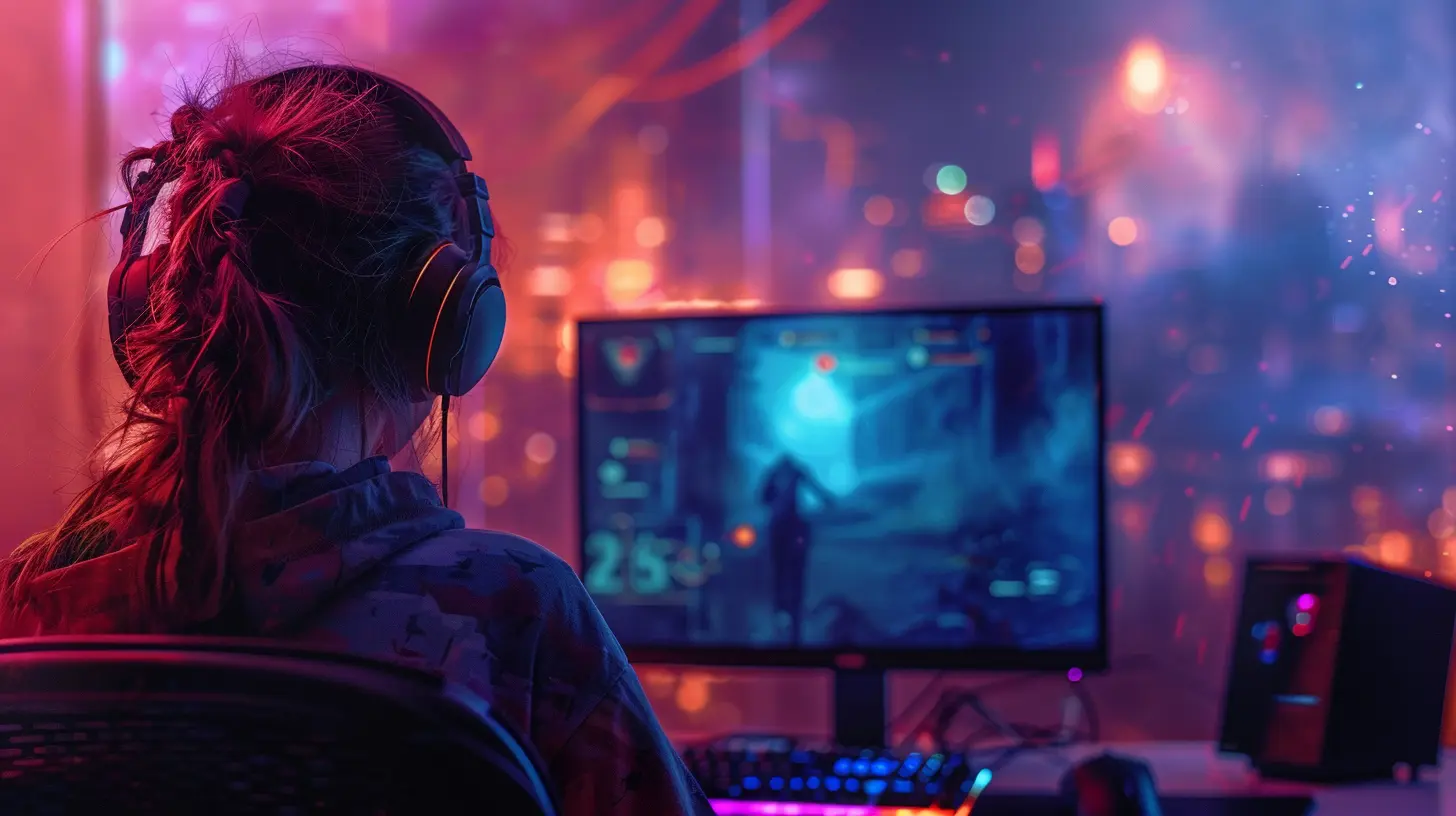
Simplicity Over Complexity: The Onboarding Experience
First impressions matter—especially in games. If a player feels lost during their first 10 minutes, chances are, they’re not coming back.Easy to Learn, Hard to Master
This phrase gets thrown around a lot in game development circles—and for good reason. The best online games teach you the basics quickly. Think Rocket League or Clash Royale. Within minutes, you know what to do. But weeks later, you're still uncovering deeper strategy and skill.Smart game designers create tutorials that feel like part of the game, not homework. Nobody wants to read an instruction manual in 2024, right?
Interface That Feels Like Magic
The user interface (UI) needs to be intuitive. Buttons, maps, stats—everything should be where the player expects. If a player has to dig through five menus to find their inventory or settings? That’s a design fail.And let's talk about UX (user experience). It goes beyond looks. It’s how the game feels. Responsive controls, smooth animations, quick loading times—these all add up to keep players engaged.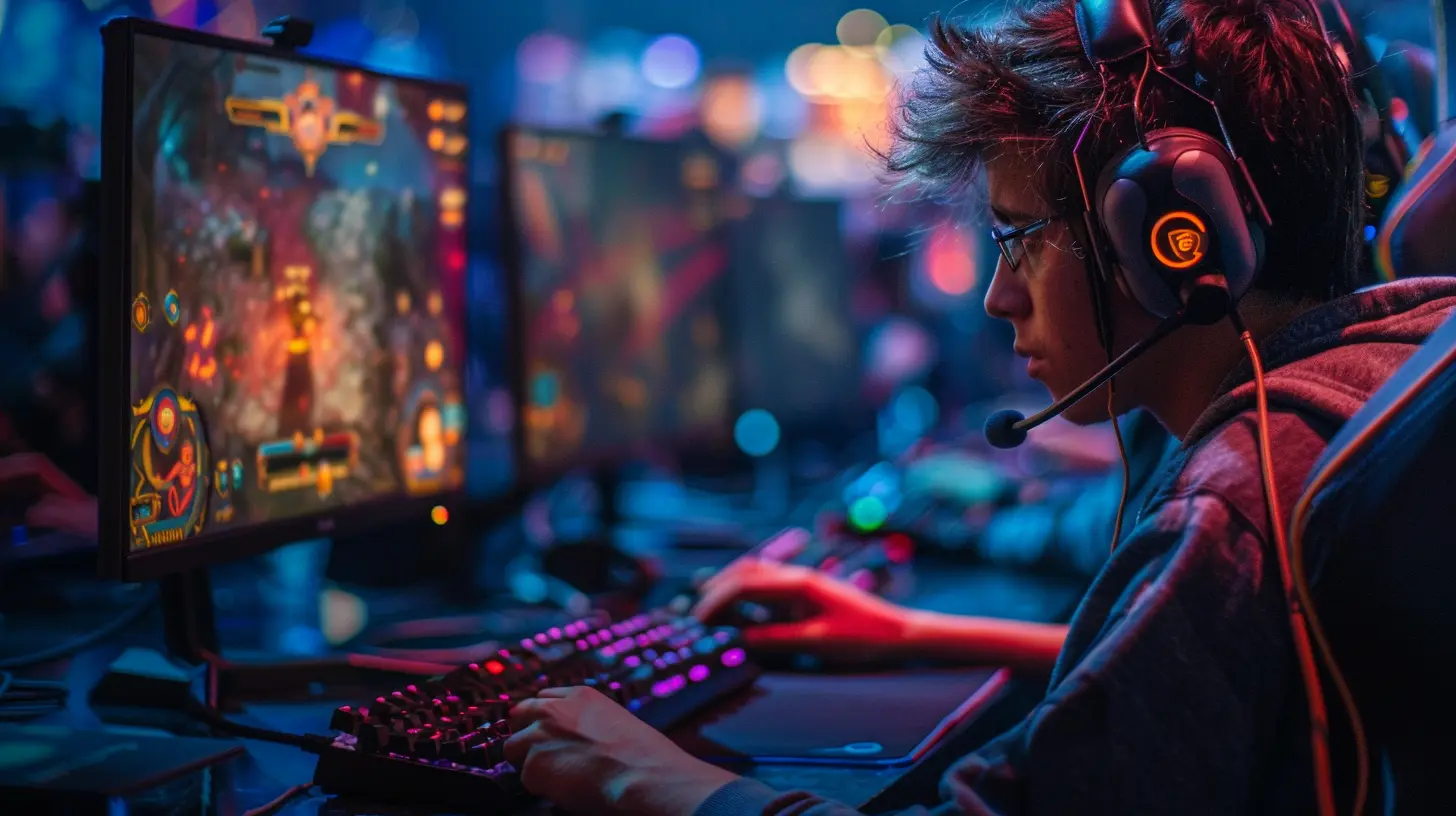
Storytelling: More Than Just a Plot
You might think online games don’t need stories—especially competitive ones. But even games like League of Legends or Apex Legends have rich lore that keeps fans emotionally invested.Building a World, Not Just a Game
A great online game creates a universe. Take World of Warcraft—you're not just killing monsters, you're in a living, breathing world. There are histories, cultures, and factions. That depth gives players meaningful reasons to stay invested.Even games without traditional stories use environmental storytelling. Ever walked through a ruined city in a post-apocalyptic game and felt a chill? That’s design doing more by saying less.
Player-Driven Narratives
Online games shine because of their social nature. Unexpected alliances, betrayals, epic comebacks—these become personal stories players remember and share. Designers who understand this create mechanics that empower players to write their own narratives.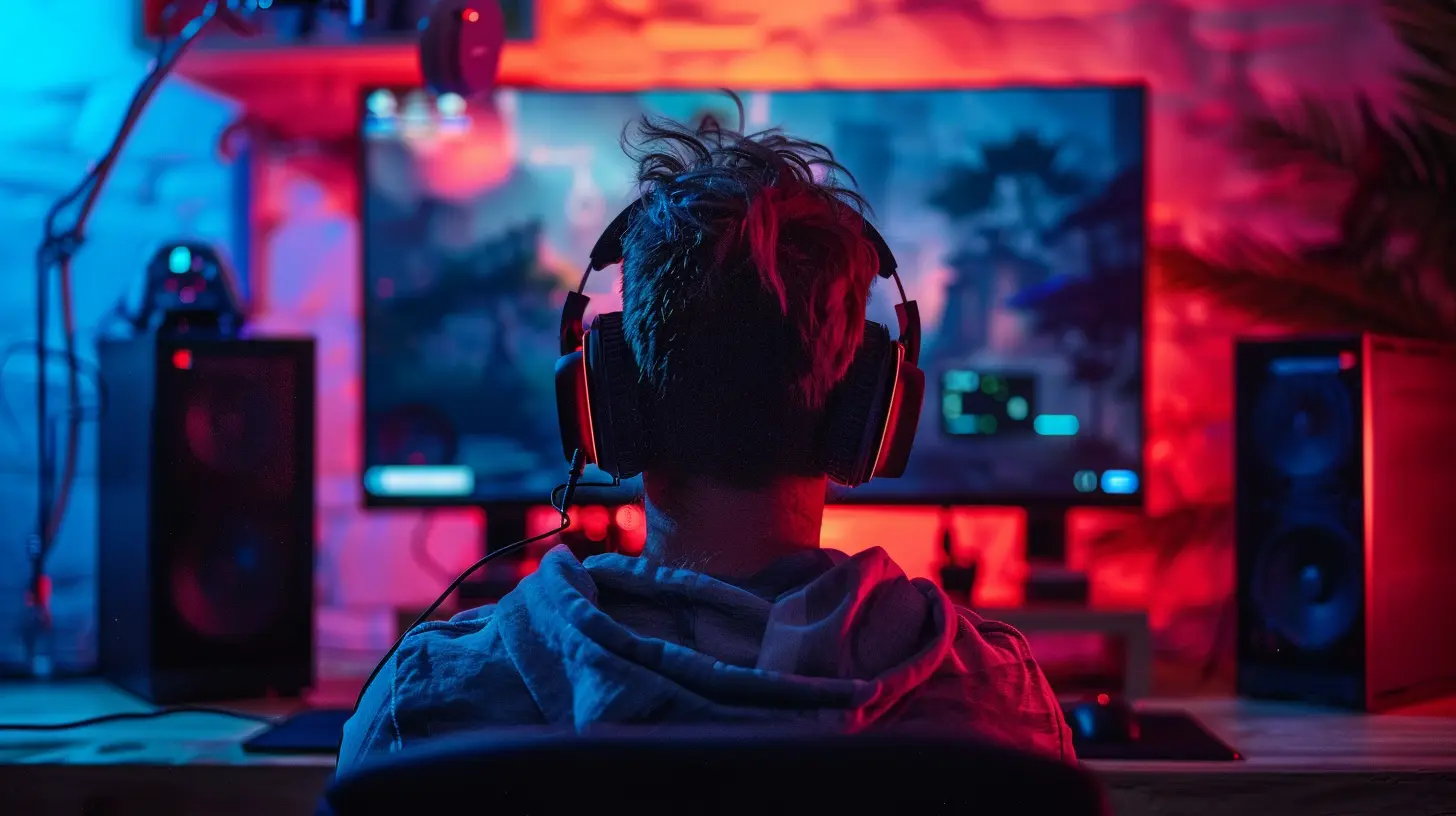
Balance Is Everything: Fairness and Challenge
A major part of online game design is getting the balance right. In competitive games, this is crucial. Nobody wants to feel like the game is unfair or pay-to-win.Skill-Based Matchmaking
Games like Valorant and Call of Duty use sophisticated matchmaking systems. They match players based on skill level to ensure fair fights. Get this wrong, and you either destroy newbies or bore veterans—and both will quit.Avoiding Overpowered Features
Introducing new weapons, characters, or powers? They better be tested rigorously. Players will smell imbalance a mile away. Think of balancing like seasoning a dish—too much or too little, and it ruins the whole meal.Reward Systems That Hook Players
Let’s be real—people love rewards. But handing them out too easily or too often can have the opposite effect.The Art of Progression
Whether it's leveling up, unlocking skins, or earning loot boxes, progression systems keep players motivated. But the key is pacing. Players should feel like they're making steady progress without hitting a wall.Ever notice how just when you're about to log off, you unlock something new or get closer to a milestone? That’s no accident—developers design these “progress peaks” to keep you hooked.
Gamification Tactics
Things like:- Daily login bonuses
- Seasonal events
- Battle passes
- Streak rewards
…aren’t just flash—they tap into deeper psychological triggers like loss aversion and fear of missing out (FOMO).
Social Interaction: The Multiplayer Magic
What really separates online games from offline ones? The community. The best online games don’t just include social features—they make them central.Cooperative and Competitive Modes
Play with friends or compete against rivals—both scratch different psychological itches. Games like Overwatch let you team up, while Counter-Strike fuels the competitive fire.Designers need to carefully craft team dynamics, communication tools (voice/text chat), and in-game roles to make both modes satisfying.
Clans, Guilds, and Social Hooks
Joining a team or guild creates long-term loyalty. Suddenly, logging in isn’t just about the game—it’s about your friends, your squad, your digital family.Cross-Platform and Accessibility: Reaching Every Player
The most successful online games don’t box themselves in. They understand today's gamers want freedom.Play Anytime, Anywhere
Cross-platform support has become a must. Whether you're on a console, PC, or mobile device, you should be able to play with your friends. Games like Fortnite and Genshin Impact smashed barriers by embracing this.Accessibility = Inclusivity
Designers are now thinking more about players with disabilities. From colorblind modes to customizable controls, great design ensures everyone can play.Constant Evolution: The Role of Live Service
Another secret? The game is never truly finished.Updates and Patch Cycles
Think of your game like a living organism. It needs regular updates. Bug fixes, new content, balance tweaks—it all shows players that the developers care.Games like Destiny are prime examples. Frequent updates keep the world fresh and the players invested.
Listening to the Community
Smart designers don’t operate in a vacuum. They monitor forums, Reddit threads, YouTube feedback, and even Twitch streams. If players are unhappy, they pivot.Transparency is huge too. When devs share patch notes and roadmaps, they build trust.
Monetization Without Selling Your Soul
Let’s talk money. Online games need to make a profit, but there’s a right and a wrong way to do it.Fair Monetization Models
Free-to-play games have nailed the art of cosmetic microtransactions. Players are okay with paying for cool skins—but not so much for a game-breaking power-up.Battle passes, optional subscriptions, and season passes offer value without forcing players into a pay-to-win corner.
Avoiding the Pitfalls
If players feel exploited, they’ll leave. Simple as that. It’s a tightrope walk—monetize enough to sustain the game but not so much that it feels greedy.Testing, Feedback, and Iteration: The Hidden Muscle
Most people don’t see this part, but trust me—it’s where the magic happens.Alpha/Beta Testing
Before launch, extensive play-testing reveals what’s fun and what’s not. Sometimes what looks good on paper totally falls flat in practice. That’s why beta testing is like a rehearsal before a big concert—you can’t skip it.Data is King
Analytics tools track everything—from which levels players quit on to how long they spend on menus. This data helps designers tweak mechanics continuously.Final Thoughts: It’s All About the Player Experience
At the heart of every successful online game is a simple idea: make your player feel like a champion, a hero, a strategist—or whatever role your game lets them embrace. Do that, and you’ve got a hit.Great design is invisible when done right. Players shouldn’t notice the systems working behind the scenes—they should just feel immersed, entertained, and emotionally connected.
So next time you sink hours into your favorite online game, just remember: every thrill, every challenge, every “aha!” moment you feel was carefully crafted by designers who understand the secret sauce.
all images in this post were generated using AI tools
Category:
Online GamesAuthor:

Lucy Ross
Discussion
rate this article
2 comments
Valeris Rios
This article offers valuable insights into online game design. Understanding player engagement, balancing challenges, and creating immersive worlds are key to success. The tips provided can help developers enhance their games and connect better with their audience. Great read!
July 4, 2026 at 4:34 AM
Faenor Lamb
Engaging mechanics drive success.
May 15, 2026 at 3:56 PM
Lucy Ross
Absolutely, the right mechanics can keep players invested and coming back for more. It's all about creating that immersive experience.