Unexpected Cancellations and What They Mean
19 March 2026
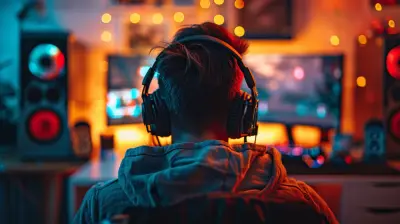
We’ve all been there—waiting (not so) patiently for a game that looks like a surefire hit. Trailers drop, fans go wild, the hype train picks up steam... and then? Silence. Updates slow down. And finally, the headline hits: "Cancelled." Just like that, the game disappears into the void.
“Wait, what? They cancelled it? After all that buildup?”
Yeah. It’s a punch in the gut. But here’s the thing—these unexpected cancellations aren't just frustrating for players. They send ripple effects through the entire gaming world: from players and content creators to studios, publishers, and even other games in development.
So let’s dig deep and talk about what these unexpected cancellations really mean—and why they’re a lot more significant than they first seem.
The Emotional Whiplash of Hype vs. Reality
When a new game is announced, it taps into something pretty primal. There's excitement, curiosity, and the thrill of possibility. Studios tease new worlds to explore, characters to fall in love with, and mechanics that promise to blow our minds.We start imagining ourselves playing it—even years before the release. We build expectations from every reveal, forum post, and dev Q&A. So when a game gets cancelled, it’s not just a headline. It genuinely hurts. It’s like getting ghosted after months of amazing DMs.
But why does it happen? Aren’t these multi-million dollar projects backed by some of the biggest names in the business? What causes them to crash and burn?
Let’s break it down.
The Many Reasons Behind Game Cancellations
1. Development Hell is Real
Game development isn’t a straight road. It’s a winding path filled with technical hiccups, team disagreements, budget constraints, and—yes—sometimes pure chaos. Some games suffer from what we call "development hell": years of work without any clear direction.You know those projects where they keep changing the core gameplay loop or the engine itself? That’s usually a red flag. The longer a game stays in development hell, the lower the chances it will actually see the light of day.
2. Financial Woes
Let’s face it: games cost a fortune. We’re talking about teams of hundreds, sometimes thousands, working around the clock for years. If a publisher doesn’t see a guaranteed return on investment, they might cut their losses early. It’s brutal, but it’s business.Cancellations often follow quarterly financial reports. If investors see a dip, the axe starts swinging—and often, the project furthest from completion gets chopped.
3. Changing Market Trends
Imagine developing a game for years only to find out the market has moved on. Maybe battle royale exploded during development and your PvE shooter suddenly feels outdated. Or maybe your game was inspired by mechanics that have since become stale.In such cases, companies might cancel rather than risk an expensive flop. They don’t want to release something that feels "last year" the moment it hits.
4. Company Restructures or Buyouts
Mergers, acquisitions, and internal restructures change everything. Teams get reassigned, leadership priorities shift, and projects that once seemed essential suddenly look redundant. We've seen this happen time and time again—games disappear during company-wide shakeups.
Famous Cancellations That Still Sting
✖ Scalebound (PlatinumGames & Microsoft)
This dragon-riding action RPG had all the makings of a hit: co-op elements, stylish combat, and Platinum’s signature flair. But behind the scenes? Constant delays, pressure from stakeholders, and tech troubles. In 2017, Microsoft pulled the plug—and fans are still haunted by what could’ve been.✖ Star Wars 1313 (LucasArts)
A mature, gritty Star Wars game about the criminal underworld of Coruscant? Yes, please! But then Disney acquired Lucasfilm, shuttered internal game development, and...poof. 1313 got axed before it had the chance to redefine Star Wars gaming.✖ Silent Hills (Kojima & Guillermo del Toro)
P.T., the terrifying playable teaser, set the internet on fire. But after Hideo Kojima left Konami, the game was trashed. Fans were furious. Horror lovers still talk about P.T. like it’s a lost relic of gaming legend.
The Ripple Effect: What These Cancellations Actually Mean
Alright, so a game gets cancelled. People get mad. What happens next?🧠 For Gamers: Trust (Once Lost) Is Hard to Rebuild
Every cancelled game chips away at player trust. When a studio hypes up a project and then shelves it, fans are left skeptical. The next time they announce something new, the reaction might be more cautious, less enthusiastic.Many gamers have developed a “wait and see” mindset—because getting burned too many times makes you wary. That hurts studios, too. They rely on early hype to drive pre-orders, investments, and momentum.
🎮 For Developers: Morale Can Tank
Imagine pouring years of your life into a project, only for it to be cancelled right before launch. It’s demoralizing. Many devs who work on cancelled titles never get credited for their work, even though they gave it their all.Worse still, it can impact future job prospects. “Oh, you worked on a game that never released?” That doesn’t always sit well on a resume.
📉 For Studios: Financial Fallout
Cancellations can be incredibly expensive. You’re essentially writing off millions of dollars in sunk costs. Investors hate that. Stock drops, leadership gets scrutinized, and sometimes entire teams face layoffs.It’s not uncommon for studios to close soon after major cancellations. One day you're working on your magnum opus. The next day, your access card doesn’t work.
The Silver Lining: Can Anything Good Come From Cancellations?
This is where we take a breath. Because yeah, cancellations are awful, but they’re not always the end of the road. In some ways, they can lead to growth.🔁 Repurposed Ideas
Many concepts from cancelled games find their way into new projects. Mechanics, storylines, or even full levels may be recycled and improved. Just because the game died doesn’t mean the work was wasted.Case in point: elements from Star Wars 1313 reportedly inspired parts of Jedi: Fallen Order. Silent Hills' legacy echoes in pretty much every modern horror indie.
📣 Community Movements
Cancellations often unite communities. Petitions, social media campaigns, and fan tributes can show studios just how much people care. Sometimes, that’s enough to revive a project—or at least push studios to create spiritual successors.Remember how much noise we all made about P.T? That game may be gone, but its impact birthed an entire movement in horror gaming.
What Does This Mean for the Future of Games?
Here’s the million-dollar question: are we going to see more of these unexpected cancellations as the industry grows?Honestly? Probably.
Games are only getting more complex, and expectations are sky-high. Dev cycles are longer. Budgets are bigger. One wrong move—financially, technically, or creatively—can sink a project.
But maybe there’s a lesson in all of this.
Maybe we, as players, need to throttle the hype a little bit. Maybe studios should focus more on realistic announcements—all killer, no filler. Wait until the game is past the danger zone before showing it off to the world.
Because here’s the truth: It’s okay if things change during development. What’s not okay is building promises and dreams on shaky foundations.
How We Move Forward
So what do we do, as players? For starters, stay informed. Don’t take every trailer at face value. Follow developer blogs, read between the lines, and most importantly—don’t preorder based on cinematic trailers alone.Support devs who are transparent. Reward teams that deliver what they promise. And if a game gets cancelled? Yeah, be disappointed—but also remember that behind that cancellation are teams of real people who tried to make something great.
Sometimes, the story doesn’t end with cancellation. Sometimes, it just takes a different path.
Final Thoughts
Game cancellations are painful. They’re often messy, unexplained, and downright infuriating. But they’re also a part of the industry—a symptom of how hard it is to make great games in a rapidly evolving market.So next time a project vanishes before launch, take a moment. Mourn it, sure. But then look around. The creativity, the passion, the insane amount of talent? It’s still out there. And it will shape something new.
Who knows? That cancelled game might just be the soil that the next masterpiece grows from.
all images in this post were generated using AI tools
Category:
Game NewsAuthor:

Lucy Ross
Discussion
rate this article
2 comments
Carly Phillips
Great article! It’s intriguing to see how unexpected game cancellations shape the industry landscape. Your insights on the potential impacts and future trends are much appreciated. Looking forward to more discussions on this topic!
March 25, 2026 at 4:14 AM
Lucy Ross
Thank you for your thoughtful comment! I'm glad you found the article insightful. I look forward to more discussions on this important topic as well!
Barbara McAleer
Cancellations highlight industry shifts, impacting player expectations and future projects.
March 24, 2026 at 4:55 PM
Lucy Ross
Cancellations do reflect changing trends and shift what players expect. It's a reminder that flexibility in the industry is key for future projects.