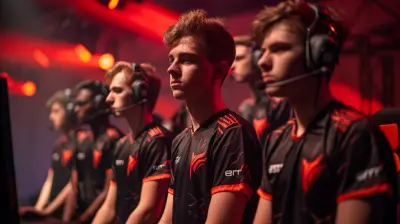
What Game Designers Can Teach Us About Progression
26 June 2026
When you think of video games, what’s the first thing that pops into your head? Explosions? Storylines? Endless hours of gameplay? Sure, that’s all part of the magic. But behind the scenes, game designers are crafting something much more powerful than flashy cutscenes or boss fights — they're creating a sense of progression that keeps us hooked.
Believe it or not, these designers aren't just entertaining us; they're teaching us how to build and measure progress. Whether you're a gamer, an entrepreneur, a student, or someone just trying to level up in life, there’s a lot we can take from how games are structured. So let’s break down exactly what game designers can teach us about progression — and how you can apply these lessons to pretty much anything you’re working on.
What Is Progression in Game Design?
Progression in gaming isn’t just about reaching the next level. It’s about the feeling that you’re moving forward, building up skills, and becoming more powerful or knowledgeable. At its core, it's a reward system crafted to keep you engaged.Game designers are masters at shaping this journey. They know how to give just the right amount of challenge and reward to keep players in a sweet spot between boredom and frustration. That’s progression — not just movement, but meaningful growth.
So how do they do it? And more importantly — how can you?
1. The Art of the Progression Curve
Let’s kick off with something fundamental — the progression curve.Game designers carefully design how difficulty and rewards scale over time. In the beginning, you level up quickly. It feels good. It feels easy. You're learning the ropes, getting stronger fast, and being rewarded almost constantly.
But as the game goes on, that curve flattens out. Things get tougher. You need more experience points to level up. You might even hit a wall. That’s intentional. It helps keep the game engaging. If it stayed easy forever, you’d get bored. If it started too tough, you’d quit.
Life lesson? Start with quick wins. Build momentum early. Then, gradually raise the stakes. It mirrors how we grow in real life — fast at first, then more deliberate and strategic.
2. Feedback Loops: Keeping Us Coming Back
Feedback is everything in games. Every time you complete a mission, find an item, or unlock a new ability, the game tells you, “Hey, good job!” That’s a feedback loop.There are two types: positive and negative.
- Positive feedback loops reinforce success. Win a fight? Get stronger. Become stronger? Win more fights. It's uplifting.
- Negative feedback loops help balance things. Fall behind? The game might throw you a helping hand, like easier enemies or extra resources.
These loops keep the game fair and fun. Too much challenge without support burns players out. Too many rewards without effort? It gets dull.
Applied to real life? Give yourself feedback. Track your wins. Notice your setbacks. Adjust accordingly. Whether it's health goals, business metrics, or learning a new skill, feedback loops will keep you moving forward.
3. Milestones Over Endgames
Most games don’t just have one goal. They break the journey into milestones — reaching a new level, unlocking an ability, beating a boss.This segmentation makes big challenges manageable. You don’t need to defeat the final boss today. Just complete the mission in front of you.
Game designers understand that milestones give players a sense of regular achievement. That dopamine hit from checking off a task? It’s the same whether you’re playing a game or crushing a to-do list.
Try thinking in milestones when you’re planning your own progression. Writing a book? Celebrate when you finish a chapter. Building a startup? High-five yourself after each successful pitch.
The final goal might be months (or years) away — but the smaller wins will keep you motivated.
4. Choice and Agency: It’s Your Game
Ever notice how the best games let you choose your path? Side quests, different playstyles, character builds — you’re in control.That’s called player agency, and it’s powerful. Game designers know people are more engaged when they feel like their choices matter.
Now flip that to real life. If you feel stuck on someone else’s rails — in a job, school, or project — you’re not going to feel motivated. Progression feels real when the direction is your own.
Want more momentum in your growth? Give yourself options. Customize your goals. Pick paths that fit your strengths, your interests, your style.
The more you "own" your journey, the more progress you'll make.
5. Risk and Reward: The Spice of Progression
Good games always come with risk. You might lose a battle, waste resources, or have to try again. But the possibility of a big reward? That’s what makes it exciting.Game designers balance risk and reward to keep the stakes high — not overwhelming, but just enough to make each win meaningful.
In personal growth, the same principle applies. Play it safe all the time, and you never grow. Push too hard without preparation, and you crash. But calculated risk? That’s where magic happens.
Take that shot at the promotion. Launch the side hustle. Start learning that intimidating new skill.
Without a little risk, there's no real reward — in games or in life.
6. Progression Is Personal
Not everyone plays the same way. Some rush through the story. Others explore every inch of the world. Some compete. Others collect.Game designers build systems that work for different play styles — because they know that people progress in different ways.
In real life, there’s no one-size-fits-all roadmap to success either. What works for your friend might not work for you. Their “level 20” might be your “level 5,” and that’s okay.
Embrace your own pace, your own goals, your own wins.
Don’t measure your progression by someone else’s scoreboard.
7. Progress Bars Make Everything Better
Let’s talk about progress bars for a second — those little visual indicators that show how far along you are in a game. Funny how they’re so simple, but so effective, right?They make progress visible. Tangible. Real.
You can feel your advancement instead of just knowing it intellectually.
That’s why in productivity tools, fitness apps, language learning software — progress bars and visual trackers are everywhere.
Games nailed this trick early on. Seeing your experience points grow? It’s addictive in the best way.
So if you're working on a goal, create your own progress bar. Use a spreadsheet. Get an app. Build a habit tracker. The satisfaction of seeing that visual progress? It's more powerful than you think.
8. Motivation Through Meaningful Rewards
Not all rewards are created equal.Well-designed games reward you with something that matters — maybe it gives you new abilities, opens up new content, or makes you feel like a badass.
Compare that to random, meaningless bonuses. Fun for a bit, but they fade fast.
Game designers know rewards need to be motivating, not just shiny. Real-life progression works the same way.
Reward yourself in meaningful ways. Not just with junk. Maybe it’s more free time, a new gadget, a weekend trip, or just the satisfaction of reaching a goal.
Whatever feels truly rewarding to you — use it to fuel your next level-up.
9. Embracing Failure in the Name of Progress
In games, failure isn’t the end. It’s part of the process. You die. You respawn. You try again. And again. And again.It's not embarrassing — it's expected.
Game designers know that failure teaches. The best games embrace trial and error. They give you the space to mess up, without punishment that’s too harsh.
Now think of how we treat failure in real life. We avoid it. Fear it. Hide from it. But if you’re not failing, are you really pushing your limits?
Reframe failure as feedback, not defeat. Like in games, each setback is just a step on the path to success.
10. The "Just One More Level" Phenomenon
Ever said “just one more level”... and suddenly it’s 3am? Yeah, we’ve all been there.That feeling isn’t by chance. Game designers use momentum and cliffhangers to keep you engaged. They end levels with a tease of what’s next — just enough to pull you forward.
In life, you can replicate this momentum.
End your work sessions on a high note. Leave something exciting for the next day. Set up your next task in advance so you're ready to jump right in.
Keep the energy rolling, and you won’t need to force motivation — it’ll come naturally.
Final Thoughts
Game designers might seem like they’re just building fun worlds, but they’re actually reverse-engineering motivation, learning, and personal growth. They understand what keeps people moving, even in the face of challenge and failure.Progression in games mirrors progression in life. And by studying how games keep us engaged, we can build smarter goal systems, find more joy in growth, and stay motivated longer.
So the next time you’re stuck on a goal or feeling like you’re not making progress — think like a game designer. Track your XP. Build in small wins. Choose your path. And don’t forget to give yourself a meaningful reward when you level up.
Ready to play?
all images in this post were generated using AI tools
Category:
Leveling UpAuthor:

Lucy Ross
Discussion
rate this article
1 comments
Icarus McClintock
This article highlights valuable insights from game designers that can inspire personal growth and motivation. It's amazing how gameplay mechanics can influence our real-life progression... great read!
July 2, 2026 at 4:07 AM