What’s Fueling the Rise of Indie Game Hits
7 July 2026
Indie games have come a long way. What was once a niche corner of the gaming world has erupted into a full-blown phenomenon. It's no longer unusual to see indie titles sitting pretty next to AAA blockbusters on bestseller lists or scooping up awards usually reserved for multi-million dollar productions.
But what’s really fueling the rise of indie game hits?
Let’s break it down and see why independent games are not only surviving—but thriving—in today’s wild gaming landscape.
The Democratization of Game Development
Tech Tools for Everyone
Remember the days when developing a video game meant booking a multi-floor office and hiring a team of 100? Yeah, not anymore.Thanks to engines like Unity and Unreal Engine (which often offer free tiers), just about anyone can dive into game development with little more than a laptop and a dream. These powerful tools, once locked behind expensive licenses, have now been unlocked and handed over to the masses.
Game development has been democratized. And that’s huge.
Tutorials at Our Fingertips
Don’t know how to code? No problem.Platforms like YouTube, Udemy, Coursera, and even TikTok have blown open the gates to learning game development. Want to create pixel art? There’s a tutorial. Implement a save system? Covered. Create a soundtrack on a shoestring budget? Yup, that too.
It’s like the Wild West out there, but with way better Wi-Fi.
Crowdfunding and Community Power
Kickstarter Changed the Game (Literally)
One of the biggest reasons indie developers can fund and finish games is the rise of crowdfunding platforms like Kickstarter and Indiegogo. Backers get to be part of the process, and developers get the capital they need without begging a big studio for cash.Plus, let’s be honest—fans love seeing a cool idea and being able to say, “I helped make that happen.”
Community = Free Marketing
Speaking of fans, the indie gaming community is one of the loudest, most passionate groups out there. They tweet, stream, review, and rave about their favorite games, spreading word faster than most marketing teams ever could.When a passionate niche crowd gets behind a game, hype spreads like wildfire.
Creative Freedom: No Suits, No Rules
Weird is Wonderful
Here's the deal—indie developers don’t have to play it safe. No corporate overlord is breathing down their neck telling them what to make. Want to make a game where you’re a goose causing chaos? Go for it. (Yes, we’re looking at you, Untitled Goose Game.)This creative freedom leads to innovation that you just don’t see in AAA games, which are often bound by studio expectations and market research.
Unique Stories, Diverse Voices
Indie games often represent stories that mainstream games shy away from. You’ll find deeply personal narratives, games exploring identity, mental health, cultural backgrounds, and political issues—topics that AAA tends to tiptoe around.This raw authenticity resonates with players looking for something more than guns and glory.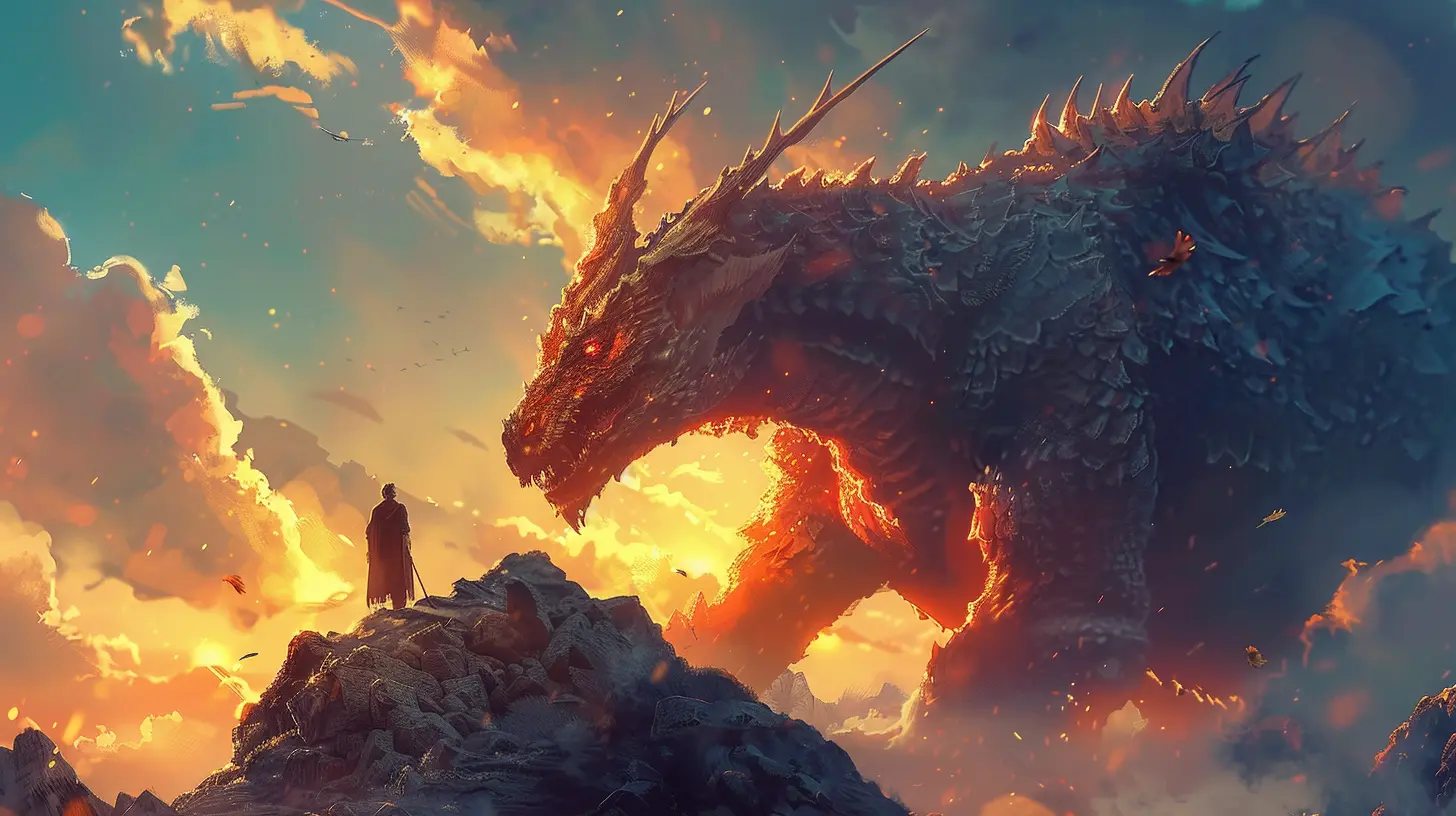
Nostalgia Hits Hard
Retro Aesthetics, Modern Feel
Pixels and chiptunes are back in style—not because developers are stuck in the past, but because they're tapping into our feelings. Games like Celeste and Stardew Valley blend old-school graphics with modern mechanics and emotional storytelling.It’s like playing your favorite childhood game… but with deeper gameplay and better writing.
Gen Z and Millennial Fuel
Let’s not forget who’s playing these games. Millennials grew up on SNES and Sega, while Gen Z grew up watching Let’s Plays of retro-style games. Combine that nostalgia with a hunger for fresh experiences, and you’ve got a perfect recipe for indie success.Low Risk, High Reward
Small Budgets = Bigger Surprises
Indie games don’t need a half-billion-dollar budget to succeed. In fact, some of the biggest indie hits (Among Us, Undertale, Hollow Knight) were made with tiny teams and even tinier budgets.Why does this matter?
Because when the stakes are lower financially, developers feel freer to take creative risks. This often leads to unexpectedly brilliant experiences.
Players love surprises, and indie games deliver them on a silver platter.
Viral Potential
One moment, it's a quiet release. The next, it's topping Twitch charts and selling millions. Indie games often go viral because of their simplicity, uniqueness, or one clever hook that gets people talking.Think of Papers, Please, a game about being a passport inspector. Boring on paper, addictively compelling in execution.
Streaming and Content Creation
Streamers Love Indie Gems
Indie games are YouTube and Twitch gold. They’re quirky, they’re surprising, and they offer hilarious reactions. Viewers eat this stuff up.Whether it’s the chaotic co-op madness of Overcooked or the tense imposter vibes of Among Us, streamers love games that generate content. And indie games are perfect for that.
The Feedback Loop
When a game blows up on Twitch, more people hear about it. More people buy it. Streamers see it trending, and the cycle continues. Indie games can launch into the stratosphere in days thanks to this modern content machine.Platforms Are Pulling Their Weight
Digital Stores Love Indies
Steam, Xbox Game Pass, Nintendo eShop, PlayStation Store—these platforms are now showcasing indie games front and center. You don’t have to dig through endless menus to find that hidden gem anymore.Heck, Nintendo’s even doing full Indie World showcases now. That’s no small deal.
Accessibility is Key
Indie games are often budget-friendly and run on less powerful systems. That means they’re accessible to players who don’t have the latest RTX card or next-gen console. Wider accessibility = wider audience.Word of Mouth is Louder Than Ever
Reviews That Matter
Let’s face it—gamers trust other gamers more than they trust marketing. When indie games drop, people flock to Reddit, Discord, Metacritic, and YouTube to see what others think.A single viral tweet or Reddit post can catapult an unknown game to stardom overnight.
Gamers Supporting Gamers
There’s something about the underdog story that resonates. Indie games are often passion projects. When players see the care and effort that developers put in, they want to support that—not just with money, but with loyalty.Players root for the devs. And that kind of support creates a ripple effect.
Innovation Over Imitation
Mechanics That Turn Heads
Indie games aren’t bound to the same play-it-safe mechanics we see time and time again (looking at you, battle royale). Instead, they reinvent genres or mash them up in ways no one saw coming.Ever thought you’d cry over a spreadsheet in a game? Return of the Obra Dinn begs to differ.
Shorter Playtimes, Bigger Impact
Not everyone wants to spend 100 hours grinding loot. Many indie games hit hard in just a few hours—and that’s part of the charm.They're like short films: punchy, poignant, and perfect for busy lives.
The Power of Passion Projects
At the heart of every hit indie game is a story of passion, creativity, and grit. These aren’t committee-made cash cows. They’re love letters—crafted with intention, fueled by late nights, and polished with community feedback.And in an industry sometimes bloated with sequels and safe bets, that authentic feeling shines like a beacon.
Final Thoughts: The Indie Invasion Is Just Getting Started
So, what’s fueling the rise of indie game hits?It’s a potent mix of accessibility, creativity, community, and authenticity. These games prove that you don’t need billions to make something memorable—you just need a good idea, the will to see it through, and a group of gamers who believe in the vision.
As tech continues to improve, communities grow tighter, and platforms double down on support, the indie wave isn't slowing down anytime soon.
In fact, it's only getting stronger.
So the next time you're browsing for your next favorite game, don’t just look to the big names—dig a little deeper. That hidden gem might just change the way you think about games forever.
all images in this post were generated using AI tools
Category:
Game NewsAuthor:

Lucy Ross
Discussion
rate this article
1 comments
Karson Cox
Indie games are thriving thanks to creativity, unique storytelling, and dedicated communities. Players appreciate fresh experiences that big studios often overlook. This trend is exciting.
July 12, 2026 at 4:29 AM
Lucy Ross
I completely agree. Indie games really are bringing innovation and passion to the forefront, giving players something truly special. It's refreshing to see unique stories resonating with so many.