Why Puzzle Games Thrive in Virtual Reality
8 December 2025
If you've ever tried solving a puzzle in virtual reality, you already know it's not your typical brain teaser. It’s immersive, it’s interactive, and somehow—magically—it just feels more real. Puzzle games have long held a special place in the gaming world, but in VR, they’re not only surviving—they’re thriving. But why is that? What makes puzzle games such a perfect fit for virtual reality?
Let’s break it down and really get into the nuts and bolts of this digital phenomenon.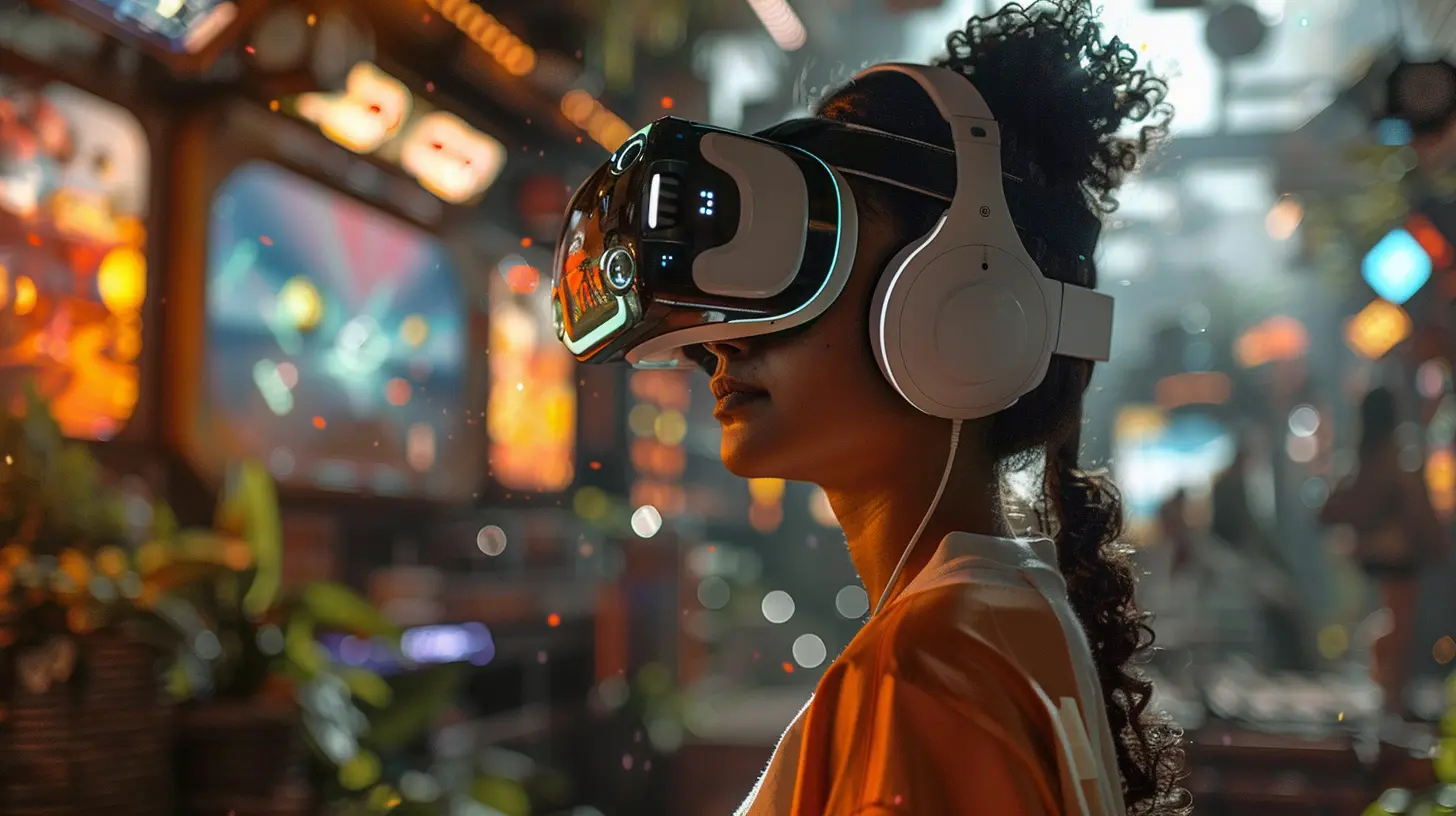
The Rise of Puzzle Games in VR: A Perfect Match?
Puzzle games have always been about problem-solving and pattern recognition. Whether it’s rotating shapes in Tetris or navigating the mind-bending architecture of Portal, the goal remains the same: challenge the brain. But in VR, these challenges become even more engaging.Think about it like this: imagine trying to solve a Rubik’s Cube. Now imagine you’re standing inside it.
That’s the kind of leap we’re talking about.
Immersion: The Secret Sauce
The biggest reason puzzle games excel in VR is simple—immersion. In traditional gaming, you're looking at a problem on a screen. In VR, you’re inside the problem.You can walk around it, peer underneath it, reach out and interact with it like it’s part of your world. That tactile experience tricks your brain into thinking the puzzle is real. And that’s a game changer.
Ever noticed how you remember things better when you've physically touched or experienced them? That’s your memory and sensory systems working together. Puzzle games in VR tap into that by making sure you’re not just thinking your way through a challenge—you’re feeling your way through it.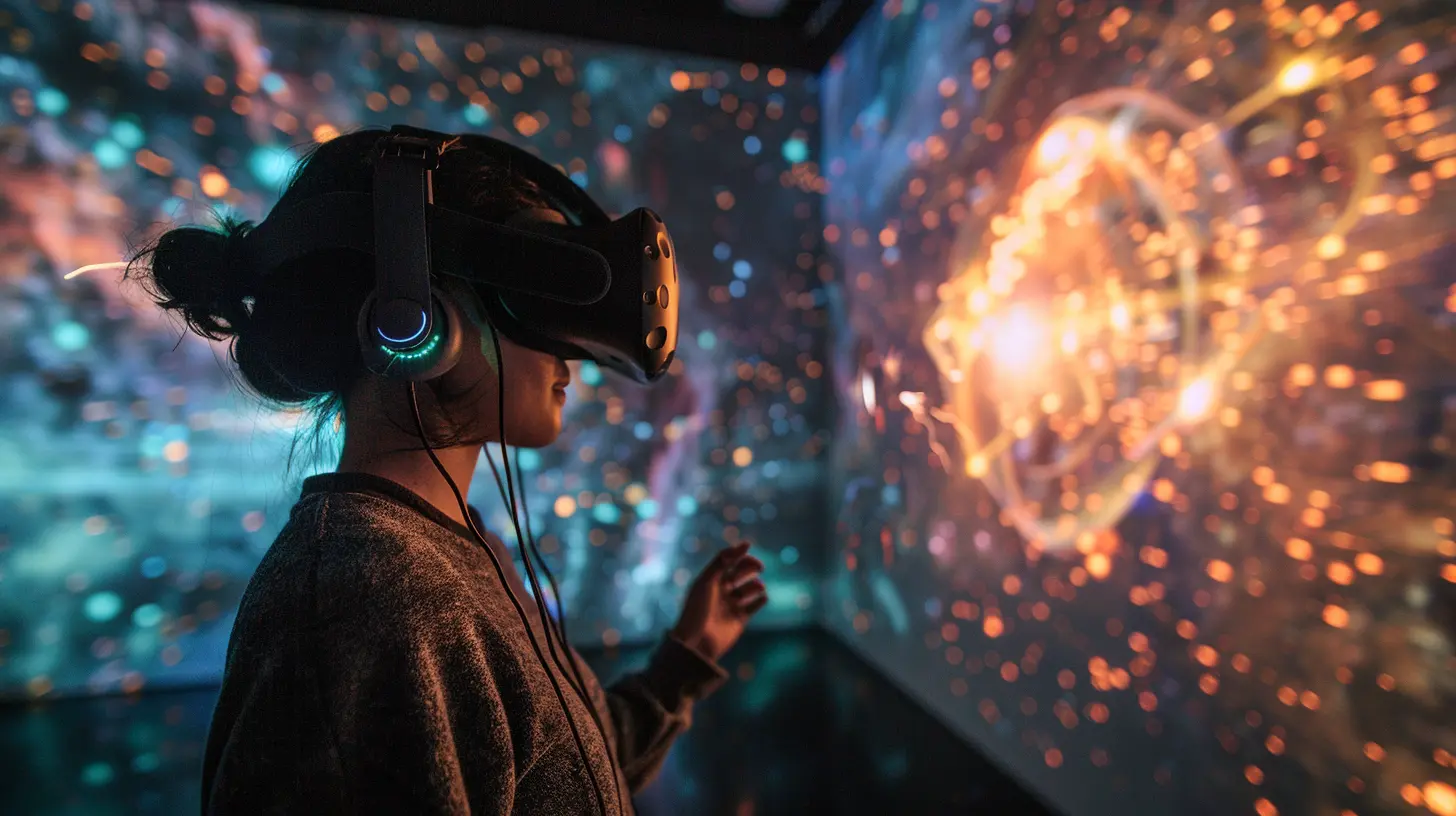
Spatial Awareness: A Whole New Dimension
Most classic puzzle games are flat. Literally. You’re looking at a 2D plane, trying to make sense of shapes or patterns. VR flips that limitation on its head.In virtual reality, puzzles can be fully three-dimensional. They float in space, wrap around corners, or hang from ceilings. You’re not just solving the puzzle—you’re navigating a space. That brings spatial reasoning into the mix, engaging a part of your brain that’s barely used in regular games.
And let’s be honest—there’s nothing cooler than using your whole body to rotate an ancient magical cube or align a series of mystical orbs floating in a cavern temple.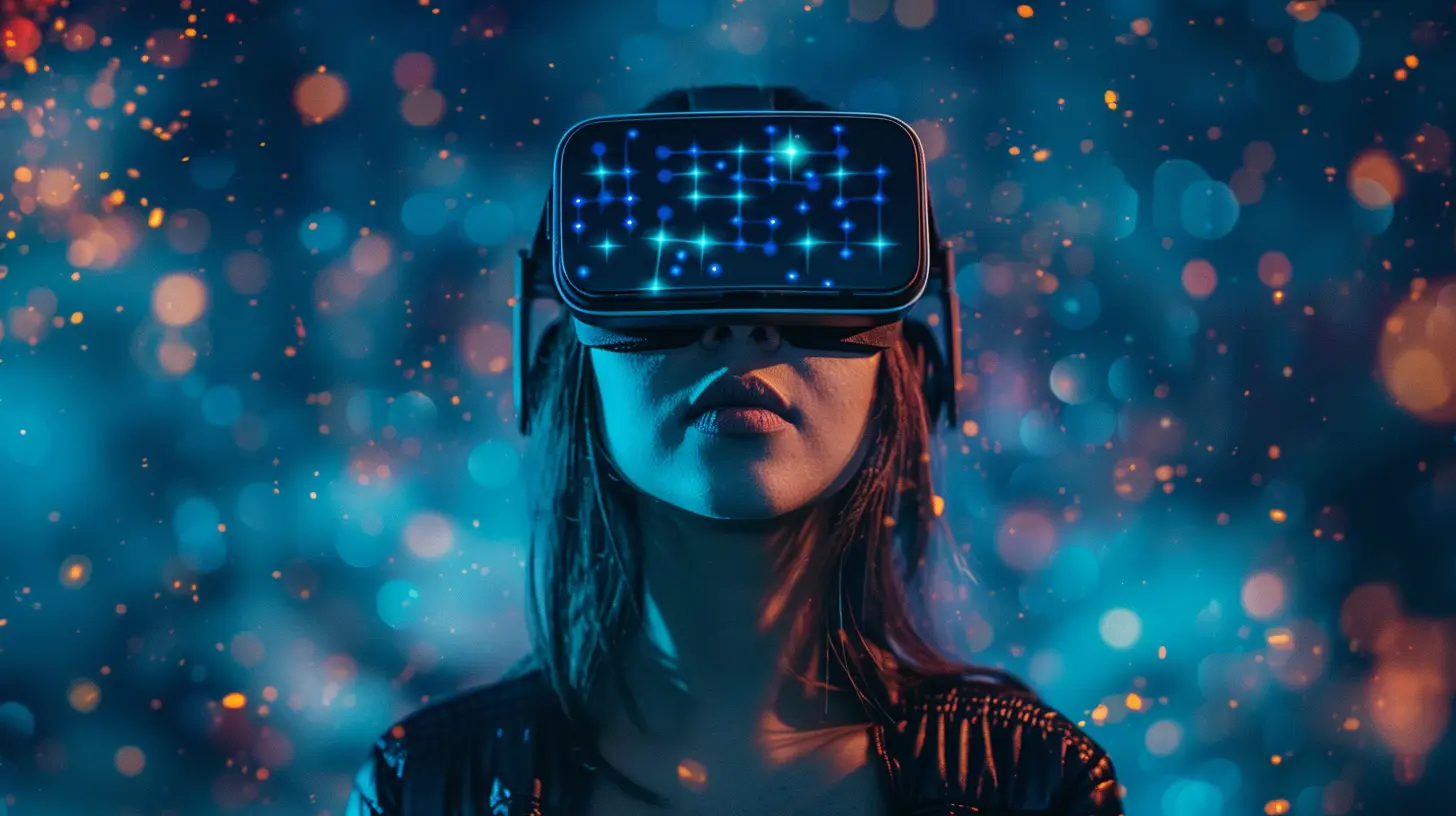
The Power of Interaction
Another reason puzzle games shine in VR? The controls. You’re not clicking a mouse or tapping a screen. You’re reaching out. Grabbing. Twisting. Pushing. Pulling.This physical level of interaction makes the game feel almost like a hands-on science project or a room escape challenge. Remember those old school escape rooms where you had to find keys and decipher clues to get out? VR puzzle games feel just like that—but way cooler, and you can do it in your PJs.
Also, the feedback is immediate. You move something—you see the change. No delay, no abstraction. It’s that instant cause-and-effect that makes puzzles not just satisfying but addictive in the best way possible.
Storytelling and Atmosphere: Puzzles with Purpose
Let’s not forget how VR can set the stage for a story like no other platform.Puzzle games in virtual reality often pull you into rich, atmospheric environments. Think eerie abandoned labs, ancient temples, or even dreamlike alien worlds. These backdrops aren’t just set dressing—they're part of the puzzle.
Solving mysteries in a room where every object might hold a clue is immersive storytelling at its finest. Games like "The Room VR: A Dark Matter" aren’t just puzzle games—they’re experiences, each clue woven into the narrative like threads in a tapestry.
And here’s the kicker: when the story makes sense, solving the puzzle feels more rewarding. You’re not just moving blocks around—you’re uncovering secrets, progressing a plot, solving a mystery. That’s next-level engagement.
Emotional Engagement: It’s Personal Now
Because VR wraps you in a world, the stakes feel higher.You’re not just a player—you’re there. When a puzzle is tricky and you finally crack it, it feels like a personal victory. When you’re stumped and the room darkens or the music intensifies, your heart races—not because of jump scares, but because you’re emotionally involved.
VR makes puzzle-solving emotional. You feel tension, relief, accomplishment, even frustration—but all in a way that’s vivid and real.
Room-Scale Gameplay: Solving with Your Body
Another game-changer (no pun intended) is room-scale gameplay. With the more advanced VR systems, you’re not just moving your hands—you’re walking around your play area.Now puzzles can require you to explore, crouch, lean, even walk from one side of the room to the other. That kind of movement engages your body and brain together in a way that flat-screen games just can't match.
It’s like comparing Chess to Laser Tag—both strategic, but only one gets your heart pumping.
Accessibility and Design Creativity
VR puzzle games also have the edge when it comes to innovative design. Developers aren’t bound to boring rules like gravity or physics. Want a zero-gravity space station puzzle? Sure. Want to shrink down and solve puzzles inside a clock? Why not.The only limit is imagination—and honestly, that's the ultimate playground for puzzle games.
Plus, VR puzzle games can be more accessible for people who might struggle with rapid button-mashing or complicated mechanics. The focus in puzzles is often slower-paced, thoughtful, and interactive, which works beautifully in immersive VR environments.
Multiplayer & Social Aspects
Ever tried solving a jigsaw puzzle with a friend? It’s way more fun than doing it alone.The same applies in VR. More and more puzzle games are embracing multiplayer features. Whether it’s teaming up in a co-op escape room or helping a friend interpret alien symbols in real-time, shared puzzle-solving in VR adds a whole new layer to the experience.
It’s not just you vs. the puzzle—it’s you and a buddy vs. the challenge.
And let’s face it—screaming eureka! in VR with a friend is way more satisfying when someone’s there to high-five you (virtually or otherwise).
Popular VR Puzzle Games Paving the Way
Still not convinced? Let’s throw out some names.- The Room VR: A Dark Matter – Atmospheric, creepy, and full of tactile puzzles.
- I Expect You To Die – A James Bond style spy thriller where puzzles are both deadly and devilishly funny.
- Tetris Effect: Connected – Yes, Tetris in VR. It’s hypnotic, emotional, and beautiful.
- A Fisherman’s Tale – Mind-bending puzzles that mess with scale and perception.
- Red Matter – A sci-fi narrative-driven puzzle game that oozes atmosphere.
These are just the tip of the iceberg, but all of them prove one thing—VR puzzle games are not just a trend. They’re a genre evolving in real-time.
What the Future Looks Like
So, where are we headed?We’ll likely see even more innovative combinations of AI, physical feedback, and biometrics in VR puzzle games. Imagine a game that responds to your stress levels—or adjusts the difficulty based on how you solve. That’s not sci-fi anymore—it’s already in development.
We'll also see better cross-platform multiplayer options, deeper narrative integration, and increasingly realistic environments. And as VR hardware becomes more affordable, expect puzzle games to be at the forefront of what draws new players in.
Puzzle games might not have the flash of shooters or the adrenaline of racing games, but in VR, they offer something even more valuable: immersion, engagement, and that unbeatable “aha!” moment.
Final Thoughts
There’s just something magical about puzzle games in VR. They offer a blend of mental challenge, physical interaction, and emotional engagement that other genres struggle to match.It’s more than gaming—it’s a mind-body workout inside a world limited only by imagination. And that’s why puzzle games aren’t just surviving in VR—they’re absolutely thriving.
So the next time you strap on a headset, ask yourself: ready to think outside the box… while being inside one?
all images in this post were generated using AI tools
Category:
Virtual Reality GamesAuthor:

Lucy Ross
Discussion
rate this article
2 comments
Audrey Maddox
Puzzle games in VR create a mesmerizing experience, blending challenge with immersive fun—truly addictive!
December 14, 2025 at 3:49 PM
Lucy Ross
Thank you! I'm glad you enjoyed the article. VR truly enhances the puzzle experience, making challenges even more engaging and immersive.
Briar Martin
Absolutely love this take on puzzle games in VR! The immersive experience really adds a new layer of fun and challenge. Can’t wait to dive into more brain-busting adventures that make me think outside the box—literally! Keep up the great work!
December 14, 2025 at 3:44 AM
Lucy Ross
Thank you! I'm thrilled you enjoyed the article. VR really does enhance the puzzle experience—can’t wait to see what adventures await!