How In-Game Purchases Are Reshaping Online Gaming
24 April 2026
Ever found yourself scrolling through a game menu, credit card in hand, thinking, "Well… it’s just a few bucks?" You're not alone. In-game purchases have become a massive part of online gaming—and whether you love 'em or hate 'em, there’s no denying they’re flipping the industry's script.
From cosmetic upgrades to pay-to-win mechanics, in-game purchases today are more than just flashy new skins. They’re reshaping how games are designed, how we play them, and how developers earn a living. Let’s dive deep into how this digital cash dance is changing the entire gaming universe.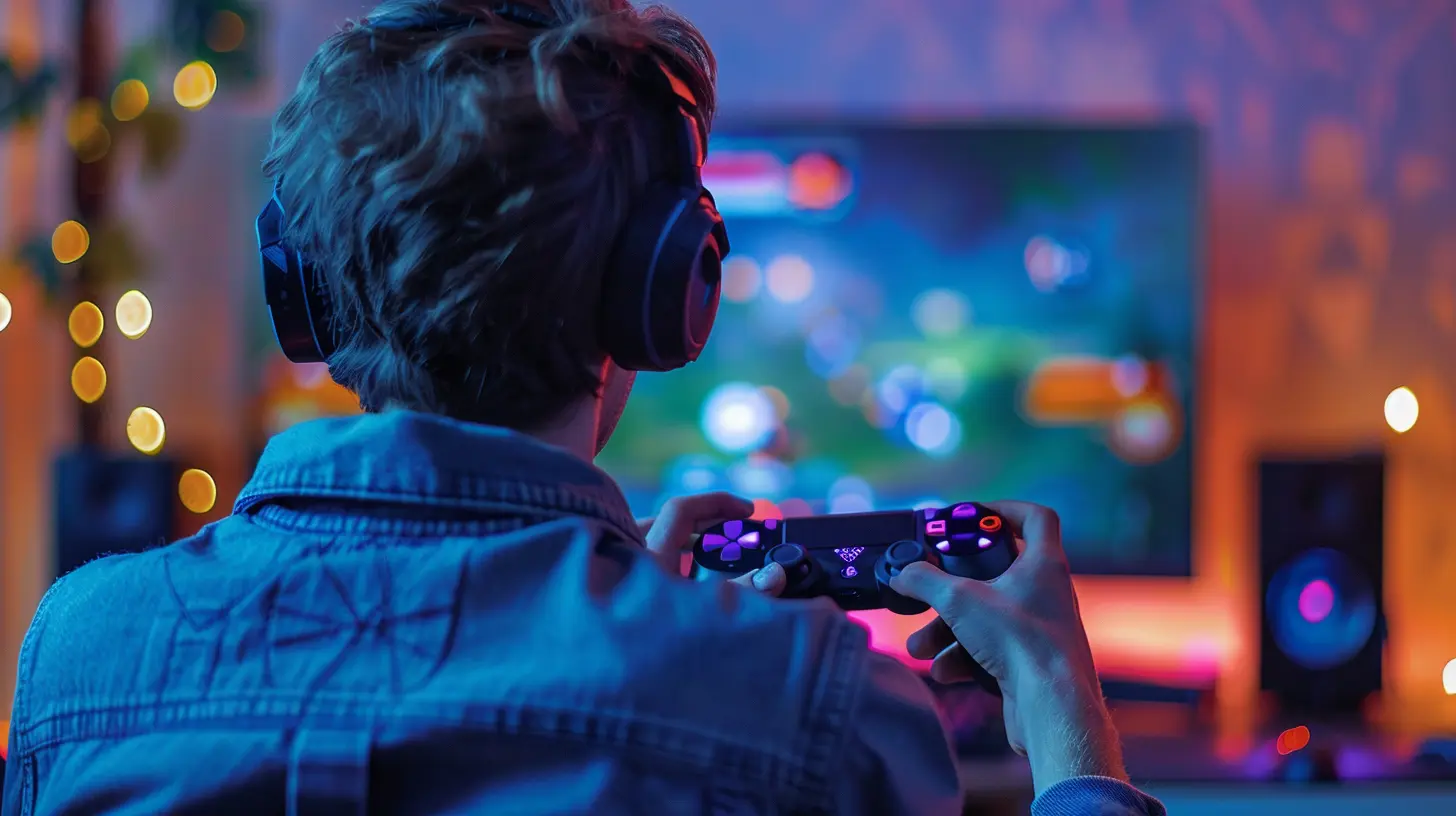
The Evolution of In-Game Purchases: From Micro to Macro
Once upon a time, you bought a game once—maybe twice if there was a sequel—and that was it. But now, games are being built like services rather than products. In-game purchases, often called microtransactions, started small: a dollar here, two bucks there. Fast-forward a decade, and they’ve turned into a billion-dollar beast.Mobile gaming was basically the birthplace of this trend. Ever played a free game like Candy Crush, only to realize that boosters and lives were locked behind a paywall? That's microtransactions at work. Soon after, the PC and console markets joined the party—and now, even AAA titles can't resist the lure.
Different Types of In-Game Purchases: Not All Are Created Equal
In-game purchases aren’t just one-size-fits-all. Let’s break down the kinds you’ll run into:1. Cosmetic Items
These are your outfits, character skins, emotes, gun wraps—stuff that doesn’t affect gameplay but lets you show off your style. Fortnite practically built an empire off of selling these.2. Loot Boxes
These are mystery boxes—think of them like digital scratch cards. You pay a set amount, and you get a random reward. The problem? You never know what you’re gonna get, which makes them controversial.3. Battle Passes
These are seasonal unlock systems where you earn rewards as you play—but they’re only available if you’ve paid for the pass. They're wildly popular in games like Call of Duty: Warzone and Apex Legends.4. Pay-to-Win Items
These are the most divisive. You spend real money to get more powerful gear, characters, or boosts—giving you an upper hand over players who don’t pay. Many argue it ruins the competitive balance.
Why Developers Love In-Game Purchases
From a developer's perspective, in-game purchases are a game-changer—pun intended. They allow studios to offer games for free or at a lower cost, then make money from players over time.Think about it: instead of a one-time $60 sale, developers can earn continuously from a player who keeps coming back for skins, passes, or new content. It’s like turning your game into a subscription—but way more flexible.
Plus, it funds ongoing development. Games like Genshin Impact and Warframe thrive on this model, constantly rolling out new updates, events, and features funded directly by player spending.
How In-Game Purchases Affect Game Design
Here’s the kicker—this monetization method is starting to influence how games are crafted from the ground up.Intentional Difficulty Spikes
Ever noticed a game getting suspiciously harder right after a tutorial? That’s not always by accident. Some games are designed to encourage you to pay for a shortcut—like better gear or boosted stats.Longer Grind Loops
Grinding has always existed in gaming, but now it's often stretched out. Why? Because some games nudge you towards skipping the grind by opening your wallet.FOMO Marketing
Games now exploit Fear of Missing Out (FOMO) with limited-time offers. Miss the window, and that exclusive skin or emote is gone forever. It creates urgency—pushing players to buy now, not later.The Player’s Perspective: A Double-Edged Sword
Let’s be real—there are benefits for gamers too. In-game purchases can:- Allow free access to high-quality games
- Support ongoing development and live updates
- Offer more personalization and creativity
But the downsides? Oh, they’re real:
- Pay-to-win culture can ruin competitive fairness
- Spending can quickly spiral out of control
- Kids and younger players are especially vulnerable
It’s like walking into an arcade with unlimited quarters. Sure, you can have all the fun—but it’s easy to forget how much you’re really spending.
The Ethical Debate: When is it Too Much?
The ethics of in-game purchases are hotly debated. Critics argue they prey on psychological triggers, especially in young players. Loot boxes, in particular, are being compared to gambling—prompting legal scrutiny in countries like Belgium and the Netherlands.Then there’s the question of value. Are you paying for real content, or just the illusion of progress? And should you have to pay to stay competitive?
Some developers are listening. CD Projekt Red, for example, has kept monetization minimal in games like The Witcher 3. Others, like EA (infamously with Battlefront II), have faced massive backlash and had to overhaul their systems.
Regulation and the Future of In-Game Purchases
Governments are stepping in. There’s increasing talk of regulating loot boxes, ensuring transparency, and even banning manipulative monetization practices aimed at kids.Meanwhile, developers are experimenting with new approaches:
Transparent Loot Systems
Games are being more upfront about what you can get, with drop rates clearly shown.Cosmetic-Only Models
Games like League of Legends offer purchases that don’t affect gameplay—maintaining a level playing field.Game Subscription Services
Think Xbox Game Pass or EA Play. These give players access to a ton of games for a monthly fee, possibly reducing the need for constant microtransactions.The Role of Streamers and Influencers
Love ‘em or hate ‘em, streamers and content creators play a massive role in promoting in-game purchases. Watching your favorite streamer rock an exclusive skin or open a loot box live creates social proof and drives viewers to buy the same things.It’s a feedback loop: developers add flashy cosmetics, influencers hype them up, and fans rush to own what their idols are using. It’s marketing gold—but it can also pressure younger audiences into thinking they need to spend to keep up.
How Gamers Are Fighting Back
Not all gamers are just accepting the new norm. There’s a growing pushback against exploitative systems. Movements like #NotMyBattlefront and Reddit-driven boycotts have shown players have a voice—and developers ignore it at their own risk.Gamers are also becoming more educated. They’re reading reviews, watching monetization breakdowns on YouTube, and using platforms like Steam to demand transparency.
Final Thoughts: It's Complicated
So, how are in-game purchases reshaping online gaming? Well, they’re doing a little bit of everything. They’re changing how games are funded, how they’re designed, how developers make money—and how we, as players, interact with the games we love.They're not inherently bad. When done right, they can enhance the experience, fund better games, and keep content fresh. But when done wrong? They can break trust, ruin gameplay, and turn passion into profit-hunting.
At the end of the day, it’s all about balance. Developers need to respect their players, and players need to stay aware of how and where they’re spending. Gamers have more power than they think—and if enough of us speak up, the industry will listen.
Quick Tips for Gamers Dealing with In-Game Purchases
- Set spending limits – Treat it like entertainment, not a necessity.- Watch for FOMO traps – That exclusive skin will probably return later. Don’t stress it.
- Support ethical games – Reward companies that respect players.
- Educate younger players – Talk to kids about digital money and value.
- Share your opinion – Game forums and reviews matter more than you think.
all images in this post were generated using AI tools
Category:
Online GamesAuthor:

Lucy Ross
Discussion
rate this article
2 comments
Nicholas Taylor
In-game purchases: where virtual wallets get lighter while our avatars flaunt the latest pixelated fashion! Happy spending!
April 28, 2026 at 3:56 AM
Lucy Ross
It's true, in-game purchases are turning gaming into a fashion show. But let's hope players balance style with substance.
Nina McGee
In-game purchases: the double-edged sword of online gaming. They fund epic content but risk drowning creativity in a sea of microtransactions. Balance is key!
April 26, 2026 at 4:51 PM
Lucy Ross
You raise a valid point. In-game purchases can indeed foster innovation, but it's crucial to maintain creativity and player experience without overwhelming them with microtransactions. Finding that balance is essential for the future of gaming.