How Streaming Has Changed the Online Gaming Landscape
3 July 2026
Take a step back and think about how you used to play video games ten, maybe even fifteen years ago. You’d fire up your console, maybe play solo or with a few friends on split-screen. That was pretty much it. Fast forward to today, and gaming looks almost unrecognizable — and a huge reason for that shift? Streaming.
Streaming hasn't just tweaked how we experience games; it’s flipped the entire online gaming world on its head. From how games are played and watched to how communities and careers are built, streaming has transformed the gaming scene faster than you can say “Twitch Prime”.
Let’s take a deep dive into how streaming has changed the online gaming landscape and why it’s such a game-changer (pun intended).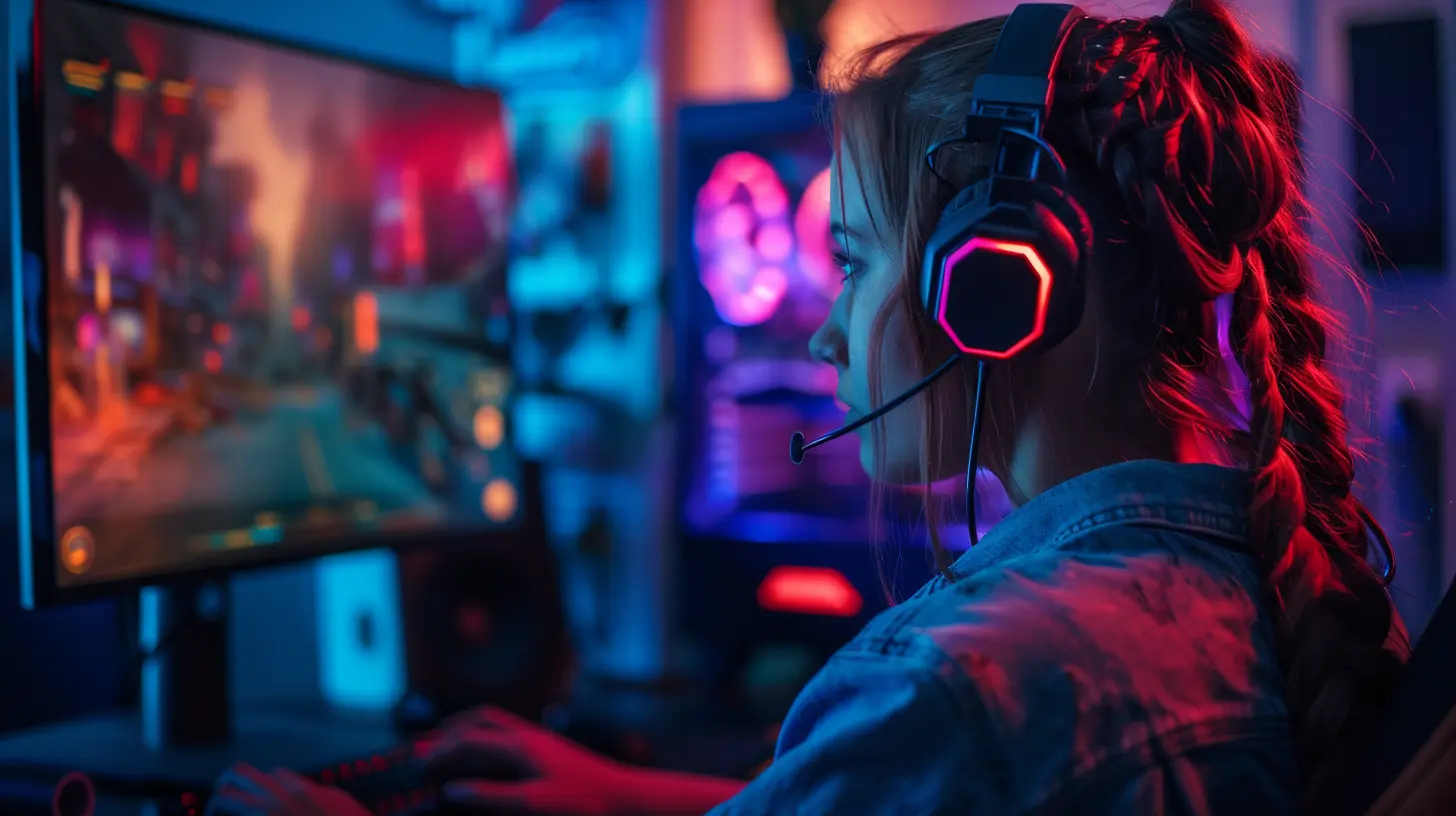
? What Exactly Is Game Streaming?
Okay, let’s get one thing straight from the jump — when we talk about streaming in gaming, we don’t just mean watching people play on platforms like Twitch or YouTube Live. It’s that, yes, but it’s also services like Xbox Cloud Gaming and GeForce Now, where you don’t even need to own high-end hardware to play the biggest titles.So we’ve basically got two sides here:
1. Game Broadcasting – Watching other people play (live or recorded).
2. Cloud Gaming – Playing games via the internet without downloading or installing them.
Both of these have thrown the old rules of gaming out the window.
?️ The Rise of “Watch Culture” in Gaming
Years ago, the idea of watching someone else play a video game for hours would’ve sounded absurd. Like, why watch when you can play it yourself, right? But streaming changed that thinking completely — now watching games is its own form of entertainment.Platforms like Twitch, YouTube Gaming, and even Facebook Gaming have turned gamers into entertainers. And we’re not only talking about pros — even casual players with charisma and humor can build massive fanbases.
Here’s the interesting part — watch culture has become just as important as play culture. In some cases, even more popular. Look at how many people tune into “Let’s Plays,” walkthroughs, and live streams. It’s like turning gaming into a Netflix binge, but better, because it’s interactive and real-time.
??? Building Real Communities in Virtual Worlds
What makes streaming truly special? The community.Streaming turns a single-player or small multiplayer experience into something shared. A good stream isn’t just about the game — it’s about the chatroom, the emotes, the inside jokes, and the feeling of being part of something bigger.
People build friendships, join Discord servers, and even meet IRL through connections formed in a streamer’s community. It’s not uncommon to see fans supporting their favorite streamers like celebrities — donating money, subscribing, and tuning in religiously.
And let’s not forget those "raid" moments when one streamer sends their entire viewer base to another channel. It’s like virtual magic — new traffic, new fans, and that warm fuzzy feeling of digital camaraderie.
? Making Bank: Streaming as a Career Path
Forget the old “you’ll never make money playing video games” line. Streaming has blasted that myth into orbit.Streaming has created legit career paths for gamers, many of whom now make more than traditional jobs. Some are pulling in:
- Income from subscriptions and donations
- Revenue from ads and sponsorships
- Paid brand deals and merchandise sales
Take a look at streamers like Ninja, Pokimane, or xQc — they’ve become gaming icons with influence far beyond the screen. But even smaller creators can earn a decent living if they build a loyal community.
The point? Streaming opened up a new economy, one not driven by developers or publishers but by creators and fans directly.
?️ Influencing Which Games Succeed or Fail
Here's something wild to think about: how a game performs can now hinge on whether it catches fire on streaming platforms.Think about breakout hits like Among Us, Fall Guys, or Valheim. These titles weren’t huge budget blockbusters. In fact, some of them were years old before they blew up. What made the difference? Streamers.
When streamers play a game and enjoy it, their audiences follow. Suddenly, that obscure indie game becomes a viral hit overnight. Developers know this, too — many even design games with streamability in mind, adding features that make them more engaging to watch and interact with live audiences.
Streaming is the new word-of-mouth. Except it’s louder, faster, and global.
? Online Gaming Is Now a Spectator Sport
Esports was already on the rise, but streaming lit the afterburners. Watching competitive gaming isn’t just for the hardcore fans anymore. Thanks to smooth broadcasts, color-commentary, and high production values on platforms like Twitch and YouTube, esports are now mainstream.Tournaments like League of Legends Worlds, Dota 2’s The International, and Valorant Champions Tour draw millions of viewers — sometimes rivaling traditional sports events. Streaming has turned esports into an entertainment juggernaut, with personalities, storylines, and drama to match.
And the best part? Anyone can tune in, from anywhere, for free.
? Accessibility: Gaming Without the Gear
Let’s talk about cloud gaming for a sec.Imagine playing a AAA game like Cyberpunk 2077 on your phone, without a top-tier graphics card or console. Sounds like sci-fi, right? But it’s real, thanks to platforms like:
- Xbox Cloud Gaming (part of Game Pass Ultimate)
- Nvidia GeForce NOW
- Google Stadia (R.I.P., but it walked so others could run)
Cloud gaming is leveling the playing field — literally. All you need is a stable internet connection and a device. That’s it. No $2,000 gaming rig required.
This is huge for gamers in regions where the latest tech isn’t readily available. It’s not just about convenience; it’s about democratizing access to gaming.
? The Double-Edged Sword of Constant Connection
Streaming is amazing, but it’s not all sunshine and high scores.There’s also the pressure — creators are “always on” to keep up with content demands. Burnout is real. The need to constantly engage, entertain, and grow an audience can be exhausting, and sometimes toxic communities don’t help the issue.
Plus, let’s not ignore the privacy concerns. Many streamers invite audiences into their lives, and that vulnerability can come with risks — from doxxing to unwanted attention.
It’s a powerful tool, no doubt, but like any tool, it can cut both ways if not handled with care.
? Streaming Is Shaping How Games Are Designed
Streamers aren’t just playing games anymore. Whether they mean to or not, they’re shaping how games are made.Developers are starting to think:
- “Will this look good on stream?”
- “Can it spark viral moments?”
- “Is there enough content for creators to make videos about?”
That's why you’ll see games include features like spectator modes, streamer-friendly audio settings, or even twitch integration tools to let the audience influence gameplay. Game design is no longer just for the player — it’s now for performers and their digital audience too.
It’s like designing a theme park knowing it’ll be filmed for millions of viewers. Can’t just have fun, it’s gotta look fun.
? The Future of Streaming and Gaming — Where Do We Go From Here?
Let’s get speculative for a minute — what’s next?We’re already seeing VR and AR creeping into the streaming space. Imagine watching someone live stream a VR game with full-body tracking and haptic feedback — it's like stepping into the Matrix, but you’re watching from your couch.
There’s also AI. Tools like deepfake avatars, automated moderation bots, or even AI-generated content are becoming more common. What happens when AI streamers become a thing? (Spoiler: they already exist in early forms.)
And what about interactive streaming, where viewers don’t just watch, but fully participate — choosing outcomes, changing the streamer’s path, or playing alongside in real-time? This isn’t just theory. Twitch Plays Pokémon proved that chaotic brilliance is possible when the audience runs the game.
Streaming is evolving. Fast. And it’s pulling gaming along for the ride.
? Final Thoughts: Streaming Has Turned Gaming Into a Living, Breathing Culture
We’re not just gaming anymore. We’re sharing, performing, reacting, and connecting through gaming in ways we never imagined would be possible.Streaming has made games more than a pastime. It’s turned them into a cultural force that affects how we socialize, learn, build careers, and entertain ourselves. It has broken down walls — between players and spectators, between creators and fans, and even between countries and classes.
Whether you’re grinding the leaderboards, chilling in a stream chat, or firing up cloud gaming on your phone, there’s no denying it — the online gaming landscape has been forever reshaped by streaming.
And honestly? We're just getting started.
all images in this post were generated using AI tools
Category:
Online GamesAuthor:

Lucy Ross
Discussion
rate this article
1 comments
Leah Spencer
As streams flicker to life, a new world unfolds. Gamers once isolated now rally together, sharing triumphs and failures in real time. Yet, beneath the surface of this connection lies a question: are we losing something essential in our quest for virtual fame?
July 3, 2026 at 4:10 AM
Lucy Ross
Streaming has transformed gaming into a communal experience, fostering connection and shared moments. However, it does raise concerns about authenticity and the pressure for fame. Balancing enjoyment with visibility is key.