How to Balance Fun and Progress in Long Games
20 August 2026
Ever found yourself sinking hours into a massive open-world RPG or an endless sandbox game, only to wonder if you're actually getting anywhere? You're not alone. Balancing fun and progress in long games is like trying to juggle flaming swords while riding a unicycle. It’s tricky, but totally doable once you get the hang of it.
In this post, we’ll chat about why that balance is so hard to strike, how to keep your gaming time feeling rewarding, and the smart ways to keep making progress without sucking the joy out of your favorite titles. Whether you’re grinding for loot in an MMO, exploring every corner in a giant RPG, or building an empire in a strategy game, this one’s for you.
Why Long Games Feel So Darn Long
Let’s be honest, long games come with a love-hate relationship. On one hand, you're getting a lot of bang for your buck. On the other, burnout is just around the corner.1. The Illusion of Content
Ever started a game with a gigantic map, tons of options, and 50 side quests before you're even out of the tutorial? Yeah, that’s the illusion of content. More doesn’t always mean better, and it can be overwhelming to figure out what’s essential and what’s just fluff.2. The Grind is Real
Progress often means grinding—whether it’s leveling up, finding resources, or completing mundane objectives. The repetition can drag you down, especially when it starts to feel like work.3. Poor Pacing Kills Motivation
When the main story gets lost in hundreds of tiny fetch quests, it’s easy to lose momentum. If you’re constantly distracted from the main narrative, your sense of progress grinds to a halt.
So… What Actually Makes a Game “Fun”?
Let’s take a step back. What pulls us into games in the first place? It’s not just about beating levels or collecting items. It’s about immersion, challenge, surprise, and a feeling of accomplishment.1. A Clear Purpose
Having a clear goal—whether it's saving the world, building the perfect city, or becoming the best in a leaderboard—gives context to your actions.2. Meaningful Progress
Progress feels meaningful when every action leads you closer to a bigger goal. Defeating a tough boss or overcoming a challenge you struggled with for days? That’s progress that hits differently.3. Personal Investment
Games that let you customize characters, make story decisions, or build your own world tap into that personal connection. When you care about what's happening, it’s fun no matter how long it takes.
How to Balance Fun and Progress in Long Games
Alright, let's get real. You don't want to spend 100+ hours and feel like you've only moved an inch forward. Here’s how to keep both fun and progress alive without turning your gaming time into a second job.1. Set Micro Goals
Don’t shoot for saving the world right away. Instead, break things down—clear this area, beat that boss, find a new companion.Think of it like eating a giant pizza. You wouldn't try to stuff the whole pie in your mouth, would you? One slice at a time, my friend.
2. Alternate Between Tasks
Mix it up. If you’ve just completed a heavy main story quest, take a break with a fun side mission or explore a new area. Balance the intense stuff with some low-stress activities.This also helps prevent burnout. Like switching gears when you're driving—it keeps the ride smooth.
3. Don't Obsess Over 100% Completion
Unless you genuinely enjoy collecting every feather, coin, or herb… don’t. Chasing 100% for the sake of it can quickly turn joy into a chore. Play your way.If you’re a completionist at heart, make sure you’re doing it because you love it, not because you feel forced.
4. Use the “One More Thing” Trick
This one’s like magic. Only have 30 minutes? Instead of thinking, “I can’t get anything done,” ask: “What one small thing can I do?” Maybe it's crafting better gear or exploring one new town. One step is better than none.It keeps you engaged and prevents that “all or nothing” mindset.
5. Take Breaks (Yes, Really)
Sometimes the best way to move forward is to stop for a bit. Step away for an evening, try a shorter game, or even go outside (wild, I know). You’ll come back fresh and more motivated.We’re not machines—we need rest to keep loving what we do.
6. Track Your Wins
Keep a mental (or even physical) journal of what you’ve achieved. Finished a dungeon? Crossed a desert? Tamed a dragon? Give yourself a little high five. Seeing your progress helps keep the fire burning.You’re doing more than you think. Celebrate the small victories.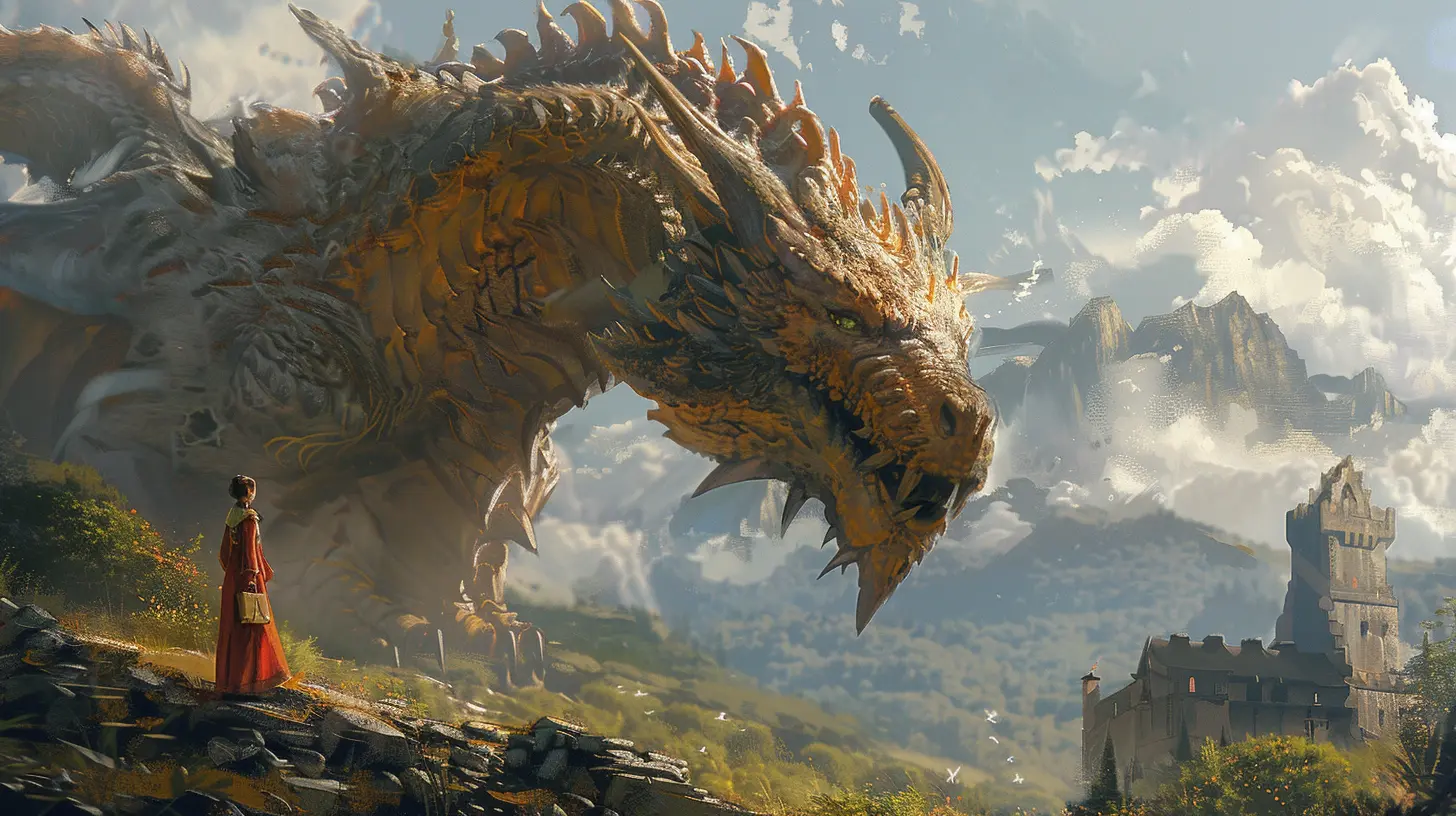
The Role of Developers: Fun Meets Function
Part of the challenge comes from how the game is built. Some titles just aren’t designed with balance in mind, while others totally nail it.Good Game Design Supports Balance
Games like The Witcher 3, Red Dead Redemption 2, and Stardew Valley understand the rhythm of play. They offer variety, well-paced storylines, and meaningful choices that keep things fresh.A smart developer knows when to challenge you, when to let you breathe, and how to keep you curious.
Bad Game Design… Doesn’t
Then there are games that drown you in repetitive fetch quests, bloated menus, or mechanics that only exist to stretch playtime. That kind of padding kills your motivation faster than a rage-quit boss fight.Playing With Friends? That Changes Everything
Multiplayer long games come with their own dynamics. Playing with friends can make grinding more fun, progress feel like a team effort, and silly moments turn into legendary stories.Coordinate Goals
Agree on shared objectives. Want to finish this dungeon tonight? Everyone on the same page makes things smoother and way more fun.Respect Different Play Styles
One person might want to mess around building houses while another wants to min-max every stat. That’s okay. Find a rhythm that lets everyone enjoy the game their way.Progress Isn’t Always Visible… And That’s OK
Here’s the thing: not all progress in long games is tangible. Sometimes you’re just getting better at the mechanics. Maybe you’re mastering a combat system or learning how to manage resources more efficiently.Skill Growth is Progress Too
Ever gone back to an early boss and crushed it in seconds? That’s growth. You might not see it in a level-up screen, but it’s real.Know When to Walk Away
Look, this one’s a bit tough but super important.If a game stops being fun, and the grind becomes soul-crushing… give yourself permission to put it down. Life’s too short to force fun. Play games that give you joy, not homework.
Quick Tips Recap
Just to wrap things up neatly, here’s your cheat sheet:- ✅ Break big goals into smaller ones
- ? Switch between main and side content
- ? Take regular breaks
- ? Focus on what excites you, not just what fills a checklist
- ? Track and celebrate your progress
- ☠️ Let go of the need to finish everything
- ? Play with others when it adds to the fun
- ✌️ Know when to step away
Final Thoughts
Long games are incredible—you can lose yourself in their worlds, build something amazing, and get hours of entertainment. But that doesn’t mean you need to treat them like a second job. Progress doesn’t have to come at the cost of enjoyment.When you find the right balance between fun and forward motion, that’s when you’ll truly love the experience. Remember, it’s your game, your journey, your pace.
Now, go slay some dragons—or just plant some virtual carrots. Whatever keeps that smile on your face.
all images in this post were generated using AI tools
Category:
Leveling UpAuthor:

Lucy Ross