How Virtual Reality is Changing the Way We Play
15 February 2026
Let’s face it — the gaming world isn’t what it used to be. Long gone are the days of mashing buttons on a pixelated controller while your little brother kept unplugging your player two remote. Fast-forward to today, and boom — we’re literally stepping inside our games thanks to Virtual Reality (VR). If you’ve ever put on a VR headset and tried to smack a zombie with a virtual baseball bat, you know exactly what I mean.
But VR isn’t just a cool party trick or a glorified treadmill for your thumbs. It’s revolutionizing how we play, experience, and even think about video games. So grab your motion controllers and let’s dive head-first (pun totally intended) into how virtual reality is flipping the gaming world on its head.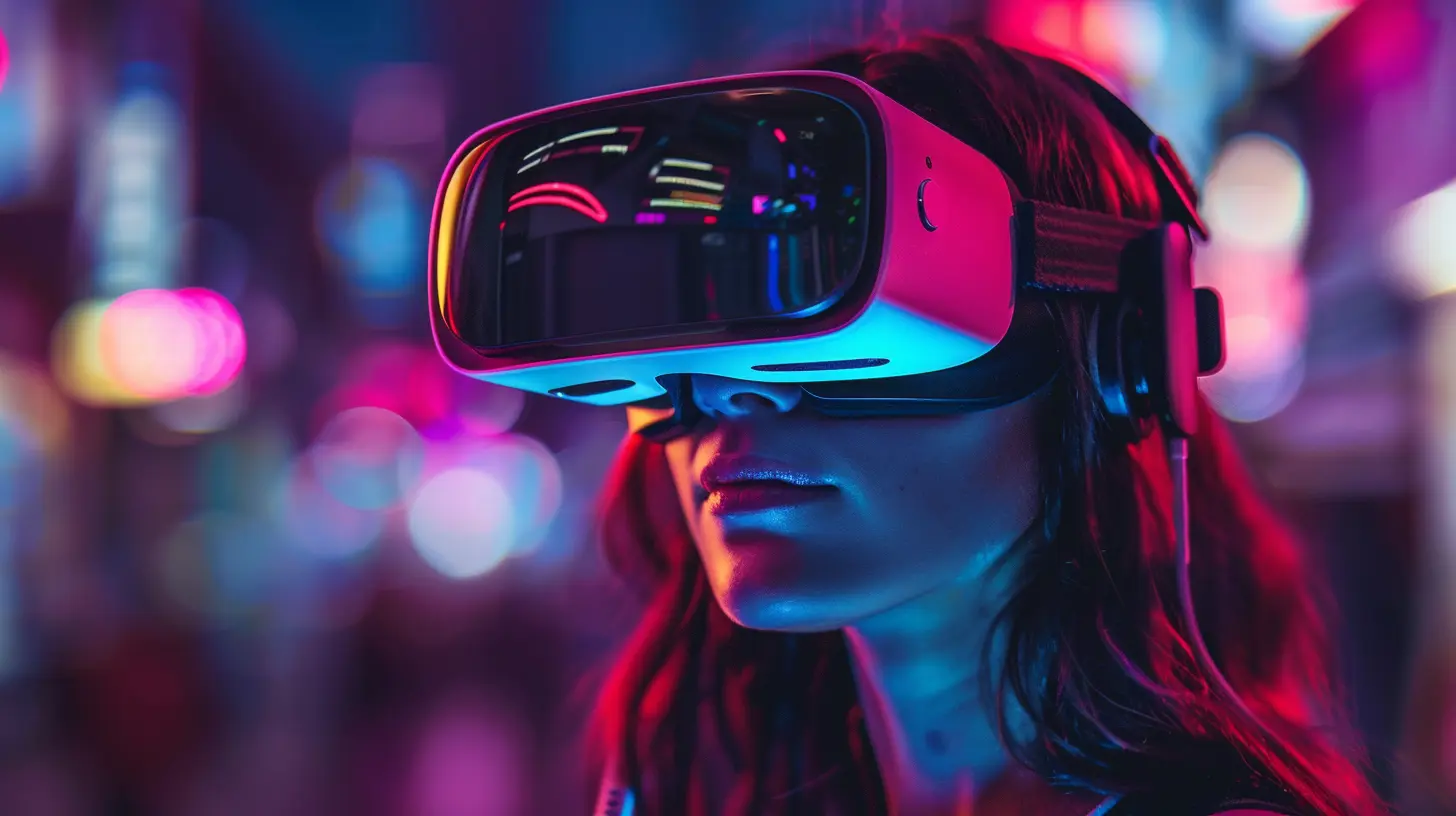
Welcome to the Game — Literally
VR isn’t just about playing a game; it’s about being the game.Instead of staring at a screen, you’re inside it. Remember the first time you played a 3D game and thought, “Whoa, that tree looks real!”? Well, in VR, you can walk up to that tree, hug it, and accidentally punch your coffee table while doing so. Immersive? Check. Life-threatening to fragile furniture? Also check.
You’re no longer just controlling a character—you are the character. Whether you're swinging lightsabers to a beat, climbing Mount Everest (in your slippers), or chasing ghosts through haunted mansions, VR rips the boundary between you and the digital world wide open.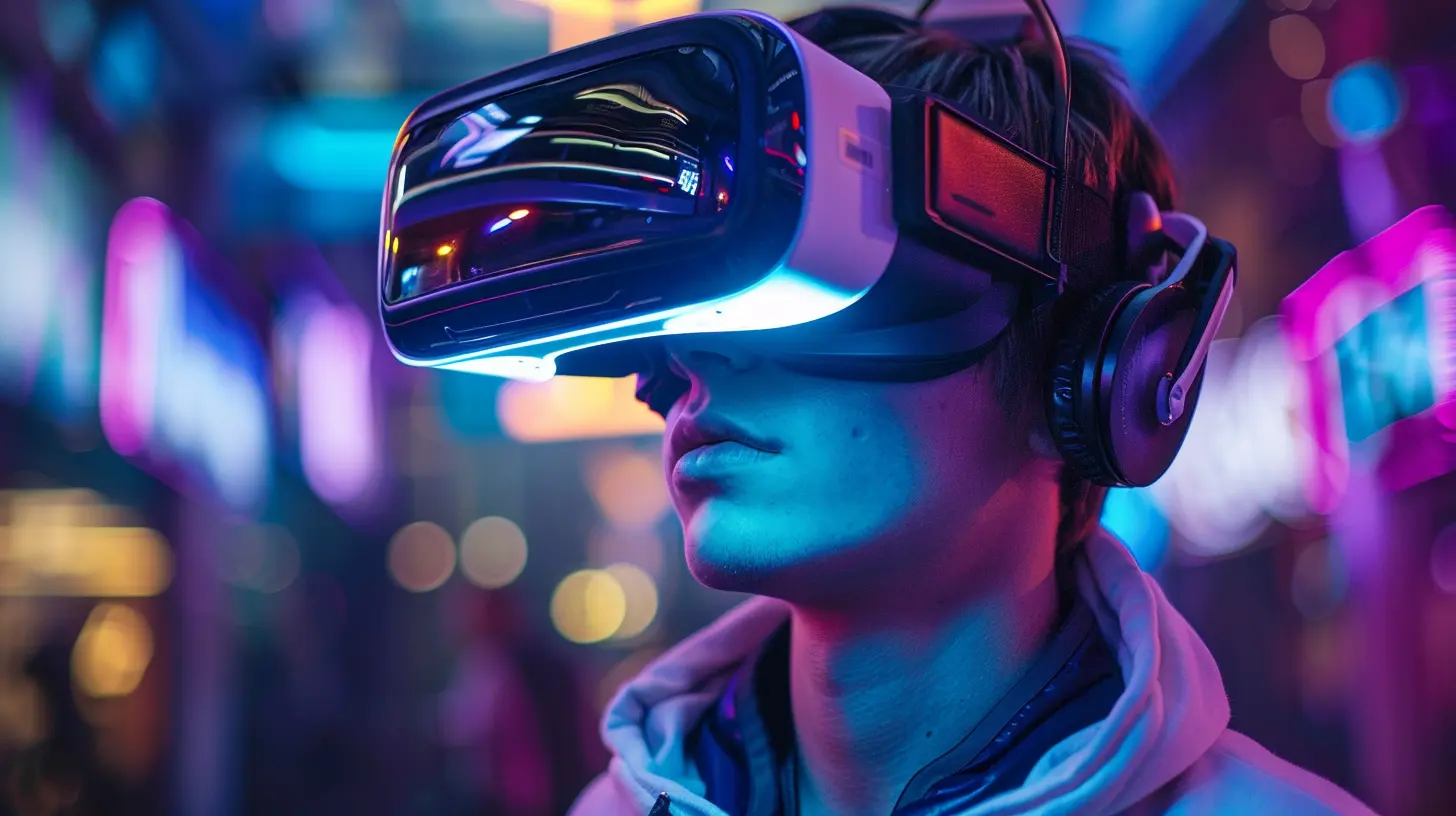
More Than Just Fancy Graphics
Yes, VR is packed with mind-blowing visuals. But it's not all about eye-candy. It's about interaction.Think of VR like the evolution from flip phones to smartphones. At first, it felt like a luxury. Now it’s quickly becoming a necessity for gamers who crave depth and freedom in their playstyle. VR lets you:
- Duck behind cover when enemies shoot (instead of pressing "Crouch").
- Pick up objects with actual hand gestures.
- Move your head to peek corners during a standoff.
- Physically turn around to see what’s sneaking up behind you (spoiler: it’s often terrifying).
It’s not gaming anymore—it's digital roleplaying sprinkled with realism and a dash of cardio.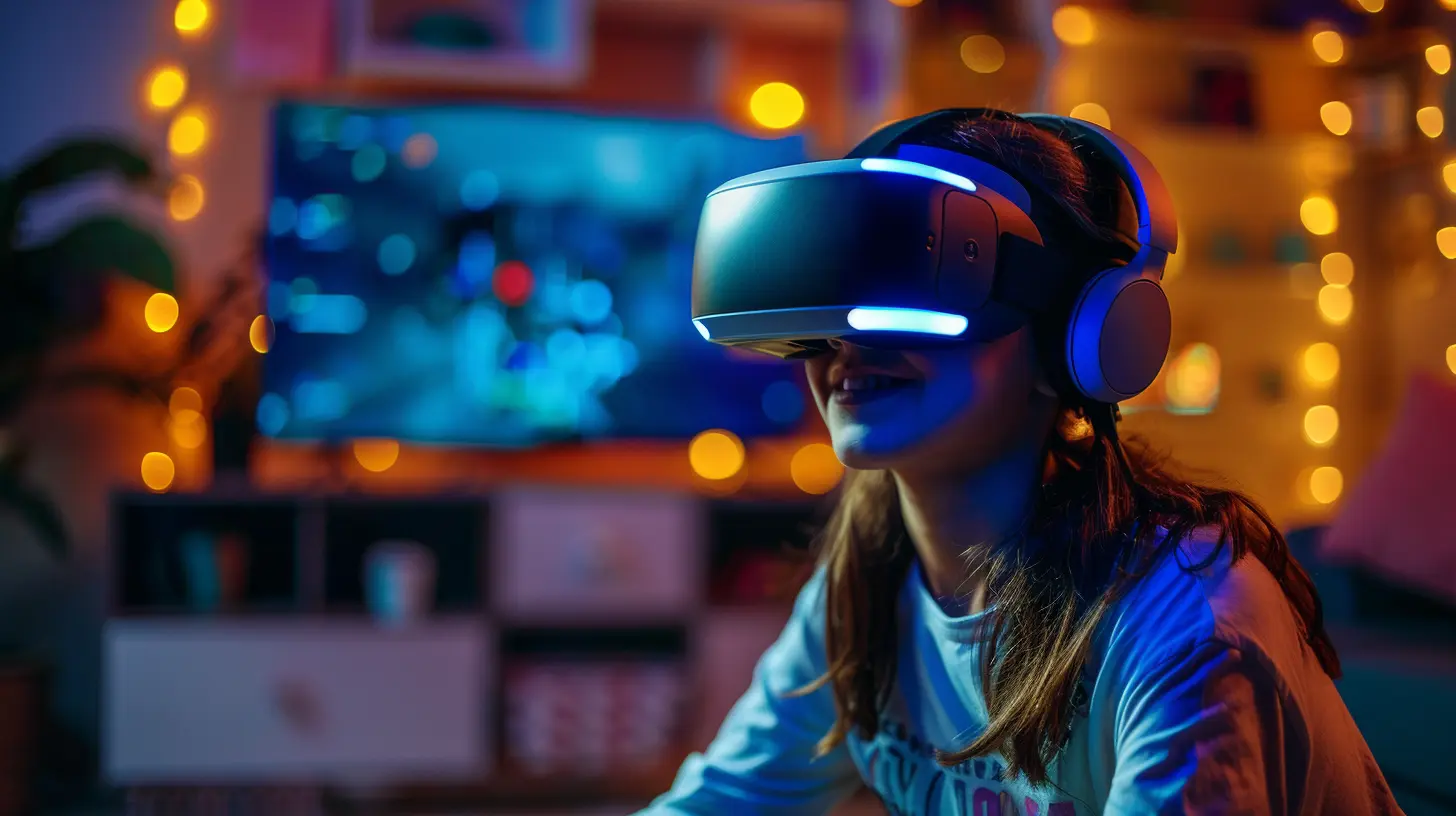
The Rise of VR Fitness: Gaming with Gains
Let’s talk about the glorious side effect of VR gaming — exercise. Yep, you heard me right.Games like Beat Saber, Supernatural, and Thrill of the Fight trick you into breaking a sweat. You’re slicing, dodging, jumping, and squatting — basically doing everything your gym coach begged you to do in P.E. class.
The best part? You don’t even notice you’re working out until you realize you’re drenched in sweat after a boss battle. It's the only time you’ll find yourself saying, “One more round for the gains!”
So next time someone says you’ve been gaming too much, just tell them you’re on a fitness journey powered by VR dragons and intergalactic dance-offs.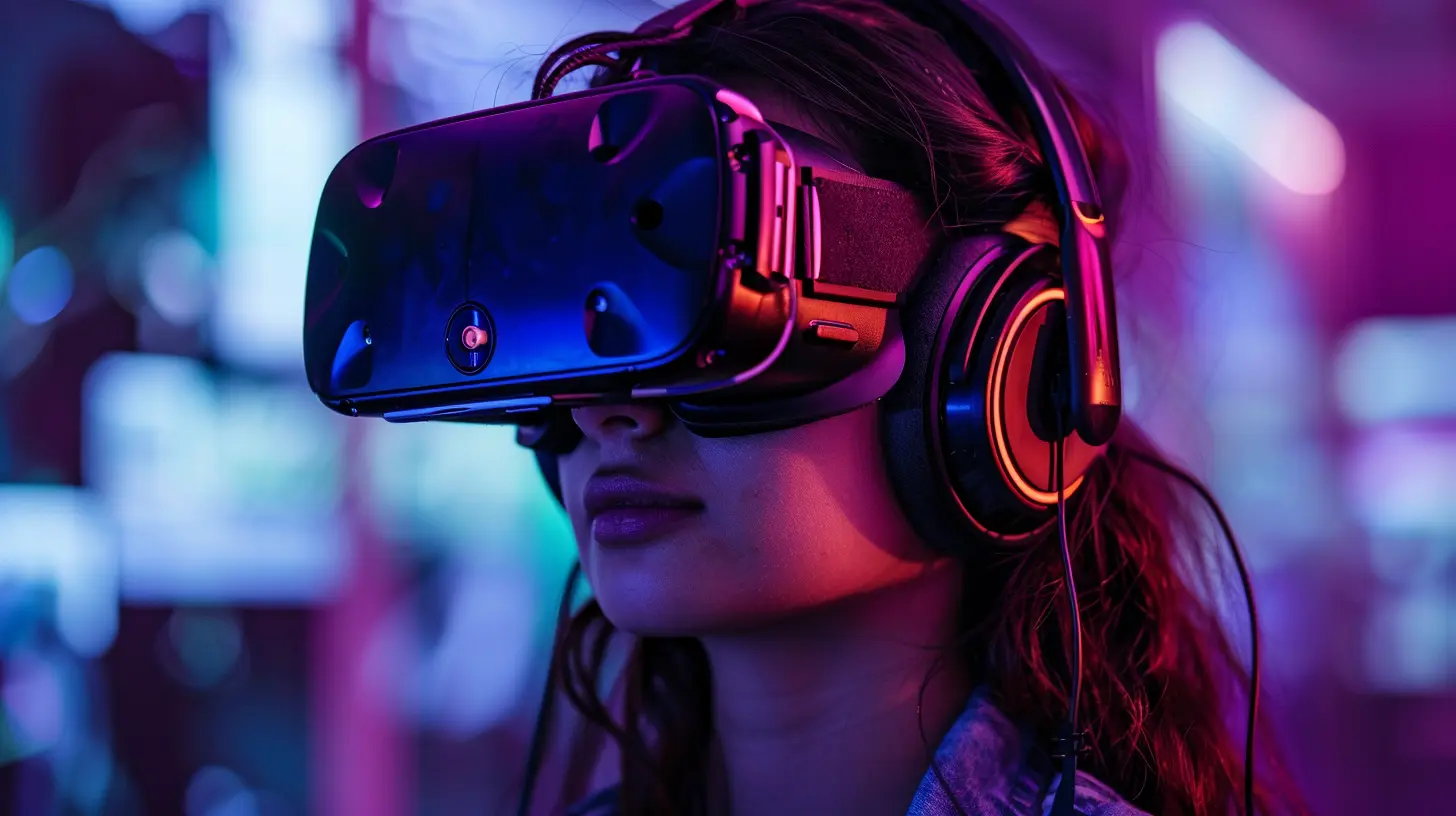
Social Gaming Goes Next-Level
Remember when online multiplayer meant yelling into a headset while playing Call of Duty? Well, VR’s turned that into full-blown body language conversations.Games like VRChat, Rec Room, and AltspaceVR let you socialize in shared virtual spaces. You can high-five other players, perform silly dance moves, or even throw pies at them (no real mess, promise). It’s like Zoom meetings but with avatars and way more lightsabers.
And it’s not just strangers. VR lets you hang out with your real-life buddies in fantasy worlds. Want to meet your friend on a snowy mountain without buying plane tickets? Fire up a VR headset. Boom, instant snowball fight.
Completely New Genres Are Emerging
Thanks to VR, we’re witnessing an entirely new genre of games unfold — ones that simply couldn’t exist on flat screens.Here are a few examples:
- VR Puzzle Rooms: Think escape rooms, but in space or with ancient curses. You use your hands to manipulate objects, solve complex clues, and maybe scream a little when the lights flicker.
- Full-Body Simulators: Games like Boneworks and Half-Life: Alyx put you into hyper-realistic worlds where your body is your controller.
- Horror Games: These are less “games” and more heart attack simulators. When a ghost whispers behind you, and you feel like it’s breathing down your neck… let’s just say not everyone can handle it.
These aren’t just spins on existing genres — they’re entirely new ways to play.
Accessibility, Customization, and Personalization
VR is also pushing the bar when it comes to making games more inclusive and tailored to individuals.You can adjust your play area to suit small rooms or large ones. There’s even seated VR for folks who don’t want to (or can’t) stand for long periods. Haptic vests and VR treadmills are adding new layers of customization for those wanting extra immersion.
Developers are also embracing accessibility features like voice commands, movement aids, and color adjustment tools. The goal? Let everyone join in on the virtual fun regardless of their physical or cognitive abilities.
Breaking Reality: The Line Between Game and Life Is Blurring
Let’s get philosophical for a second. (Don’t worry, we won't go full Keanu Reeves.)As VR becomes more lifelike, the difference between “in the game” and “in the real world” starts to blur. It’s not just about how real the game looks anymore — it’s how it feels. You’ll catch yourself instinctively trying to pick up your coffee mug after taking off the headset, only to remember you’re back in boring ol’ reality.
That level of immersion isn’t just cool—it’s transformative. It’s training surgeons. It’s helping people overcome anxiety. It’s even letting people walk down memory lane through VR recreations of childhood places.
Gaming is no longer escapism. It’s enhancement.
Challenges? Sure, But We're Getting There
Okay, let’s keep it real. VR isn’t perfect. The tech is still evolving. Some common complaints include:- The headsets can be bulky.
- It can make some folks a bit motion-sick (I see you, roller coaster sims).
- And yeah... it ain’t cheap.
But, hey — remember when cell phones were the size of bricks and cost a fortune? Now we panic if we leave our smartphone in another room for five seconds. VR is on that same trajectory.
Each year, headsets are getting lighter, more affordable, and way more advanced. Plus, developers are already working crazy hard to reduce motion sickness and make VR more accessible.
What’s Next for VR Gaming?
So, what does the future look like? In short: awesome.We're looking at:
- Full-body tracking (yes, even your feet).
- Smellovision-style haptic feedback (smell the fresh bread in a fantasy bakery).
- Augmented Reality (AR) hybrids that blend VR into your actual surroundings.
- AI-driven NPCs that actually react like real people.
Imagine playing an RPG where the innkeeper remembers you, the townspeople gossip about your missions, and your choices have dynamic consequences that change facial expressions, tone of voice, and storylines. Yeah. Wild.
The Real Takeaway? VR is Here to Stay
Virtual Reality isn’t just a fad or a gimmick — it’s a full-blown evolution of how we play. It’s redefined fun, movement, connection, and immersion. Whether you're a hardcore gamer or just someone who loves doodling in 3D painting apps, VR holds something magical for everyone.So if you haven’t jumped into virtual reality yet, maybe it’s time to stop just playing games… and start living them.
Put on the headset. Grab your controllers. The future of gameplay is already here — and it’s virtually unreal.
all images in this post were generated using AI tools
Category:
Virtual Reality GamesAuthor:

Lucy Ross
Discussion
rate this article
2 comments
Aisha McTier
Great article! It's fascinating to see how virtual reality is reshaping gaming experiences. The immersive nature of VR not only enhances gameplay but also fosters deeper connections within gaming communities. I'm excited to see where this innovative technology will take us next!
February 19, 2026 at 5:41 AM
Lucy Ross
Thank you! I’m glad you enjoyed the article. I share your excitement about the future of VR in gaming!
Vito McDonough
Great insights on the impact of virtual reality in gaming! It's fascinating to see how it enhances immersion and interaction, transforming our play experiences. Looking forward to more innovations in this space!
February 16, 2026 at 4:28 AM
Lucy Ross
Thank you! I’m glad you found the insights engaging. Exciting times ahead for VR in gaming!