The Evolution of VR Games on Steam: A Deep Dive
21 December 2025
Virtual reality (VR) has come a long way, hasn’t it? Just a decade ago, people thought VR was something straight out of a sci-fi movie—a technological novelty that only die-hard geeks would talk about during late-night gaming sessions. But here we are, in the age of fully immersive gaming, and platforms like Steam have been at the heart of it all.
Steam has always been a powerhouse for gamers, and when VR started inching its way into mainstream gaming, Steam became the launchpad for developers to showcase their incredible visions. But how exactly did VR games on Steam evolve? What challenges did they face, and where are they headed next? Let’s strap on our VR headsets (figuratively) and dive deep into the journey of VR gaming on Steam. 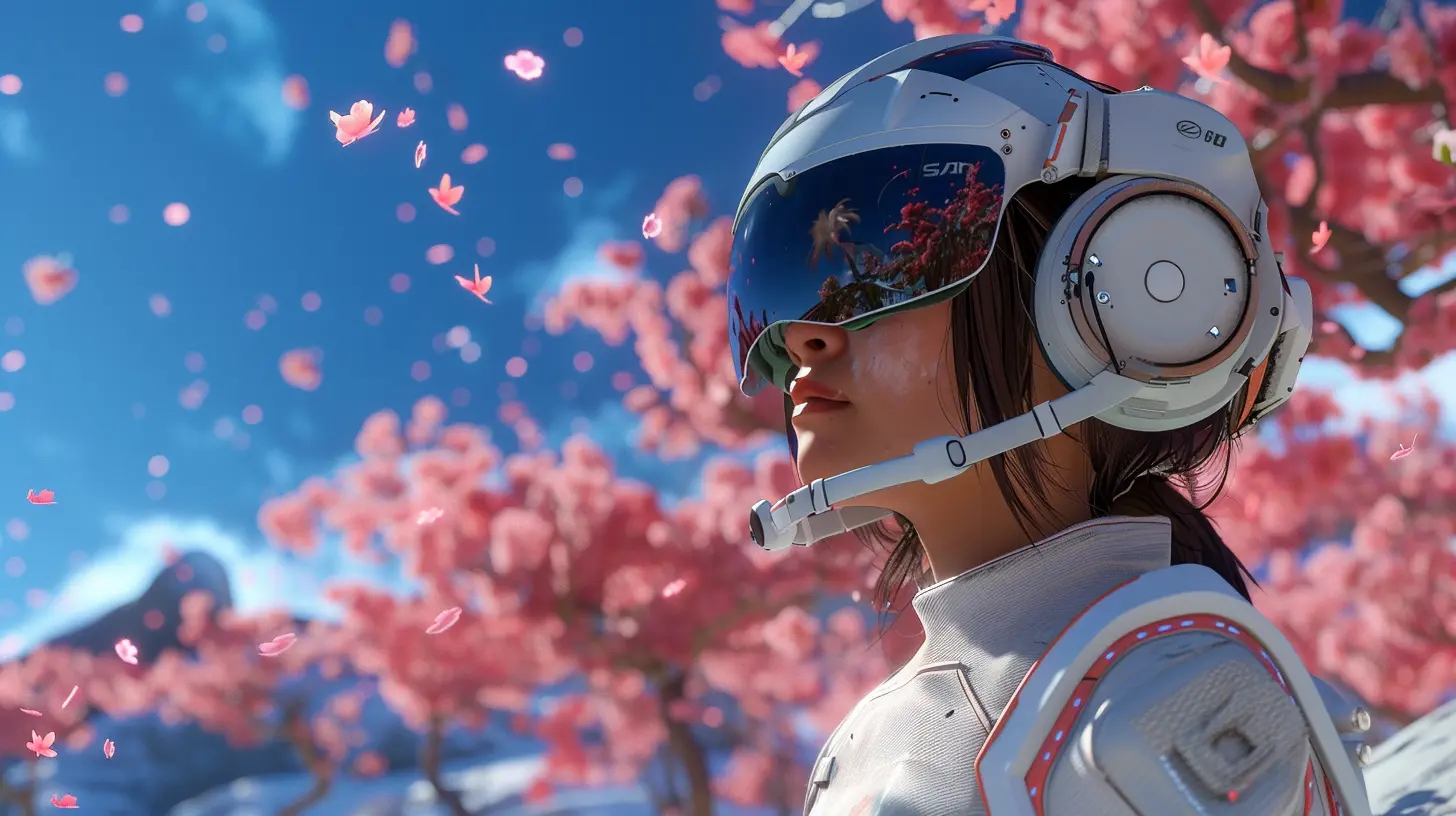
The Early Days of VR on Steam
Let’s rewind back to 2014. At the time, VR wasn’t what you’d call “mainstream.” Devices like the Oculus Rift were still in their infancy, and most gamers were skeptical. It was expensive, clunky, and let’s be honest, kind of gimmicky. Who wanted to wear a big, awkward headset and flail their arms around while gaming?But Steam was ahead of the curve. When Valve announced SteamVR in 2014, it wasn’t just a leap—it was a moonshot. Valve partnered with HTC to create the HTC Vive, a high-quality VR headset that had features like room-scale tracking. This wasn’t just sitting on your couch controlling a character with a joystick; this was literally stepping into another world.
SteamVR didn’t explode right out of the gate, though. The hardware was expensive, and the VR game library was pretty thin. Most games were glorified tech demos, meant to show off the novelty of the technology rather than deliver deep, memorable experiences. Think of it like the first smartphones—cool, but kind of useless without good apps. 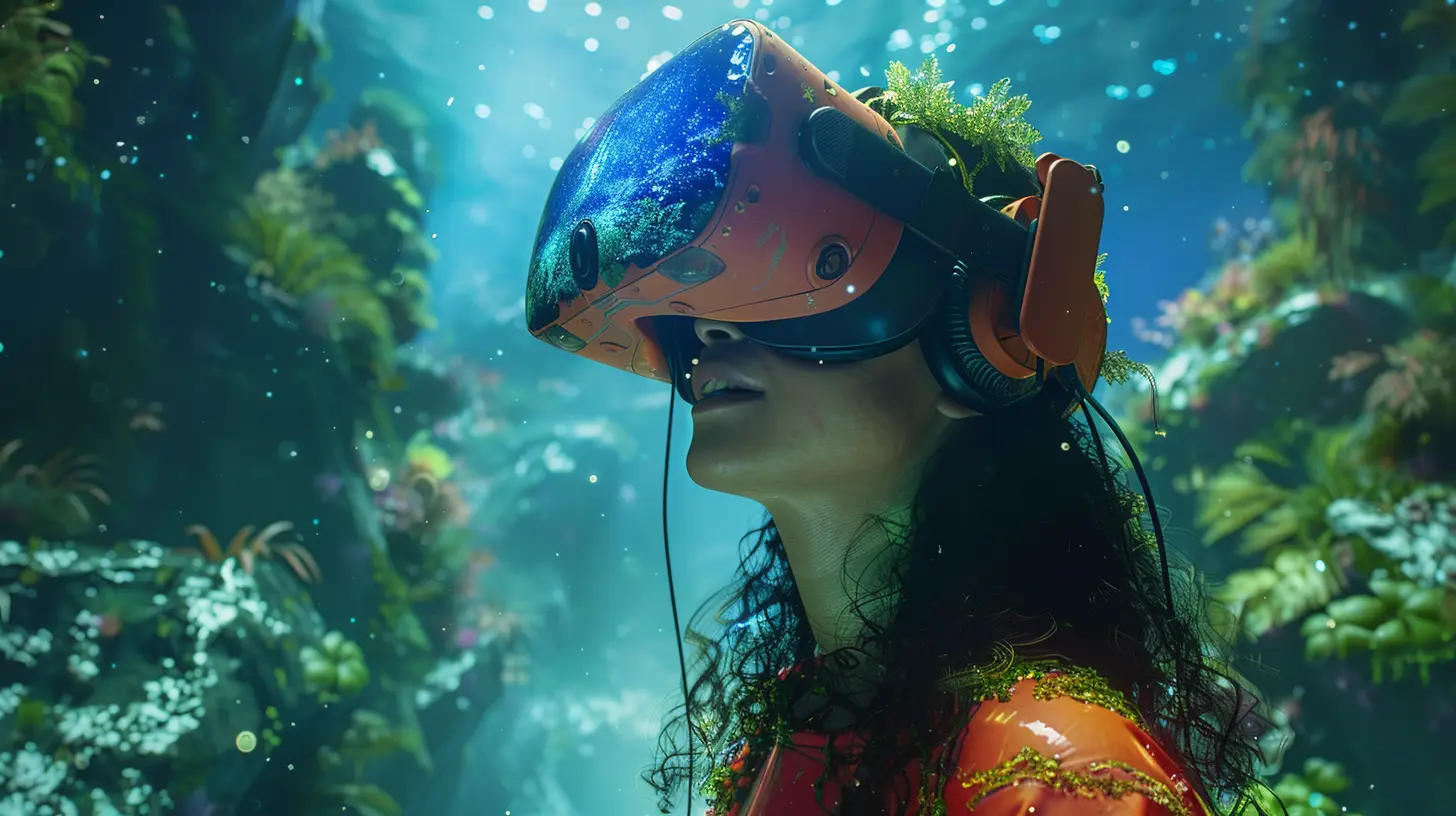
The Breakthrough: Content is King
Here’s the thing—technology doesn't sell itself. Content does. In the early VR days, the question on every gamer’s mind was, “What can I actually do with this?” Steam answered loud and clear by fostering an ecosystem of developers who dared to dream big.Titles like The Lab (developed by Valve) were instrumental in showcasing the potential of VR gaming. The Lab wasn’t a single game but rather a collection of mini-games, all designed to demonstrate what VR was capable of. You could shoot a bow and arrow, repair robots, or even explore a photorealistic rendition of Iceland.
Then came Job Simulator by Owlchemy Labs—a weirdly satisfying game where you role-played as a robot learning about “human jobs.” Quirky as it was, it showed that VR could be more than just shooting zombies or flying spaceships. It could be...funny.
These games weren’t just entertaining; they educated both gamers and developers about what good VR design looked like. Slowly but surely, more developers jumped into the VR pool, and SteamVR’s library started to blossom. 
Challenges Along the Way
Let’s not sugarcoat it—VR’s journey hasn’t been smooth sailing. There were (and still are) significant roadblocks on the path to mass adoption.First off, there’s the price barrier. VR headsets, especially in the early days, were crazy expensive. The HTC Vive launched at $799, and that didn’t even include the high-end PC you’d need to run it. For a lot of gamers, that was a deal-breaker.
Then there’s the infamous motion sickness problem. If you’ve ever played a poorly designed VR game and felt your stomach do backflips, you know what I’m talking about. Early VR games struggled to balance immersion with comfort. Fast-paced movement in VR could make even the toughest gamers sweat bullets (and not in a good way).
And let’s not forget the lack of standardization. Unlike consoles, which have strict hardware guidelines, VR was (and still is) something of a Wild West. Different headsets had different capabilities, which made it challenging for developers to optimize their games for everyone.
Despite these hurdles, Steam didn’t give up on VR. It kept refining SteamVR, adding support for broader hardware and encouraging developers to create better, more optimized games. 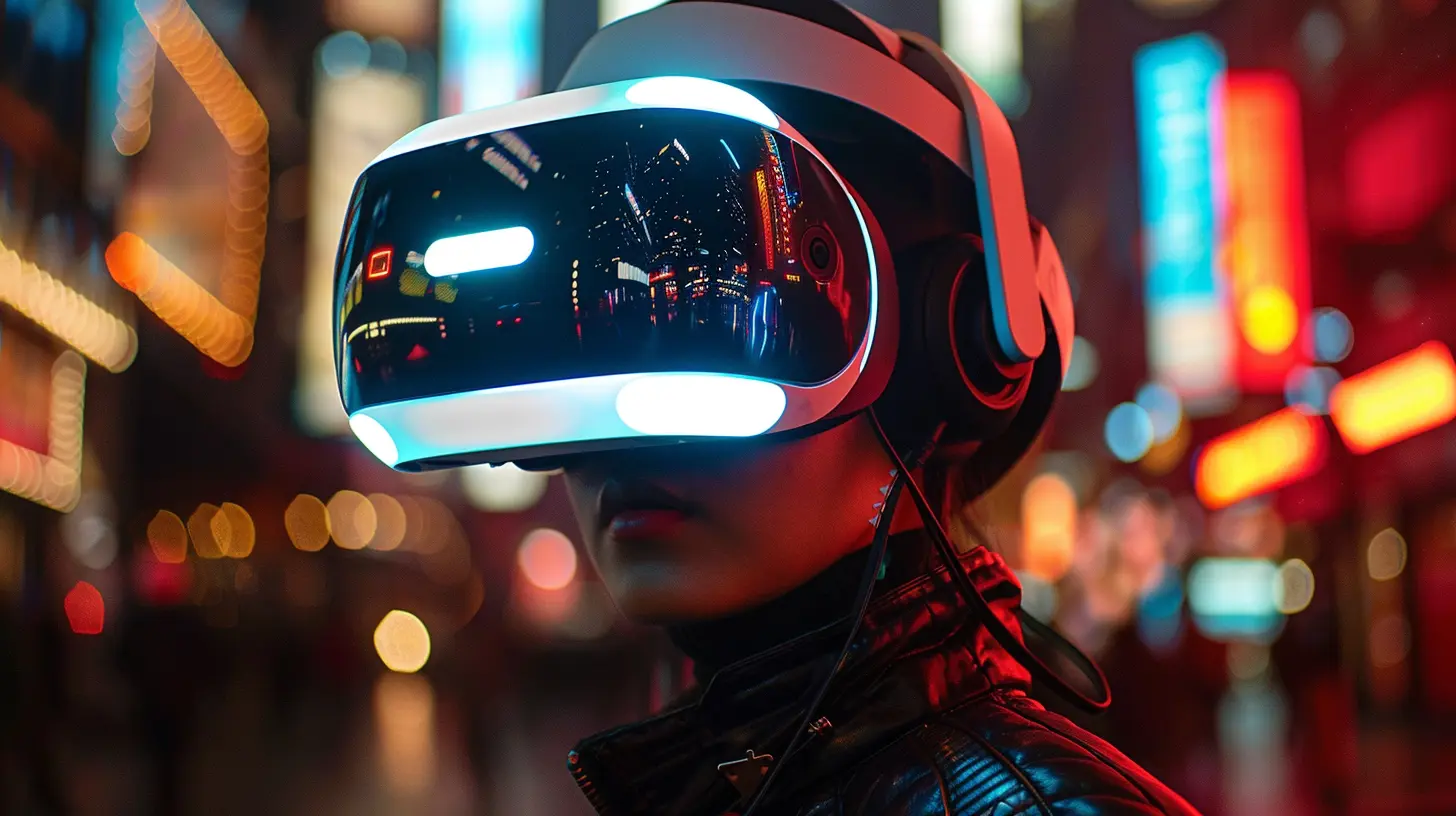
The Rise of AAA VR Titles
For a while, VR was dominated by indie developers. These were smaller teams taking risks and experimenting with the platform. But the real turning point? When AAA studios started dipping their toes into VR.Enter Half-Life: Alyx in 2020. This wasn’t just another VR game; it was THE VR game. Valve, the very company behind Steam, took one of its most beloved franchises and turned it into a flagship VR experience. Alyx didn’t just cater to VR enthusiasts—it turned skeptics into believers. The graphics were stunning, the gameplay was innovative, and the story was gripping.
Half-Life: Alyx proved one crucial point—VR wasn’t just a gimmick. It could deliver AAA-quality experiences that rivaled traditional gaming. After that, more big studios started taking VR seriously. Games like Star Wars: Squadrons and No Man’s Sky VR followed suit, showing that VR could enhance established franchises.
The Role of Community in Shaping VR
Let’s take a moment to talk about the unsung heroes of VR on Steam—the community. From the very beginning, VR gaming has been driven by passionate fans. Whether it’s modders creating custom VR experiences for games like Skyrim or players offering invaluable feedback to developers, the community has played a huge role in shaping VR gaming.Steam’s platform itself is built for community collaboration. Steam Workshop, forums, and reviews have given VR gamers a voice. Developers listen, and as a result, VR games have gotten better. Mods, in particular, have been a game-changer (pun fully intended). Want to explore Tamriel in VR? Modders made it happen. Want to swing through the city as Spider-Man? Modders got you covered.
What’s Next for VR Games on Steam?
So, where do we go from here? What does the future hold for VR gaming on Steam?For starters, the hardware is improving by leaps and bounds. Devices like the Valve Index, Meta Quest 3, and upcoming headsets from Sony and Apple promise better graphics, more comfort, and lower costs. As the hardware improves, more gamers will jump on the VR bandwagon.
On the software side, we’re already seeing more ambitious projects. Games like Boneworks and Lone Echo are pushing the boundaries of what’s possible in VR. Multiplayer VR is also on the rise, with games like VRChat and Population: One offering social and competitive experiences.
And let’s not overlook the potential of subscription services. Steam could eventually roll out something like Xbox Game Pass for VR games, making it easier (and cheaper) for gamers to explore the growing library.
Ultimately, the future of VR gaming on Steam is exciting. Sure, there are still challenges—price, motion sickness, and hardware limitations—but the progress we’ve seen in less than a decade is staggering.
Final Thoughts
The evolution of VR games on Steam has been nothing short of remarkable. From its humble beginnings as a niche curiosity to its current status as a legitimate gaming frontier, VR has proven that it’s here to stay.Steam’s role in this evolution cannot be overstated. By fostering an open ecosystem for developers and embracing innovation, it has helped turn VR gaming from a dream into reality. There’s still a long way to go, but one thing’s for sure—VR’s future looks incredibly bright.
So, what about you? Are you ready to dive into the ever-expanding universe of VR gaming? Or are you still waiting for that killer app to make the plunge worthwhile? Either way, Steam will be there, ready to welcome you to the next level of gaming.
all images in this post were generated using AI tools
Category:
SteamAuthor:

Lucy Ross
Discussion
rate this article
2 comments
Lucas McKee
Ah, the evolution of VR games on Steam! From 'Oops, I knocked over my coffee table' to 'Whoa, I just fought a dragon in my living room!' It’s safe to say VR has come a long way. Now if only it could help me find my missing socks!
December 24, 2025 at 5:45 AM
Lucy Ross
Absolutely! VR has transformed our gaming experiences dramatically. And hey, if it could help with those missing socks, that would be a game changer.
Oriana McFarlin
This article effectively captures the journey of VR games on Steam, highlighting key milestones and innovations. It’s fascinating to see how far we've come, and I appreciate the insights on upcoming trends and challenges facing the VR gaming community.
December 22, 2025 at 4:31 AM
Lucy Ross
Thank you! I'm glad you enjoyed the article and found the insights valuable. It's an exciting time for VR gaming!