How VR Games Are Used for More Than Just Fun
18 January 2026
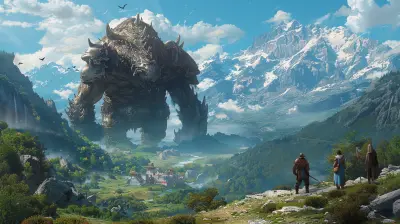
When you hear someone say "VR games," your first thought probably shoots straight to high-octane action, crazy immersive worlds, or maybe even a few hours swinging lightsabers in Beat Saber. And hey, you're not wrong—but the world of virtual reality (VR) gaming has grown into something way bigger than just entertainment. Like, mind-blowingly bigger.
We’re talking about education, training, physical rehab, therapy, and even treating PTSD. Yep, VR is stepping way beyond the game room and making its mark on some pretty serious arenas. So buckle in, and let’s take a deep dive into how VR games are used for more than just fun.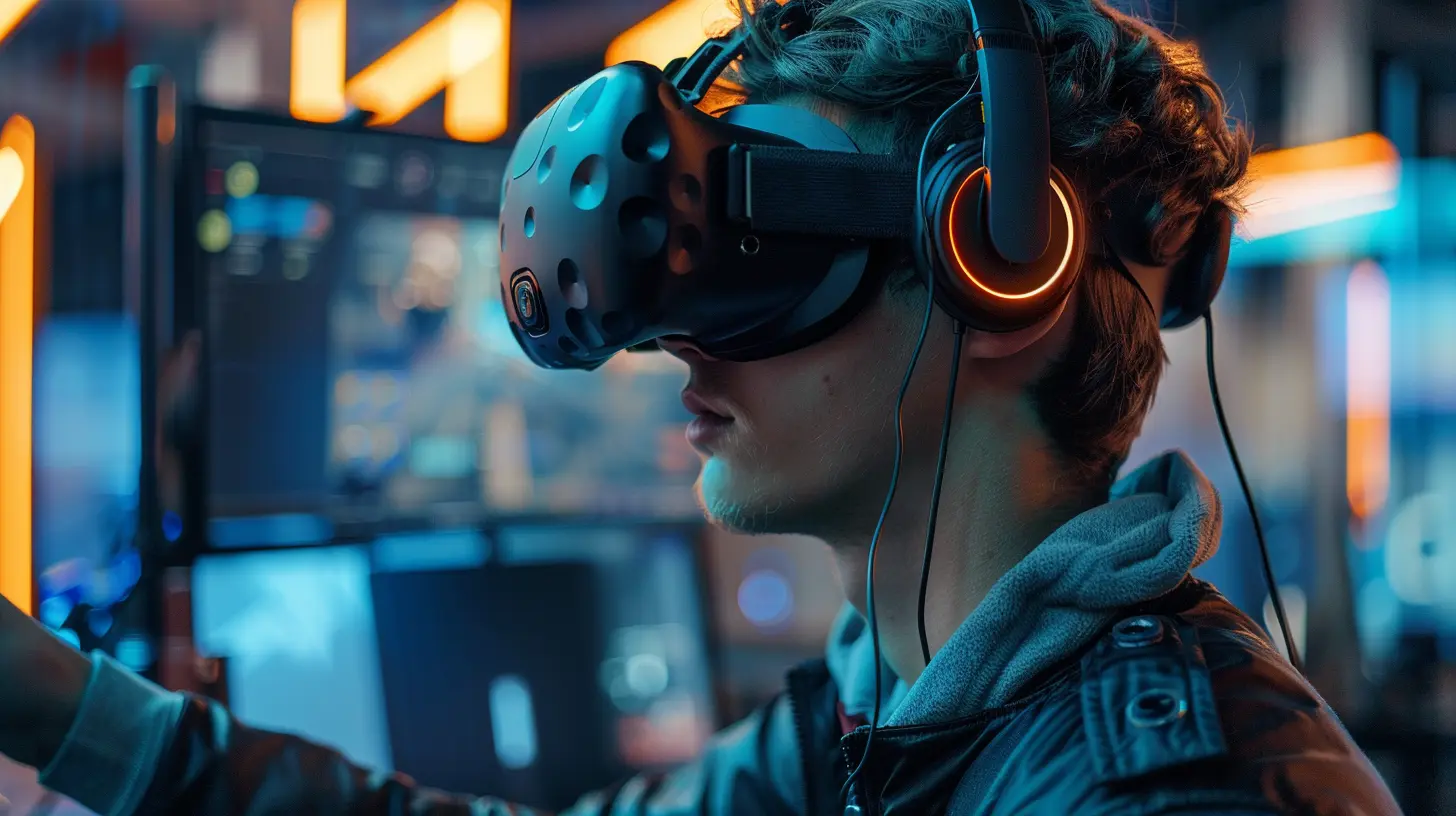
What Is VR Gaming, Anyway?
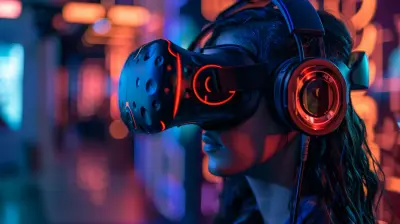
Before we dive into the deeper stuff, let’s quickly break down the basics. VR gaming uses virtual reality technology—think headsets like the Oculus Quest 2 or HTC Vive—to immerse you in a digital world. You're not just watching a game on a screen. You're inside it.Through hand controllers, motion sensors, and sometimes even treadmills (yep, full-on Ready Player One vibes), VR lets you interact with these worlds in ways that just weren’t possible a few years ago.
Now, let’s talk about where this tech is going beyond just having a good time.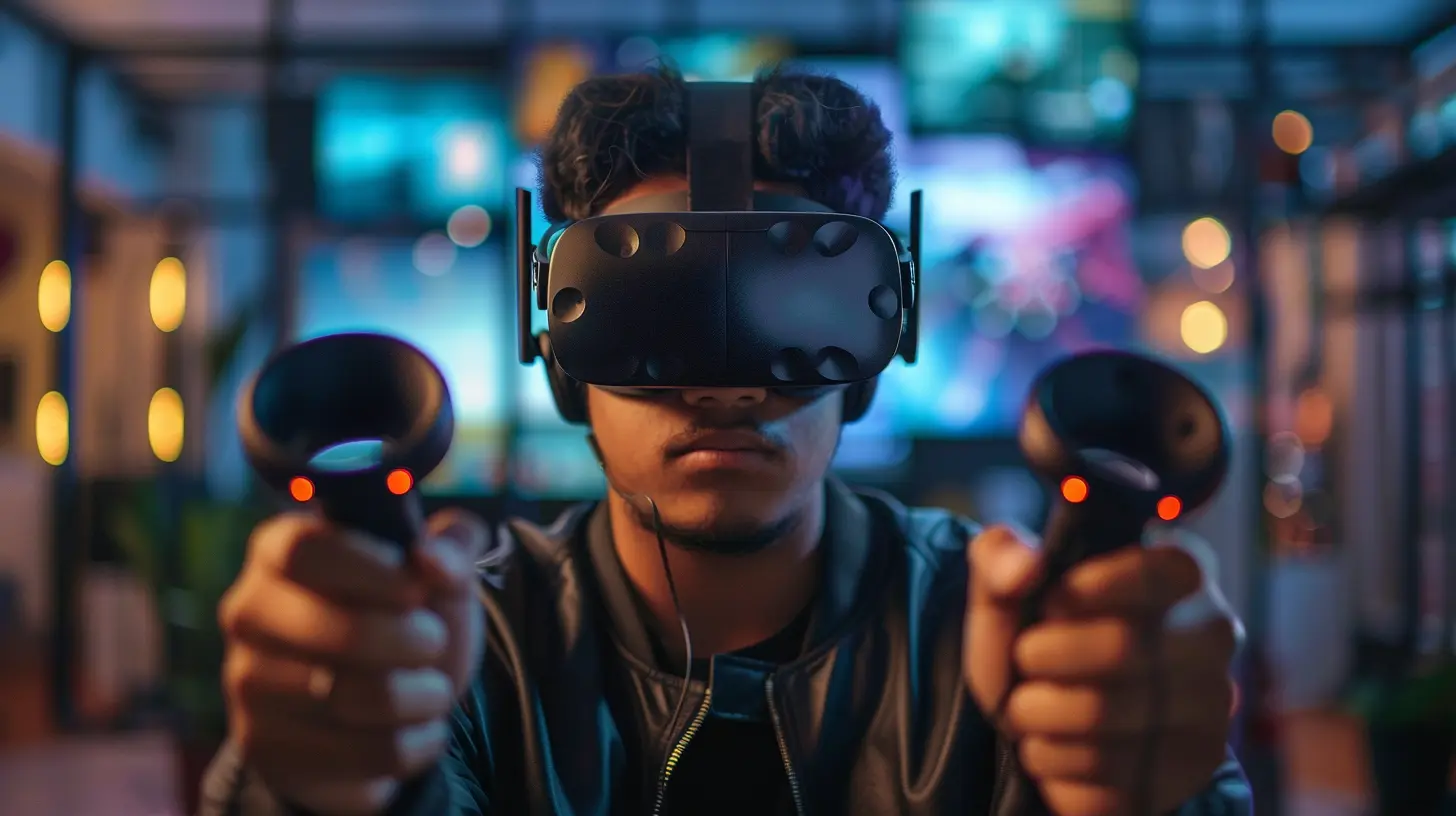
VR in Education: Learning with a Twist
Remember falling asleep in class?
Yeah, most of us have been there. But what if instead of reading about ancient Egypt, you could walk through the pyramids? With VR, students aren’t just learning—they're experiencing.Interactive Learning
VR games are being used to teach everything from history to science to language. Programs like Titans of Space let students take a tour of the solar system. Wander allows them to travel the globe using Google Maps in 3D. Learning through VR isn’t just passive; it’s interactive and engaging.Virtual Classrooms
With the rise of remote education, VR has stepped in to offer a more engaging alternative to flat Zoom calls. Students can enter virtual classrooms as avatars, interact with peers, and even participate in simulations. Think of it as the next level of e-learning.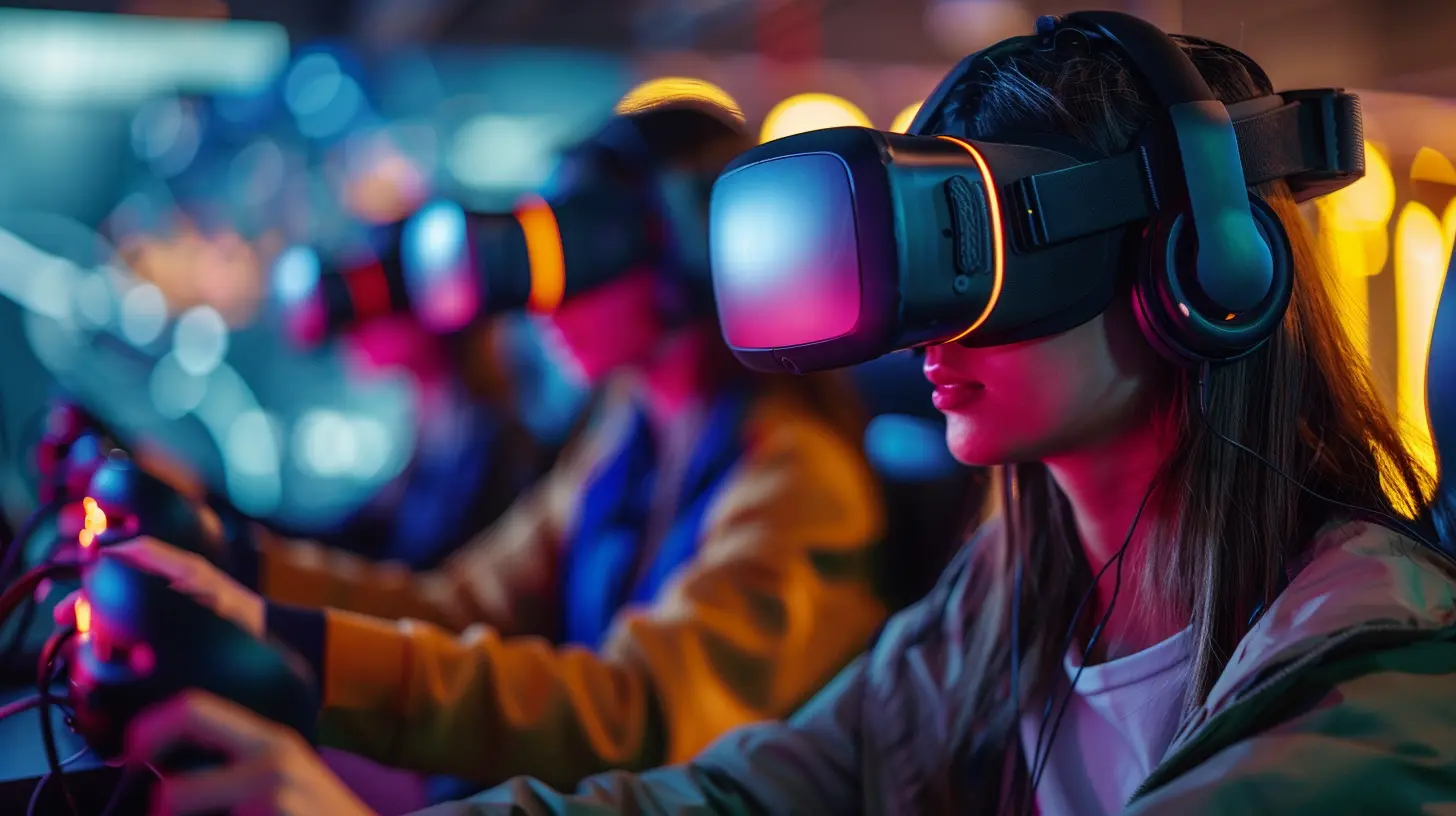
VR for Healthcare: Gaming That Heals
Think VR is just for killing zombies?
Guess again. Virtual reality is making waves in the medical world, and some of it starts with gamifying treatment.Physical Therapy with a Twist
Recovering from an injury can be pretty boring and painful. But when patients use VR games that encourage movement—like reaching, walking, or balancing—they tend to stick with the program longer, and enjoy it more. Games can track progress, adjust difficulty, and even offer feedback.Think of it as turning rehab into a real-life video game, except the goal is getting your mobility back.
Pain Management
Ever tried to distract yourself when you're in pain? VR does that on steroids. For example, burn victims playing immersion-heavy VR games have reported feeling less pain during treatment sessions. The trick is simple: if your brain is focused on dodging alien ships, it doesn’t have time to focus on pain signals as intensely.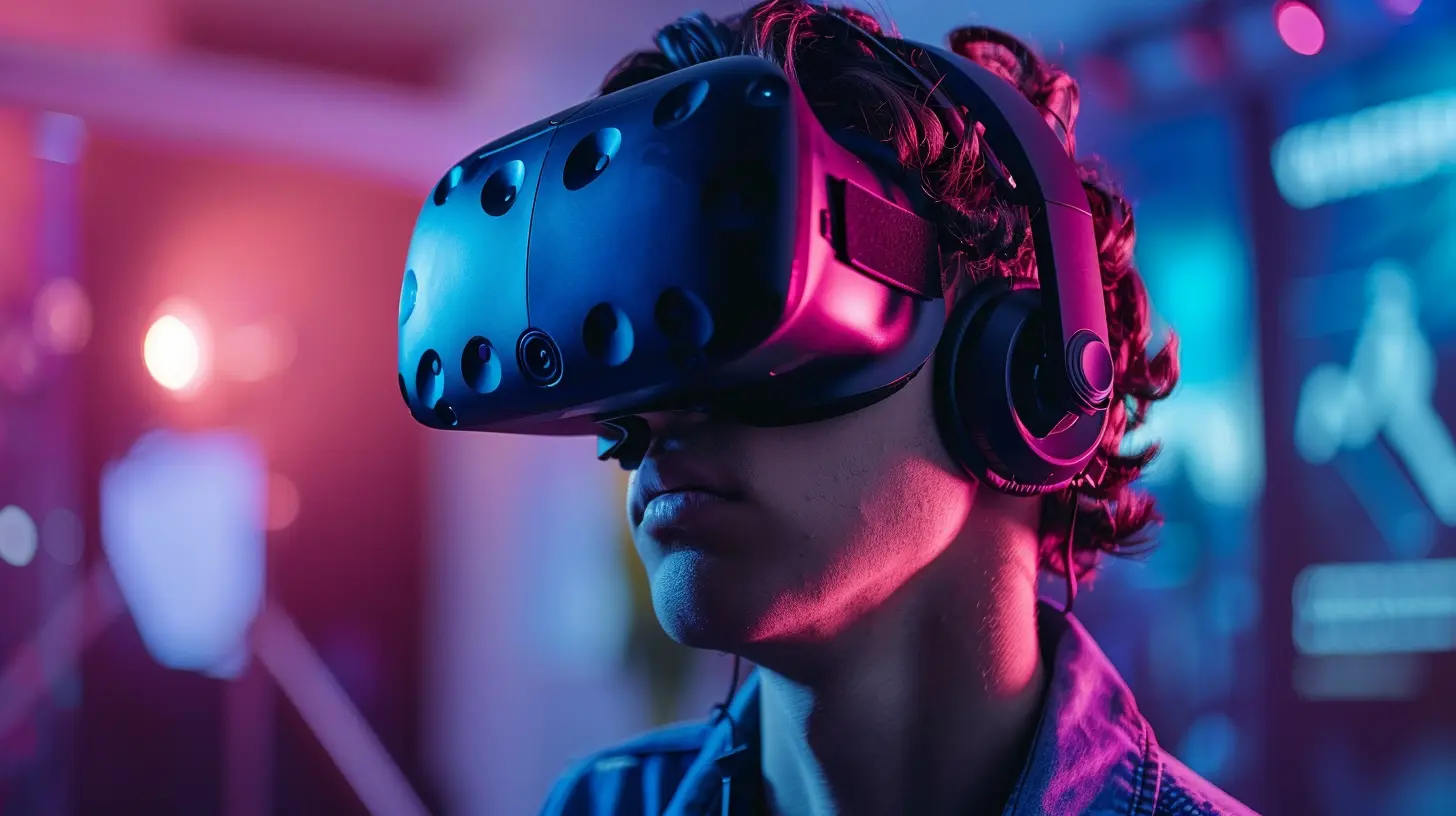
VR for Mental Health: Therapy in a Headset
This might surprise you, but VR games are being used in some seriously impactful ways to treat mental health issues.Exposure Therapy
For people dealing with PTSD, anxiety, or phobias, facing their fears in real life can be... well, terrifying. VR offers a safe space to simulate scary situations. A soldier with PTSD, for example, can gradually be reintroduced to combat-like environments in a controlled way. Sounds intense? Totally. But it works.Meditation and Stress Relief
Not all VR therapy involves intense sessions. Apps like Tripp or Nature Treks VR use relaxing sounds, visuals, and guided meditations to chill you out. It’s like transporting yourself to a peaceful mountaintop, minus the 10-hour hike.VR in Workplace Training: No More Boring Manuals
Ever sat through a 200-page safety manual?
Yeah, not exactly thrilling. But companies are now using VR to train employees in a way that’s actually engaging—and effective.Dangerous Jobs
Industries like construction, firefighting, mining, and aviation are using VR simulations to train workers without putting them in risky situations. New employees can walk through emergency drills, practice using tools, or learn complex machinery—all in a virtual world.Soft Skills Too?
Yup! Even customer service and manager training scenarios are being gamified through VR. Think of practicing how to de-escalate a tense customer situation—all while in a safe, virtual role-play environment.VR for People with Disabilities
VR games are also opening doors for people with disabilities, offering new ways to access experiences that might be challenging—or downright impossible—in the physical world.Virtual Travel
Traveling the world isn’t always easy if you’ve got limited mobility. VR solves that by offering immersive experiences of cities, nature, even museums.Inclusive Gaming
Developers are now designing VR games that are more accessible—games that can be played sitting down, with customizable controls, or using eye-tracking for those who can’t use traditional controllers.VR in Fitness: Working Out Without Working Out
Let’s be real—working out can feel like a chore. But what if your workout felt more like a game than a gym session?Gamified Fitness
Apps like Supernatural, Thrill of the Fight, and Beat Saber are helping people burn calories while actually having fun. You’re dodging, punching, slicing, jumping—and before you know it, you’ve had a 45-minute cardio session.They say time flies when you’re having fun. In VR, your workout flies too.
Real Results
These aren’t just gimmicks. Studies show that VR fitness can be just as effective as traditional workouts. Plus, it fights the boredom factor that often kills motivation.VR in Social Interaction: Beyond Single-Player
Feeling Lonely?
Social VR games and platforms like VRChat, Rec Room, and AltspaceVR are helping people connect in meaningful ways—especially during the pandemic when in-person hangouts weren’t really a thing.You can play games, have deep convos, attend virtual concerts, or even just hang out in a digital lounge. It makes social connection feel more real than a flat video call.
VR in Art and Creativity
Who says games have to be all about competition?VR as a Creative Escape
Apps like Tilt Brush and Kingspray Graffiti let you paint, draw, and sculpt in 3D space. It's like being inside your own piece of art. Artists can create massive murals, design virtual sculptures, or design game levels—all in a fully immersive world.Collaboration in VR
Artists and creators from around the globe can meet in VR, share ideas, and build stuff together. Whether you're composing music or building a virtual gallery, VR is transforming how we create.The Future Is (Virtually) Here
So yeah, VR gaming is still a blast—but it’s also proving itself in ways we never expected. From healing the body and mind, to transforming classrooms and boardrooms, VR is turning out to be one of the most versatile tools we’ve got.And it’s only getting better.
As the technology becomes more affordable and more developers start thinking outside the (gamer) box, you can bet we’ll keep seeing virtual reality pop up in all kinds of unexpected places.
Final Thoughts
So, next time someone says VR is just for gamers, hit ’em with the facts. Whether it’s helping someone walk again, easing someone’s anxiety, or teaching kids about space by actually flying through it, VR is changing lives—not just passing time.And yeah, it’s still stupidly fun too.
all images in this post were generated using AI tools
Category:
Virtual Reality GamesAuthor:

Lucy Ross
Discussion
rate this article
2 comments
Kassidy Powell
This article highlights the transformative potential of VR gaming beyond entertainment. It’s fascinating to see how VR is being utilized for education, therapy, and training, paving the way for innovative applications. This technology not only enhances learning experiences but also provides therapeutic benefits, showcasing its incredible versatility. Great read!
January 20, 2026 at 4:17 AM
Lucy Ross
Thank you! I’m glad you found the article insightful. VR's potential in education, therapy, and training truly is exciting!
Talis Brooks
VR games are transforming lives beyond entertainment, offering incredible opportunities for education, therapy, and social connection. They inspire creativity, foster empathy, and provide immersive experiences that can heal and uplift. Embrace the power of VR—it's not just a game; it's a gateway to growth and understanding!
January 18, 2026 at 5:01 PM
Lucy Ross
Thank you for highlighting the profound impact of VR! It's exciting to see how this technology enriches education, therapy, and social connections, ultimately fostering personal growth and empathy in our lives.