The Art of World-Building in Virtual Reality Games
7 May 2026
Virtual reality isn't just about flashy graphics and cool gadgets. At its core, it's a portal into other worlds — ones that feel real, alive, and ready to be explored. But have you ever stopped to think about who brings those worlds to life? Or how those sprawling kingdoms, haunted forests, or futuristic cities even come to exist?
Welcome to the fascinating—and downright magical—art of world-building in virtual reality (VR) games.
It’s more than slapping textures on polygons. It’s architecture, storytelling, psychology, and even a little bit of philosophy all rolled into one. So, if you're the kind of gamer who gets lost in a VR world and wonders what goes on behind the scenes, buckle up. This ride is gonna be good.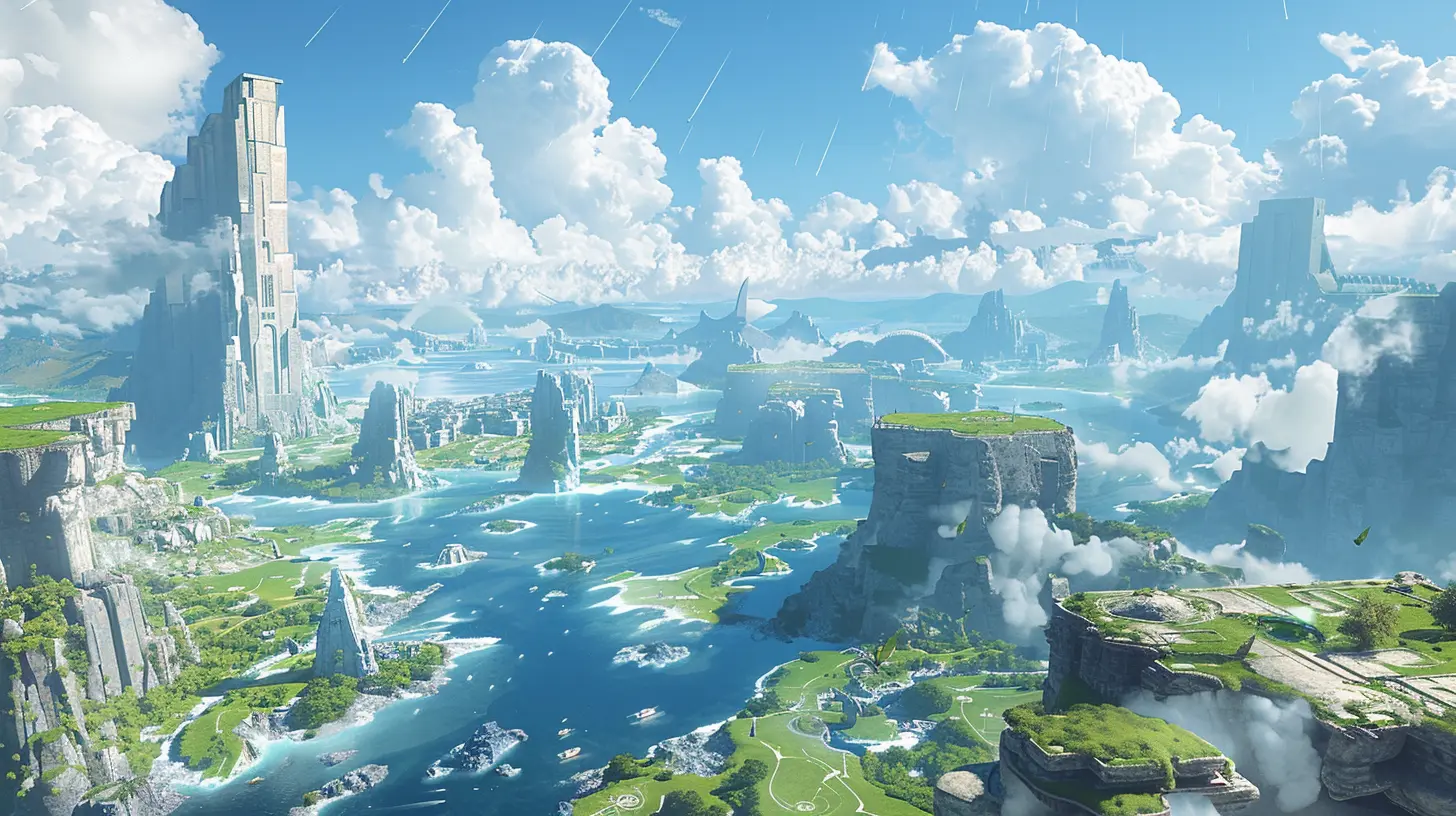
What Is World-Building, Really?
Alright, let’s keep it simple. World-building is the process of creating the setting in which a game takes place. Not just visually, but contextually. It's the geography, the culture, the politics, the rules of physics, and even the weather patterns—basically everything that makes a game world feel real.Now throw VR into the mix, where you're not just seeing a world but living in it… and the art of world-building gets a whole new level of depth.
Why VR Changes the Game (Literally)
Let’s be honest, world-building in traditional games is impressive. But in VR? It’s a whole different beast.Immersion on Steroids
When you're playing a console or PC game, you're looking at the world. In VR, you're inside it. You turn your head, and the world responds. You stretch out your hands, and maybe you touch something tangible. That sense of "being there" is what makes VR so intense—and what raises the stakes for world-building.Player Perception Matters More Than Ever
Here’s the deal: In VR, players notice everything. The peeling paint on a wall. The echo of footsteps in a cave. The weird way water flows in a stream. So designers can’t just half-bake it—they need to think like architects, movie directors, and cultural anthropologists all at once.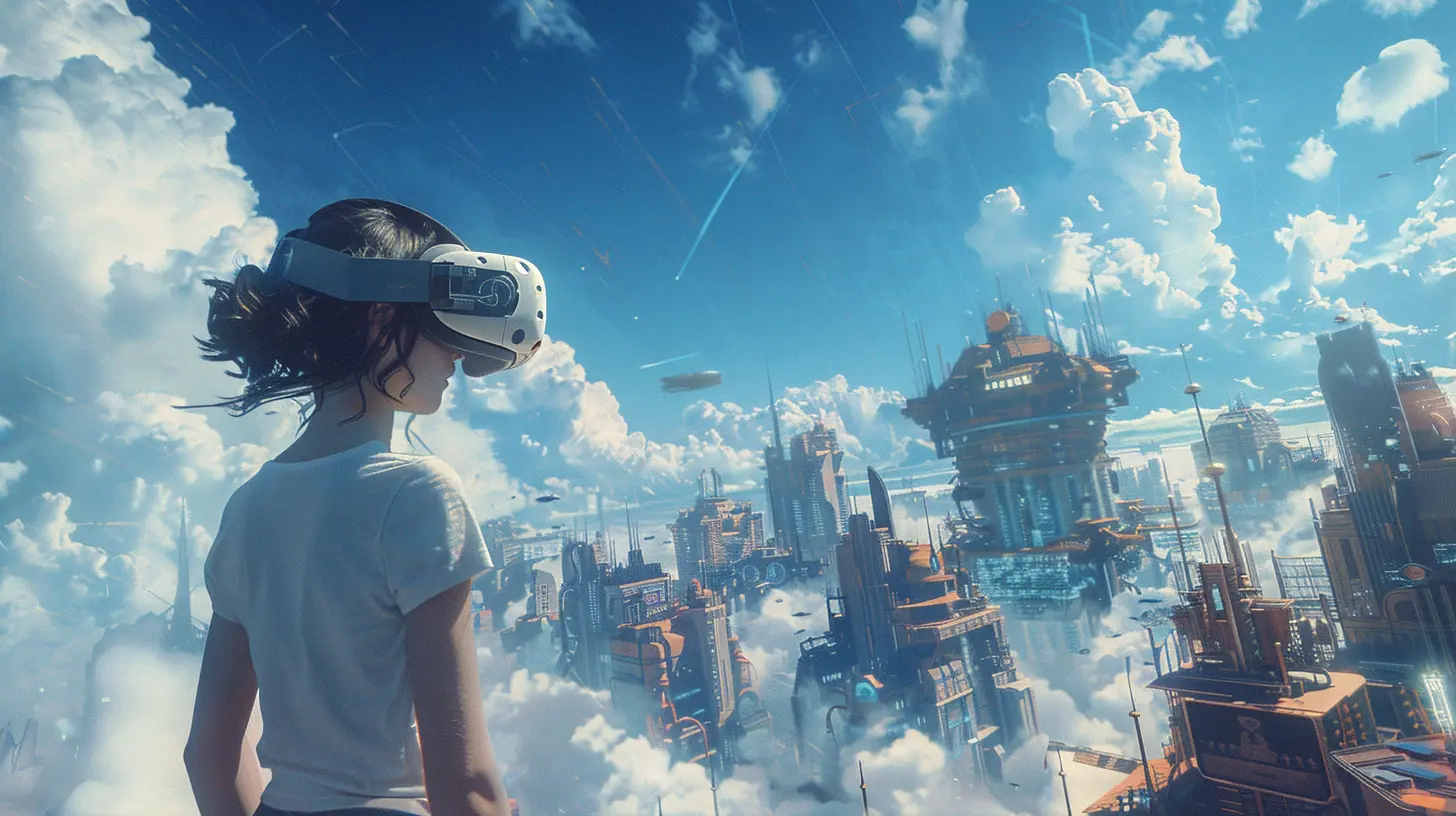
The Foundations of a Believable VR World
So, how do developers actually pull it off? Let’s dig into the layers of world-building that bring VR spaces to life.1. Geography and Physical Layout
It all starts with the terrain. Mountains, rivers, cities, villages—every element needs to be designed logically. Is there a desert? Then you'd better think about what cultures could thrive there, what animals live there, what resources are scarce.In VR, spatial awareness becomes crucial. Developers must consider real-world movement. If a temple takes 10 minutes to walk through, it better be worth it. Because in virtual reality, you’re literally walking it.
2. A Rulebook for the World
Every VR world needs its own physics. Maybe gravity works differently. Maybe magic is real and has consequences. Whatever it is, it needs to make sense within that world.Think of it as writing the laws of a country. You can make them weird and wild, as long as you’re consistent. Players pick up on inconsistencies fast. Break your own rules, and boom—the immersion is dead.
3. Cultural Identity
Here’s where it gets juicy. What language do the inhabitants speak? What clothes do they wear? What music plays in the background? Even if these details seem subtle, they add up.Think of the richness of worlds like Skyrim, Half-Life: Alyx, and even smaller indie VR titles. You feel like these places could exist somewhere.
Culture isn't created overnight. It’s built layer by layer: through dialogue, graffiti on the walls, food in the marketplace, and the stories NPCs tell.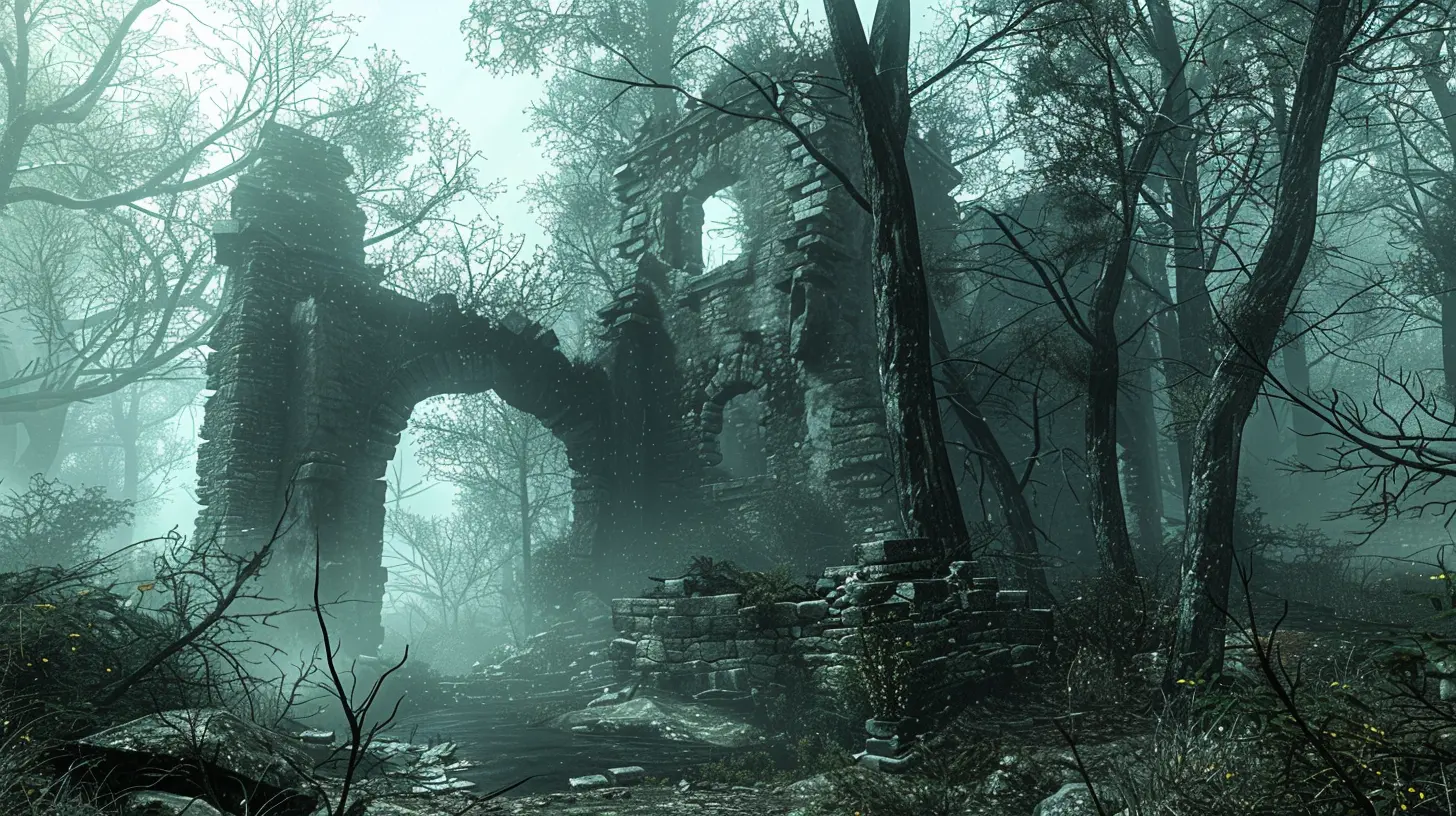
The Role of Storytelling
I’m gonna let you in on a little secret—world-building and storytelling go hand in hand.You can have the most visually stunning VR world ever made, but if there's no story tying it all together, it’s just...set dressing. Like Disneyland with no rides.
Environmental Storytelling
One of the coolest tricks in the developer's toolkit is environmental storytelling. It’s exactly what it sounds like—telling a story through the environment itself.A broken-down robot lying in the dirt. A shattered picture frame on a dusty shelf. A blood trail leading into the forest. The best part? You don’t need dialogue for any of it. You see it. You feel it.
Player Agency and Dynamic Narratives
In VR, players aren’t just listeners—they’re participants. That adds complexity. Devs can’t predict exactly what a player will do.So VR games are starting to lean into dynamic storytelling. You make choices, and the world responds. You say something rude to a character? Maybe they remember it two hours later. That kind of responsiveness makes the world feel alive.
Sound Design: The Unsung Hero
Alright, let’s talk about something most people forget—sound.In a VR world, sound isn't just decoration; it's navigation. It's emotion. It’s half the experience.
When you're walking through a dark VR forest and you hear twigs snapping behind you? That jolt of adrenaline? That’s world-building through your ears.
Great sound design layers ambient noise, music, voice, and even silence to create a mood. It’s like a movie soundtrack you’re living in.
User Interaction: Making the World Touchable
Let’s admit it—nothing kills immersion faster than seeing something cool and not being able to interact with it.VR developers know this. That’s why interaction is a huge part of world-building. Can you open drawers? Break pots? Pet the dog? All these little touchpoints tell your brain: "Hey, this place works like the real world."
Haptic feedback also plays a big role. If your controller rumbles when you grab a sword or feel the impact of a punch, that’s your sense of touch reinforcing the illusion.
Challenges Developers Face
Look, building a believable VR world isn’t easy. There are tons of hurdles to jump over.Hardware Limitations
VR headsets are improving, but they’re still limited. Things like frame rates, field of view, and motion sickness all limit how big or detailed a world can be.Budget and Time Constraints
World-building takes time—and money. Artists, writers, programmers, and sound designers all have to work together like a well-oiled machine. That kind of coordination is no joke.Keeping Players Grounded
There’s also the risk of players getting overwhelmed. If a world is too complex or confusing, people might just log off. So balance is key—enough detail to feel real, but simple enough to navigate and enjoy.Examples of Amazing VR World-Building
Let’s shout out a few VR games that absolutely nailed it in the world-building department:- Half-Life: Alyx – A masterclass in environmental storytelling and interactive detail.
- The Elder Scrolls V: Skyrim VR – An open-world classic reimagined in VR, complete with deep lore and rich culture.
- Lone Echo – A zero-gravity space environment that feels stunningly realistic.
- Moss – Even though you play as a small mouse, the sense of scale and wonder in this fantasy world is unforgettable.
Each of these games offers something unique, but they all share one thing: their worlds feel real.
The Future of VR World-Building
We’re just scratching the surface.Imagine worlds built by AI, environments that evolve based on your emotions, or NPCs so lifelike they pass a Turing test. With advancements in AI, photogrammetry, and haptic tech, the line between reality and virtual reality is going to get real blurry.
And as these virtual worlds become more complex, so will the need for thoughtful, artistic world-building. Developers will play the role of gods—creating universes, histories, and societies from scratch.
So, Why Does It Matter?
At the end of the day, world-building matters because it’s what makes the magic stick. It’s what makes us believe. Whether we’re escaping our mundane routines or exploring a place we’ve never dreamed of, these worlds offer something invaluable: possibility.VR World-building isn't just art. It's architecture for the imagination.
Final Thoughts
So, the next time you strap on your VR headset and step into a new game, take a moment. Look around. Listen. Feel the textures, smell the digital air (okay, maybe not that), and just appreciate the world someone painstakingly built for you to explore.Because behind every believable VR universe is a team of brilliant minds asking one simple, yet profound question:
“What if this world could be real?
all images in this post were generated using AI tools
Category:
Virtual Reality GamesAuthor:

Lucy Ross
Discussion
rate this article
2 comments
Kieran McDonald
World-building in VR is such a fascinating process. It goes beyond graphics and gameplay, immersing players in unique worlds. When done right, it sparks creativity and emotional connections, making the experience unforgettable. I'm always excited to see how developers push these boundaries further.
June 9, 2026 at 2:45 PM
Lucy Ross
Absolutely! When developers create immersive worlds in VR, they open up endless possibilities for players to explore and connect. It's exciting to see how innovation continues to reshape these experiences.
Peregrine Potter
World-building in virtual reality is a game-changer for immersion. Developers must focus on creating rich, interactive environments that respond to player choices. From detailed lore to engaging visuals, each element matters. A well-crafted world not only enhances gameplay but also deepens emotional connections, making the experience unforgettable.
May 11, 2026 at 4:45 AM
Lucy Ross
Absolutely! Immersive world-building transforms player experiences, making every choice significant and every environment captivating. It's all about creating connections that stick long after the game ends.