An In-Depth Look at Esports Team House Life
14 September 2025
So, you've probably heard about esports team houses before, right? Maybe you've seen some behind-the-scenes footage or followed your favorite team’s vlogs. But what really goes on in these places? Do they just play games all day? Is it like a gamer’s paradise or more like a high-pressure, high-stakes bootcamp?
In this article, we're going to pull back the curtain and take a deep dive into what life is really like inside an esports team house. It’s not all RGB lights and late-night scrims. There’s a lot going on behind the screens—and it might surprise you.
Let’s get into it.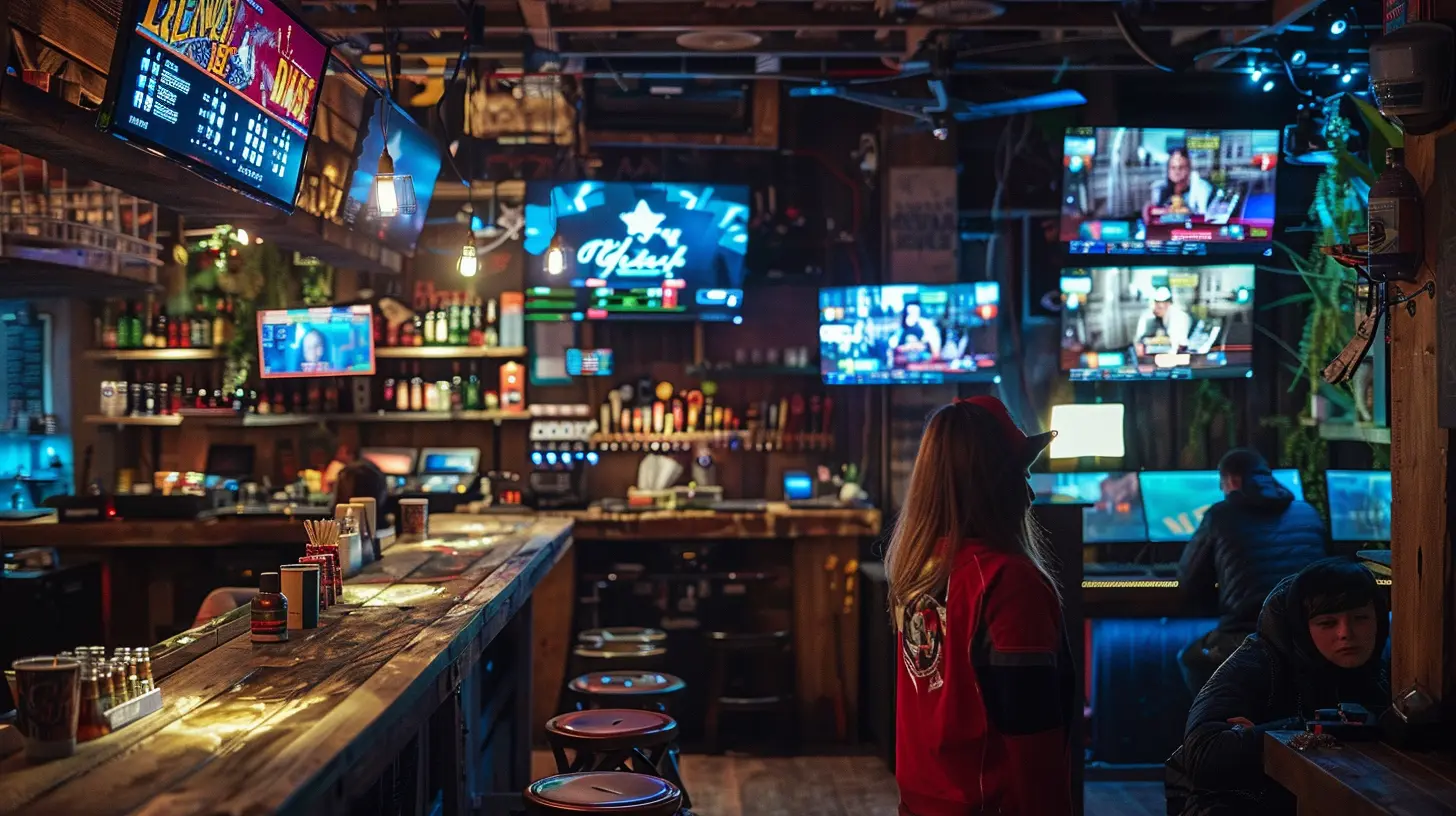
🎮 What Exactly Is an Esports Team House?
Think of a team house as the esports version of a college dorm meets a startup office. It’s where players from the same team live, train, eat, and sometimes even stream together. It’s designed to help improve team synergy, communication, and overall performance.Most top-tier esports organizations (like T1, Team Liquid, or Fnatic) use these team houses to bring their players under one roof. Why? Because constant interaction builds chemistry, and chemistry wins championships.
But it's not just pros living out dream gamer lives—it’s a grind, and it comes with its own set of highs and lows.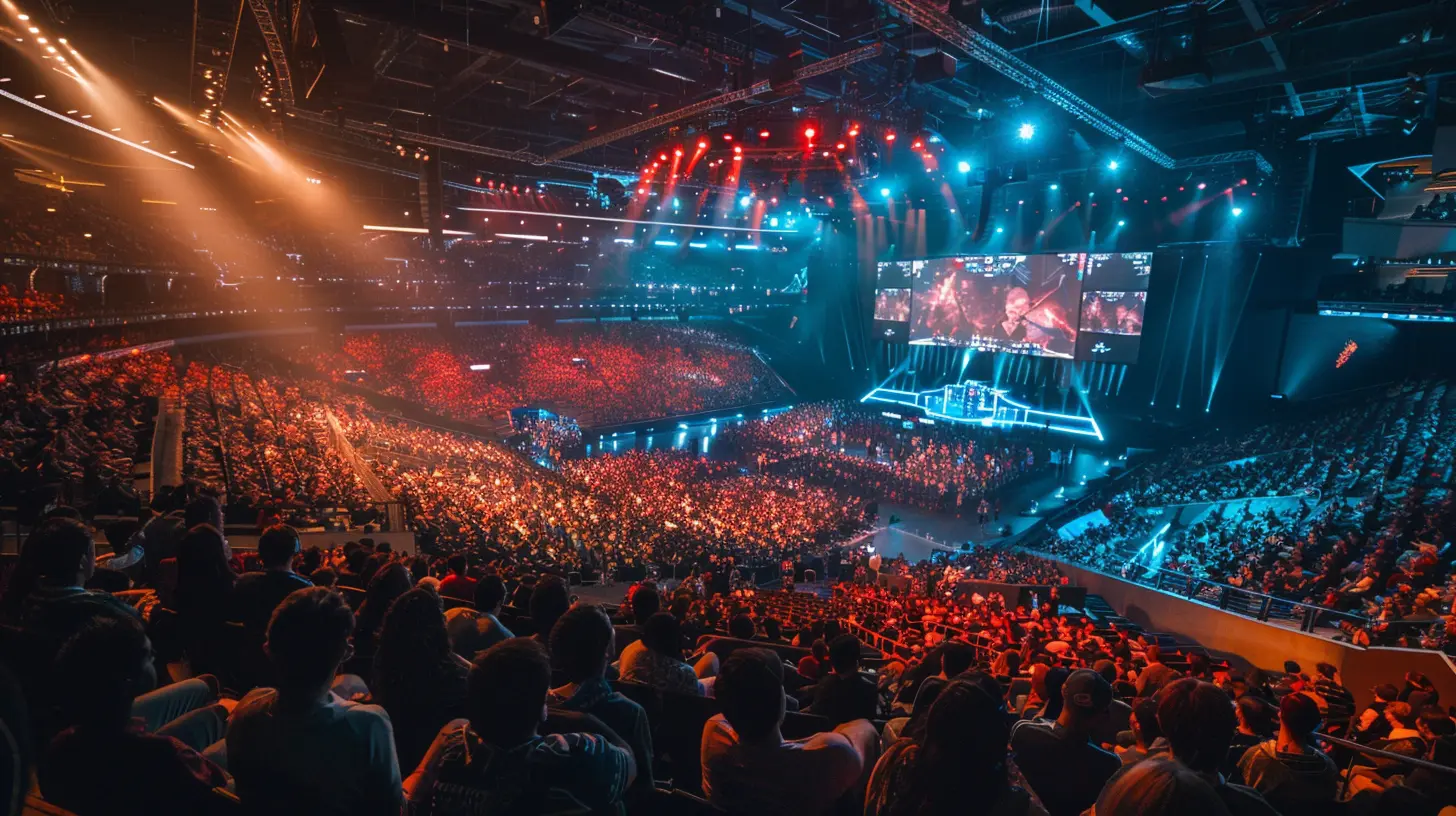
🏠 The Setup: Inside the Esports Team House
The moment you step into an esports team house, you're met with a mix of casual coziness and hardcore tech. Here’s what you’ll typically find:🖥️ Gaming Rooms
These are the heart of the house. Imagine several top-of-the-line gaming rigs lined up in a single room, set up for synchronized practice, scrims, or tournaments. Sometimes the setups are so high-end, you’d think NASA had a hand in putting them together.This is where the magic happens—the plays, the strats, the yelling when someone throws a game-winning opportunity. It’s intense, and it’s real.
🛏️ Bedrooms and Personal Spaces
While it might sound cushy to live with your teammates, remember—they’re also coworkers. Most team houses offer private rooms where players can get some space, unwind, or just binge YouTube in peace.Privacy is golden, especially when you’re working, eating, and sleeping with the same crew.
🍔 The Kitchen and Meal Planning
A lot of houses have either a dedicated chef or meal delivery services to maintain players’ diets. Believe it or not, esports athletes follow strict nutrition plans. After all, reaction time and mental clarity are directly tied to what goes into your body.You can’t expect someone to pull a high-level Baron steal on an empty stomach, right?
🏋️♂️ Workout Areas
Yep, that’s right. Consider this: sitting in front of a screen for 10+ hours a day isn’t exactly great for your posture or health. Many top-tier teams incorporate physical fitness into their routines. From yoga and cardio to full-on gym sessions, it’s all about keeping the body sharp to keep the mind sharper.🧠 Coaches’ Offices and Strategy Rooms
Teams often have areas specifically for review sessions. Coaches break down gameplay footage, go over mistakes, analyze enemy tendencies, and plan strategies. This isn’t just playing games—it’s practically a science.
⏰ A Day in the Life: What’s the Daily Routine?
Let’s crush the myth right now: living in a team house isn’t just 24/7 fun and games. It’s more structured than most people think. Here's what a standard day might look like:Morning: Wake-Up, Light Exercise, and Breakfast
Most players start the day with a light workout or stretching routine followed by a team breakfast. It’s about waking the body and mind up and getting everyone on the same page.Midday: Practice, Reviews, and Scrims
This is where the bulk of the day is spent. Scrims (practice matches) start rolling, and coaches might call for VOD reviews (watching recorded games). This isn’t casual play—it’s structured, goal-focused, and can get pretty intense.Late Afternoon: Individual Practice
Players often work on individual mechanics, reflex training, or mental coaching. Some take time to stream or engage with their followers online.Evening: Team Meals, Chill Time, and Light Games
Even the most hardcore players need to wind down. Some evenings are used for watching pro games, hanging out, or even diving into some non-competitive, just-for-fun gaming.
💬 Team Dynamics: Living, Working, and Playing Together
Now, imagine living with five or more people who all have the same stress, goals, and pressure as you. Sounds manageable, right? Well, not always.The Good: Team Synergy and Instant Communication
When teammates hang out regularly, there’s a natural improvement in chemistry. Understanding each other’s habits, playstyles, and personalities builds stronger in-game coordination.It’s like knowing your buddy’s next move in basketball before they even make it.
The Bad: Burnout and Personality Clashes
Now flip that coin.Being around the same people 24/7 can lead to tension—especially when things aren’t going well. Losing streaks, clashing egos, or just not having enough personal space can make team house living tough.
That's why mental health support and sports psychologists are becoming increasingly common in the esports scene.
🧠 Mental Health and the Pressure to Perform
Let’s talk about the elephant in the room: burnout. Esports is fast-paced, constantly evolving, and extremely competitive. In a team house, you're constantly reminded of your role and responsibilities.Players work under pressure to perform, to secure wins, and to represent sponsors and organizations. It’s a lot, especially for young pros in their late teens or early 20s.
That’s why many organizations now invest in:
- Regular therapy sessions
- Performance coaches
- Mandatory breaks and off-days
- Travel breaks to see family or just get away
Mental fitness is just as critical as mechanical skill.
🔄 Evolution of Team Houses: Past vs Present
Back in the early 2010s, team houses were often cramped apartments filled with too many people and not enough AC. Think chaos, pizza boxes, and sleeping bags.Fast forward to today, and it’s a whole different scene.
Now you’ve got million-dollar facilities, full-time staff, chefs, and even media rooms for content creation. Some orgs even opt for hybrid models where players live separately but come together in training facilities during the day—kind of like esports commuters.
🎥 Content, Branding, and the Business Side
Let’s not forget: esports isn’t just about winning. It’s also big business, and team houses double as content factories.You’ve got:
- Vlogs and behind-the-scenes videos
- Player Q&As and challenges
- Stream collaborations
- Sponsored content
Team houses make this easy since everyone's already in one spot. It’s easier to grab a camera and say, “Yo, let’s film a spicy ramen challenge!”
And for sponsors, it’s gold. More content = more exposure = more value.
🧳 Is It Worth It? Pros and Cons of Team House Life
Let’s break it down:Pros:
- Constant access to teammates and coaches- Fast improvement through structured routines
- Builds tight team bonds
- Streamlined content creation and opportunities
Cons:
- Can feel claustrophobic- Little personal privacy
- High risk of burnout
- Potential for personality conflicts
Some players thrive in this environment. Others need space. That’s why you’re seeing more hybrid setups and mental health resources developing in the scene.
🏁 Final Thoughts: More Than Just a Gaming Dream
Living in an esports team house might sound like the ultimate dream gig—and for many, it truly is. You get to live with your friends, train doing something you love, and maybe even build a career while doing it.But it’s not all fun and games.
It’s hard work, pressure, and constant development both in-game and out. It takes discipline, patience, and a whole lot of passion. Still, for those who make it work, the team house life is a stepping stone to greatness.
So the next time you watch your favorite team dominate on the big stage, remember—it’s not just skill. It’s the result of hours of work, countless scrims, and yes, probably a few kitchen arguments over who ate the last Pop-Tart.
all images in this post were generated using AI tools
Category:
Esports TeamsAuthor:

Lucy Ross
Discussion
rate this article
2 comments
Oriel Coleman
Insightful peek into competitive life!
March 7, 2026 at 5:31 AM
Lucy Ross
Thank you! I'm glad you found it insightful!
Esther Ramos
Absolutely loved this peek into esports team house life! It’s fascinating to see how daily routines blend competition with camaraderie. Those late-night practice sessions and shared snacks just make the winning moments even sweeter. Can’t wait to read more!
September 24, 2025 at 2:32 AM
Lucy Ross
Thank you so much! I’m glad you enjoyed the glimpse into the team house life. Stay tuned for more insights!