The Cultural Impact of Virtual Reality Games
24 July 2026
Virtual reality (VR) gaming isn’t just a flashy trend anymore—it’s a full-blown revolution that’s rewriting how we experience and interact with games. But there’s more to VR than just waving your arms around with a headset on. From reshaping online communities to influencing education and mental health, VR games are making waves far beyond the gaming world. Let’s dive into how this immersive medium is drastically altering our culture and what it means for the future.
What Makes VR Gaming So Special?
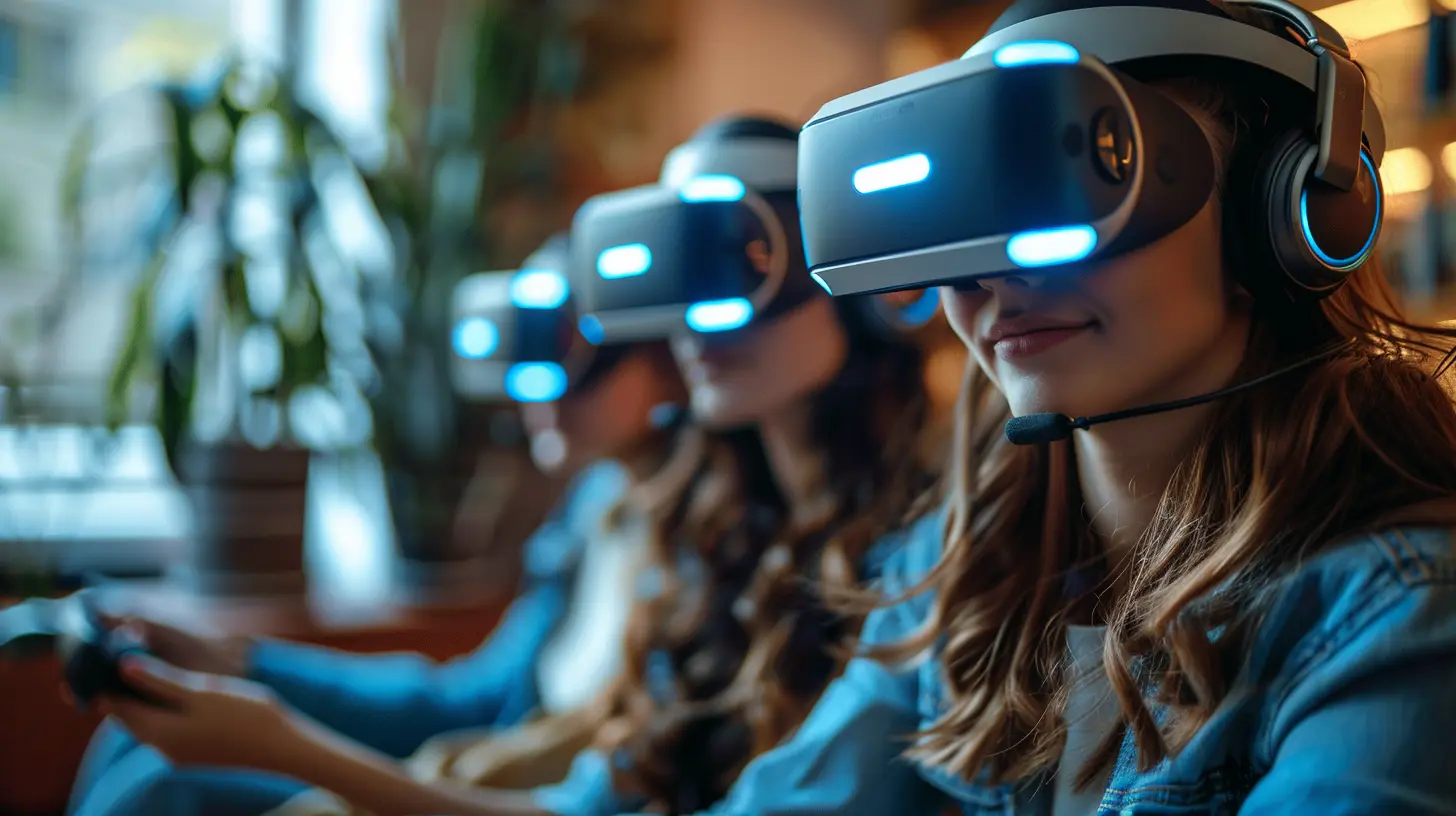
Before we get into the deep stuff, let’s start with the basics. What sets VR apart from traditional gaming? It’s the immersion. Instead of sitting back and watching a screen, you’re actually in the game—walking through ancient forests, battling dragons, or even exploring outer space—all from your living room.The headset isn’t just a fancy gadget; it's a portal. And the more lifelike these virtual worlds become, the more they blur the line between reality and fiction. That’s where things get interesting.
VR Gaming and the Evolution of Storytelling
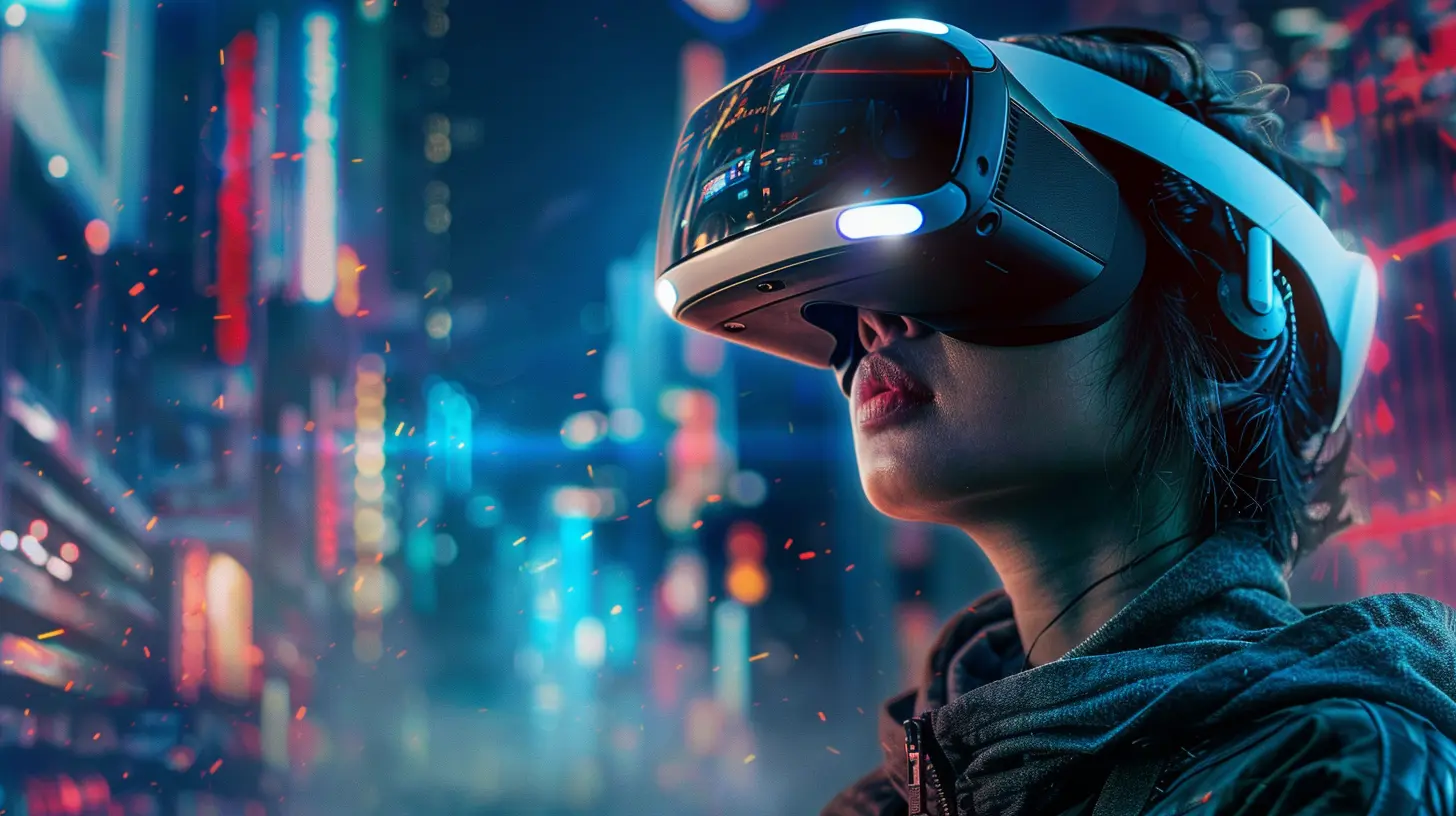
Storytelling in games used to be about pixels and text boxes. Remember the old RPGs where you had to imagine what everything looked like? Now, with VR, you don’t have to imagine—you can experience the story firsthand.Games like Half-Life: Alyx and The Walking Dead: Saints & Sinners are prime examples. The characters feel alive, the world is fully interactive, and the narrative unfolds around you. It's storytelling you can walk through. That kind of deep engagement is changing what we expect from entertainment.
Think about it. We used to read stories, then we started to watch them. Now? We're living them.
Redefining Social Interaction in the Digital World
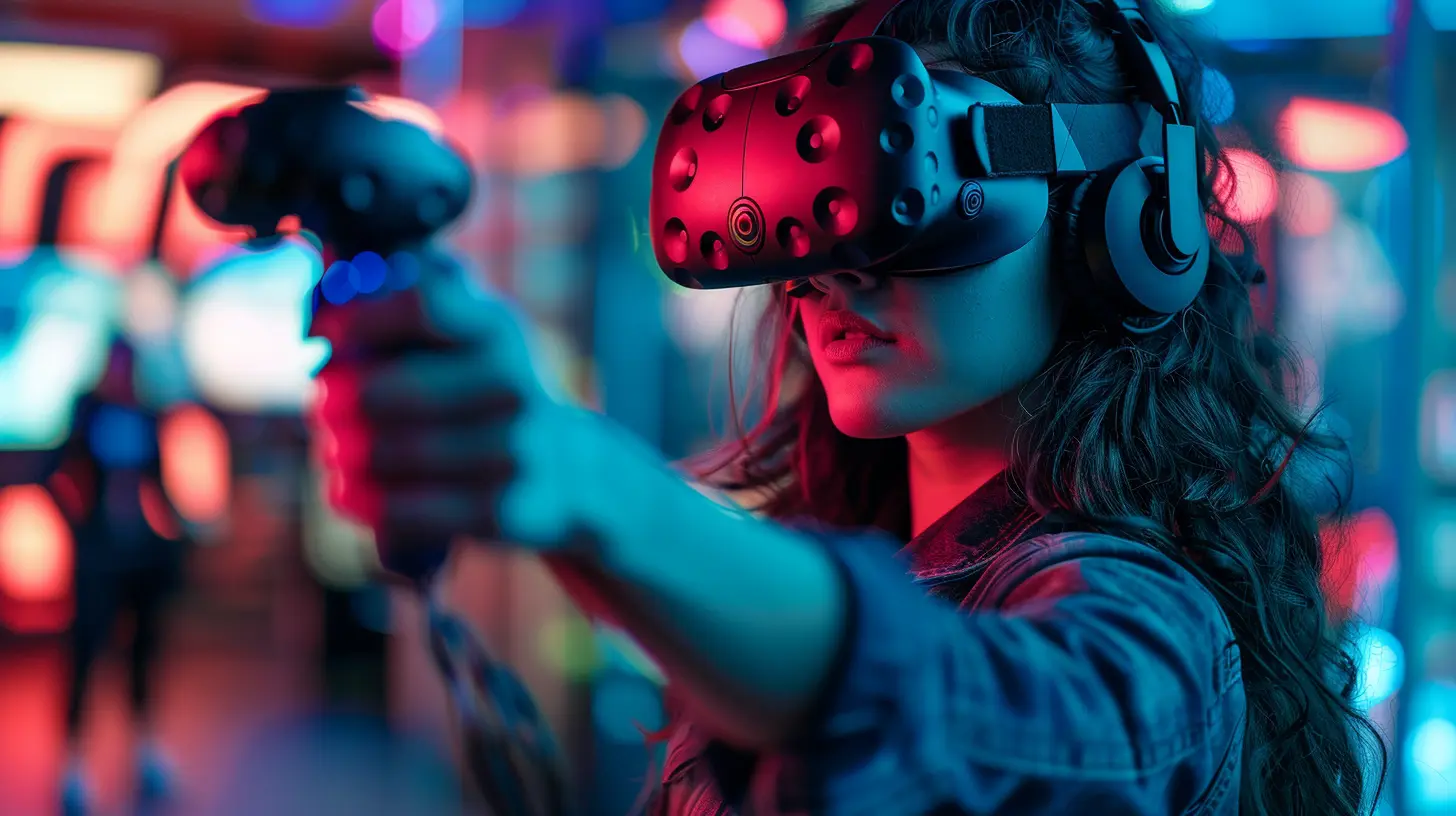
One of the biggest game changers (pun intended) of VR gaming is how it reshapes social interaction. Traditional multiplayer meant talking to teammates through a headset. But in VR? You're standing next to them, handing over virtual tools, high-fiving after a win, and—let's be real—probably goofing off by throwing virtual objects at each other.Platforms like VRChat and Rec Room have evolved into digital hangouts where people from all over the world can meet and communicate in a more natural, human way. No more avatars hovering behind a keyboard—now you’ve got full body movement, hand gestures, and even facial expressions (thanks to advanced motion tracking).
It’s not just about games anymore. It’s about building communities.
The New Age of Gaming Communities
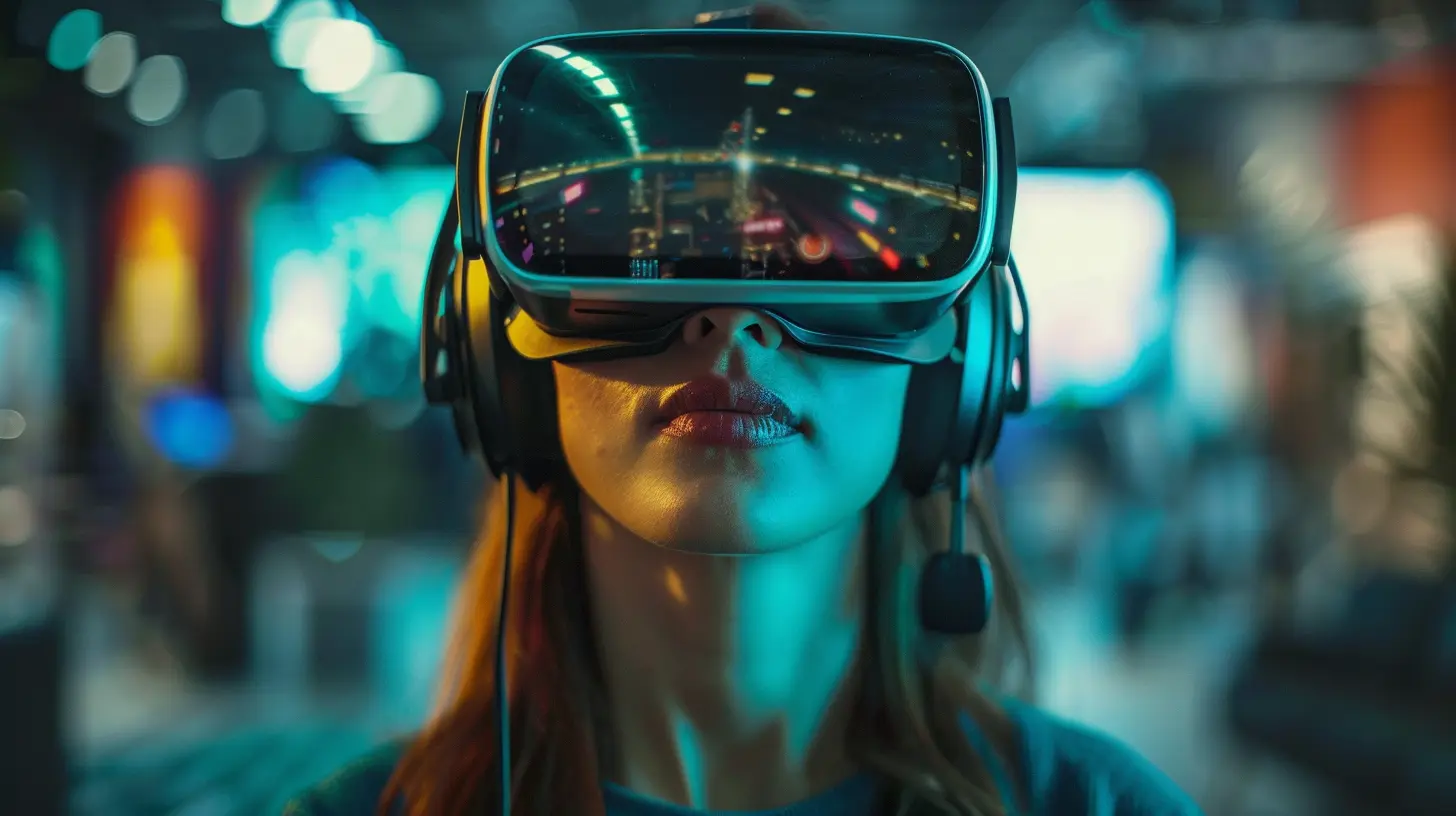
Gaming communities have always been a thing—forums, Discord servers, Twitch chats. But VR adds a whole new dimension. These communities aren’t just discussing games; they’re living inside them.Ever seen a virtual wedding take place in an online VR world? Or maybe a political debate being hosted in a virtual conference center? Yeah, it’s happening. VR gaming spaces are becoming cultural melting pots, bringing together people of different backgrounds for shared experiences.
It’s kind of like a digital renaissance, where art, music, language, and even social norms are all being remixed and reimagined in 3D spaces.
Education and Training Through VR Game Mechanics
Let’s shift gears a bit. VR isn’t just for entertainment—it’s becoming a powerful tool in education and professional training.Picture this: instead of reading a textbook about ancient Rome, students can walk its streets, listen to market vendors, and explore the Colosseum first-hand. Or imagine medical students practicing surgeries in virtual operating rooms before ever touching a real scalpel.
These scenarios aren’t science fiction—they’re part of real VR games designed for educational purposes. The same mechanics that make games fun (interactivity, exploration, feedback) also make them super effective learning tools. It's the ultimate "learn by doing" experience.
A New Language of Empathy
This might surprise you, but VR games are also shining a light on empathy. Thanks to the immersive nature of VR, players can literally walk a mile in someone else’s shoes.Take the game Notes on Blindness: Into Darkness. It simulates the experience of living with visual impairment. Or Clouds Over Sidra, which places you in a Syrian refugee camp. These experiences aren’t "fun" in the traditional sense, but they’re deeply human. They expand empathy by making unfamiliar realities feel real—something flat screens just can’t do.
And that’s a massive cultural shift. People aren’t just playing to escape reality anymore; they're also playing to understand it.
Mental Health and VR Therapy Games
Now let’s talk mental health, a topic that’s (finally) becoming less taboo. VR games are increasingly being used in therapeutic settings—from helping veterans with PTSD to offering guided meditation through tranquil virtual landscapes.Games like Deep and TRIPP are designed to help players relax, focus on their breathing, and combat anxiety. Others gamify exposure therapy, helping users gradually face their fears in controlled virtual settings.
It’s therapy, but gamified. And in a world where accessing mental health care can be tough, VR offers a more approachable and stigma-free solution. Culture-wise, this is a big deal.
Economic and Job Market Impacts
Let’s not forget the economic ripples. VR gaming isn’t just changing how we play—it’s also shifting the job market.We’re talking game developers, artists, sound designers, motion capture actors, VR hardware engineers—all working in an industry that’s projected to be worth billions. And it's not limited to entertainment. Businesses are hiring VR developers for everything from architecture to retail.
Even influencers and content creators are carving out niches in VR spaces. Think of it as the new frontier of the gig economy—except instead of Uber, you're moonlighting as a virtual world builder or hosting VR game shows.
Challenges and Cultural Frictions
Alright, let’s keep it real. VR isn’t all rainbows and light sabers. There are legitimate concerns too.For one, accessibility is a big issue. Not everyone can afford a VR setup, and that creates a digital divide. Then there's motion sickness, privacy concerns (those headsets collect a ton of data), and of course, the classic "people spending too much time in virtual worlds" argument.
And yes, there’s a cultural friction between generations—some people still view VR as a gimmick or worry it’s replacing real social interaction. But like every major tech shift (remember when folks said social media would never catch on?), it’s all part of the growing pains.
How Pop Culture Is Embracing VR
If you want proof that VR is sinking deep into culture, just look at pop culture. Movies like Ready Player One and shows like Black Mirror have painted both utopian and dystopian pictures of VR. Musicians are hosting virtual concerts, museums are curating VR exhibits, and fashion brands are even launching digital clothing lines inside VR games.VR isn’t just following culture—it’s starting to shape it. And gamers? They're leading the charge.
The Future of VR Gaming and Cultural Identity
So, where does all this lead us?We’re heading toward a world where VR might be as common as smartphones. And as it becomes more normalized, it’s going to play a bigger role in how cultures are formed, shared, and preserved.
Imagine VR games based on indigenous traditions or historical reenactments where future generations can witness their heritage in 3D landscapes. Pretty cool, right?
Even the concept of "identity" is changing. Gamers are experimenting with avatars that don’t look or sound like them IRL, exploring gender, ethnicity, and persona in ways that were never possible before. In a way, VR is offering a digital playground for self-expression on a whole new level.
Wrapping It Up
So there you have it—VR isn’t just flipping the gaming industry on its head, it’s reaching into almost every corner of our culture. From how we learn and connect with others to how we deal with mental health and explore identity, VR is becoming a cultural powerhouse.The beauty of it? We’re still just scratching the surface. As the tech improves and becomes more accessible, the cultural impact of VR games will only grow stronger.
So the next time you put on that headset, remember—you’re not just gaming. You’re stepping into the future of culture.
all images in this post were generated using AI tools
Category:
Virtual Reality GamesAuthor:

Lucy Ross
Discussion
rate this article
1 comments
Tempra Morrow
Virtual reality games are reshaping how we interact with culture, blending entertainment with immersive experiences like never before.
July 24, 2026 at 3:06 AM