The Next Generation of Esports Teams Poised for Dominance
15 December 2025
Esports—it’s no longer just a niche for gaming enthusiasts. It’s a booming industry, rivaling the revenues and attention of traditional sports like basketball and soccer. Now, as the scene matures, we’re witnessing the emergence of a new wave of esports teams that are ready to dominate the competition. These teams are not just about playing games—they’re transforming the industry, bringing innovation, and building massive global brands.
So, what makes these teams stand out? Why are they poised to leave a legacy? Let’s dive deep into this exciting topic and discover the next generation of esports powerhouses.
The Evolution of Esports Teams
Before we jump straight into the future, let’s take a quick look back. The early days of esports were simple. Teams were just a group of gamers coming together to compete for fun—and maybe some prize money. Structures were loose, sponsorships were rare, and the idea of building a brand was far from anyone's mind.Fast forward to today, esports teams are more akin to professional sports franchises. They have management, coaches, nutritionists, and marketing departments. Teams like Team Liquid, T1, and FaZe Clan are global entertainment powerhouses.
But here’s the kicker: this isn’t the stopping point. A new generation of teams is rising, and they’ve learned to build upon the foundations set by the pioneers. They’re more innovative, tech-savvy, and fan-focused than ever before.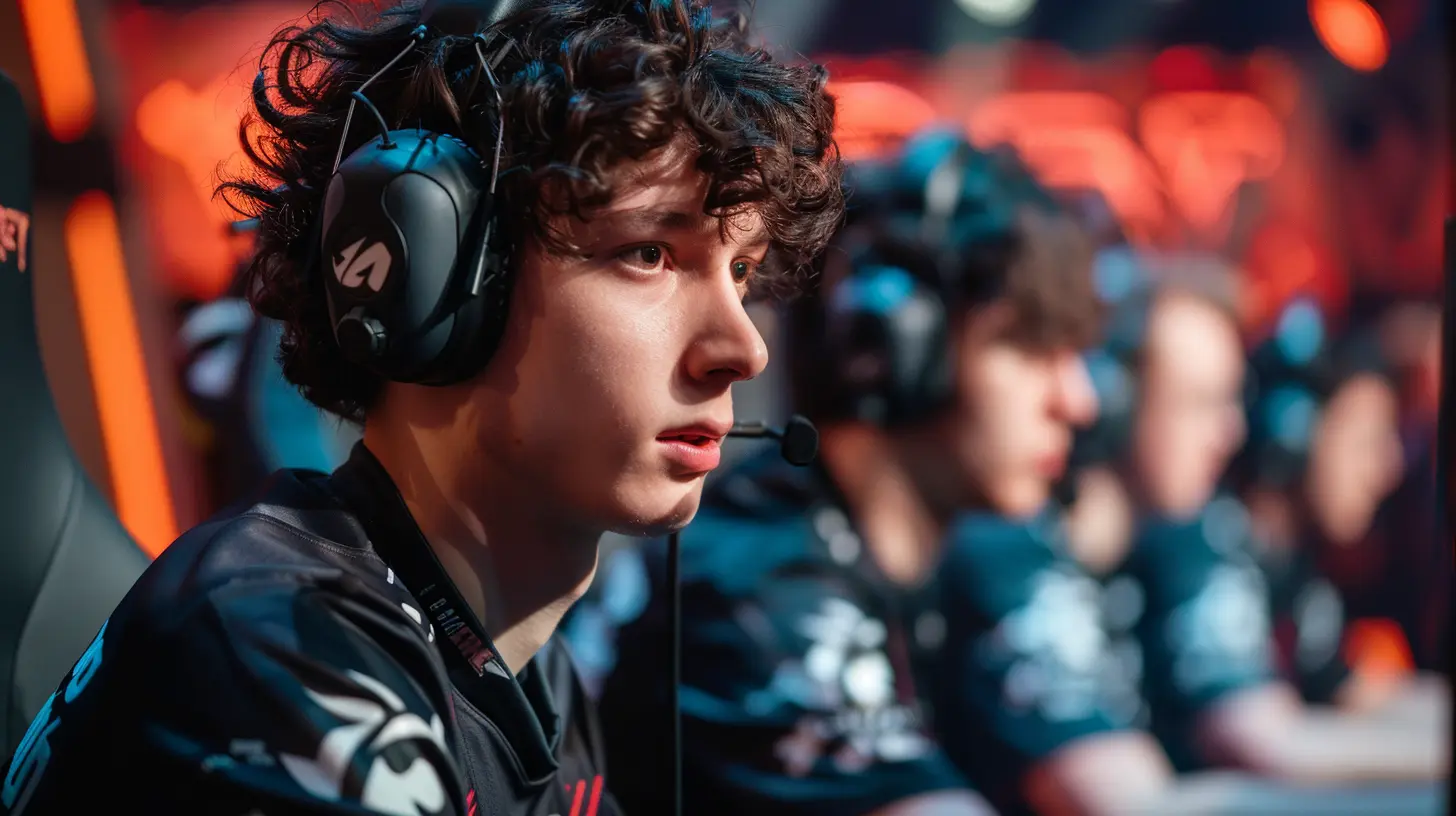
What Sets the Next Generation of Esports Teams Apart?
So, what’s the secret sauce for these next-gen teams? It’s not just about skill anymore (although that helps). The new crop of esports organizations is rewriting the playbook in some fascinating ways.1. Tech-Driven Performance Optimization
The future of esports belongs to teams that embrace technology. We’re talking about data analytics, AI-powered coaching tools, and even virtual reality training. Teams like Paper Rex and Acend have been leveraging real-time data to adapt mid-game strategies like never before.They’re treating esports like a science, breaking down gameplay into metrics that can be improved upon. Think of this as the Moneyball approach for gaming. It’s not just about instinct anymore—it’s about hard numbers.
2. Expanding Beyond Esports
Have you noticed how modern teams aren’t just about tournaments? The next generation of esports teams is creating lifestyle brands. They’re launching exclusive merchandise lines, collaborating with musicians, and even developing their own content.Take 100 Thieves for example. They’ve blurred the lines between gaming, fashion, and culture. Fans are buying into the brand, not just the gameplay. This diversification is helping organizations thrive even during off-seasons, and it’s a blueprint others are sure to follow.
3. A Global Perspective
Let’s face it: esports is a worldwide phenomenon. Gone are the days when teams focused predominantly on North America or South Korea. New organizations are embracing global expansion to tap into emerging markets like Southeast Asia, South America, and Africa.For example, teams like Fnatic are actively scouting talent from regions that haven’t traditionally been esports hotspots. This gives them an edge—not only is the player pool expanding, but they’re also building fanbases in previously untapped regions. Globalization truly is the name of the game.
4. Community Engagement Is King
Esports teams are realizing something crucial: it’s not just about winning tournaments; it’s about building long-lasting relationships with fans. The next-gen teams are taking fan engagement to a whole new level.They’re doing things like hosting Discord meetups, streaming scrimmages, and even creating interactive content where fans can decide what happens next. It’s essentially gaming’s version of choose-your-own-adventure books. The result? Insanely loyal communities that stick with teams through thick and thin.
Rising Stars: Esports Teams to Watch Out For
Let’s put theory into practice. Here are some up-and-coming teams primed to dominate the competitive gaming scene. These organizations are shaking up the status quo and are well on their way to becoming household names.1. Nigma Galaxy
A relatively new team on the block, Nigma Galaxy is already turning heads, especially in games like Dota 2. Their focus on building a powerhouse team while also creating compelling content is setting them apart. Plus, their commitment to fostering talent in the Middle East shows they’re serious about global expansion.2. Team BDS
If you’re into Rocket League or Rainbow Six Siege, you’ve probably heard of Team BDS. This Swiss organization has been crushing it in European tournaments. With an emphasis on nurturing young talent and a tech-driven approach to strategy, they’re rising fast and showing no signs of slowing down.3. Talon Esports
This Southeast Asian team is making waves in games like League of Legends and Overwatch. Their strategy emphasizes a mix of local and international talent, giving them a unique flavor that appeals to diverse audiences. Keep an eye on them—they’re hungry and ambitious.4. Karmine Corp
Karmine Corp is a French esports powerhouse that has quickly gained a cult following. Their aggressive content marketing and community-driven approach have turned their fans into an army. With rising success in League of Legends and other games, they’re on track to take over Europe and beyond.5. Bleed Esports
Based out of Singapore, Bleed Esports might be smaller than some of the other names on this list, but they’re mighty. Their innovative take on talent acquisition and heavy focus on analytics makes them a team to watch in the current esports landscape.
Challenges for the New Guard
Of course, it’s not all smooth sailing for these teams. The next generation of esports organizations will need to grapple with some serious challenges if they want to stay at the top.Sustainability
Esports is expensive. From player salaries to travel costs, teams often operate on razor-thin margins. The challenge for these rising stars will be to create sustainable income streams without compromising the fan experience.Balancing Commercialization and Authenticity
Fans can sniff out when a team is being overly corporate. As organizations grow, the challenge will be to stay true to their roots while scaling their operations. It’s a tightrope walk, and only the most adaptable teams will succeed.Player Burnout
Let’s not forget the human element. The pressure to perform, travel, and train non-stop can get overwhelming for players. Teams will need to focus on their players' mental and physical well-being to avoid burnout and maintain long-term success.What Lies Ahead?
The future of esports is bright. The rising generation of teams isn’t content with just playing games; they’re redefining what it means to be an esports organization. They’re entertainers, innovators, and global brands all rolled into one.So, what does this mean for you, the fan? It means we’re in for something special. Expect more thrilling matches, behind-the-scenes content, and unprecedented levels of engagement. The esports world is evolving, and these new teams are leading the charge.
Conclusion
The next generation of esports teams isn’t just poised for dominance—they’re hungry for it. They’re rewriting the rules, embracing innovation, and cementing their place in the hearts of fans worldwide. Whether it’s through high-tech performance strategies, global expansion, or hardcore fan engagement, these teams are setting new standards.If you’re not already keeping an eye on the likes of Nigma Galaxy, Team BDS, or Talon Esports, you’re missing out. The esports revolution is here, and trust me, it’s only getting started.
all images in this post were generated using AI tools
Category:
Esports TeamsAuthor:

Lucy Ross
Discussion
rate this article
2 comments
Astrid Valentine
Great insights! I'm excited to see how these emerging teams leverage new strategies and technology to reshape the competitive gaming landscape.
December 16, 2025 at 5:41 AM
Lucy Ross
Thank you! It's an exciting time, and I can't wait to see how these teams innovate and elevate the esports arena.
Karson Wilkerson
This article provides an insightful look into the evolving landscape of esports teams. It highlights both emerging talent and the strategic innovations that could shape the future of competitive gaming. Balancing ambition with sustainability will be crucial for these teams to achieve lasting success in the industry.
December 15, 2025 at 5:34 AM
Lucy Ross
Thank you for your insightful comment! I appreciate your thoughts on the balance between ambition and sustainability in esports.