The Psychology Behind Why We Love Online Gaming
13 June 2026
Ever found yourself knee-deep in an online battle at 3 AM, wondering why you just can’t stop playing? You’re not alone. Online gaming isn't just about flashy graphics or epic quests — there’s a lot more going on beneath the surface. In fact, our love for online games ties deeply into human psychology. It taps into our emotions, our need for connection, achievement, and even our brain chemistry.
In this article, we’re diving headfirst into the real reasons why online gaming has such a magnetic pull on millions of people around the world. So, sit back, grab your favorite energy drink, and let’s break it down.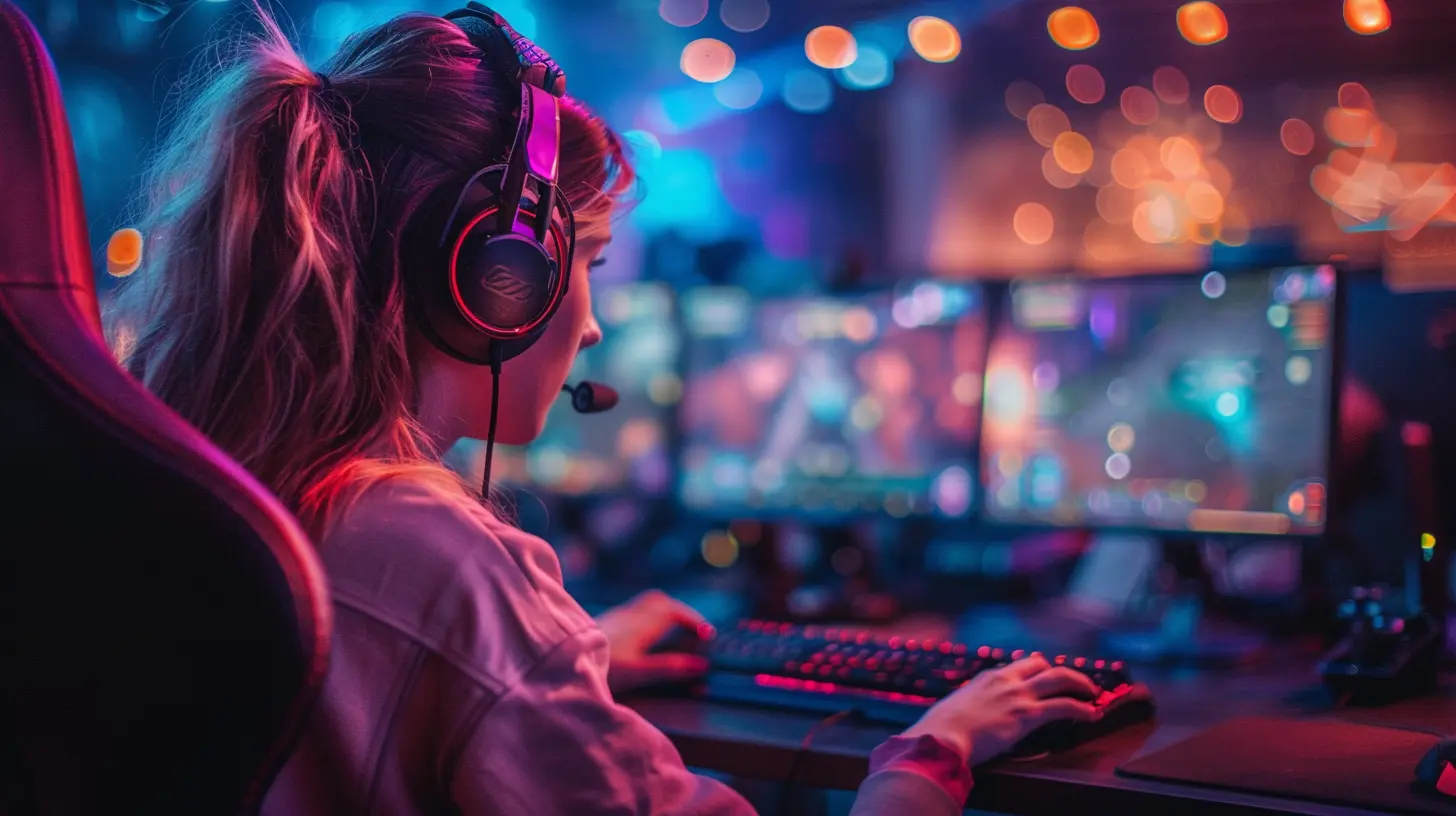
The Dopamine Rush: Gaming Feels Good
Let’s start with the brain’s favorite chemical — dopamine. It’s the neurotransmitter responsible for pleasure and reward. Every time you level up, defeat a tough boss, or find rare loot, your brain gives you a little jolt of dopamine. That’s your mind’s way of saying, “Good job, let’s do that again!”Online games are designed to provide constant feedback and rewards. These micro-rewards — like loot boxes, experience points, or leaderboard rankings — keep us hooked through a system called "variable reinforcement." This is the same psychological principle that makes slot machines so addictive.
Unlike real-life achievements (which can take months or even years), online games let us taste success in minutes. That success triggers a dopamine hit, and our brains crave the next one. That’s the loop — the feel-good cycle that keeps us coming back.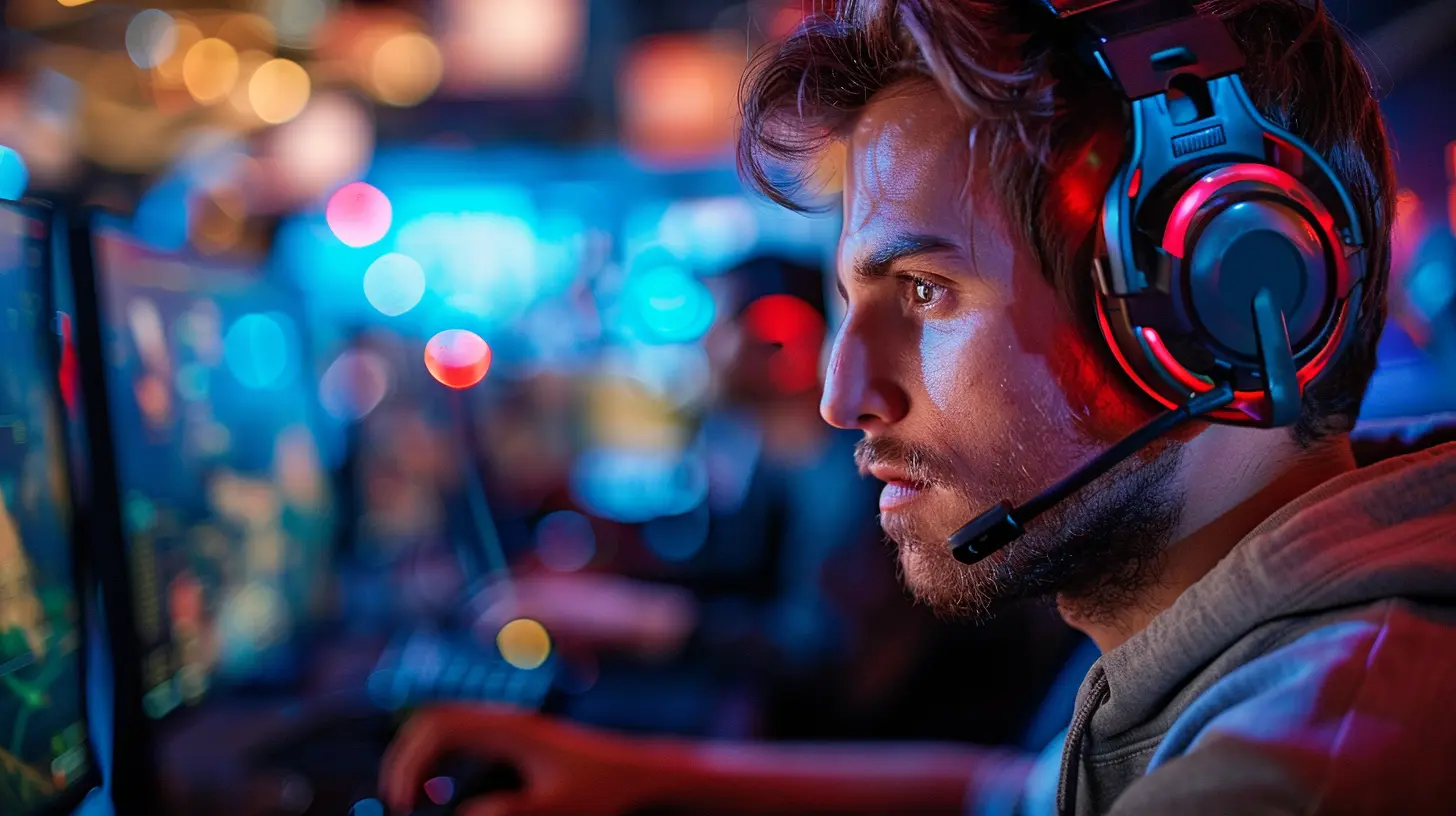
Escaping Reality: A Safe Place To Be Someone Else
Let’s be honest. Life gets overwhelming. Jobs, bills, stress, the whole adulting mess. One reason we love online gaming is that it offers a mental escape. In a game, you can be a fearless warrior, a space explorer, or a tactical genius — all from your couch.It’s like stepping into a parallel universe where you’re the hero and the problems are solvable. You have goals that are clear, and you know exactly how to achieve them. That kind of control is something real life doesn’t always offer.
And it's not just about the game; it's about the feeling. That temporary break from real-world stress can be incredibly therapeutic. It’s no wonder people find comfort in jumping into a virtual realm at the end of a long day.
The Need for Social Connection
Online gaming isn’t just a solo experience anymore. In fact, it's more social than ever. Whether it’s teaming up in battle royale games, building empires with friends, or joining massive online guilds, gamers love the sense of community.Humans are social creatures — we’re wired to connect. Online games give us a space to bond, communicate, and collaborate with others. It doesn’t even matter where someone lives or what language they speak. In the game, everyone’s on the same mission.
Even introverted or socially anxious players often find their tribe in gaming. The virtual world acts as a social buffer, making it easier to open up, share laughs, and build friendships. For some, it’s not just a game — it’s a lifeline to relationships they might not have had otherwise.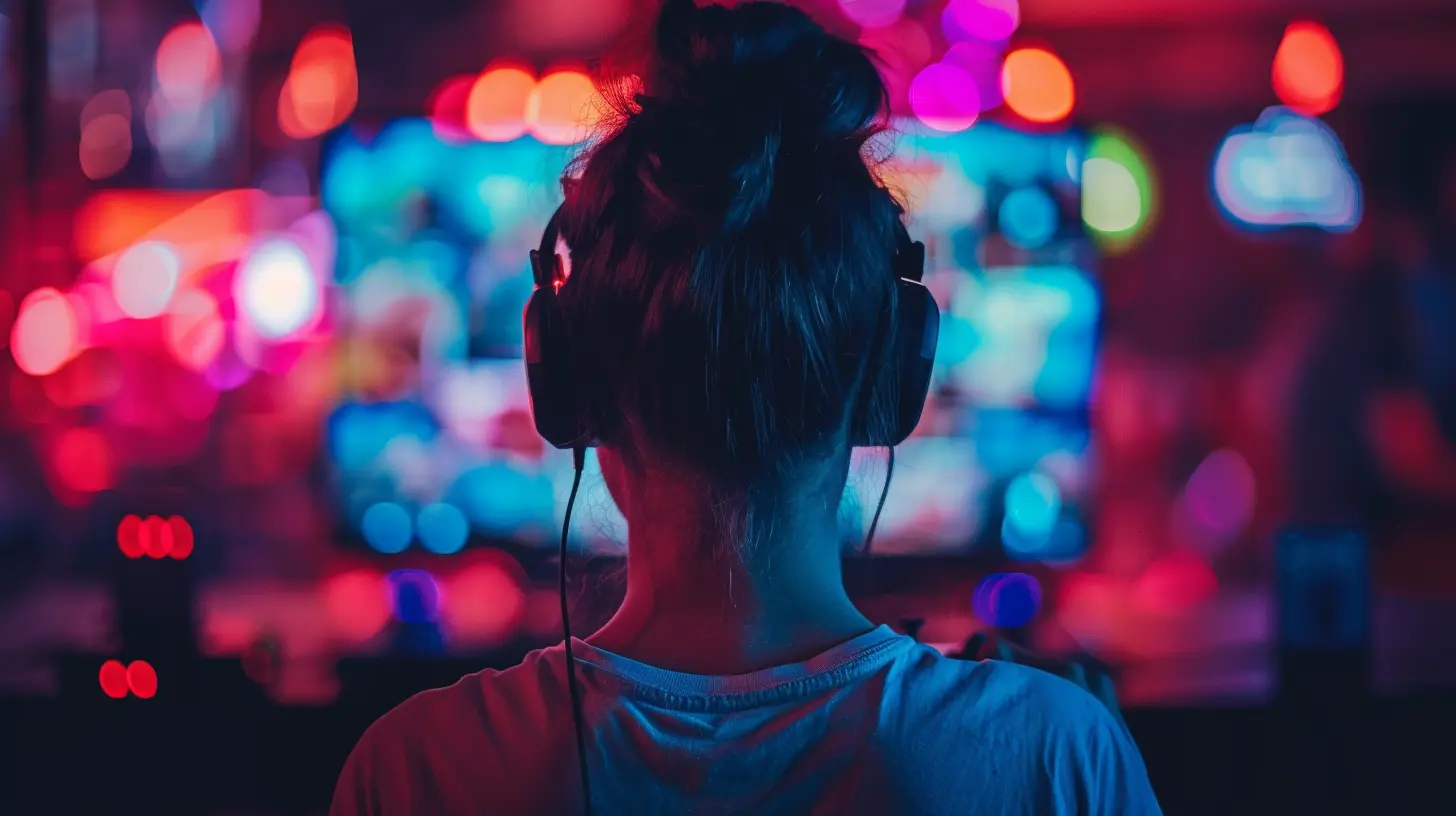
The Joy of Mastery: We're Wired to Improve
One of the most satisfying feelings in the world? Getting better at something. Whether it's mastering a complex mechanic, climbing the competitive ladder, or learning how to outsmart your opponent — online games constantly challenge us to improve.This hits on what psychologists call “intrinsic motivation.” That’s the internal drive to get better just for the sake of it. Games are excellent at feeding this because they often start out simple and then gradually ramp up in complexity. That constant push keeps us engaged and invested.
Have you ever spent hours practicing that one annoying jump or refining your aim in a shooter game? That’s not boredom — that’s passion. And every small improvement feels like a victory. It’s human nature to chase mastery, and games just happen to be a fun, engaging way to do it.
Competition Fires Us Up
Let’s talk competition for a second. Whether it’s 1v1 duels or massive ranked ladders, there’s something thrilling about going head-to-head with real people. The adrenaline, the pressure, the bragging rights — it all adds fuel to the fire.Online games scratch that primal itch to prove ourselves. Winning boosts confidence, and even losing drives us to do better next time. Why? Because we dislike failing, and our brains are wired to seek improvement. We want to win, and we love the journey that gets us there.
And let’s not forget — competition is never just about the game. It’s about testing our limits, learning from defeats, and pushing ourselves beyond what we thought possible. Online games just happen to be the perfect sandbox for that.
Autonomy and Freedom
Another key reason we love online gaming? Freedom. Unlike many aspects of our daily lives where rules are rigid and outcomes are out of our hands, games give us choices. Tons of them.You decide your class, your strategy, your gear, your path. Want to be a lone wolf sniper? Go for it. Prefer healing and helping others? Your choice. This sense of autonomy is incredibly empowering.
Psychologists refer to this as "self-determination theory" — the more control we feel over our actions, the more motivated and satisfied we are. Games hand us the keys and say, “Drive however you like.” That freedom? It’s addictive.
Identity Exploration: Who Do You Want to Be?
In the real world, we’re often boxed in by jobs, social norms, expectations, even appearances. But in online gaming, those walls disappear. You can create an identity that reflects your true self — or explore identities completely different from your own.Whether it’s through avatars, roleplaying, or simply choosing how we interact with others, games let us explore different aspects of who we are. That kind of self-expression is powerful.
For many, especially teenagers and young adults, gaming becomes a safe and creative space for figuring themselves out. It's not just a hobby — it's part of their personal journey.
Achievements and Progression: Checking Boxes Feels Good
Let’s face it — checking off a to-do list feels amazing. That same feeling comes from completing quests, unlocking achievements, or collecting items in a game. The satisfaction of progress is deeply embedded in human psychology.We’re goal-driven creatures, and games give us constant mini-goals to chase. Whether it’s unlocking a new character skin or climbing to Diamond rank, there’s always something to work toward.
Even better? Games are great at showing us that progress. You see your level rise, your gear get stronger, your base grow bigger. That visible feedback loop gives us a tangible sense of accomplishment — something we don’t always get in real life.
The Thrill of Unpredictability
Ever opened a loot box wondering what treasure you'd get? Or joined a match not knowing if you'll dominate or get wrecked? That unpredictability is part of what makes online games so thrilling.It plays into the psychological concept of “uncertainty reward” — the idea that unpredictable outcomes create excitement. It’s the same reason people love mystery novels, sports, or even gambling.
Every game match is different. Every fight is a new challenge. This ever-changing environment keeps things fresh and our minds stimulated.
Time Well Spent? You Bet
Let’s bust a myth real quick: gaming isn’t a waste of time. Sure, like anything, too much can be harmful, but the benefits often outweigh the negatives — especially when you understand what gaming actually provides.Online games can improve memory, reflexes, teamwork, decision-making, and even language skills. They offer mental stimulation, social interaction, and emotional satisfaction.
So, the next time someone tells you to put the controller down and “do something productive,” smile and remind them that you’re working on hand-eye coordination, multitasking, and stress relief — all at once.
So, Why Do We Love Online Gaming?
Let’s wrap it up. We love online gaming because it's a perfect storm of pleasure, purpose, and connection. It hits all the right psychological sweet spots:- It makes us feel good (thanks, dopamine)
- It lets us escape and unwind
- It connects us with others
- It challenges and rewards us
- It gives us freedom and choice
- It lets us be who we want to be
- It keeps us curious and excited
Whether you're grinding for gear, chatting with guildmates, or chasing that next win, online gaming is more than just screen time — it's a deeply human experience.
So, the next time you boot up your favorite game, remember: you’re not just killing time. You’re engaging with one of the most psychologically satisfying forms of entertainment ever created.
Final Thoughts
Online gaming isn’t just a modern pastime. It’s a reflection of who we are — complicated beings with a yearning for connection, achievement, excitement, and identity. When done in moderation, gaming can be incredibly enriching.And let’s be real — it’s fun. Sometimes, that’s reason enough.
So instead of asking, “Why do we love online gaming?” maybe the better question is… how could we not?
all images in this post were generated using AI tools
Category:
Online GamesAuthor:

Lucy Ross
Discussion
rate this article
1 comments
Jace Thornton
It's fascinating how gaming taps into our minds. What is it about virtual worlds that keeps us coming back? I'm curious about the psychological layers we might not even recognize.
June 25, 2026 at 2:30 AM
Lucy Ross
Virtual worlds offer an escape and a sense of achievement that can be hard to find elsewhere. They engage our emotions and stimulate our brains, creating immersive experiences that keep us returning for more.