Unexpected Genres Making a Comeback
2 July 2026
Video games are constantly evolving. What’s popular this year might be yesterday’s news tomorrow. And while triple-A shooters and sprawling open-world games tend to hog the spotlight, something fascinating has been happening quietly behind the scenes. Genres we thought were long gone—or at least tucked away in some dusty corner of gaming history—are making a comeback.
Yep, that’s right. Those quirky, unexpected genres are stepping back into the ring, and they’re getting more love than ever before. Let’s talk about them.
What's Fueling These Comebacks Anyway?
First, let’s take a step back and ask ourselves—why now? Why are these oddball or so-called “dead” genres suddenly rising up like a well-timed phoenix respawn?There are a few reasons:
- Nostalgia Overload: Millennials and older Gen Z gamers are now the ones with spending power, and let’s be honest—many of us miss the "good old days" of gaming.
- Indie Game Boom: Indie developers don’t have to play by big publisher rules. That freedom lets them experiment with genres that big studios avoid.
- Streaming and Viral Moments: A quirky or unique game can blow up overnight thanks to YouTube or Twitch, even if it’s in a niche genre.
- Digital Distribution: With platforms like Steam, itch.io, and Game Pass, it's easier than ever for retro-style or genre-misfit games to reach a global audience.
Alright, enough setup—let’s talk about the genres themselves.
1. Full Motion Video (FMV) Games – Lights, Camera, Comeback!
If you were gaming in the '90s, you probably remember FMV games. They were clunky, overacted, and full of grainy video clips. Think Night Trap, Phantasmagoria, or Tex Murphy. Honestly, they were more kitsch than quality.Fast forward to now—and FMV is cool again. But this time, it’s sleek, cinematic, and smart.
Why It’s Back
With better technology and storytelling techniques, FMV games now look like interactive movies. Games like Her Story, Telling Lies, and Immortality have received critical acclaim for blending narrative and player choice in ways that feel fresh.It's like binge-watching a Netflix thriller but being the one who pieces the plot together. Neat, right?
2. Turn-Based Strategy – The Slow Burn Everyone’s Loving Again
In the age of fast-paced shooters and real-time everything, slow, turn-based strategy games might seem like a weird fit. But their methodical, brain-burning gameplay is getting a second wind.What's The Appeal?
There’s something deeply satisfying about taking your time, planning your next move, and then watching your strategy play out. It’s like playing chess, but with laser tanks and alien species.Games like XCOM 2, Into the Breach, and Triangle Strategy show that there's still a big appetite for TBS games when they’re done right.
And let’s not forget Advance Wars. That classic Nintendo strategy title just got a slick remake, and fans are pumped.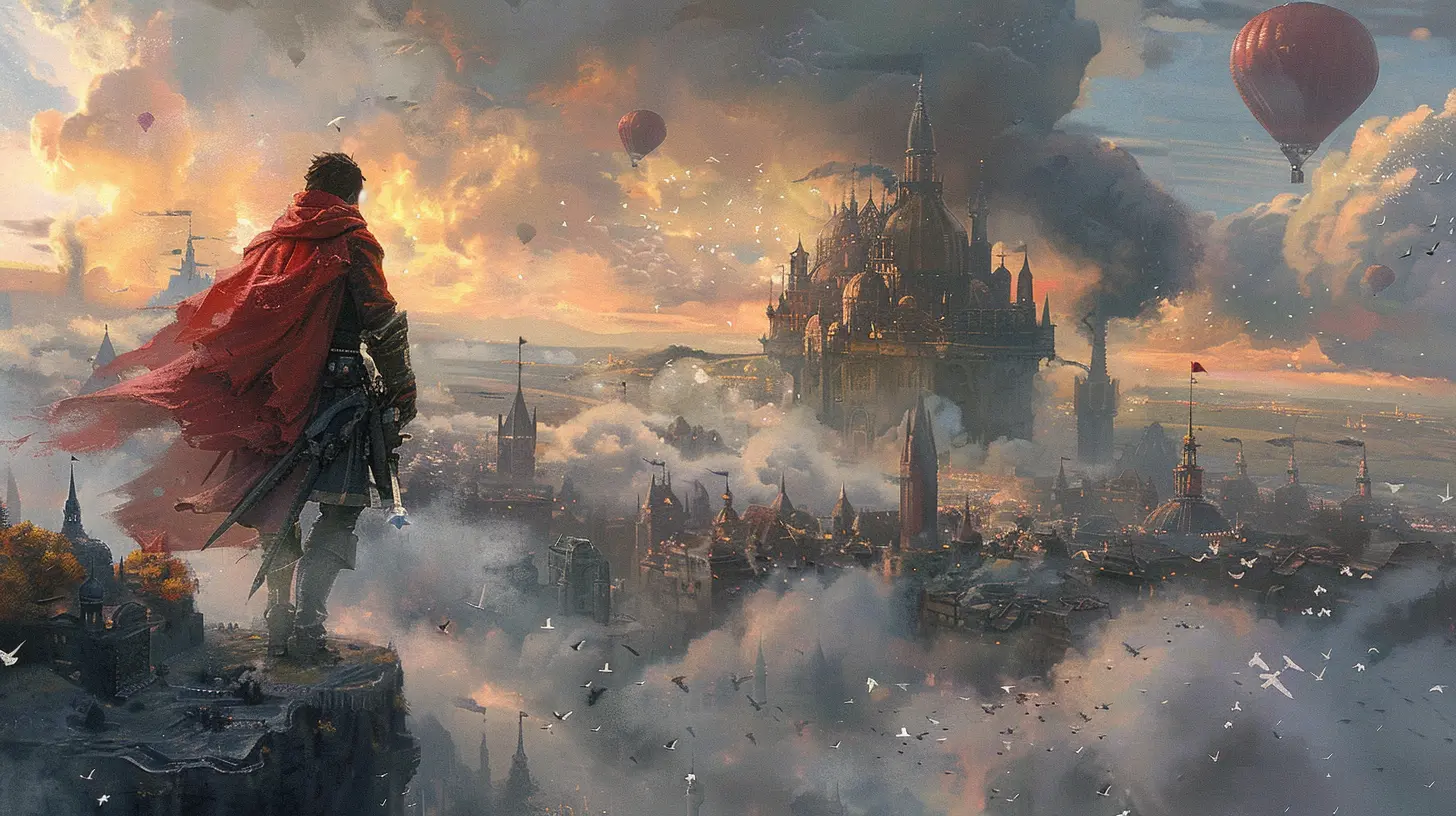
3. Text-Based Adventures – Typing Their Way Back In
Wait, what? Text-based games? Like, the ones you played on a black screen with green letters?Yep. They’re back. But don’t worry—you don’t need a floppy disk to play them anymore.
Why They’re Rebooting
Text adventures, or Interactive Fiction (IF), are making a quiet but impactful return—especially in the indie scene. Titles like AI Dungeon use machine learning to create endless possibilities. Others like 80 Days or Overboard! combine strong writing with visual flair to make you feel like you're in control of a novel.They’re basically the “choose your own adventure” books for grown-ups—only smarter, more complex, and way more fun.
4. Point-and-Click Adventures – Grandpa’s Favorite Games Are Cool Again
Remember Monkey Island? Grim Fandango? These were the games that made us feel clever and frustrated all at once.Point-and-click adventures were thought to be dead after the '90s, but they’ve made a huge comeback recently—and it’s not just nostalgia talking.
What’s Driving the Revival?
Fantastic writing, strong atmosphere, and polished visuals. Modern point-and-click adventures like Thimbleweed Park, Broken Age, and the recent Return to Monkey Island are proof that this genre still has legs.Plus, they’re perfect for gamers who want to chill and use their brains instead of their reflexes. It’s like solving a mystery while sipping coffee—not a bad way to spend an evening.
5. Rhythm Games – Beat By Beat, They’re Back
Remember how big rhythm games were in the 2000s? Guitar Hero, Dance Dance Revolution, Rock Band—they were everywhere. Then suddenly, they weren’t.But they’re on the upswing again. New titles and fresh ideas are breathing life into the beat.
Why Gamers Are Feeling the Rhythm Again
Games like Beat Saber, Thumper, and Hi-Fi Rush are redefining what rhythm games can be. They’re not just about pressing buttons on time—they’re full-scale experiences combining music, visuals, and gameplay into one trippy, immersive package.Even older franchises are poking their heads back in. Taiko no Tatsujin and Hatsune Miku games are finding new audiences thanks to the Switch and streaming culture.
6. Puzzle Games – No Longer Just Mobile Time-Wasters
For a while, puzzle games got lumped in with mobile time-fillers. (Looking at you, Candy Crush.) But puzzle games are more than matching gems these days—they’re intelligent, emotional, and wildly creative.The Brainy Renaissance
Titles like Baba Is You, The Witness, and Portal Reloaded prove that puzzle games can be genuinely mind-bending, if not outright philosophical. You’re not just solving problems—you’re challenging how you think.It’s like playing with logic itself. Sometimes frustrating, always rewarding.
7. Survival Horror – Not Just Jump Scares Anymore
Okay, survival horror isn’t exactly obscure. But it DID hit a bit of a slump in the late 2000s. Then Resident Evil 4 changed things… and then Resident Evil 6 almost killed it again.In recent years, though, it’s back—and better than ever.
Why It Still Works
Modern survival horror combines the best of old-school tension with modern storytelling and graphics. Games like Resident Evil 2 Remake, The Forest, and Amnesia: The Bunker strip away overpowered characters and focus on vulnerability.You’re not a superhero—you’re someone barely surviving. And that makes every choice feel meaningful.
8. Roguelikes – Dying Has Never Been So Fun
You might be wondering: are roguelikes really making a comeback? Weren’t they already popular?Yes—and no.
The genre has evolved. What started as punishing, pixel-art dungeon crawlers has transformed into a canvas for innovation.
The Modern Twist
Today’s roguelikes (Hades, Dead Cells, Returnal) are more accessible, story-driven, and stylish than their ancestors. They reward failure in smart ways, turning loss into progress.It’s addictive. Every run feels like a fresh chance at glory. It’s like playing slot machines, only you’re leveling up instead of losing quarters.
9. Typing Games – Seriously?
Yes. Believe it or not, typing games like The Typing of The Dead are making waves again. And it’s way cooler (and weirder) than you’d think.Why It’s Surprisingly Awesome
Modern typing games offer a mix of absurd humor and serious fun. Plus, in a world where we spend all day texting and typing, it feels oddly satisfying to weaponize your keyboard skills.Check out Nanotale, Epistory, or Typing Chronicles. They prove that even typing can feel epic with the right design.
10. Party Games – Couch Gaming Isn’t Dead
One more for the road—couch co-op and party games. For a while, local multiplayer seemed doomed in the age of online everything.But now? It’s thriving again. Why?
Because Nothing Beats Laughing With Friends
From Overcooked to Jackbox Party Pack to Super Mario Party, games that are designed for laughter, chaos, and shouting at your buddies are back in fashion.And with remote play tools and streaming, even “local” party games can be enjoyed long-distance.
So, What Does This All Mean?
Genres never truly die—they just go dormant for a while. Thanks to the creativity of indie developers and changing tastes among gamers, we're seeing an exciting rebirth of some of gaming's strangest and most beloved formats.It’s not about chasing what’s trendy. It’s about revisiting what makes games fun, emotional, and worth talking about. And sometimes? That fun is hiding in the least expected places.
So next time you’re browsing a game store wondering what to play, maybe skip past the usual hits and dig into something old-but-new. Who knows? The genre you didn’t expect might just become your next obsession.
all images in this post were generated using AI tools
Category:
Game NewsAuthor:

Lucy Ross
Discussion
rate this article
1 comments
Laura Howard
It's fascinating to see how unexpected genres are resurging. Nostalgia plays a big role, but it's also about innovation. Blending old mechanics with fresh ideas can lead to unique experiences.
July 4, 2026 at 4:57 PM