What Sets VR RPGs Apart from Traditional Ones
29 June 2026
If you're a fan of role-playing games (RPGs), you've likely experienced the joy of getting lost in a fantasy world—slaying dragons, chatting with eccentric NPCs, and building your character’s destiny. But chances are, you've done all this staring at a screen, using a controller or a keyboard. Now, imagine if you could step into that world, look around with your own eyes, swing your sword with your own hands, and quite literally walk through the realm of your favorite RPG. That's the magic of VR RPGs.
So, what really sets VR RPGs apart from traditional ones? Is it just about fancier graphics and motion controls, or is there something deeper going on? Let’s dive together into the immersive world of virtual reality role-playing games and unravel what makes them so uniquely captivating.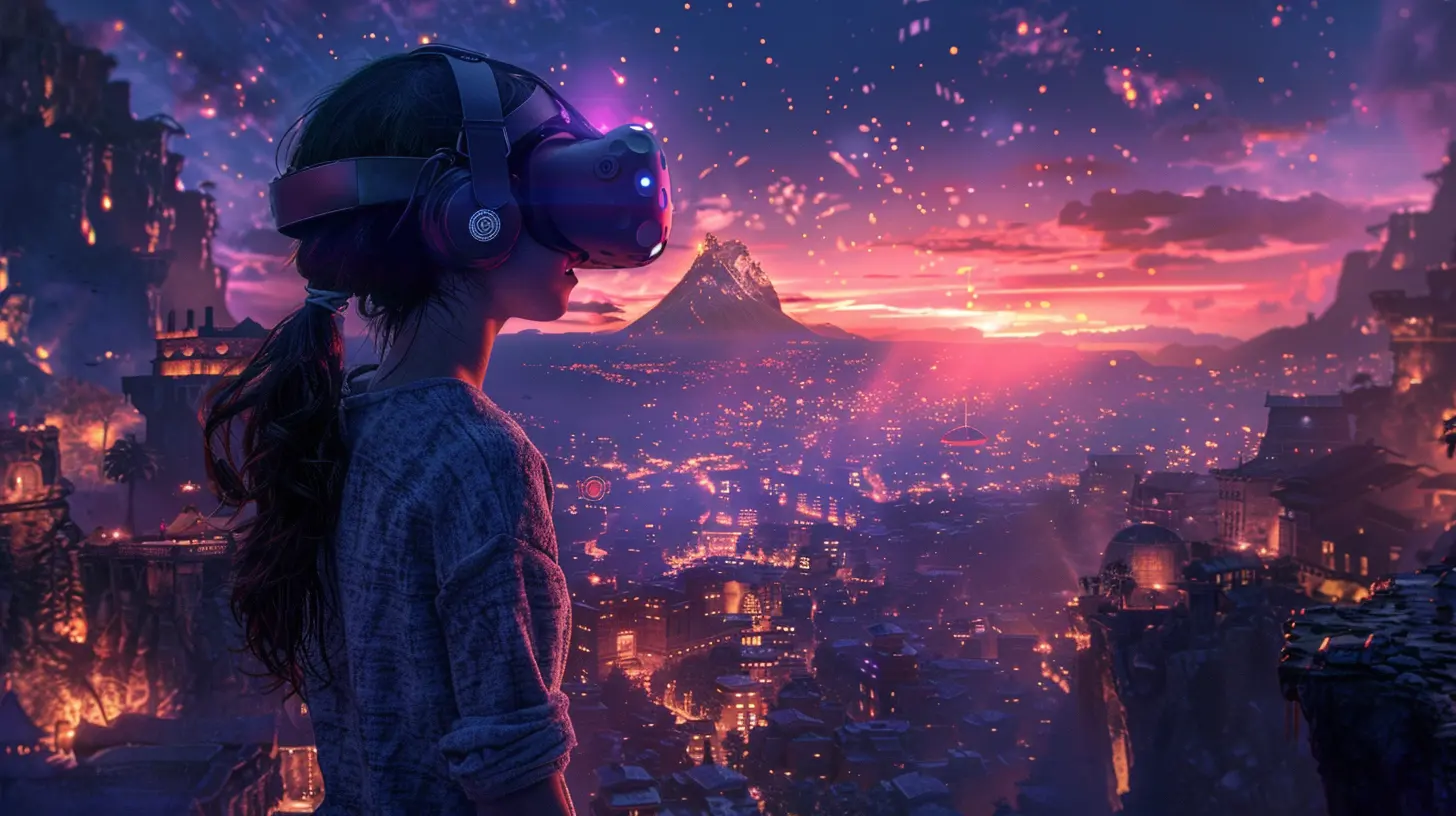
The Magic of Immersion: You’re In the Game
Let’s start with the obvious, but also the most impactful—immersion. Traditional RPGs can be immersive, no doubt. They’ve got gripping stories, beautiful environments, and emotional soundtracks. But VR takes immersion to a whole new dimension—literally.Seeing is Believing… But Feeling is Transformative
In a traditional RPG, you may visually admire a foggy mountain range or a sunlit forest on your monitor. You might even feel emotionally connected. But in a VR RPG? You're there. You move your head and the world moves with you. You bend down and peek under a table for loot. You hold your hand out to inspect a glowing potion.It's the difference between watching a concert on YouTube and being front row at the stadium. One's a great experience; the other is unforgettable.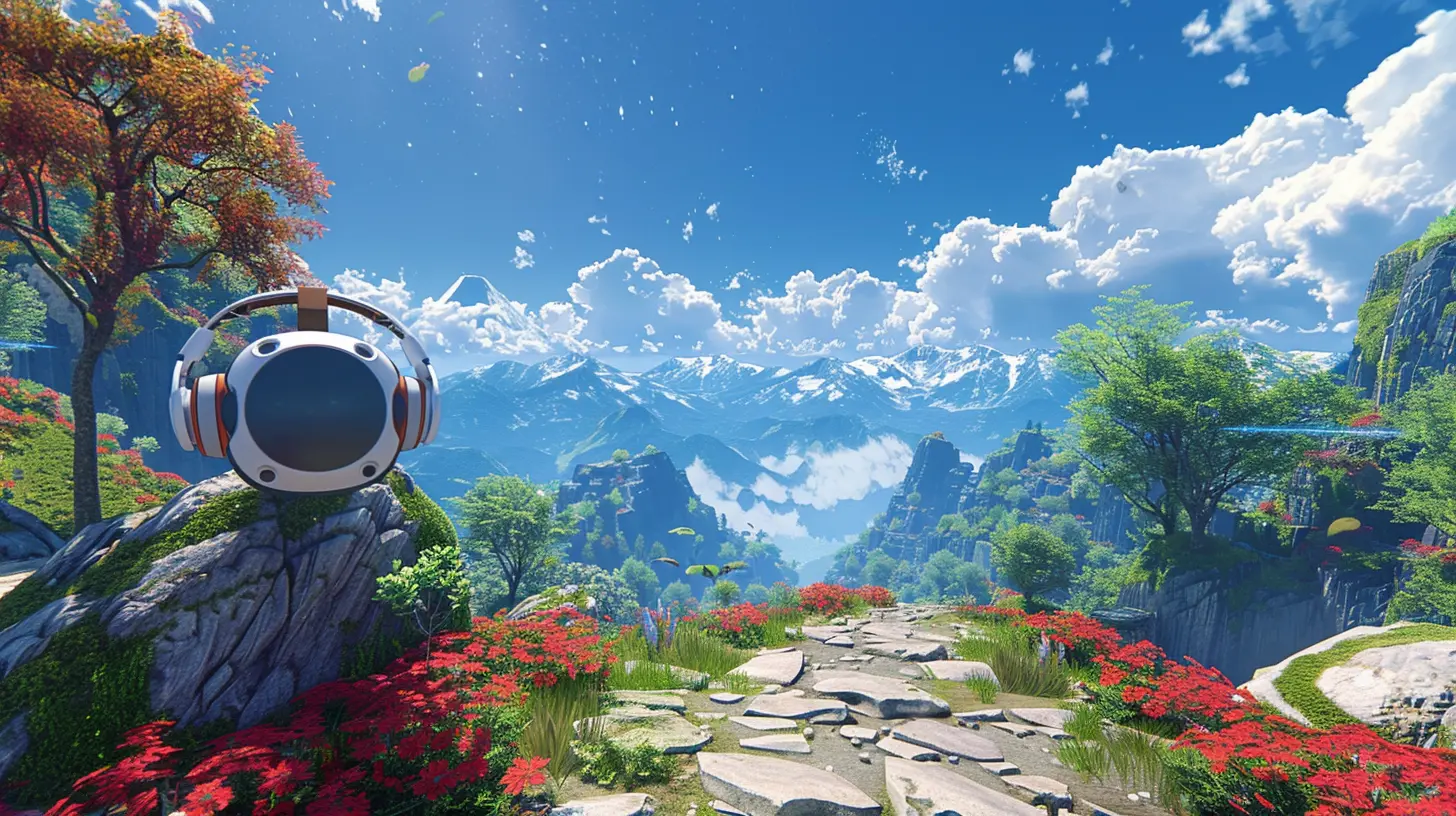
Player Agency Goes Next-Level
In traditional RPGs, you often choose dialogue options or combat strategies via menus. In VR, you're the one talking (sometimes literally), swinging your sword, casting spells with hand gestures, and ducking behind cover in real time.Less Menu, More Muscle Memory
VR mechanics rely heavily on your physical interaction. Cast a fireball? You might need to trace a rune in the air. Block an attack? Raise your shield with your actual arm. It's no longer button mashing—it's body language. This brings in a physicality that reinforces your sense of existence in the world.You begin to rely on muscle memory as much as strategy. It’s like the difference between playing air guitar and shredding on an actual one.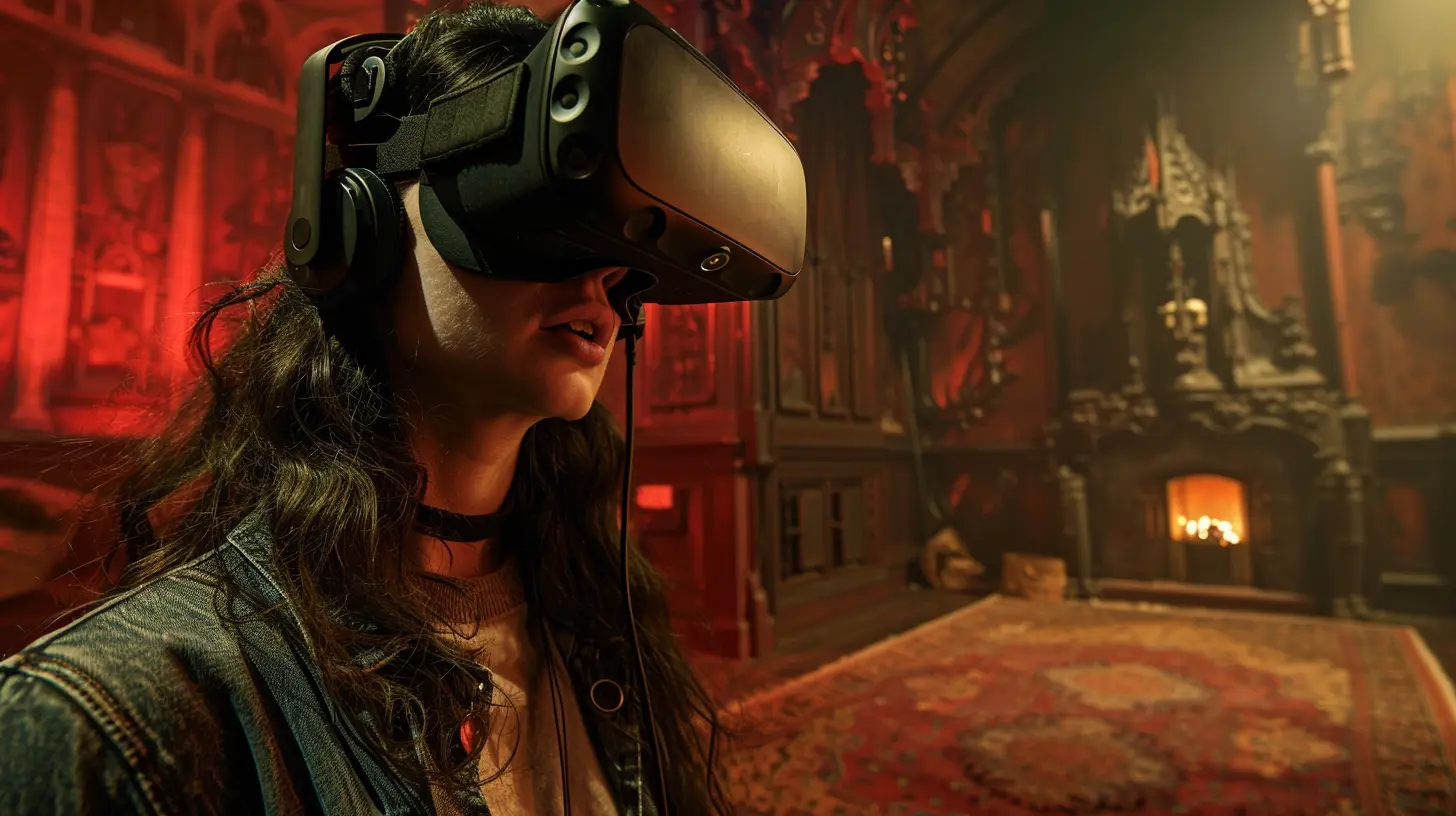
Emotional Depth Hits Harder
Good storytelling is at the heart of any RPG. And while epic narratives exist in both formats, there’s something deeper when you're face-to-face with a character in VR. When an NPC cries, looks you in the eye, or pleads for help—it’s more than just pixels on a screen.Eye Contact Matters
In VR, that virtual person is often standing right in front of you, looking directly into your eyes. It creates a visceral reaction that’s hard to replicate on a flat screen. You’re not just reading about their grief—you’re feeling it by being physically present.This emotional connection can make moral choices way more intense. Do you really want to steal from someone who's looking you in the eye and thanking you? In traditional RPGs, it's just stats. In VR, it's a personal dilemma.
Combat: From Tactical to Tactile
Combat in traditional RPGs often comes down to clicking buttons or selecting options from menus. It can still be complex and satisfying—but let’s be honest, it’s a bit detached. VR changes that completely.Swinging That Sword? You Gotta Earn It
Fighting in VR is exhausting in the best way. You’re swinging your arms, backing away from enemies, or lunging forward with a virtual dagger. Want to parry an attack? You'll need real-life reflexes. Dodging a fireball? You better duck, or it's game over.This turns every encounter into a mini-workout and adds intensity to fights that traditional RPGs just can’t match. You’re not just strategizing—you’re surviving.
Exploration That Feels Like Real Adventure
In a traditional RPG, your character might run through vast open fields or climb towering cliffs. But you, the player, are just pushing the joystick forward. In VR RPGs, exploration feels almost spiritual.Walk, Climb, and Crawl Like You're Actually There
You can peek around corners, climb ladders, or physically crouch through hidden passages. That sense of presence can turn the most mundane task—like opening a chest—into a moment of excitement. It’s the gamified version of traveling to a foreign country and exploring a new city on foot compared to looking at travel photos online.Social Interaction Feels Real
Multiplayer RPGs in VR aren't just about chatting via headsets while farming monsters. In many VR RPGs, you’re literally standing beside your friends, high-fiving after a battle, or pointing to a distant castle.Body Language and Voice Tone Make a Huge Difference
Unlike text-based or voice-only communication in traditional games, VR lets you see gestures, posture, even mimic real-life mannerisms. Want to express thanks? Bow. Want to troll your friends? Dance. It’s all part of the fun.This makes forming in-game relationships more impactful. You’re not just playing with people, you’re playing among them.
Learning Curve: The Good, The Bad, and The Wobbly
Let’s be real for a second. VR RPGs can be awkward at first. The controls can feel clunky, you might get motion sick, and swinging your arms for hours? Yeah, it’s tiring.But That Challenge Adds to the Reward
That being said, the reward is sweeter because the effort feels genuine. Completing a dungeon or solving a puzzle isn’t just a mental exercise—it’s physical, almost primal. You're no longer just watching your character grow—you become your character.Some players even say their VR RPG characters feel more like an extension of themselves rather than a created persona. That’s powerful stuff.
Customization Hits Different
Creating your avatar in a traditional RPG is fun; you twiddle with sliders, pick stats, and maybe select a fancy beard. In VR? You are your avatar.It's Like Looking in a Magic Mirror
The first time you look down and see your virtual hands, arms, and body… it’s trippy. But it also connects you to your character on a different level. When your armor clinks, when your virtual cloak flaps behind you—it feels personal.Even simple interactions like waving, nodding, or making magic motions feel more expressive, more you.
The Future of Storytelling
VR RPGs are still evolving, and developers haven’t yet tapped their full narrative potential. But the direction is exciting.Imagine Living Inside the Story
In future titles, we might see AI-driven NPCs that remember your name, past decisions, or even fear you if you’ve been ruthless. Picture living in a world that responds to your actions with real consequences—brought to life through immersive storytelling, not just cutscenes.When that day comes, VR RPGs won’t just tell stories—they’ll host them, and we’ll all be active participants.
Final Thoughts: A New Era of Role-Playing
So, what sets VR RPGs apart from traditional ones? It’s not just the technology—it’s the experience.You go from being a player who controls a character to becoming the character. The emotional depth, physical interaction, and unparalleled immersion create a blend of gaming that feels more like living in another world than just playing one.
Traditional RPGs are like reading a beautifully written book. VR RPGs? They let you live inside that book.
Nothing against classic role-playing games—they’re timeless. But VR is pushing the genre into bold, uncharted territory. If you’re even a little curious, throw on that headset and see what it’s like to be the hero of your own epic tale. You might find it hard to go back to flat screens.
all images in this post were generated using AI tools
Category:
Virtual Reality GamesAuthor:

Lucy Ross
Discussion
rate this article
1 comments
Dixie McInerney
VR RPGs immerse players in new worlds.
July 19, 2026 at 2:59 PM
Lucy Ross
Absolutely! VR RPGs offer a level of immersion that traditional games can't match, making players feel like they're truly part of the world.