Game Delays and Developer Statements Explained
28 May 2026
Let’s face it—nobody likes waiting. Especially when it involves that long-awaited video game we’ve been counting down toward for months, or even years. You mark the release date on your calendar, hype builds like a rocket on the launchpad, and then... Boom! Delay announcement. Just like that, the rocket never takes off—at least not when it was supposed to.
If you've ever felt gutted after reading, “We’ve decided to delay the release to ensure the best possible experience,” trust me, you're not alone. Game delays are a gut-punch to fans, but there’s more going on behind the scenes than most of us realize. And those developer statements that seem copy-pasted across studios? They actually carry more weight than you'd think.
This article breaks it all down—why games get delayed, what those “heartfelt” dev statements really mean, and why sometimes, a delay is the best thing that could happen to your favorite title.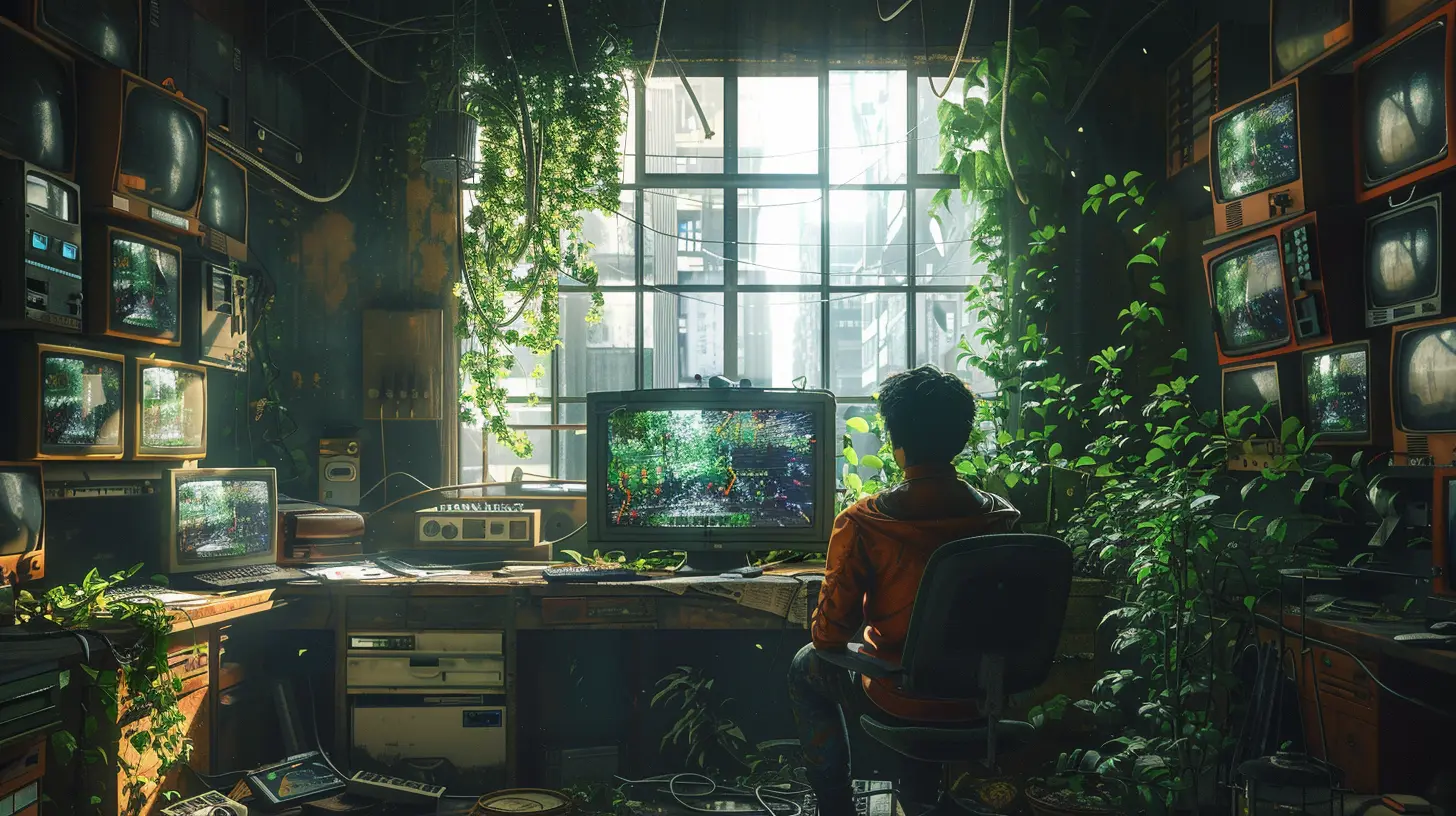
Why Are So Many Games Getting Delayed Lately?
If you feel like game delays are becoming more common, you’re not wrong. It seems like every major release has a 50/50 shot of being pushed back. And honestly, there are a few big reasons for that.1. Games Are Getting Bigger and More Complex
Once upon a time, rendering a few 2D sprites on a screen was enough. Now, we have open-world games with thousands of NPCs, incredibly rich storylines, photorealistic graphics, and online components that span continents.Coding something that ambitious without bugs? That’s like juggling chainsaws while riding a unicycle... on fire.
2. Crunch Culture Is Under Fire
The gaming industry has been heavily criticized for "crunch"—that nasty little term referring to developers working 80-hour weeks to meet a deadline. It leads to burnout, poor mental health, and sometimes even worse.With more studios (thankfully) pushing back against crunch, delays become the lesser of two evils. Stretching out the dev timeline is the humane choice.
3. COVID-19 Changed Everything
Even though the worst of the pandemic is (hopefully) behind us, the development pipelines are still crawling back to normal. Remote work isn’t just plug-and-play for game dev; not everything translates outside of the studio. Delays caused during that period are still having a ripple effect.
Decoding Developer Statements: What They're Really Saying
Here’s a typical delay message:> “We’ve made the difficult decision to delay the launch of [Insert Game Name] to ensure we meet our high standards. We can’t wait for you to experience this game the way it’s meant to be played.”
Sounds polished. Sounds heartfelt. But what are they really saying? Let’s dig into the most common lines.
“We Need More Time to Polish the Game”
Translation: The game is playable, but it’s a hot mess. Bugs, performance issues, or gameplay elements just aren’t working the way they should.Polish matters. Remember Cyberpunk 2077? That was a textbook example of what happens when you release a game too early. The hype train was real—but so was the backlash. The devs learned the hard way that launching too soon can damage both your reputation and your bottom line.
“We Want to Deliver the Best Possible Experience”
This one’s basically studio-speak for: we care about your money (and our Metacritic score). And hey, it might sound corporate, but it's not wrong. Releasing a broken game might sell a few copies up front, but bad word of mouth spreads faster than a StarCraft Zerg rush.“We Understand This Is Disappointing”
Okay, now they’re just acknowledging that you're mad. This line is all about managing expectations—letting fans vent, while still asking for patience. Honestly, it's better than radio silence.
Why Delays (Usually) Aren’t a Bad Thing
Let’s be real: we all want our favorite games released yesterday. But sometimes, delays are like a raincheck for a better party. The extra time can mean the difference between a good game and a great one.Think of It Like Cooking
Ever tried baking a cake and thought, “Eh, five more minutes won’t matter”? Then you pull out a gooey, undercooked mess? Yeah—same deal with games.Developers need that extra bake time to make sure everything’s balanced, fun, and functional. And when they skip that part, we notice. Looking at you, Battlefield 2042.
Post-Launch Fixes Aren’t a Magic Wand
Sure, patches exist. But if a game bombs on release, early reviews and impressions tank the buzz. Fixes can only do so much after the damage is done.Delays, on the other hand? They give devs a fighting chance to get it right the first time.
The Rise of Transparency (Sort Of)
One silver lining? Studios are starting to be a little more candid with updates. Instead of vague tweets, some developers are launching full blog posts, Q&A videos, and even livestreams to talk directly with fans.A Few Studios Doing It Right:
- Larian Studios (Baldur’s Gate 3)They delayed their full launch several times—but communicated clearly, shared roadmaps, and even invited player feedback. And when the game finally dropped? Absolute fire.
- CD Projekt Red (Post-Cyberpunk redemption arc)
Okay, sure, they flubbed the launch hard. But post-release? They owned up, released apology videos, delayed DLCs for quality reasons, and made the game way better over time.
So yeah, not all developers are hiding behind PR smoke screens. Some are genuinely trying to build trust.
How Fans Can (And Should) Respond
Look, it's okay to be bummed when your most-anticipated title gets pushed back. But there are better ways to react than spamming devs with angry tweets.Be Disappointed, Not Disrespectful
Remember, game developers are people. They’re not sitting in a boardroom cackling and delaying games just to ruin your week. Imagine putting years of your life into something, only for people to trash it before it’s even done.Patience may suck—but empathy goes a long way.
Find a Silver Lining
A delay? Use the time to replay an old favorite, explore new genres, or finally clear that insane backlog (you know the one).If you’re anything like most gamers, chances are you already have 10+ games you’ve barely touched. Field trip through your own library while you wait!
Stay Informed (But Don’t Obsess)
Keep an eye on official channels, dev blogs, and reliable gaming news. But don’t tumble down conspiracy rabbit holes. Not every delay is a sign of doom—it’s typically just the devs making sure the game doesn’t implode on launch.Games That Benefited from Delays
Still not convinced delays are a good thing? Let’s take a nostalgic walk through the delay hall of fame.1. The Legend of Zelda: Breath of the Wild
Delayed more times than we can count. But when it finally dropped? Game of the Year. A groundbreaking open-world experience that changed how we look at exploration in games.2. The Witcher 3: Wild Hunt
Faced several delays, but CD Projekt Red used that time to fine-tune mechanics, polish visuals, and iron out bugs. It paid off massively. The game's now considered one of the best RPGs of all time.3. Animal Crossing: New Horizons
Nintendo delayed it for “quality of life” reasons. Some fans were initially annoyed, but during the early COVID lockdowns? That game was a lifeline. Sometimes, good things come to those who wait.Closing Thoughts: Delays Suck—But They're Not the End of the World
At the end of the day, we get it. Game delays are frustrating, especially in an era where hype is carefully crafted and anticipation runs sky-high. But the truth is, those annoying announcements where the devs beg for “just a little more time”? They often lead to better experiences that are worth every second of the wait.So the next time your most anticipated title gets pushed back, take a breath. Trust that the developers probably aren’t just slacking off. They’re doing what they can to make sure that when the game finally lands in your hands, it’s everything you hoped for—and more.
And hey, if nothing else, it’s one more chance to beat that final boss in Elden Ring before the next obsession hits.
all images in this post were generated using AI tools
Category:
Game NewsAuthor:

Lucy Ross
Discussion
rate this article
1 comments
Nixie McRae
Game delays can be frustrating, but they often reflect a developer's commitment to quality. It's better to wait for a polished experience than to rush and end up with disappointing results. Transparency is key.
June 2, 2026 at 3:50 AM
Lucy Ross
I completely agree. A little patience can lead to a much better game in the end. Developers want to deliver the best experience possible, and transparency helps us stay connected during the wait.